
Can you make a basketball team if you’re not a star player? Yes, you absolutely can! Making the basketball team is about showcasing your potential, dedication, and how well you fit into a team dynamic, not just your current skill level. This guide will equip you with everything you need to know about succeeding in basketball tryouts.
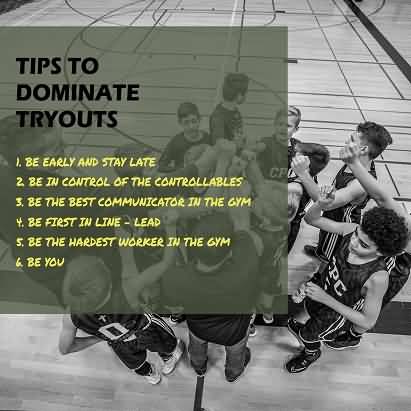
Image Source: cccdn-fe9e.kxcdn.com
Preparing for Basketball Tryouts: Laying the Foundation
Success at tryouts doesn’t happen by accident. It’s the result of smart preparation. This section focuses on how to get ready, both physically and mentally.
Physical Conditioning: Building Your Basketball Engine
Basketball is a demanding sport. Strong conditioning is key to performing at your best throughout the tryout drills and scrimmages.
Cardiovascular Endurance
You need to be able to run the court without getting tired. Aim for activities like:
- Running: Long-distance runs, interval sprints (running hard for short bursts, then jogging).
- Jumping Rope: Excellent for footwork and stamina.
- Cycling: A good low-impact option to build leg strength and endurance.
- Swimming: Great for overall cardiovascular health and muscle recovery.
Strength Training
Develop strength in key areas for basketball:
- Legs: Squats, lunges, calf raises are vital for jumping and agility.
- Core: Planks, crunches, and Russian twists improve balance and power transfer.
- Upper Body: Push-ups, pull-ups, and shoulder presses help with shooting, passing, and defense.
Agility and Footwork
Quick feet are crucial for defense, driving to the basket, and cutting.
- Ladder Drills: Cone drills, agility ladder drills, and shuffle drills improve quickness and change of direction.
- Plyometrics: Box jumps, jump squats, and bounding exercises build explosive power.
Skill Development: Honing Your Basketball Toolkit
While conditioning is important, your basketball skills are what coaches will primarily assess. Focus on the fundamentals.
Essential Basketball Skills
- Dribbling: Practice dribbling with both hands, changing pace, and dribbling under pressure.
- Shooting: Work on your free throws, jump shots, and layups. Consistency is key.
- Passing: Develop strong, accurate chest passes, bounce passes, and overhead passes.
- Defense: Practice staying low, moving your feet, and keeping your hands active.
- Rebounding: Learn proper boxing-out techniques and timing your jumps.
Practicing Game Situations
Don’t just drill in isolation. Simulate game scenarios to see how your skills translate.
- 1-on-1: Practice offense and defense against a single opponent.
- 2-on-2: Work on passing, spacing, and pick-and-rolls.
- Scrimmaging: Play full-court or half-court games to get a feel for game flow.
Mental Preparation: The Unseen Advantage
Your mindset plays a huge role in how you perform.
Confidence Building
Believe in your abilities. Focus on your strengths and the hard work you’ve put in.
Visualization
Imagine yourself performing well, making shots, and playing great defense. This can boost confidence and reduce anxiety.
Positive Self-Talk
Replace negative thoughts with positive affirmations. Instead of “I’m going to miss,” think “I’m going to make this shot.”
Goal Setting
Set realistic goals for the tryout. This could be making a certain number of free throws or showing good defensive effort on every play.
What to Expect at Basketball Tryouts: Navigating the Process
Knowing what will happen can reduce nerves and help you focus on performing. Tryouts often involve a structured series of activities designed to assess various aspects of your game.
Typical Tryout Activities
Basketball tryouts usually include a mix of drills, fitness tests, and game-like situations.
Skill Stations
Coaches will often set up stations to evaluate specific skills:
- Dribbling Course: Testing ball-handling speed and control.
- Shooting Drills: Evaluating consistency from different spots on the court (e.g., free throws, layups, mid-range shots, three-pointers).
- Passing Drills: Assessing accuracy and decision-making with various types of passes.
Agility and Fitness Tests
These tests measure your athleticism and stamina:
- Sprints: Timed dashes (e.g., full court, half court).
- Lane Agility Drill: A common drill to test quickness, change of direction, and endurance around the basket.
- Jump Tests: Measuring vertical leap.
Competitive Drills and Scrimmages
This is where coaches see how players perform in a game setting.
- 1-on-1, 3-on-3, 5-on-5: These are crucial for evaluating decision-making, teamwork, and how you apply your skills under pressure.
- Transition Drills: Assessing how well you play in fast-break situations.
The Basketball Player Evaluation: What Coaches Look For
Coaches aren’t just looking for the best individual scorers. They’re building a team.
Key Attributes Evaluated
- Skills: Dribbling, shooting, passing, defense, rebounding proficiency.
- Athleticism: Speed, agility, quickness, jumping ability, stamina.
- Basketball IQ: Decision-making, court awareness, understanding of plays, spacing.
- Attitude and Effort: Hustle, coachability, communication, positive body language, willingness to work hard.
- Teamwork: How well you pass, play defense with teammates, and support others.
The Coach’s Perspective
From a basketball coach’s perspective, finding the right players goes beyond raw talent.
- Potential vs. Current Skill: Coaches often look for players with high potential who are willing to learn and improve, even if their current skills aren’t perfect.
- Fit with the Team: Does this player complement the existing roster? Do they fill a specific need (e.g., a strong defender, a good passer, a reliable shooter)?
- Coachability: Does the player listen to feedback? Do they adjust their play based on instruction? This is a huge indicator of future development.
- Effort and Hustle: Players who give maximum effort on every play, even when they make mistakes, stand out.
- Composure: How do they react to pressure or adversity? Do they get flustered easily, or do they stay calm and focused?
Basketball Drills for Tryouts: Sharpening Your Game
Specific drills can help you showcase your abilities in key areas. Incorporate these into your preparation.
Dribbling Drills to Impress
- Two-Ball Dribbling: Dribbling two balls simultaneously at different heights and speeds. Improves hand-eye coordination and ambidextrous control.
- Crossover Series: Practice various crossovers (front, between-the-legs, behind-the-back) with intensity and speed.
- Cone Drills: Weave through a set of cones, focusing on keeping your head up and changing pace.
Shooting Drills for Consistency
- Form Shooting: Start close to the basket, focusing on your shooting form (balance, follow-through). Gradually move back.
- Spot Shooting: Pick 5-7 spots around the court and make a certain number of shots from each before moving on.
- Free Throw Routine: Develop a consistent routine for free throws. Practice making 10 in a row.
- Shooting off the Dribble: Practice pulling up for shots after dribbling.
Passing Drills for Team Play
- Wall Passing: Pass against a wall with various types of passes (chest, bounce), focusing on quick releases and accuracy.
- Partner Passing: Work with a teammate on stationary passing and then passing while moving.
- Passing on the Move: Practice passing to a moving target or while you are moving yourself.
Defensive Drills for Lockdown Performance
- Defensive Slides: Practice shuffling your feet sideways without crossing them, staying low.
- Close-Out Drills: Simulate closing out on a shooter – sprint to the shooter, but control your momentum, hands up.
- Shell Drill: A team drill to practice defensive principles, communication, and rotations.
Basketball Tryout Checklist: Your Pre-Tryout Companion
A checklist ensures you’re fully prepared and don’t forget anything important.
Pre-Tryout Checklist
- Physical Preparation:
- Consistent training schedule in the weeks leading up to tryouts.
- Adequate rest and sleep.
- Proper nutrition and hydration.
- Equipment:
- Appropriate basketball shoes (broken in!).
- Comfortable athletic clothing (shorts, t-shirts – check if specific colors are required).
- Water bottle.
- Towel.
- Any necessary personal items (e.g., mouthguard, ankle braces if needed).
- Mental Preparation:
- Review your strengths and areas to focus on.
- Practice positive self-talk.
- Get a good night’s sleep the night before.
- Logistics:
- Know the exact time, date, and location of the tryout.
- Arrive early to sign in and get warmed up.
- Understand the tryout format if possible.
During Tryout Checklist
- Be Punctual: Arrive early.
- Sign In: Make sure your name is on the roster.
- Warm-Up: Get your body ready to perform.
- Listen Carefully: Pay attention to all instructions from coaches.
- Communicate: Talk on defense, call for the ball, encourage teammates.
- Play Hard: Give maximum effort on every drill and play.
- Be Coachable: Respond positively to feedback.
- Show Sportsmanship: Be respectful to other players and coaches.
- Stay Positive: Even if you make a mistake, shake it off and focus on the next play.
Basketball Skills Assessment: Showcasing Your Abilities
During the tryout, coaches will be assessing your skills in various ways. Here’s how to make sure yours shine.
Demonstrating Dribbling Prowess
- Control: Keep the ball low and close to your body.
- Head Up: Always look up to see the court, your teammates, and defenders.
- Ambition: Use your weak hand just as effectively as your strong hand.
- Change of Pace: Vary your dribble speed to beat defenders.
Elevating Your Shooting Performance
- Repetition: Consistency is built through practice. Show that you can make shots when it matters.
- Range: Demonstrate ability to shoot from different distances, including three-point range if applicable.
- Shooting Under Pressure: Show you can still make shots even when contested or tired.
Mastering Passing and Court Vision
- Decision Making: Make the smart pass. Don’t force plays.
- Accuracy: Deliver passes where your teammate can easily catch and use them.
- Timeliness: Pass the ball quickly to maintain offensive flow.
- Passing Options: Show you can use different passes (chest, bounce, outlet) effectively.
Dominating on Defense
- Stance: Maintain a low, balanced defensive stance.
- Footwork: Quick lateral movement is key.
- Effort: Hustle on close-outs, contest shots, and fight for loose balls.
- Communication: Talk to your teammates about screens, cuts, and help defense.
Rebounding Techniques
- Boxing Out: Aggressively seal your opponent away from the basket.
- Anticipation: Read where the ball is likely to bounce.
- Aggression: Go after the ball with intensity.
Making the Basketball Team: Strategies for Success
Beyond skills and preparation, certain approaches can significantly increase your chances of being selected.
Demonstrating Value Beyond Scoring
Coaches look for players who contribute in multiple ways.
- Effort and Hustle: The player who dives for a loose ball or sprints back on defense is noticed.
- Communication: A player who talks on defense and directs traffic is valuable.
- Basketball IQ: Making the right play, understanding spacing, and not making careless mistakes.
- Defensive Prowess: A lockdown defender can shut down an opponent’s star player.
The Importance of Attitude and Coachability
- Positive Outlook: A positive attitude is infectious and makes you a good teammate.
- Responsiveness to Coaching: When a coach gives feedback, show that you listen and try to implement it immediately.
- Team First Mentality: Show that you’re willing to sacrifice personal stats for the good of the team.
Networking and Making Connections
While not as critical as your play, positive interactions can help.
- Introduce Yourself: Greet coaches and staff respectfully.
- Ask Questions (Appropriately): If there’s a lull, a polite question about a drill can show engagement.
- Support Teammates: Cheer for other players during their drills.
Basketball Team Selection: The Coach’s Dilemma
Understanding how coaches make their decisions can help you present yourself in the best light.
Factors Influencing Selection
Coaches consider a multitude of factors when making final decisions:
| Factor | Description | Importance |
|---|---|---|
| Skill Level | Proficiency in dribbling, shooting, passing, defense. | High |
| Athleticism | Speed, agility, jumping ability, stamina. | High |
| Basketball IQ | Court awareness, decision-making, game sense. | High |
| Attitude | Coachability, effort, positivity, work ethic. | Very High |
| Team Fit | How well a player complements existing players and team needs. | High |
| Potential | Likelihood of future development and improvement. | Medium to High |
| Character | Integrity, respect, leadership qualities. | Medium |
| Hustle/Effort | Giving maximum effort on every play. | Very High |
Interpreting the Evaluation Process
Coaches often use a grading system or rubric for each player across various categories.
- Categorization: Players might be categorized during tryouts (e.g., “defensive stopper,” “primary ball-handler,” “sharpshooter”).
- Comparison: Players are compared against each other based on the specific needs of the team.
- Long-Term Vision: Coaches might pick a player with less polished skills but higher potential if they see a good fit for the team’s future development.
Frequently Asked Questions (FAQ)
Q1: What if I’m not the tallest player?
Answer: Height is only one factor. Agility, speed, shooting, defense, and hustle are equally, if not more, important for many positions. Focus on your strengths and play to them. A quick, skilled guard can be just as valuable as a tall center.
Q2: Should I try to do too much to impress the coach?
Answer: No, it’s better to play your game and do the fundamentals well. Trying too hard to impress can lead to forced plays, turnovers, and mistakes. Focus on solid execution and consistent effort.
Q3: How important is my performance in scrimmages compared to drills?
Answer: Both are important, but scrimmages often carry more weight because they show how you perform under game-like conditions. Your ability to make good decisions, play defense, and contribute to team play in a scrimmage is crucial.
Q4: What if I make a mistake?
Answer: Everyone makes mistakes. The key is how you react. Shake it off, focus on the next play, and don’t let it affect your overall effort or attitude. Coaches are looking for resilience as much as skill.
Q5: How can I improve my chances of making the team if I’m a weaker dribbler?
Answer: Focus intensely on your dribbling in practice. Work on keeping the ball low, using both hands, and protecting it. In the tryout, when dribbling, prioritize making the correct pass over flashy moves. Show you’re a capable ball-handler, even if it’s not your strongest skill.
Q6: What should I wear to basketball tryouts?
Answer: Wear comfortable athletic clothing that allows for a full range of motion. This typically includes basketball shorts and a t-shirt or jersey. Make sure your basketball shoes are well-fitting and suitable for court play. Some coaches may have specific color requirements, so it’s good to check beforehand if possible.
By focusing on thorough preparation, understanding what coaches are looking for, and showcasing your best attributes with a positive attitude, you can significantly increase your chances of making the basketball team. Good luck!