
What is the cost to build a basketball gym? The cost to build a basketball gym can range from $50,000 for a basic outdoor court to over $10 million for a professional-level indoor arena. This wide range is due to many factors, including size, features, materials, location, and whether you’re building a simple hoop or a full-scale indoor facility.
Building a dedicated space for basketball, whether it’s for casual play, a community center, or a professional team, is a significant undertaking with a substantial financial commitment. This guide will break down the various costs involved in basketball court construction cost, helping you create a realistic basketball gym building budget. We’ll delve into indoor basketball facility expenses, basketball arena construction prices, the cost to build a sports complex, and the specific elements that contribute to the overall athletic facility development costs.
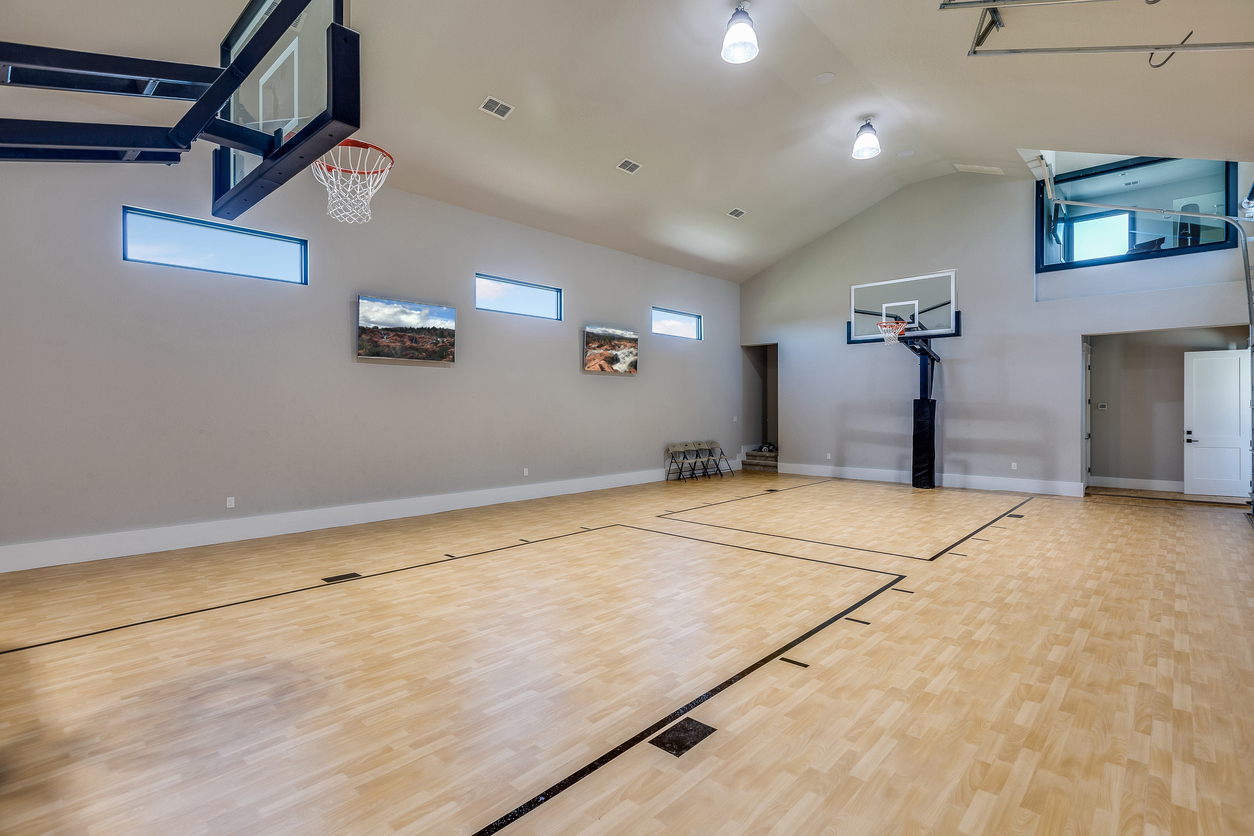
Image Source: www.dominatorhoop.com
Deciphering the Factors Influencing Your Budget
Several key elements play a crucial role in determining the final price tag of your basketball facility. It’s essential to consider these early in the planning stages to avoid surprises down the line.
Size and Scope of the Project
This is perhaps the most significant cost driver. A full-sized NBA court requires far more materials and labor than a half-court for a local park.
- Court Dimensions: Standard basketball courts vary in size. NBA courts are 94 feet long by 50 feet wide. High school and college courts are often similar, though some international courts might differ. The larger the playing surface, the more materials and construction work will be needed.
- Number of Courts: If you’re building a multi-court facility, the cost multiplies. A complex with multiple courts for tournaments or leagues will naturally be more expensive than a single-court setup.
- Ancillary Spaces: Beyond the court itself, consider the need for locker rooms, restrooms, concessions, seating areas, offices, storage, and potentially even a fitness training area. These additions significantly increase the overall basketball gym building budget.
Indoor vs. Outdoor Construction
The decision between an indoor and outdoor facility dramatically impacts the cost.
- Outdoor Courts: Generally less expensive. They require a solid foundation, appropriate surfacing, hoops, and potentially fencing and lighting. The main costs are in site preparation and surfacing.
- Indoor Facilities: Significantly more costly. This involves constructing a building, which includes:
- Foundation and Structure: Concrete, steel, and other building materials.
- Roofing: Essential for protection from elements and for acoustics.
- HVAC Systems: Heating, ventilation, and air conditioning to maintain a comfortable playing environment year-round.
- Lighting: Specialized lighting to ensure optimal visibility and reduce glare.
- Walls and Finishes: Interior walls, paint, and other finishes.
- Scoreboards and Sound Systems: Electronic scoreboards, PA systems, and potentially speakers.
- Seating: Bleachers or individual seats for spectators.
Site Preparation and Groundwork
Before any basketball-specific construction begins, the site needs to be prepared.
- Land Acquisition: If you don’t own the land, this is a major upfront cost.
- Excavation and Grading: Clearing the land, leveling the ground, and ensuring proper drainage.
- Sub-base Preparation: Laying a foundation of gravel and compacted soil to provide a stable base for the court surface.
- Drainage Systems: Crucial for outdoor courts to prevent water pooling and for indoor courts to manage humidity.
Basketball Court Surfacing
The choice of surfacing significantly affects both the initial cost and the ongoing maintenance.
- Asphalt: A more affordable option for outdoor courts. It’s durable but can crack over time and may require resurfacing. Basketball court surfacing expenses for asphalt can be lower than other options.
- Concrete: Another durable option, often used for outdoor courts. It’s more expensive than asphalt initially but generally lasts longer.
- Acrylic (Outdoor): Applied over asphalt or concrete, acrylic coatings provide a vibrant look, better grip, and shock absorption. These add to the basketball court surfacing expenses but improve playability.
- Wood (Indoor): The gold standard for indoor courts. Typically made of maple, these courts offer superior shock absorption, ball bounce, and player comfort. Gym floor installation costs for hardwood are substantial.
- Types of Wood Flooring: Strip flooring (long planks) andഭ്യാസparquet flooring (block patterns) are common. The grade of wood and the complexity of the installation affect pricing.
- Underlayment Systems: Specialized cushioning systems beneath the wood floor are vital for player safety and performance, adding to gym floor installation costs.
- Modular Sports Tiles (Indoor/Outdoor): Made of durable plastic, these tiles can be installed quickly and offer good drainage and shock absorption. They are often used for multi-purpose courts.
Basketball Hoop Installation and Equipment
Beyond the court surface, you need the actual equipment to play.
- Basketball Hoops:
- Outdoor/Portable Hoops: Range from a few hundred dollars to over a thousand for higher-quality, portable units.
- In-Ground/Fixed Hoops: More permanent and stable, costing from $500 to $3,000 or more, depending on pole thickness, backboard material, and adjustment mechanisms.
- Professional/Arena Hoops: These are heavy-duty, often with breakaway rims, height adjustability, and specialized backboards. The cost of basketball hoop installation for these can range from $2,000 to $10,000+ per hoop, including mounting and installation.
- Backboards: Glass, acrylic, or polycarbonate. Glass offers the best performance but is the most expensive and fragile.
- Rims: Standard, breakaway, or slam dunk rims.
- Nets: Durable nylon or chain nets.
- Boundary Lines: Specialized paint or tape for court markings.
Building the Structure (Indoor Facilities)
This is where the bulk of the expense for an indoor facility lies.
- Design and Engineering: Hiring architects and engineers to create blueprints and structural plans. This is a crucial step for any athletic facility development costs.
- Foundation: Excavating and pouring concrete for the building’s foundation.
- Framing: Using steel or wood to create the building’s skeleton. Steel is more common for larger structures.
- Roofing: Installing a robust roof, often a metal or membrane system, to withstand weather and support lighting.
- Walls: Building exterior walls (e.g., metal siding, brick, or block) and interior walls.
- HVAC Systems: Installing powerful systems to control temperature and humidity, essential for player comfort and to protect wooden floors.
- Lighting Systems: High-quality, glare-free lighting is paramount for a basketball gym. LED lighting is energy-efficient and offers excellent illumination. Building a professional basketball court indoors requires significant investment in lighting.
- Scoreboards and Audio: Advanced electronic scoreboards, timing systems, and sound systems add to the indoor basketball facility expenses.
Additional Amenities and Features
Consider these extras that enhance the user experience and functionality.
- Seating: Bleachers, chair backs, or custom seating for spectators.
- Concession Stands: For selling food and drinks.
- Restrooms and Locker Rooms: Essential for usability and player comfort.
- Storage Areas: For equipment, maintenance supplies, etc.
- Fitness/Training Areas: Adding weight rooms or cardio spaces.
- Accessibility Features: Ramps, accessible restrooms, and designated seating areas for individuals with disabilities.
- Landscaping and Exterior Work: Paving, parking lots, and general site beautification.
Labor and Professional Fees
Don’t forget the cost of the skilled professionals who will bring your project to life.
- General Contractor: Oversees the entire construction process.
- Architects and Engineers: For design and planning.
- Site Preparation Crew: For excavation, grading, and foundation work.
- Construction Workers: Skilled laborers for various trades (framing, concrete, electrical, plumbing, etc.).
- Specialty Installers: For gym flooring, basketball hoops, and scoreboards.
- Permits and Inspections: Local government fees for building permits and inspections.
Cost Breakdown: Estimated Pricing Ranges
Providing exact figures is challenging due to the variables, but here are some estimated ranges for different types of basketball facilities. These figures can help solidify your basketball gym building budget.
Outdoor Basketball Courts
These are the most budget-friendly options.
| Feature | Estimated Cost Range (USD) | Notes |
|---|---|---|
| Basic Half-Court | $5,000 – $20,000 | Concrete or asphalt base, one hoop, basic lines. |
| Full Outdoor Court | $20,000 – $100,000+ | Quality surfacing (acrylic), multiple hoops, good lighting, fencing. |
| Site Prep & Foundation | $5,000 – $50,000+ | Varies greatly based on existing site conditions. |
| Basketball Court Surfacing Expenses (Acrylic) | $5 – $15 per sq ft | Includes preparation and multiple coats. |
| Cost of Basketball Hoop Installation (Outdoor) | $500 – $5,000 per hoop | Depends on quality and mounting. |
| Lighting (Outdoor) | $2,000 – $15,000+ | For a few poles to illuminate a court. |
| Fencing | $10 – $30 per linear foot | Chain-link is common. |
Indoor Basketball Gyms
This is where costs escalate significantly due to building construction.
Community/School Gyms (Single Court)
These are typically more basic but functional.
| Feature | Estimated Cost Range (USD) | Notes |
|---|---|---|
| Building Shell | $100,000 – $500,000+ | Basic structure, walls, roof, no interior finishing or HVAC. |
| Full Indoor Gym Construction | $250,000 – $1,500,000+ | Includes building, HVAC, lighting, wood flooring, basic amenities. |
| Gym Floor Installation Costs (Hardwood) | $8 – $20+ per sq ft | Includes subfloor, wood, sanding, finishing. |
| Basketball Court Construction Cost (Indoor) | $50,000 – $200,000+ | Primarily the gym floor, hoops, backboards, lines. |
| Cost of Basketball Hoop Installation (Indoor) | $2,000 – $10,000+ per hoop | Includes durable, adjustable hoops and professional mounting. |
| HVAC System | $20,000 – $100,000+ | Crucial for comfort and floor longevity. |
| Lighting System | $10,000 – $50,000+ | High-quality LED lighting for optimal play. |
| Scoreboard & Sound System | $5,000 – $30,000+ | Basic to mid-range systems. |
| Locker Rooms & Restrooms | $20,000 – $100,000+ | Depends on size and finish level. |
Multi-Court Facilities / Training Centers
These are larger and more complex, increasing indoor basketball facility expenses.
| Feature | Estimated Cost Range (USD) | Notes |
|---|---|---|
| Per Court Construction (Add-on) | $150,000 – $750,000+ | Adding another court and associated infrastructure to an existing building. |
| Multi-Court Facility (e.g., 3-4 Courts) | $2,000,000 – $8,000,000+ | Comprehensive facility with amenities, advanced systems. |
| Athletic Facility Development Costs (Larger Scope) | $5,000,000 – $20,000,000+ | Larger complexes with multiple sports, extensive amenities, and professional setups. |
Professional Arenas
These are the pinnacle of basketball facilities, with the highest basketball arena construction prices.
| Feature | Estimated Cost Range (USD) | Notes |
|---|---|---|
| Building a Professional Basketball Court (Arena) | $2,000,000 – $15,000,000+ | This is just the court itself, including the highest-grade wood, underlayment, and professional hoops. |
| Full Arena Construction | $50,000,000 – $500,000,000+ | Includes seating for thousands, luxury suites, advanced AV systems, extensive concessions, and more. |
| Cost to Build a Sports Complex (Basketball Focus) | $10,000,000 – $100,000,000+ | Multiple courts, other sports facilities, extensive amenities, and large spectator capacity. |
Tips for Managing Your Budget
Effectively managing your finances is crucial for a successful project.
Thorough Planning and Design
- Detailed Blueprints: Invest in professional architectural and engineering services. This ensures all aspects are considered, from drainage to structural integrity, and helps avoid costly changes during construction.
- Material Selection: Balance quality with cost. While premium materials offer the best performance, explore good-quality alternatives that can save money without significantly compromising durability or playability.
Phased Development
- Start Small: If budget is a major constraint, consider building a basic outdoor court first. You can always upgrade or add features later as funds become available.
- Prioritize Essentials: Focus on the core elements – a safe playing surface, durable hoops, and adequate lighting. Amenities like elaborate seating or extensive concessions can be added in later phases.
Contractor Selection
- Get Multiple Bids: Always solicit bids from several reputable general contractors. Compare not just the price but also their experience, references, and the scope of work included.
- Negotiate Contracts: Don’t be afraid to negotiate terms and pricing with your chosen contractor. Ensure the contract clearly outlines all costs, timelines, and responsibilities.
Explore Funding Options
- Grants and Sponsorships: For community or school projects, look into grants from sports foundations, government programs, or local businesses willing to sponsor athletic facilities.
- Loans and Financing: If you are a business or organization, explore financing options like SBA loans or bank loans.
Frequently Asked Questions (FAQ)
Q1: What is the average cost to build a basic outdoor basketball court?
A1: A basic outdoor basketball court can range from $5,000 to $20,000, depending on the size, surface material, and the quality of the hoop and installation.
Q2: How much does a professional indoor basketball court cost?
A2: Building a professional indoor basketball court, focusing on high-quality hardwood flooring, professional-grade hoops, advanced lighting, and sound systems, can cost anywhere from $500,000 to $1.5 million or more, not including the cost of the building itself.
Q3: Can I build a basketball gym on a tight budget?
A3: Yes, you can build a basketball gym on a tighter budget by opting for an outdoor, half-court setup with durable but less expensive materials. Prioritizing essential elements and considering phased development can also help manage costs.
Q4: What are the biggest expenses when building an indoor basketball facility?
A4: The biggest expenses typically include the construction of the building itself (foundation, structure, roof), the specialized indoor basketball court flooring (hardwood), HVAC systems, and high-quality lighting.
Q5: How long does it take to build a basketball gym?
A5: The timeline varies greatly. A simple outdoor court might take a few weeks. An indoor gym can take anywhere from 6 months to over a year, depending on the size, complexity, and whether you are building from the ground up.
Q6: What is the typical lifespan of different basketball court surfaces?
A6:
* Asphalt: 5-10 years with proper maintenance.
* Concrete: 10-20 years with proper maintenance.
* Acrylic Coating: 3-7 years before recoating may be needed.
* Hardwood (Indoor): Can last 20-30 years or more with regular maintenance, refinishing, and proper care.
* Modular Tiles: 5-15 years, depending on material quality and usage.
Conclusion
Building a basketball gym is a substantial investment, but with careful planning, realistic budgeting, and smart choices, you can create a fantastic facility. Whether you’re aiming for a modest outdoor court or a state-of-the-art indoor arena, this guide provides a framework for comprehending the costs involved. By breaking down the expenses associated with basketball court construction cost, indoor basketball facility expenses, basketball gym building budget, cost to build a sports complex, basketball arena construction prices, building a professional basketball court, cost of basketball hoop installation, gym floor installation costs, basketball court surfacing expenses, and athletic facility development costs, you are well-equipped to embark on your project with confidence. Remember to consult with professionals and get detailed quotes to ensure your vision becomes a reality.