
Do basketball shoes lose grip over time? Yes, basketball shoes can lose their grip over time due to various factors like outsole wear, dirt accumulation, and degradation of rubber compounds.
Grip is arguably the most critical component of basketball shoes. Without it, you’re leaving precious milliseconds on the court, struggling for stability during cuts, and risking nasty falls. That familiar, satisfying shoe squeak on a clean court is the sound of optimal traction. But what happens when that squeak fades, or worse, disappears entirely? This guide will delve deep into how to get better traction on your basketball shoes, ensuring you maintain that crucial connection with the hardwood.
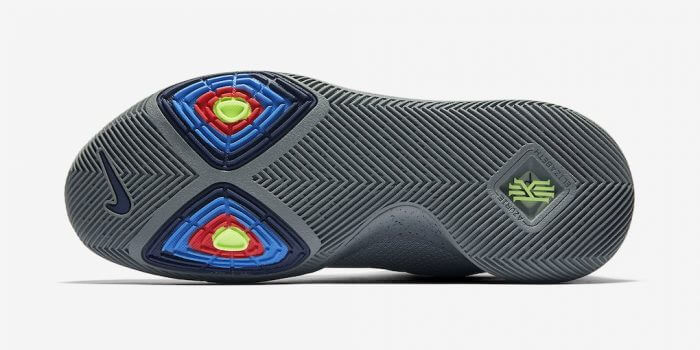
Image Source: d3pnpe87i1fkwu.cloudfront.net
Fathoming the Factors Affecting Grip
Several elements contribute to the effectiveness of your basketball shoe’s traction. Recognizing these factors is the first step in optimizing your performance.
The Court Surface: Your Ground Zero
The type of court you play on significantly impacts your shoe’s grip.
- Wood Courts: These are the gold standard for indoor basketball. When clean and well-maintained, wood courts offer excellent traction. However, dust and debris can quickly reduce their effectiveness.
- Outdoor Courts: Asphalt and concrete surfaces are much rougher and abrasive. While they can offer decent grip initially, they lead to rapid outsole wear. Outdoor courts are also more prone to dirt, grit, and moisture, all enemies of traction.
- Painted Courts: These can vary greatly. Sometimes they are sealed and offer good grip. Other times, the paint can be slippery, especially when wet or worn.
Outsole Wear: The Unavoidable Truth
The rubber on the outsole is designed to flex and grip. As you play, this rubber wears down, becoming smoother and less effective.
- Visible Wear: Look for smooth, worn-down areas, especially on the edges and pivot points of the sole.
- Loss of Tread: The intricate sole patterns are designed to channel away dust and provide biting edges. As these patterns wear down, so does the traction.
Rubber Compounds: The Secret Sauce
The material science behind the rubber used in basketball shoe outsoles is crucial. Different brands and models use various rubber compounds, each with pros and cons.
- Stickier Rubber: Generally offers superior grip but can wear out faster. Often found in shoes designed for indoor play.
- More Durable Rubber: Lasts longer, especially on rougher surfaces, but might sacrifice a bit of initial grip.
- Hybrid Compounds: Many modern shoes aim for a balance, using different rubber formulations in different parts of the outsole.
Environmental Factors: The Unseen Adversaries
Dust, dirt, sweat, and moisture are the arch-nemeses of basketball shoe traction.
- Dust and Debris: These particles get lodged in the sole patterns, creating a barrier between the rubber and the court.
- Sweat: While your feet sweat, it’s usually the court that becomes slick from sweat. However, internal shoe moisture can also reduce grip.
- Moisture: Water on the court creates a slippery film.
Strategies for Enhancing Grip Enhancement
Now that we’ve deciphered the causes of poor traction, let’s explore actionable strategies to improve and maintain it.
The Art of Cleaning Basketball Shoes
Regular and proper cleaning is paramount for maintaining optimal grip. Think of it as essential shoe maintenance.
Routine Cleaning for Peak Performance
- Post-Game Wipe Down: After every session, use a damp cloth or paper towel to wipe down the outsoles. This removes surface dust and debris before it can become deeply embedded.
- Brush Away Loose Dirt: A soft-bristled brush (like an old toothbrush or a dedicated shoe brush) is excellent for dislodging dirt from the sole patterns.
Deeper Cleaning Methods
- Mild Soap and Water: For more stubborn grime, mix a small amount of mild dish soap with warm water. Use a soft brush or cloth to scrub the outsole. Rinse thoroughly with clean water.
- Avoid Harsh Chemicals: Never use abrasive cleaners, solvents, or bleach, as these can damage the rubber compounds and significantly reduce grip.
- Drying: Always air dry your shoes. Avoid direct heat sources like radiators or hairdryers, as this can warp or degrade the materials. Ensure they are completely dry before your next game.
Restoring Worn-Out Soles: The Lifesavers
Even with meticulous cleaning, wear and tear are inevitable. Here are ways to breathe new life into your outsoles.
Traction-Boosting Products
- Grip Sprays and Wipes: Several products are specifically designed to restore and enhance the grip of basketball shoe outsoles. These often contain compounds that reactivate the stickiness of the rubber or fill in minor imperfections. Follow the product instructions carefully.
- Sandpaper/Emery Board: For very smooth, glazed-over outsoles, a light sanding can sometimes help. Use very fine-grit sandpaper (e.g., 220 grit or higher). Gently scuff the outsole in a circular motion. Caution: Be very light-handed; aggressive sanding will accelerate outsole wear. This is best for a quick, temporary fix and should be done sparingly.
The Importance of the Shoe Squeak
That satisfying shoe squeak isn’t just a sound; it’s an indicator of good traction. When you lose the squeak, it’s a clear sign your outsoles are dirty or worn. Focusing on cleaning to regain that squeak is a good way to measure your success.
Understanding Sole Patterns and Their Role
The design of the outsole is not merely aesthetic. Each groove, curve, and lug has a purpose.
- Herringbone Patterns: Offer multi-directional grip, excellent for sharp cuts and stops.
- Circular or Pivot Circles: Located in key areas to facilitate smooth rotations and changes in direction.
- Deep Grooves: Help to channel away dust and debris, maintaining contact between the rubber and the court.
When these patterns are clogged with dirt or worn down, their effectiveness diminishes significantly. Regular cleaning ensures these channels remain open.
Smart Practices for Long-Term Grip
Beyond cleaning, adopting certain playing and storage habits can prolong your shoe’s traction.
Smart Playing Habits
- Know Your Court: Always assess the court surface before playing. If it’s particularly dusty or dirty, take extra care during your warm-up to clean your soles.
- Wipe Your Soles During Play: If you notice a loss of grip during a game, take a moment during a timeout or a break to wipe your outsoles on a clean, dry part of the court or a towel.
- Avoid Playing in Unsuitable Conditions: If possible, avoid playing on very dirty, wet, or rough outdoor courts for extended periods, especially with your best indoor shoes.
Proper Storage: Protecting Your Investment
- Keep Them Dry: Store your basketball shoes in a cool, dry place. Avoid leaving them in damp gym bags or humid environments, as this can promote mildew and degrade materials.
- Separate Them: If possible, don’t just toss them into a bag with other gear. Storing them loosely or in a breathable shoe bag can help prevent damage and odor.
- Stuff Them: Stuffing your shoes with newspaper or shoe trees after play can help them retain their shape and absorb internal moisture.
When to Consider New Basketball Shoes
There comes a point when even the best shoe maintenance won’t bring back lost traction.
Signs It’s Time for a Replacement
- Severely Worn Outsoles: If the rubber is significantly thinned, smooth, or you can see the midsole through the outsole in places, it’s time for new shoes.
- Cracked or Peeling Rubber: This indicates the rubber compound is degrading and will no longer provide reliable grip.
- Loss of Cushioning and Support: While not directly related to traction, the overall integrity of the shoe, including cushioning and support, can be compromised as the outsole wears down.
- Persistent Slipping: If, despite all cleaning efforts, you consistently slip during basic movements, your shoes have likely reached the end of their useful traction life.
Choosing New Basketball Shoes for Optimal Grip
When buying new basketball shoes, consider these factors for maximum traction:
- Brand Reputation: Brands like Nike, Adidas, Under Armour, and Puma often have dedicated research into rubber compounds and sole patterns for high performance.
- Player Reviews: Check reviews from other basketball players. They often highlight the traction capabilities of specific models.
- Intended Use: If you play primarily indoors, prioritize shoes known for excellent hardwood grip. If you play outdoors, look for more durable rubber compounds.
- Sole Pattern Design: Examine the outsole. A well-designed pattern with good tread depth and multi-directional grip is a good indicator.
Practical Tips Table
Here’s a quick reference table for maintaining and improving your basketball shoe traction:
| Action | Frequency | Importance |
|---|---|---|
| Wipe Outsoles | After every use | Removes surface dust, prevents buildup |
| Brush Soles | After every use | Dislodges dirt from tread |
| Deep Clean (Soap & Water) | As needed (e.g., weekly or bi-weekly) | Removes embedded grime |
| Air Dry | After any cleaning | Prevents material damage |
| Light Sanding (Optional) | Sparingly, when grip is severely low | Restores surface texture (use with caution) |
| Store in Cool, Dry Place | Always | Prevents material degradation, odor, mildew |
| Inspect Outsoles | Regularly | Identifies significant wear and tear |
| Use Grip Enhancing Products | When grip noticeably declines | Reactivates rubber or fills imperfections |
Frequently Asked Questions (FAQ)
Q1: How often should I clean my basketball shoes?
A1: It’s best to wipe down the outsoles after every single use. A more thorough cleaning with soap and water should be done as needed, perhaps weekly or bi-weekly depending on how often you play and the condition of the courts.
Q2: Can I use baby wipes to clean my basketball shoes?
A2: Baby wipes can work in a pinch for a quick wipe-down of surface dust. However, they may leave a slight residue that could momentarily affect grip. A damp cloth with water is generally preferred.
Q3: Will playing on concrete ruin the grip on my indoor basketball shoes?
A3: Yes, playing on concrete is much more abrasive than indoor courts. It will significantly increase outsole wear and can damage the rubber compounds, leading to a faster loss of grip and a shorter lifespan for your shoes.
Q4: How do I know if my shoe’s rubber compound is still good?
A4: The rubber compound is still good if it feels slightly tacky to the touch (when clean) and provides a noticeable squeak on a clean court. If the rubber feels hard, smooth, or brittle, it has likely degraded.
Q5: My shoes are only a few months old but have lost grip. What could be the reason?
A5: This could be due to playing on very dusty or dirty courts, not cleaning them regularly, or the specific court surface being particularly abrasive or slippery. The quality of the rubber compound in that particular shoe model might also be a factor.
Q6: Is it okay to wear my basketball shoes as casual shoes?
A6: While tempting, wearing your basketball shoes for casual use, especially on rough surfaces, will accelerate outsole wear and reduce their effectiveness for basketball. It’s best to keep them for court use only to preserve their traction.
By diligently following these tips for cleaning, maintenance, and smart usage, you can significantly extend the life of your basketball shoes and ensure they provide the superior traction you need to perform at your best. Remember, a great player relies on their equipment, and maintaining the grip on your shoes is a fundamental part of that.