
Can you improve the grip on your basketball shoes? Yes, you absolutely can! Whether your favorite kicks are feeling a little slick on the court or you’re looking to boost your performance, there are several effective ways to enhance your basketball shoe traction. This guide will walk you through how to get better grip on basketball shoes today, focusing on practical methods for maximizing court grip and keeping you from experiencing those frustrating slips and slides.
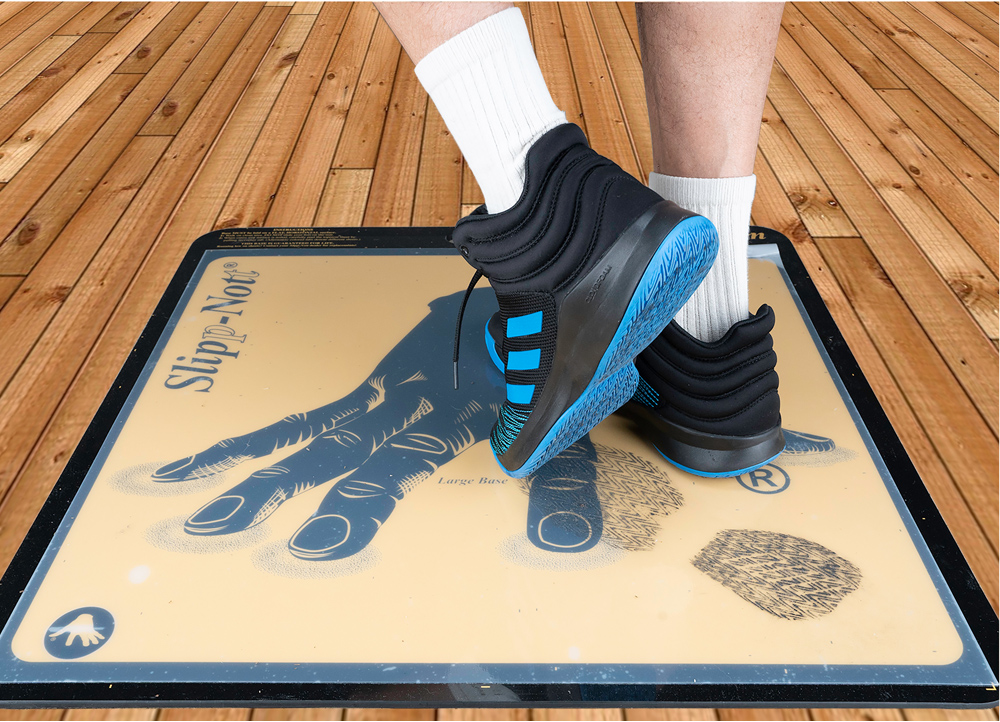
Image Source: slippnott.com
Why Basketball Shoe Traction Matters
A firm grip on the court is crucial for every basketball player. It’s the foundation of quick cuts, explosive drives, and stable defensive stances. Without good basketball shoe traction, you risk more than just losing a step; you risk injuries like ankle sprains and falls that can take you out of the game. Good grip allows you to:
- Accelerate faster: Explode off the ball without your feet sliding.
- Change direction quickly: Make sharp cuts and crossovers with confidence.
- Stop on a dime: Halt your momentum effectively to set up plays or defend.
- Maintain balance: Stay stable during contested rebounds and jump shots.
- Prevent injuries: Reduce the likelihood of slips, trips, and falls.
Deciphering Basketball Shoe Grip: The Science of Stickiness
What makes a basketball shoe sticky? It’s a combination of factors, primarily revolving around the outsole material and its tread pattern.
Outsole Materials: Rubber Matters
Most basketball shoes use rubber outsoles. However, not all rubber is created equal. The type of rubber compound used significantly impacts grip.
- Softer rubber compounds: Generally offer superior grip on most indoor courts. They conform better to the court surface, creating more surface area contact. However, softer rubber tends to wear down faster.
- Harder rubber compounds: Are more durable but may offer slightly less initial grip, especially on dusty courts. They are often found on outdoor basketball shoes.
- “Gum rubber” outsoles: A classic choice for basketball shoes, often associated with excellent basketball shoe traction. Gum rubber is known for its flexibility and ability to adhere well to indoor court surfaces.
Tread Patterns: The Grip Architects
The design of the outsole’s grooves and patterns plays a vital role in channeling dust and debris away, allowing the rubber to make direct contact with the court.
- Herringbone patterns: A very popular and effective pattern, offering multidirectional grip, excellent for quick stops and lateral movements.
- Circular patterns: Can provide good pivot points.
- Wavy or zig-zag patterns: Offer a balance of grip and flexibility.
- Deep grooves: Help to displace dust and moisture.
- Sticky rubber additives: Some manufacturers incorporate specific additives into the rubber compound to increase its tackiness, leading to sticky basketball shoes.
Methods for Improving Sneaker Grip
Now that we know what contributes to good grip, let’s explore how you can improve the grip on your existing basketball shoes.
1. Basketball Shoe Sole Cleaning: The Foundation of Grip
This is the most crucial step for improving sneaker grip. Over time, dust, dirt, sweat, and court debris build up on your shoe soles. This invisible layer acts as a barrier, preventing the rubber from making proper contact with the court surface, significantly reducing basketball shoe traction.
The Essential Cleaning Process
For effective basketball shoe sole cleaning, follow these steps:
-
Preparation: Gather your supplies:
- A soft-bristled brush (an old toothbrush or a dedicated shoe brush works well)
- Warm water
- Mild soap or dish detergent (avoid harsh chemicals)
- A clean cloth or microfiber towel
-
Initial Removal:
- Bang the soles of your shoes together outdoors to dislodge loose dirt and debris.
- Use a dry brush to gently scrub away any remaining surface dirt.
-
Washing the Soles:
- Dip the brush into warm water mixed with a small amount of mild soap.
- Gently scrub the entire surface of the outsole. Pay close attention to the grooves and any textured areas.
- For stubborn grime, you might need to repeat the scrubbing process.
-
Rinsing:
- Wipe the soles clean with a damp cloth to remove soap residue. Make sure no soap is left behind, as this can also make your soles slippery.
- Alternatively, you can briefly rinse the soles under running water, being careful not to get the shoe uppers too wet.
-
Drying:
- Thoroughly dry the soles with a clean, dry cloth.
- Allow the shoes to air dry completely before wearing them on the court. Avoid direct sunlight or heat, as this can damage the rubber.
Frequency: Aim to clean your shoe soles after every few playing sessions, or whenever you notice a significant drop in traction.
2. The “Sweat and Scuff” Method: A Quick Fix
This is a popular and quick method used by many players, especially during games when grip noticeably diminishes. It involves using the natural moisture from your body and the court surface.
How it Works:
- Moisture: Briefly spit on the sole of your shoe (or use a damp cloth if you prefer).
- Abrasion: Quickly scuff the damp sole on the court surface.
This creates a temporary sticky layer by combining the moisture with the court’s dust particles and the rubber of your sole. It’s a temporary solution, but often effective enough to get you through a crucial moment in a game.
3. Using a Grip Enhancer Spray or Liquid
The market offers various shoe grip additives and sprays designed to temporarily boost basketball shoe traction. These products typically work by increasing the tackiness of the rubber.
Popular Options:
- Grip-enhancing sprays: These are usually alcohol-based or contain polymers that dry to a tacky finish.
- Traction liquids: Similar to sprays, these are applied directly to the sole.
Application Tips:
- Clean first: Always clean your soles thoroughly before applying any additive.
- Apply sparingly: A little goes a long way. Over-application can make the soles too sticky and lead to problems with quick stops.
- Test: Test the application in a small, inconspicuous area first.
- Reapplication: These are usually temporary and will need to be reapplied periodically.
Caution: Read product instructions carefully. Some products may be intended for specific court surfaces and could potentially damage certain sole materials if misused.
4. The “Grip Taping” Technique: Targeted Reinforcement
For players looking for an extra edge or dealing with specific areas of their sole that seem to lose grip faster, specialized grip tape can be applied.
What You’ll Need:
- High-traction sports tape: Look for tapes designed for footwear or athletic use that offer good adhesion and a textured surface.
- Scissors: For cutting the tape.
Application Method:
- Clean and Dry: Ensure the sole is perfectly clean and dry.
- Strategic Placement: Identify the areas on your outsole that contact the court most during your movements (e.g., the perimeter of the forefoot, the heel edge).
- Cut and Apply: Cut small pieces of tape and carefully apply them to these high-contact zones. Avoid covering the entire sole, as this can disrupt natural flex and pivot points.
- Smooth Out: Press the tape firmly to ensure no air bubbles are trapped and that the edges are sealed against the sole.
This method is less common but can be effective for grip enhancement for basketball players who have specific needs. It’s a form of shoe sole enhancement that requires precision.
5. Using an Old Towel or Mat: Pre-Game Prep
Before stepping onto the court for practice or a game, a quick wipe down with a slightly damp, rough-textured towel or a dedicated traction mat can help prepare your soles.
How it Works:
The slight moisture and the textured surface of the towel/mat can help remove any fine dust that might have settled on your soles since the last cleaning and give them a minor “wake-up” for better immediate grip.
6. DIY Traction Solutions: When You Need Grip Now
In a pinch, players have resorted to various DIY methods. While some can be effective, they often carry risks of damaging your shoes or the court.
Common DIY Methods (Use with Extreme Caution):
- Sugar Water: A mixture of sugar and water applied to the soles can create a temporary sticky surface.
- Risk: Can leave a sticky residue that attracts more dirt, potentially worsening grip long-term. Can also damage the court if residue is left behind.
- Elmer’s Glue: Applying a thin layer of white school glue and letting it dry can create a slightly tacky surface.
- Risk: Can be difficult to remove, may crack, and could alter the sole’s flexibility.
- Duct Tape (Sticky Side): Some players lightly press the sticky side of duct tape onto their soles.
- Risk: Can leave adhesive residue and may not provide consistent grip.
Recommendation: These DIY methods are generally not recommended for long-term use and should be avoided if possible in favor of proper cleaning and approved enhancers. They can be considered only as a last resort in a critical game situation.
Advanced Grip Enhancement Strategies
Beyond immediate fixes, consider these strategies for long-term basketball shoe traction improvement.
1. Choosing the Right Basketball Shoes for Grip
The best way to ensure good grip is to start with shoes designed for it. When buying new shoes:
- Look for gum rubber outsoles: As mentioned, they often provide superior indoor grip.
- Check the tread pattern: Opt for designs known for excellent multidirectional traction, like herringbone.
- Read reviews: Player reviews often highlight the grip performance of specific models.
2. Investing in Quality Shoe Care Products
Using dedicated basketball shoe cleaners and conditioners can help maintain the integrity of your outsole material, ensuring it performs optimally for longer. This is a form of shoe sole enhancement that focuses on preservation.
3. Understanding Court Conditions
Grip can vary dramatically based on the court.
- Indoor courts: Typically have better grip, but dust is the main enemy.
- Outdoor courts: Often rougher and dirtier, requiring more durable outsoles. Consider dedicated outdoor basketball shoes if you play primarily on asphalt.
4. Replacing Worn-Out Soles
No amount of cleaning or enhancement can bring back grip on a sole that is completely worn smooth. If the tread is gone, it’s time for new shoes. This is the ultimate form of grip enhancement for basketball players – starting with fresh, grippy soles.
Table: Grip Enhancement Methods at a Glance
| Method | Description | Pros | Cons | Best For |
|---|---|---|---|---|
| Sole Cleaning | Removing dirt and debris with water and mild soap. | Essential for all grip; restores original traction. | Requires time and effort; needs consistent application. | All players, all shoes. |
| “Sweat & Scuff” | Using moisture and court friction for temporary stickiness. | Quick, on-the-fly solution during games. | Temporary; can be unhygienic (spitting). | In-game adjustments when traction is lost. |
| Grip Sprays/Liquids | Applying chemical enhancers to the sole. | Can significantly boost tackiness. | Temporary; requires reapplication; potential for misuse. | Players seeking an extra edge, players with slightly worn soles. |
| Grip Taping | Applying specialized tape to high-contact sole areas. | Targeted grip improvement. | Requires precise application; can affect shoe feel; adds cost. | Players with specific grip issues in certain areas. |
| Pre-Game Wipe Down | Using a damp towel or mat before playing. | Quick prep for immediate play. | Only a minor, temporary boost. | Getting ready for a game or practice. |
| DIY Solutions (Caution!) | Using household items like sugar water or glue. | Can provide immediate, albeit risky, grip. | High risk of damage to shoes/court; inconsistent results. | Emergency situations only, not recommended. |
| Choosing Grippy Shoes | Selecting shoes with appropriate materials and tread patterns from the start. | Long-term performance; optimal starting grip. | Requires purchasing new equipment; needs research. | New shoe buyers. |
| Proper Shoe Care | Using dedicated cleaners and conditioners. | Maintains sole integrity; extends shoe life. | Requires investment in specific products. | Players who want to preserve their shoes’ performance. |
| Replacing Worn Soles | Buying new shoes when the outsole is no longer functional. | Restores maximum possible grip. | Most expensive solution; requires knowing when to replace. | Players with significantly worn-out shoes. |
Frequently Asked Questions (FAQ)
Q1: Will cleaning my basketball shoes really make a difference?
A1: Absolutely! Think of it like cleaning the tires on your car. Dirt and debris on your shoe soles act as a barrier, preventing the rubber from gripping the court surface effectively. Regular cleaning is the single most important step to restore and maintain basketball shoe traction.
Q2: Can I use household cleaners on my basketball shoe soles?
A2: It’s best to use mild soap (like dish soap) and warm water. Avoid harsh chemicals, bleach, or abrasive cleaners, as they can damage the rubber compound and permanently reduce your shoe traction.
Q3: How often should I clean my basketball shoe soles?
A3: For optimal performance, aim to clean them after every few games or practices, or whenever you notice a significant decrease in grip. If you play frequently on dusty courts, you might need to clean them more often.
Q4: Are “sticky basketball shoes” always better?
A4: “Sticky” usually refers to shoes with very high tackiness, which is great for indoor courts. However, if the soles become too sticky, you might have trouble performing quick pivot moves, and they might wear out faster. The goal is to have optimal basketball shoe traction, not necessarily the stickiest possible.
Q5: Can I modify my basketball shoes to get better grip?
A5: While some players use grip tape, extensive modifications are generally not recommended. The most effective way to improve grip without damaging your shoes is through proper cleaning and using approved shoe grip additives.
Q6: How do I prevent slipping on dusty courts?
A6: Consistent basketball shoe sole cleaning is key. Before playing, quickly wipe your soles on a damp towel or use a grip spray. During games, the “sweat and scuff” method can provide a quick, temporary solution.
Q7: How long do grip enhancement sprays last?
A7: The duration varies depending on the product and how intensely you play. Generally, they offer a temporary boost and may need reapplication every game or two.
Q8: My shoes are old and the soles are smooth. Can I still improve their grip?
A8: If the rubber has worn smooth, its ability to grip is severely compromised, regardless of cleaning or additives. At this point, it’s best to invest in a new pair of basketball shoes with good non-slip basketball shoes characteristics designed for performance.
In conclusion, achieving and maintaining excellent basketball shoe traction is fundamental to your game. By prioritizing basketball shoe sole cleaning, being mindful of court conditions, and employing simple yet effective techniques, you can significantly improve your sneaker grip and prevent slipping basketball plays from hindering your performance. Remember, well-maintained shoes are an extension of your skill, providing the confidence to make every cut, drive, and defensive stop count.