
Can you make a living playing basketball internationally? Yes, you absolutely can! Playing pro basketball abroad offers a pathway for talented players to continue their careers, experience new cultures, and earn a living doing what they love. This guide will walk you through the essential steps and considerations for launching a successful basketball career overseas. From finding international basketball leagues to signing basketball contracts overseas, we’ve got you covered.
Moving to play basketball in a foreign country is an exciting prospect. It’s more than just playing the game; it’s about adapting to new environments, understanding different playing styles, and navigating the logistics of international living. This journey requires dedication, research, and a proactive approach. Whether you’re aiming for the highly competitive European basketball leagues or exploring opportunities in the burgeoning Asian basketball leagues, this comprehensive guide will equip you with the knowledge needed to succeed.
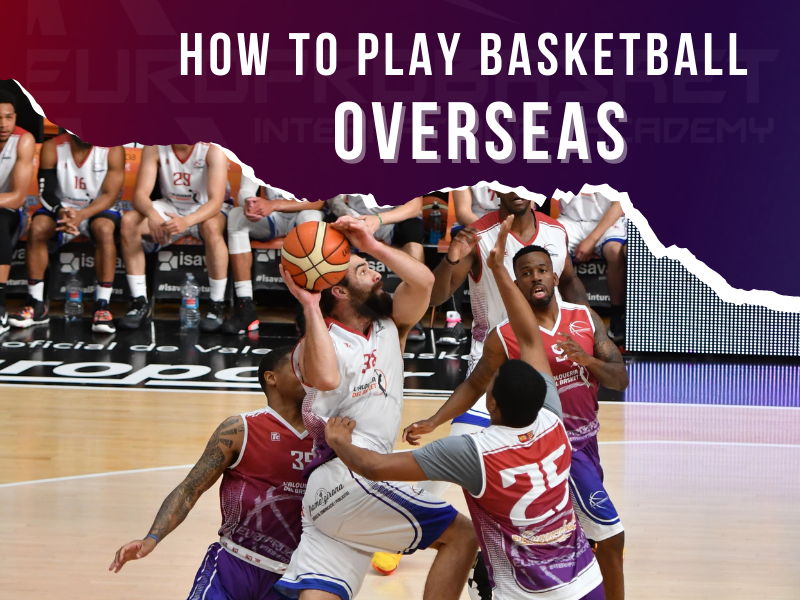
Image Source: europrobasket.com
Deciphering the Overseas Basketball Landscape
The world of professional basketball extends far beyond the NBA. Numerous countries boast robust international basketball leagues that provide excellent opportunities for players seeking a professional career. These leagues vary in skill level, financial compensation, and playing style, offering a diverse range of options for athletes.
Global Hotspots for Professional Basketball
Many nations have developed strong basketball infrastructures and professional leagues. Some of the most prominent and sought-after destinations include:
- Europe: Traditionally a powerhouse for basketball, Europe offers a wide array of competitive leagues.
- Spain (Liga ACB): Consistently ranked among the best leagues outside the NBA, known for its high level of talent and physicality.
- Turkey (BSL): A league with significant investment and passionate fan bases, attracting top European and international talent.
- Greece (Basket League): Home to historic clubs with rich European competition pedigrees.
- Italy (LBA Serie A): Another historic league with a strong tradition and a good level of play.
- France (LNB Pro A): A rapidly growing league with increasing talent and competitiveness.
- Germany (BBL): Known for its well-organized clubs and strong fan support.
- Lithuania (LKL): A nation deeply passionate about basketball, producing many NBA and international stars.
- Asia: The Asian basketball market is expanding rapidly, with increasing opportunities and investment.
- China (CBA): One of the richest leagues in the world, offering substantial contracts, though it can be competitive to enter.
- Philippines (PBA): The second oldest professional basketball league in the world, with a unique and exciting style of play.
- Japan (B.League): A dynamic and growing league that has seen significant investment in recent years.
- South Korea (KBL): A well-established league with a loyal following.
- Other Regions: Opportunities also exist in other parts of the world, including:
- Australia (NBL): A developing league with increasing international recognition.
- South America: Leagues in countries like Argentina and Brazil offer professional opportunities.
- Middle East: Leagues in Qatar, Lebanon, and Saudi Arabia are also gaining prominence.
Each league has its own unique characteristics, salary structures, and cultural nuances. Researching these differences is crucial to finding the best fit for your skills and career aspirations.
Understanding Player Needs and League Demands
When considering playing pro basketball abroad, it’s essential to match your skill set and playing style with what leagues are looking for. Different leagues emphasize different aspects of the game:
- Physicality: Some leagues, particularly in Europe, are known for their physical play and defensive intensity.
- Pace: Others might feature a faster, more up-tempo style of play, common in some Asian leagues.
- Skill Set: Leagues often seek specific player archetypes – sharpshooters, lockdown defenders, playmakers, or dominant big men.
Many international basketball leagues utilize import player quotas. These are regulations that limit the number of foreign players a team can have on its roster. Understanding these quotas is vital for players aiming to secure basketball contracts overseas. Often, leagues have separate rules for players from within their continent versus those from outside.
Building Your Profile for Overseas Opportunities
To get noticed by international teams, you need a professional and compelling presentation of your skills and experience.
Crafting a Professional Highlight Reel
Your highlight reel is often the first impression you make. It should be concise, impactful, and showcase your best plays.
- Quality over Quantity: Aim for 3-5 minutes of high-quality footage.
- Showcase Variety: Include offensive skills (shooting, dribbling, passing, finishing) and defensive plays (steals, blocks, good positioning).
- Highlight Game IQ: Show smart passes, defensive rotations, and strong decision-making.
- Recent Footage: Use your most recent game footage.
- Clear Presentation: Ensure good lighting and clear audio. Edit out unnecessary pauses or downtime.
- Label Clearly: Name your file professionally (e.g., “FirstNameLastName_PG_Highlights.mp4”).
Developing a Strong Player Resume
Your resume should provide a comprehensive overview of your basketball journey.
- Personal Information: Name, position, height, weight, nationality.
- Playing Experience: List all teams you’ve played for, starting from college or high school, including leagues, years, and any notable achievements.
- Accomplishments: Detail any awards, championships, All-Star selections, or significant statistics.
- Contact Information: Professional email address and phone number.
- Social Media/Website: Links to your highlight reel or professional player website if you have one.
Securing Strong References
Coaches, trainers, or former teammates who can speak to your character, work ethic, and on-court abilities are invaluable. Ensure your references are aware you are seeking overseas opportunities and have their contact information readily available.
Navigating Basketball Tryouts Overseas
Basketball tryouts overseas are a primary way to get scouted by international teams. These can range from open tryouts hosted by teams themselves to combines organized by agents or scouting services.
Types of Tryouts
- Team-Specific Tryouts: Some clubs will hold their own tryouts, often for local or regional talent, but occasionally for international players. These are usually advertised on the team’s website or through league channels.
- Agent/Scouting Combines: Professional basketball agents and scouting services frequently organize events where players can showcase their skills in front of international scouts and coaches. These often come with a fee.
- Invitational Combines: Top players may receive invitations to prestigious combines based on their performance and reputation.
Preparing for Tryouts
Thorough preparation is key to maximizing your chances at any tryout.
- Research the League and Teams: Know which leagues and teams are actively recruiting for your position. Understand their playing style and needs.
- Physical Conditioning: Be in peak physical condition. Overseas seasons are long and demanding.
- Skill Refinement: Focus on your strengths and work on any perceived weaknesses that might be holding you back.
- Mental Preparation: Be ready to perform under pressure. Visualize success and maintain a positive attitude.
- Logistics: If traveling for a tryout, book flights and accommodation in advance. Ensure your passport is valid and you have any necessary visas.
What Scouts Look For
Scouts at tryouts are evaluating more than just raw talent. They’re looking for:
- Skill Level: Shooting, dribbling, passing, defense, rebounding.
- Basketball IQ: Decision-making, court vision, understanding of plays.
- Athleticism: Speed, agility, strength, jumping ability.
- Work Ethic: How you approach drills, effort level.
- Coachability: How you respond to instructions and feedback.
- Attitude and Character: Teamwork, positive communication, resilience.
- Adaptability: Your ability to adjust to different situations and coaching styles.
The Role of Professional Basketball Agents
A good professional basketball agent can be an invaluable asset in your pursuit of a basketball career overseas. They act as your representative, negotiator, and career advisor.
How Agents Help
- Access to Opportunities: Agents have established relationships with teams and coaches worldwide. They know which teams are looking for players and can present your profile directly to decision-makers.
- Contract Negotiation: They are skilled negotiators who understand market values and can secure the best possible basketball contracts overseas for you, covering salary, bonuses, housing, travel, and other benefits.
- Career Guidance: Agents can offer strategic advice on which leagues and teams best suit your development and long-term career goals.
- Logistical Support: They can assist with travel arrangements, visa applications, and other administrative tasks.
- Troubleshooting: Agents can help resolve disputes or issues that may arise during your contract.
Finding a Reputable Agent
- Networking: Talk to coaches, former teammates, or other players who have played overseas.
- Research: Look for agents who specialize in international basketball placements and have a proven track record. Websites and basketball forums can be good resources.
- Referrals: Personal recommendations are often the most reliable.
- Due Diligence: Before signing with an agent, ask for references, understand their commission structure (typically 10-20% of your earnings), and ensure you feel comfortable and confident in their abilities.
- Contract with Agent: Always have a written agreement with your agent that clearly outlines their responsibilities and your agreement.
Securing Basketball Contracts Overseas
The contract is the official agreement that governs your employment with a team. It’s crucial to thoroughly review and understand every clause.
Key Components of a Basketball Contract
- Salary: The base pay you will receive, usually paid in monthly installments.
- Bonuses: Performance-based bonuses (e.g., for winning championships, individual awards) or signing bonuses.
- Duration: The length of the contract, including start and end dates.
- Housing: Whether the team provides accommodation or a housing stipend.
- Travel: Reimbursement for flights to and from the country, and potentially within the country.
- Insurance: Health insurance coverage for the duration of the contract.
- Food/Per Diems: Allowances for meals or daily living expenses.
- Work Visa/Work Permit: The team’s responsibility to assist in obtaining these.
- Opt-Out Clauses: Provisions allowing either party to terminate the contract under specific conditions.
- Termination Clauses: Conditions under which the contract can be voided by either party.
- Image Rights: How your image can be used by the team.
- Buyout Clauses: The amount a team would have to pay to release you from your contract, or vice-versa.
Negotiating Your Contract
Even if you have an agent, understanding the negotiation process is beneficial.
- Know Your Worth: Research average salaries for players with similar experience in the league you’re targeting.
- Prioritize: Decide what aspects of the contract are most important to you (e.g., salary, guaranteed money, housing quality).
- Be Professional: Maintain a respectful and professional demeanor throughout negotiations.
- Read Carefully: Never sign a contract you don’t fully comprehend. Ask your agent to clarify any ambiguous terms.
Preparing for the Transition: Moving to Play Basketball
Moving to play basketball overseas involves significant logistical and personal preparation.
Visa and Work Permit Requirements
- Research Early: Visa requirements vary significantly by country. Start researching well in advance of your contract signing.
- Team Assistance: Your team and agent should provide guidance and support in securing the necessary travel documents.
- Documentation: Be prepared to provide birth certificates, police clearances, medical records, and passport photos.
Financial Planning
- Budgeting: Create a budget for your first few months, as it can take time to receive your first paychecks and settle in.
- Banking: Research international banking options and understand currency exchange rates.
- Taxes: Familiarize yourself with tax obligations in both your home country and the country where you will be playing.
Cultural Adaptation
- Learn the Language: Even a few basic phrases can make a huge difference in daily interactions.
- Research Culture: Read about local customs, etiquette, and traditions to avoid misunderstandings.
- Be Open-Minded: Embrace the new culture and be willing to try new things.
- Build a Support Network: Connect with other expats or locals who can help you navigate your new surroundings.
Health and Fitness
- Pre-Departure Check-up: Get a comprehensive physical and dental check-up before you leave.
- Vaccinations: Ensure you have any necessary vaccinations for your destination country.
- Fitness Maintenance: Continue your training regimen to stay in peak condition.
Developing Your International Basketball Experience
Playing overseas is a continuous learning process, offering opportunities for growth both on and off the court.
Adapting Your Game
- New Styles of Play: Be prepared to adapt to different offensive and defensive schemes.
- Off-Court Discipline: Adhere to team rules and schedules, which can be stricter in some international environments.
- Continuous Improvement: Focus on developing new skills and becoming a more well-rounded player.
Building Your Global Network
- Teammates and Staff: Build strong relationships with your teammates, coaches, and team staff.
- Other Players: Connect with players from other teams in the league – they can be valuable sources of information and support.
- Local Community: Engage with the local community to enrich your experience.
Future Opportunities
- Advancing Your Career: Success in one league can open doors to more lucrative and competitive international basketball leagues.
- Coaching or Scouting: Many players transition into coaching or scouting roles after their playing careers.
- Long-Term Career: The experience gained playing overseas can be invaluable for a sustained basketball career overseas.
Frequently Asked Questions (FAQ)
Q1: How much can I expect to earn playing basketball overseas?
A1: Earnings vary widely. Entry-level contracts in less prominent leagues might start around $1,000-$3,000 USD per month, while top leagues like Spain or Turkey can offer anywhere from $50,000 to $500,000+ USD annually, depending on the player’s profile and the team’s budget. Housing, food, and travel are often included or provided as stipends.
Q2: Do I need an agent to play overseas?
A2: While not strictly mandatory, a reputable professional basketball agent significantly increases your chances of finding quality opportunities and securing favorable basketball contracts overseas. Agents have the networks, knowledge, and negotiation skills to navigate the complex international market.
Q3: What are the best European basketball leagues for a newcomer?
A3: Leagues in countries like Germany, France, Italy, or even some lower divisions in Spain can be excellent starting points for players new to the European game. They offer a good balance of competition, development, and financial stability.
Q4: How do I get basketball scholarships abroad?
A4: Basketball scholarships abroad are more commonly associated with the US collegiate system. However, some European universities offer athletic scholarships, though these are less prevalent than in the US. Your best bet for playing professionally overseas is through contracts, not scholarships, unless you’re referring to athletic opportunities within a university setting.
Q5: What if I’m not a star player? Can I still play professionally overseas?
A5: Absolutely. Many international basketball leagues have multiple divisions and teams at different competitive levels. Your role might be as a role player, a defensive specialist, or a dependable scorer. Consistency, a strong work ethic, and a good attitude are highly valued, even if you’re not the top scorer.
Q6: How long does the process of finding a team and securing a contract typically take?
A6: The process can take anywhere from a few months to over a year. It often starts with promoting your highlights and resume, attending tryouts or combines, and then waiting for offers. The recruiting cycle for international basketball leagues often begins several months before the season starts.
Q7: What are the visa requirements for playing basketball overseas?
A7: Visa requirements depend entirely on your nationality and the destination country. Generally, you’ll need a work visa or a professional athlete visa, which your team will sponsor and help you obtain. This usually involves providing proof of employment (your contract), a clean criminal record, and medical clearances.
Q8: Is it possible to play in multiple countries throughout my career?
A8: Yes, many players have extensive careers playing in several different countries. Success in one league can lead to better offers in others, allowing you to experience diverse cultures and styles of basketball. This is a common path for building a long and fulfilling basketball career overseas.