
To become a referee in basketball, you typically need to complete a basketball officiating certification course, study the basketball rule book thoroughly, attend basketball officiating clinics, and potentially join a referee association. Can you become a basketball ref without certification? While some lower-level leagues might not require formal certification, most organized basketball, from youth leagues to professional levels, mandates it. So, to be a successful and respected basketball ref, certification is generally essential.
Embarking on a career as a basketball referee is a rewarding journey that combines a passion for the game with the crucial responsibility of ensuring fair play. Becoming a basketball ref involves more than just blowing a whistle; it requires dedication to learning the rules, honing specific skills, and embracing a commitment to impartiality. This guide will walk you through the essential steps to success on the court.
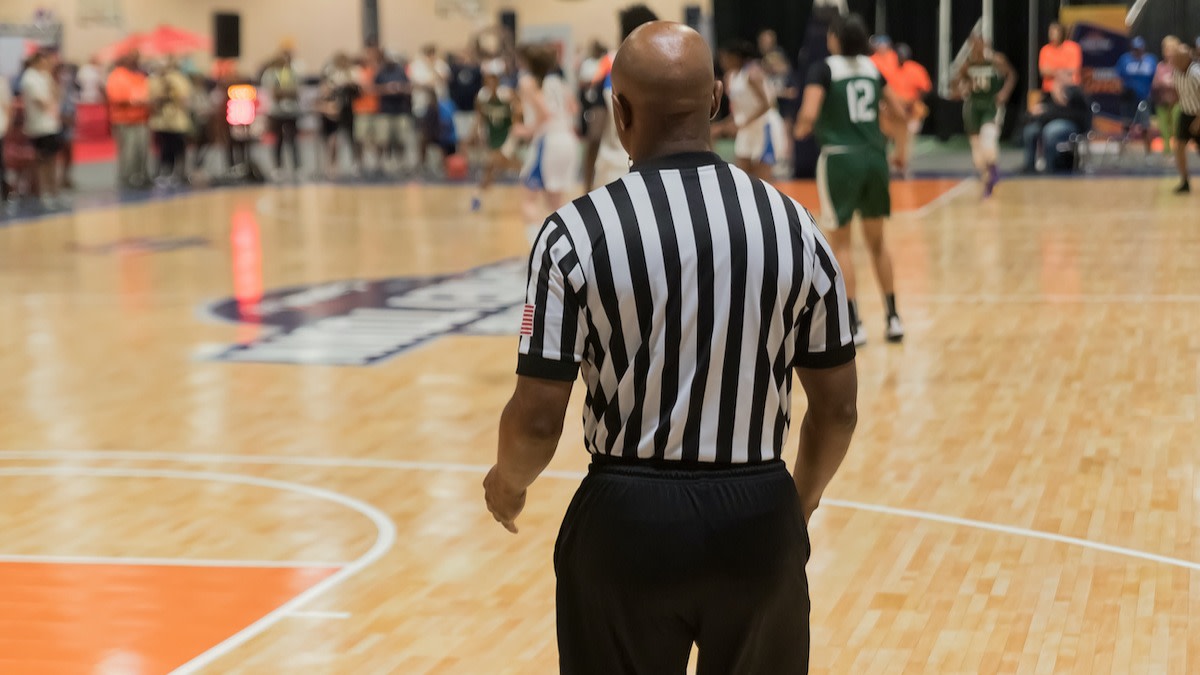
Image Source: images.ctfassets.net
The Foundation: Learning the Game and its Rules
At the heart of successful basketball officiating lies a deep and accurate grasp of the rules. This isn’t just about memorizing regulations; it’s about interpreting them correctly in the fast-paced environment of a game.
Deciphering the Basketball Rule Book
The official basketball rule book is your primary tool. Whether you’re officiating youth basketball or aiming for high school basketball games, a thorough understanding of the rule book is paramount. This includes not only the core rules of play but also the nuances of fouls, violations, and timing.
- Key Areas to Focus On:
- Violations: Traveling, double dribble, carrying, goaltending, basket interference, shot clock violations, backcourt violations.
- Fouls: Personal fouls (blocking, charging, holding, pushing), technical fouls, flagrant fouls.
- Scoring: Legal field goals, free throws.
- Player Control: Jump balls, out-of-bounds, inbounding the ball.
- Bench and Coach Conduct: Penalties for unsportsmanlike behavior.
Regularly revisiting and studying the rule book is a continuous process. As rules evolve and interpretations are clarified, staying updated ensures you are applying the most current standards.
Developing Essential Basketball Referee Skills
Beyond rule knowledge, several key skills are crucial for effective basketball officiating. These are honed through practice, experience, and specific training.
Communication and Court Presence
Effective communication is vital. Referees must clearly signal calls, communicate with players, coaches, and fellow officials, and maintain a calm, authoritative presence on the court.
- Signaling: Learning and consistently using correct hand signals is crucial for clarity. This ensures players, coaches, and spectators know what call has been made.
- Verbal Communication: Speaking clearly and respectfully to players and coaches, even when delivering a penalty, is important for maintaining control and professionalism.
- Non-Verbal Communication: Your body language and court positioning speak volumes. Projecting confidence and control can prevent many minor issues before they escalate.
Positioning and Observation
Being in the right place at the right time is a hallmark of a great referee. This allows for accurate observation of plays and violations.
- Lead and Trail Positions: Understanding your role in relation to the ball and players is key for seeing plays unfold from the best angles.
- Anticipation: Great referees anticipate the flow of the game, positioning themselves to see potential fouls or violations before they happen.
- Vision Control: Learning to scan the entire court, not just focusing on the ball, helps in identifying illegal contact or other infractions that might occur away from the immediate action.
Game Management and Impartiality
Maintaining control of the game and remaining impartial are perhaps the most critical aspects of refereeing.
- Flow of the Game: Allowing the game to flow while still enforcing the rules is a delicate balance. Knowing when to let players play and when to blow the whistle is a learned skill.
- Dealing with Coaches and Players: Handling disagreements, technical fouls, and ejections requires a calm and consistent approach.
- Fairness: Every call must be made without bias, treating both teams equally.
The Path to Certification: Formalizing Your Skills
To be recognized as a competent basketball official, obtaining formal certification is usually the next significant step. This process validates your knowledge and commitment.
Basketball Officiating Certification
The specific requirements for basketball officiating certification can vary depending on your location and the governing bodies of basketball (e.g., state athletic associations, national organizations). However, the general process involves several key components.
Acquiring a Basketball Officiating Certification
- Locate a Certifying Body: Identify the official organization responsible for referee certification in your state or region. This might be a state high school athletic association, a local referee association, or a national officiating body.
- Enroll in a Course or Clinic: Most certification processes require participation in a structured referee training program. These programs are designed to teach you the rules, mechanics, and best practices of officiating.
- Pass Written Examinations: You will likely need to pass written tests that assess your knowledge of the basketball rule book. These tests often cover a wide range of scenarios and rule interpretations.
- Pass Practical Evaluations: Many certifications include practical assessments where your officiating skills are evaluated on the court. This might involve observing you work in scrimmages or actual games.
- Meet Other Requirements: This could include age requirements, background checks, or adherence to a code of conduct.
Referee Training Program Components
A good referee training program will cover:
- In-depth Rule Study: Going beyond the basics to explore complex scenarios and rule interpretations.
- Officiating Mechanics: Proper positioning, signaling, and communication techniques.
- Game Management Strategies: How to handle different game situations and personalities.
- Physical Fitness: The importance of being in good physical condition to keep up with the pace of the game.
- Ethical Conduct: Upholding the integrity and professionalism of officiating.
Enhancing Your Expertise: Clinics and Associations
Once you have your initial certification, continuous learning and professional development are key to advancing your career and refining your basketball referee skills.
Basketball Officiating Clinics
Attending basketball officiating clinics is a cornerstone of ongoing improvement. These events provide opportunities to learn from experienced officials, discuss rule interpretations, and practice skills.
Benefits of Attending Basketball Officiating Clinics
- Advanced Rule Interpretation: Discussing complex or controversial rule interpretations with seasoned veterans.
- Mechanics Refinement: Getting feedback on your positioning, signaling, and overall court presence.
- Networking: Connecting with other officials, which can lead to mentorship and more game opportunities.
- Staying Current: Learning about any rule changes or new directives from governing bodies.
- Scenario Practice: Working through simulated game situations to build confidence and decision-making abilities.
Many organizations offer specialized clinics for different levels of play, from youth basketball refereeing to high school and collegiate levels.
Referee Association Membership
Joining a local or regional referee association offers numerous benefits for aspiring and established basketball referees.
Advantages of Referee Association Membership
- Access to Training: Associations often organize their own clinics and training sessions.
- Mentorship Programs: Experienced members can guide newer officials.
- Game Assignments: Associations are typically responsible for assigning officials to games in their area.
- Networking Opportunities: Building relationships with fellow officials and assigners.
- Support System: A community to share experiences and advice with.
- Advocacy: Associations often advocate for fair treatment and compensation for their members.
Becoming a member of a referee association is a proactive step towards building a reliable network and securing consistent officiating opportunities.
Starting Your Officiating Journey: From Youth to High School
The progression in basketball officiating often starts at the lower levels and gradually moves towards more competitive games.
Youth Basketball Refereeing
Officiating youth basketball is an excellent starting point for anyone new to the field. It provides a low-pressure environment to learn the fundamentals.
Key Considerations for Youth Basketball Refereeing
- Focus on Development: The primary goal is to teach the game and foster a positive experience for young players.
- Rule Flexibility (in some cases): Some youth leagues may have modified rules to suit younger players, so it’s important to be aware of these specific league rules.
- Player and Parent Interaction: You will likely encounter more parental involvement and potentially emotional reactions from both players and parents. Maintaining composure and a focus on fair play is critical.
- Building Fundamental Skills: This level is perfect for practicing your positioning, signaling, and basic game management.
Getting Youth Basketball Referee Assignments
- Contact Local Leagues: Reach out to youth basketball leagues in your area directly.
- Join a Referee Association: Many associations assign officials to youth games.
- Volunteer: Some organizations may welcome new referees to volunteer their time to gain experience.
High School Basketball Referee
Officiating high school basketball is a significant step up in terms of the competitive level and the expectations placed upon referees.
Basketball Referee Requirements for High School
- Formal Certification: High school officiating almost always requires a recognized certification through a state athletic association or a similar body.
- Experience: While not always an explicit requirement, having prior experience in lower-level games is highly beneficial and often preferred by assigners.
- Knowledge of Rules: A comprehensive understanding of the official basketball rule book and its interpretations is essential.
- Physical Fitness: The pace of high school games demands a good level of cardiovascular fitness.
- Professionalism: Maintaining a professional demeanor, appropriate attire, and effective communication with coaches and players is paramount.
Advancing to High School Basketball Refereeing
- Gain Experience at Lower Levels: Start with youth leagues, intramural sports, or even junior high games.
- Excel in Clinics and Training: Continuously attend clinics and seek feedback to improve your skills.
- Build a Reputation: Be punctual, prepared, fair, and professional in every game you officiate.
- Connect with Assigners: Develop good relationships with the people who assign referees to games. Let them know you are interested in higher-level assignments.
Continuously Improving Your Game
Becoming a successful basketball referee isn’t a destination; it’s an ongoing process of learning and refinement.
Assessing Your Performance
Self-reflection and feedback are powerful tools for improvement.
Evaluating Your Officiating
- Post-Game Analysis: After each game, take a few minutes to reflect on your performance. What calls did you make correctly? Were there any calls you second-guessed? How was your positioning?
- Seek Feedback: Ask experienced referees, mentors, or assigners for constructive criticism. Be open to hearing what you can do better.
- Watch Game Film: If possible, review recordings of games you’ve officiated. This provides an objective look at your positioning, mechanics, and decision-making.
Embracing the Professionalism of Basketball Officiating
Referees are ambassadors for the game. Upholding a high standard of professionalism is crucial.
Professional Conduct on and off the Court
- Punctuality and Preparation: Always arrive early for games, dressed appropriately, and with all necessary equipment.
- Respect for All Participants: Treat players, coaches, administrators, and fellow officials with respect, regardless of the situation.
- Maintaining Neutrality: Avoid engaging in conversations with coaches or players about past calls or future assignments.
- Continuous Learning: Stay committed to attending clinics, studying rules, and seeking opportunities to improve.
Frequently Asked Questions (FAQ)
Here are some common questions about becoming a basketball referee:
Q1: What is the average salary for a basketball referee?
A: Referee pay varies significantly based on the level of play (youth, high school, college, professional), the organization, and the geographic location. Youth league referees might earn a modest stipend per game, while professional referees earn substantially more.
Q2: How long does it take to become a certified basketball referee?
A: The time it takes can vary. Initial certification might take anywhere from a few days to a few weeks, depending on the course structure and your study pace. However, becoming an experienced and highly sought-after referee takes years of consistent officiating and continuous learning.
Q3: Can I officiate basketball games if I’m still a player?
A: In many cases, yes, but it depends on the league’s policies. Some organizations may have rules against officials who are also actively playing in a related capacity to avoid conflicts of interest. It’s best to check the specific rules of the leagues you wish to officiate.
Q4: What are the physical basketball referee requirements?
A: Referees need to be in good physical condition. This includes having good stamina to keep pace with the game, agility for quick movements and proper positioning, and good eyesight. Regular physical activity and maintaining a healthy lifestyle are recommended.
Q5: What is the most important basketball referee skill?
A: While many skills are crucial, impartiality and game management are often considered the most important. Being fair to all teams and maintaining control of the game environment ensures a positive experience for everyone involved.
By following these steps, dedicating yourself to learning, and consistently striving for improvement, you can successfully embark on a fulfilling career as a basketball referee. The court awaits your sharp eye and fair whistle!