
Thinking about building your own indoor basketball court? You’re likely wondering, “How much does an indoor basketball court cost?” The price can range from $30,000 to over $500,000, depending on size, materials, features, and whether it’s for residential or commercial use. This guide will break down all the factors that go into indoor basketball court construction cost, helping you plan your project.
Building a dedicated space for your basketball passion is a significant investment. Whether you dream of a professional-grade facility or a cozy home court for family fun, many elements contribute to the final price tag. This article aims to provide a clear picture of backyard basketball court pricing, residential basketball court installation cost, outdoor basketball court expenses (for comparison), professional basketball court costs, commercial basketball court construction budget, indoor sports court pricing, private basketball court construction estimate, home basketball court installation prices, and the critical aspect of basketball court surfacing costs.
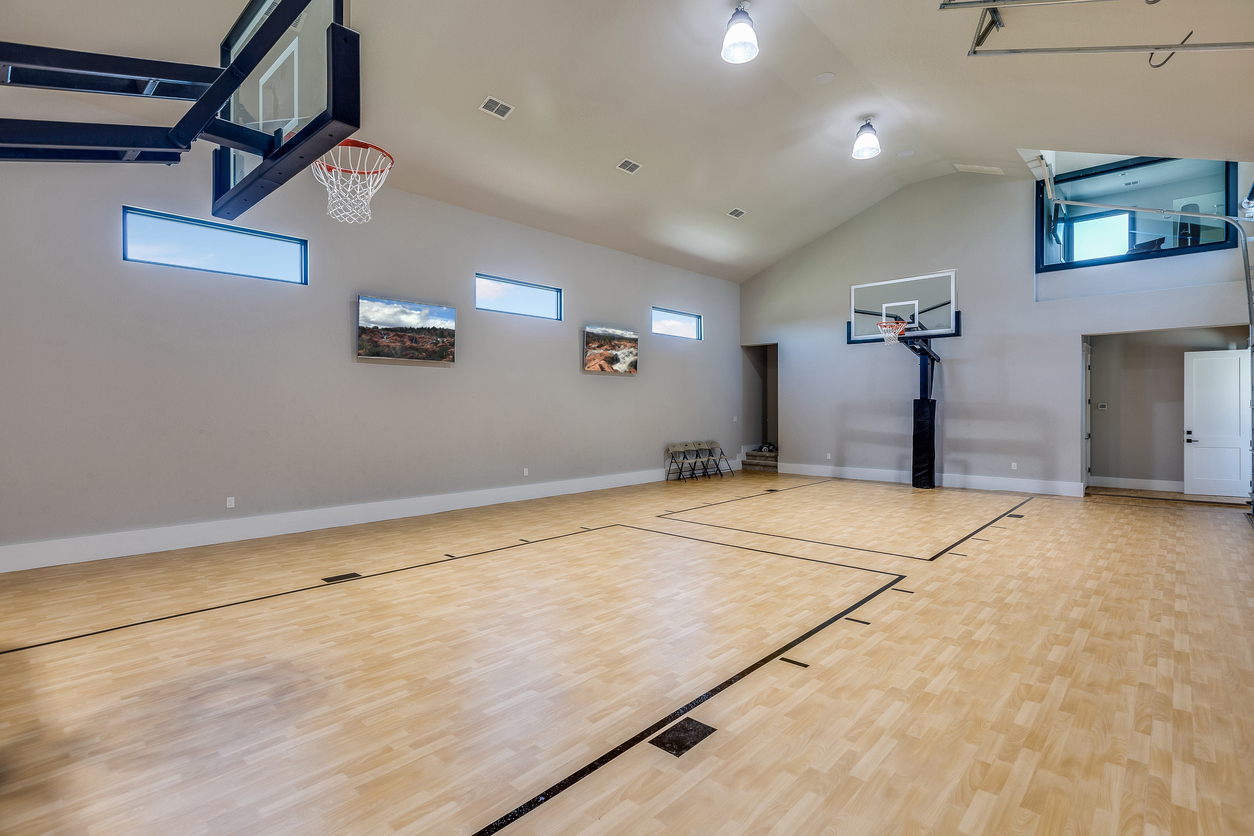
Image Source: www.dominatorhoop.com
The Foundation: Site Preparation and Excavation
Before any court material is laid, the ground needs to be ready. This first step is crucial for a stable and long-lasting court.
Site Assessment and Clearing
- Initial Survey: A professional will assess your chosen location. They check for soil stability, drainage, and any underground utilities. This can cost a few hundred dollars.
- Demolition (if needed): If you’re building over an existing structure or patio, demolition costs apply. This varies widely, from $500 to $5,000 or more.
- Excavation: Digging out the area to the required depth is essential. For a standard court, this involves removing a significant amount of soil. Prices range from $1,000 to $5,000, depending on the size of the court and local labor rates.
Grading and Compaction
- Leveling the Ground: The excavated area must be perfectly level. Professionals use specialized equipment for this. Expect to pay between $500 and $2,000 for grading.
- Soil Compaction: Compacted soil provides a solid base. This prevents settling and ensures the court surface remains even. This process might add $300 to $1,000 to your costs.
The Structure: Building the Enclosure
For an indoor court, the enclosure is a major expense. This includes the foundation, walls, and roof.
Foundation Work
A strong foundation is vital for any structure.
- Concrete Slab: Most indoor courts use a reinforced concrete slab. The thickness depends on the intended use and expected load. A standard 4-inch slab might cost $6-$12 per square foot. For a 50ft x 94ft court (a common high school size), this alone could be $28,200 to $56,400.
- Rebar Reinforcement: Steel reinforcing bars add strength to the concrete. This is typically included in the per-square-foot cost of concrete but can add to the overall material expense.
Wall Construction
The walls keep the weather out and contain the game.
- Framing: Wood or metal studs are used to build the wall structure.
- Sheathing: Plywood or OSB (Oriented Strand Board) covers the framing.
- Exterior Finish: This could be anything from simple siding to brick or stucco, affecting the outdoor basketball court expenses if the building is visible. Costs vary greatly based on material choice, from $10 to $50+ per square foot of wall area.
Roofing
A robust roof is essential for weather protection and acoustics.
- Trusses/Rafters: The structural framework for the roof.
- Sheathing: Plywood or OSB covers the roof structure.
- Roofing Material: Options include metal, asphalt shingles, or even specialized membrane roofing for large commercial spaces. Metal roofing is popular for its durability and lifespan. Expect to pay $5-$15 per square foot for basic roofing.
Size Matters: Court Dimensions and Enclosure Costs
The size of your indoor court directly impacts construction costs. Common indoor court sizes range from:
- Residential/Practice Courts: 30ft x 50ft to 50ft x 70ft.
- High School Regulation: 50ft x 84ft.
- College/Professional Regulation: 50ft x 94ft.
For a 50ft x 94ft court, the enclosed structure (foundation, walls, roof) could easily add $100,000 to $300,000+ to the total cost, depending on the quality of materials and design complexity.
The Playing Surface: Basketball Court Surfacing Costs
This is where the magic happens – the court itself! The choice of surfacing significantly impacts the feel of the game and the price.
Types of Indoor Basketball Court Surfaces
- Hardwood (Maple): The gold standard for professional and collegiate play. It offers excellent ball bounce, shock absorption, and a classic look.
- Cost: $10 – $25+ per square foot.
- Pros: Superior performance, aesthetics, durability.
- Cons: High cost, requires meticulous maintenance, susceptible to moisture.
- Vinyl/Rubber (Roller Rink Type): These are often pre-fabricated tiles or rolled sheets. They offer good shock absorption and are relatively easy to install.
- Cost: $4 – $10 per square foot.
- Pros: Good cushioning, variety of colors, easy maintenance, good for multi-purpose use.
- Cons: Not the same feel as hardwood, can be less durable over time than high-quality hardwood.
- Polyurethane (PU) Coatings: Applied over a concrete base, these provide a seamless, durable, and shock-absorbent surface. Often used in multi-purpose indoor sports halls.
- Cost: $5 – $12 per square foot.
- Pros: Durable, customizable colors, good shock absorption, seamless.
- Cons: Requires a well-prepared concrete base, installation expertise needed.
- Acrylic Coatings: Similar to PU coatings but generally less expensive and offer less shock absorption. Common for outdoor courts but can be used indoors.
- Cost: $3 – $7 per square foot.
- Pros: Cost-effective, durable, good for various sports.
- Cons: Less cushioning than PU or hardwood, can be slippery if not properly textured.
Calculating Surfacing Costs
Let’s consider a standard 50ft x 94ft (4,700 sq ft) court:
- Hardwood: 4,700 sq ft * $15/sq ft = $70,500
- Vinyl/Rubber: 4,700 sq ft * $7/sq ft = $32,900
- Polyurethane: 4,700 sq ft * $8/sq ft = $37,600
These figures highlight how basketball court surfacing costs are a significant portion of the overall indoor sports court pricing.
Essential Equipment and Fixtures
Beyond the court surface, you’ll need equipment to make it functional.
Basketball Hoops
- Wall-Mounted: Good for limited space, can be retracted.
- Cost: $500 – $3,000+
- Ceiling-Suspended: Offer flexibility and clear overhead space.
- Cost: $1,500 – $6,000+
- Freestanding/Portable: Typically used outdoors but some indoor variants exist.
- Cost: $300 – $2,000+
- Professional Grade/Gym Systems: Heavy-duty, adjustable height, breakaway rims.
- Cost: $3,000 – $15,000+
For a regulation court, you’ll need two hoops. A good quality adjustable system can set you back $4,000 – $10,000.
Lighting
Proper lighting is crucial for visibility and safety.
- LED Fixtures: Energy-efficient and provide excellent illumination.
- Cost: $200 – $800 per fixture, depending on lumens and quality.
- Installation: Electrical work, mounting, and wiring.
- Cost: $1,000 – $5,000+ depending on the number of fixtures and complexity.
A well-lit court might require 10-20 fixtures, potentially adding $3,000 to $20,000+ to the total residential basketball court installation cost.
Seating and Amenities
For a more complete experience, consider seating.
- Bleachers: Retractable or fixed bleachers can add significant cost.
- Cost: $500 – $5,000+ per row, depending on size and features.
- Individual Chairs/Benches:
- Cost: $50 – $500+ per seating unit.
Other Potential Costs
- Scoreboard: $500 – $5,000+
- Sound System: $500 – $5,000+
- Ventilation/HVAC: Crucial for comfort and to protect the court surface (especially hardwood). This can add $10,000 to $50,000+.
- Restrooms/Locker Rooms: For commercial or high-end residential builds, these are significant additional expenses.
Factors Influencing the Total Cost
Several variables can push the price up or down.
Size and Scale
This is the most obvious factor. A larger court requires more materials for the foundation, enclosure, and playing surface, directly increasing indoor sports court pricing.
Location and Site Conditions
- Land Cost: If you don’t own suitable land, acquiring it is the first major expense.
- Accessibility: Difficult-to-access sites can increase labor and material delivery costs.
- Local Building Codes and Permits: Requirements vary by municipality and can influence design and material choices. Permit fees can range from a few hundred to several thousand dollars.
- Climate: Extreme weather conditions might necessitate stronger materials or specialized insulation, affecting commercial basketball court construction budget considerations.
Material Quality and Durability
Choosing higher-quality materials for the court surface, lighting, and enclosure will increase the initial investment but often leads to greater longevity and lower maintenance costs. This is critical when comparing home basketball court installation prices versus professional basketball court costs.
Customization and Features
Want a sprung floor system under your hardwood? Custom paint designs? Advanced lighting controls? These add to the price. For a private basketball court construction estimate, detailing these desires upfront is key.
Labor Costs
Skilled labor is essential for a quality build. Labor rates vary significantly by region. The complexity of the design and installation process will also affect labor expenses.
Comparing Costs: Indoor vs. Outdoor Courts
While this guide focuses on indoor courts, it’s useful to briefly compare with outdoor options.
Outdoor Basketball Court Expenses
- Site Prep: Similar to indoor, but less excavation may be needed if building on an existing flat surface.
- Surface: Acrylic or asphalt are common and less expensive than hardwood. Cost: $3-$8 per square foot.
- Enclosure: No building means no costs for walls, roof, or HVAC.
- Hoops: Similar cost, but weather-resistant models are essential.
- Lighting: Optional, but often limited to simple pole lights.
Outdoor basketball court pricing can be significantly lower, often ranging from $5,000 to $50,000 for a basic court, making backyard basketball court pricing more accessible for many.
Sample Cost Breakdown (Hypothetical 50ft x 94ft Indoor Court)
This is a generalized estimate and actual costs will vary.
| Category | Estimated Cost Range (USD) | Notes |
|---|---|---|
| Site Prep & Excavation | $2,000 – $10,000 | Includes grading, compaction, permits |
| Foundation (Concrete) | $28,000 – $56,000 | For a 4-inch reinforced slab |
| Building Structure | $100,000 – $300,000+ | Walls, roof, basic insulation, windows, doors |
| Basketball Court Surface | $33,000 – $70,500+ | Varies by material (e.g., Vinyl vs. Hardwood) |
| Hoops & Backboards | $4,000 – $15,000 | Regulation systems |
| Lighting System | $3,000 – $20,000 | LED fixtures and installation |
| HVAC/Ventilation | $10,000 – $50,000+ | Crucial for comfort and surface preservation |
| Miscellaneous | $5,000 – $15,000 | Scoreboard, paint lines, potential seating, unforeseen issues |
| Total Estimated Cost | $185,000 – $536,500+ | This is a broad range. Customization significantly impacts pricing. |
This table illustrates the wide variance in private basketball court construction estimate based on choices.
Getting a Precise Quote
To get an accurate indoor basketball court construction cost, you’ll need to:
-
Define Your Needs:
- Size: What dimensions are you aiming for?
- Purpose: Recreational, training, or competitive play?
- Surface Type: Hardwood, vinyl, or other?
- Amenities: Lighting, sound, seating, HVAC?
- Budget: Have a clear budget in mind.
-
Consult Professionals:
- General Contractors: Experienced in building structures.
- Specialized Court Builders: Experts in sports surfaces and equipment.
- Architects/Designers: For complex or custom designs.
-
Request Detailed Bids: Obtain multiple bids from reputable companies. Ensure each bid clearly outlines all materials, labor, timelines, and warranties. Compare bids carefully, not just on price but also on the quality of materials and the contractor’s experience.
Frequently Asked Questions (FAQ)
- Q1: What is the cheapest way to build an indoor basketball court?
A1: The cheapest option would be a smaller court, using less expensive surfacing like acrylic over concrete, minimal lighting, and no HVAC. However, “cheap” often means compromising on durability and playing experience. - Q2: Can I build a DIY indoor basketball court?
A2: While some aspects like site preparation or basic framing might be DIY-friendly, constructing a proper foundation, installing specialized court surfaces, and setting up professional lighting and hoops require significant expertise and specialized equipment. It’s generally recommended to hire professionals for most of the build. - Q3: How long does it take to build an indoor basketball court?
A3: The timeline can vary from 2-6 months for a basic residential court to 6-12 months or longer for larger, more complex commercial facilities, depending on the scope of work, weather, and permit approvals. - Q4: Are there ongoing costs for an indoor basketball court?
A4: Yes, ongoing costs include electricity for lighting and HVAC, regular cleaning and maintenance (especially for hardwood floors), and potential repairs over time. - Q5: What’s the difference in cost between a residential and commercial indoor court?
A5: Commercial courts are typically larger, built to higher durability and safety standards (often requiring more robust structural components and specialized surfacing), and may include amenities like spectator seating, concessions, and locker rooms, making their construction budget considerably higher.
Conclusion
The cost of an indoor basketball court is a multifaceted equation. From the initial site preparation and the robust building structure to the premium playing surface and essential equipment, each component adds to the overall investment. While a basic home basketball court installation prices might start in the tens of thousands, a professional-grade, climate-controlled facility can easily run into hundreds of thousands.
By carefully considering your needs, exploring different material options, and obtaining detailed quotes from qualified professionals, you can effectively manage your commercial basketball court construction budget or get a realistic private basketball court construction estimate. Whether it’s a modest recreational space or a state-of-the-art athletic facility, an indoor basketball court is a rewarding addition for any basketball enthusiast.