
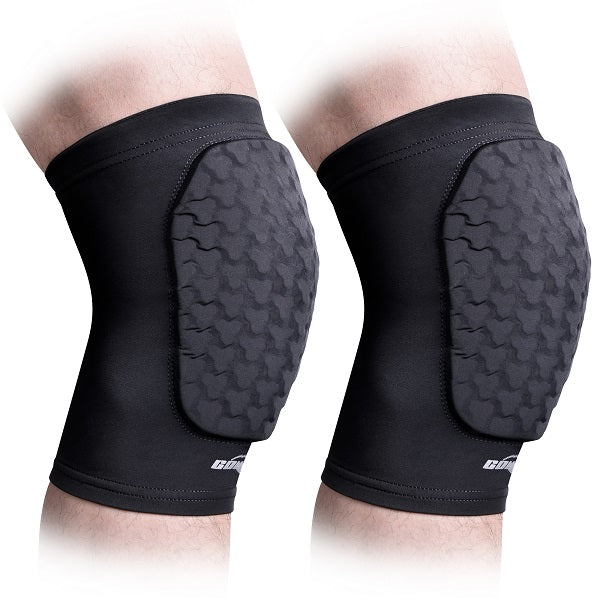
Image Source: www.coolomg.com
How Tall Does Basketball Padding Need To Be? Your Guide
The ideal height for basketball padding is typically determined by the specific area of the body it’s meant to protect and the level of impact anticipated. For knee protection, padding should extend sufficiently to cover the kneecap and the surrounding vulnerable areas, usually ranging from the mid-thigh down to just below the kneecap. For shins, padding needs to reach from just below the knee to the ankle to provide comprehensive court coverage padding. In essence, basketball protective gear height is all about maximizing impact protection legwear height and ensuring effective basketball injury prevention padding height.
Basketball is a game of explosive movements, quick changes in direction, and often, uncontrolled collisions. Players leap for rebounds, dive for loose balls, and jockey for position in the paint, all of which can lead to bumps, bruises, and more serious injuries. This is where protective gear, particularly padding, plays a crucial role. But when it comes to how tall this padding needs to be, there isn’t a one-size-fits-all answer. It depends on the type of padding, the specific body part it’s designed for, and the player’s individual needs.
Deciphering the Needs for Protective Legwear
When we talk about leg padding in basketball, we’re primarily focusing on the lower extremities: knees, shins, and ankles. These areas are constantly engaged in high-impact activities. The height of the padding on these body parts is critical for delivering effective protection and preventing injuries.
Knee Protection: More Than Just the Kneecap
Knee injuries are unfortunately common in basketball. From hyperextensions to direct blows, the knee joint is highly susceptible. This is why knee brace height and the design of knee pads are so important.
- Kneecap Coverage: The most obvious part to protect is the kneecap itself. A good knee pad will have a substantial pad directly over this bone.
- Surrounding Soft Tissues: However, the impact doesn’t just stop at the kneecap. The muscles and ligaments around the knee are also vulnerable. Padding needs to extend upwards and downwards from the kneecap to absorb shock and prevent bruising from direct contact.
- Thigh and Calf Support: While not always the primary focus of a “knee pad,” some designs offer extended coverage. For players prone to thigh contusions or needing additional support, padded leg wear height that extends further up the thigh can be beneficial. Similarly, padding that extends lower can offer some protection to the upper shin area.
- Flexibility vs. Coverage: There’s a balance to strike. Padding that is too tall and restrictive can hinder movement, affecting a player’s agility. However, padding that is too short offers insufficient protection. The knee pad effectiveness height is directly related to how well it covers the vulnerable areas without impeding natural motion.
Shin Guards: Guarding Against Direct Impact
Shins are often exposed to direct kicks, hard falls, or contact with the basketball itself. Therefore, shin guard length is paramount for preventing painful injuries.
- Ankle to Below the Knee: The ideal shin guard for basketball should extend from just above the ankle bone up to below the kneecap. This ensures that the entire length of the shin bone is covered.
- Protection from Punctures and Bruises: The shin bone is very close to the skin, making it vulnerable to sharp impacts and deep bruises. Adequate lower leg padding requirements mean covering this area comprehensively.
- Contact with Opponents and Equipment: Players often collide, and shin guards protect against these accidental kicks or knees. They also offer protection from the hard edges of basketball shoes or even the ball itself.
- Fit and Stability: A shin guard’s height also influences its fit. A guard that is too short might slip down, leaving parts of the shin exposed. A well-fitting guard, regardless of its exact height, stays in place, ensuring consistent protection.
The Science Behind Basketball Protective Gear Height
The effectiveness of any protective gear is not just about the material but also its dimensions and placement. This applies directly to the height of basketball protective gear height.
- Surface Area of Protection: A taller piece of padding, within reason, generally covers a larger surface area. This means a greater capacity to absorb and distribute impact forces. For instance, a longer knee pad can protect a wider section of the thigh and upper calf from accidental knocks.
- Force Distribution: The height of the padding influences how impact forces are distributed. A longer pad can spread the force over a greater area of soft tissue, reducing the peak pressure on any single point. This is key for impact protection legwear height.
- Preventing Sliding and Shifting: Taller gear, especially when paired with good strapping systems, tends to stay in place better during intense activity. This prevents the protective padding from shifting or rolling down, which would leave vital areas exposed. This directly relates to maintaining consistent basketball injury prevention padding height.
- Adherence to Sports Padding Height Guidelines: While there aren’t always strict, universally mandated heights for all types of basketball padding (unlike some contact sports with specific rules), general sports padding height guidelines emphasize covering vulnerable joints and long bones. The aim is always to provide the maximum protection without compromising athletic performance.
Examining Different Types of Padded Legwear
Basketball players utilize various forms of padded legwear, each with its own height considerations.
Compression Sleeves with Integrated Padding
These are popular for their dual function: providing compression for muscle support and offering direct padding for impacts.
- Height Profile: Typically, these sleeves are designed to cover the patella (kneecap) and extend several inches above and below it. Some may also incorporate padding for the sides of the knee.
- Benefits: They offer a sleek profile, fitting comfortably under uniforms. The compression can also help with blood flow and muscle recovery.
- Height Considerations: The effectiveness relies on the pad’s placement and how well the sleeve stays in position. A sleeve that is too short might only cover the very top of the kneecap, leaving the lower part and upper shin exposed.
Traditional Knee Pads
These are often bulkier and more robust, designed purely for maximum impact absorption.
- Height Profile: Traditional knee pads can vary significantly in height. Some are designed to cup the kneecap and extend just a few inches around it. Others are much taller, covering a significant portion of the thigh and upper shin.
- Coverage vs. Bulk: The trade-off here is often between maximum coverage and potential bulkiness that could restrict movement. Players need to find a balance that suits their playing style. A taller knee pad might offer better knee pad effectiveness height but could feel cumbersome.
- Strapping Mechanism: The height of a traditional knee pad is also supported by its strapping system. Taller pads usually have multiple straps to ensure they stay securely in place.
Shin Guards (Soccer-Style vs. Basketball-Specific)
While not as universally adopted as knee pads, shin guards are sometimes worn by basketball players.
- Soccer Shin Guards: These are typically longer and more rigid, designed to protect the entire shin bone. Their height can range from just below the knee to the ankle.
- Basketball-Specific Shin Guards: These are often shorter and more flexible, focusing on protecting the front of the shin from direct ball impact or accidental bumps. Their height might be more limited, covering the mid-shin area.
- Considerations for Basketball: The key is ensuring they don’t interfere with ankle mobility, which is crucial for basketball. The height needs to allow for full range of motion in the ankle joint.
Optimizing Padding Height for Basketball Injury Prevention
Achieving effective basketball injury prevention padding height involves more than just picking a product off the shelf. It requires thoughtful consideration of the player and the game.
- Player Position and Style: A post player who spends a lot of time battling for position in the paint might benefit from taller, more substantial padding to protect against elbows and knees. A guard who relies on speed and agility might prefer lighter, more flexible padding that doesn’t impede quick cuts.
- Injury History: Players with a history of knee or shin injuries might opt for padding with greater height and coverage to provide extra reassurance and protection.
- Fit and Comfort: Regardless of height, padding must fit comfortably. If it’s too tight, too loose, or chafes, players are less likely to wear it, defeating the purpose. The height should complement a secure and comfortable fit.
- Material and Thickness: While height is important, the thickness and material of the padding also contribute significantly to its protective capabilities. Thicker, shock-absorbent materials can offer better impact protection legwear height even if the overall dimension is slightly less.
Common Misconceptions About Padding Height
It’s easy to assume that “taller is always better,” but with basketball padding, nuance is key.
- Oversized Padding and Restriction: Extremely tall padding, especially around the knees, can sometimes restrict the natural bending and extension required for jumping and landing. This can, paradoxically, lead to different types of injuries if the padding alters biomechanics.
- Focus on Coverage, Not Just Length: The effectiveness isn’t solely about how long the padding is but also how well it covers the critical areas and stays in place. A shorter, well-fitting pad that covers the kneecap effectively might be better than a longer pad that shifts during play.
- The Role of Compression: For some players, the combination of compression from a sleeve and strategically placed padding offers the best balance of support, protection, and freedom of movement. The height of the padding within the sleeve is thus crucial for its intended effect.
Measuring for Optimal Fit and Height
To ensure your basketball protective gear height is appropriate, consider these simple measurement tips:
-
Knee Pads:
- Measure from the center of your kneecap upwards along the thigh.
- Measure from the center of your kneecap downwards along the shin.
- Compare these measurements to the product’s listed dimensions. Most knee pads will specify the length of the padded section. Aim for coverage that extends at least 4-6 inches above and below the kneecap for good all-around protection.
-
Shin Guards:
- Measure from just below the kneecap down to the top of the ankle bone.
- Ensure the shin guard you choose covers this entire length. A good shin guard length will typically be between 7 and 10 inches for basketball.
Conclusion: Finding the Right Height for Your Game
Ultimately, the “how tall” question for basketball padding is about achieving optimal court coverage padding without sacrificing mobility. Whether it’s the specific knee brace height, the precise shin guard length, or the overall padded leg wear height, the goal is always to enhance basketball injury prevention padding height and maximize impact protection legwear height. Players should look for gear that offers substantial protection for the knee and shin areas, typically extending several inches above and below the kneecap and covering the entire shin bone. Prioritize products that fit securely, allow for a full range of motion, and are made from durable, shock-absorbent materials. By considering individual needs, playing style, and injury history, players can select padding that provides the best combination of safety and performance on the court, adhering to general sports padding height guidelines that prioritize joint and bone integrity. Remember, the knee pad effectiveness height is a key factor in ensuring your knees are well-protected during every jump, cut, and landing.
Frequently Asked Questions (FAQ)
Q1: Do I need padding that goes all the way up my thigh?
A1: For most basketball players, padding that extends 4-6 inches above and below the kneecap is sufficient for general protection. However, players who are particularly prone to thigh contusions or play a very physical style might consider taller padding for added security. The key is to ensure it doesn’t restrict movement.
Q2: What is the standard height for basketball shin guards?
A2: Standard basketball shin guards typically range from about 7 to 10 inches in length, covering the shin bone from just below the knee down to the ankle. This height offers good protection against direct impacts without hindering ankle flexibility.
Q3: How high should the padding on my knee sleeve be?
A3: Knee sleeves with integrated padding should have the padding centered directly over the kneecap and extend a few inches above and below it. The sleeve itself should fit snugly to keep the padding in place and provide compression. The overall height of the sleeve should be comfortable and not dig into the leg.
Q4: Can I wear soccer shin guards for basketball?
A4: Yes, you can wear soccer shin guards for basketball, but be mindful of their height and rigidity. Ensure they don’t restrict your ankle mobility, which is crucial for basketball movements. Basketball-specific shin guards are often shorter and more flexible.
Q5: Who needs taller basketball padding?
A5: Players who play in the post, engage in a lot of physical contact, or have a history of lower leg injuries might benefit from taller padding. This includes centers, power forwards, or anyone who frequently battles for rebounds and position in the paint.
Q6: What is the most important factor in basketball padding height?
A6: The most important factor is ensuring adequate coverage of vulnerable areas (kneecap, shin bone) without restricting the natural range of motion. The padding needs to stay in place during dynamic movements to provide consistent protection.