
The NBA hoop height is a precise 10 feet, measured from the playing surface to the top edge of the rim. This established measurement is a cornerstone of professional basketball, shaping everything from player strategies to the very dynamics of the game. Let’s dive deeper into the specifics of NBA regulation hoops and how these dimensions impact the sport.
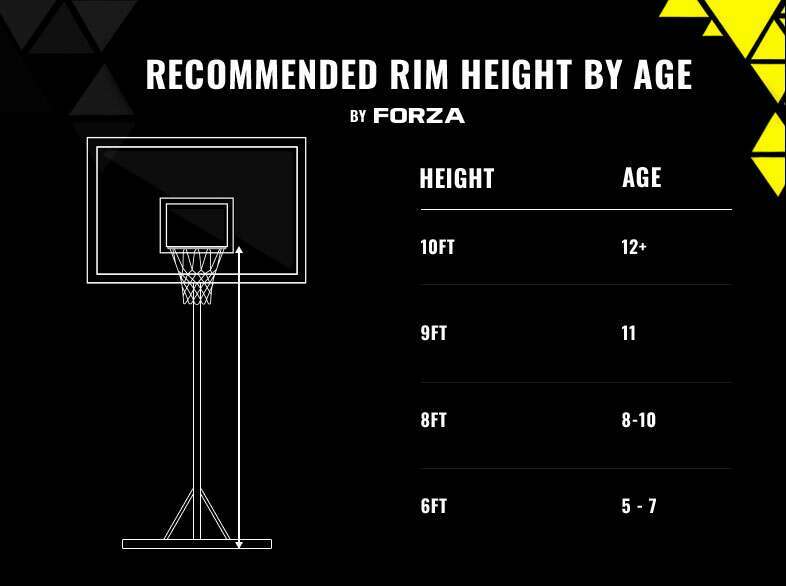
Image Source: nwscdn.com
The Foundation: Standard Basketball Hoop Size
When we talk about the NBA hoop height, we’re discussing a figure that’s been standardized for decades. The basketball rim height isn’t just a random number; it’s a carefully considered measurement that influences player development, offensive and defensive tactics, and the overall spectator experience. The standard basketball hoop size encompasses not only the height but also other crucial dimensions that contribute to the game’s fairness and excitement.
Deciphering NBA Regulation Hoop Dimensions
The NBA regulation hoop is a marvel of engineering and standardization. Every detail, from the material of the backboard to the circumference of the net, is meticulously defined to ensure a level playing field for all twenty-nine teams. The most prominent of these dimensions, of course, is the height.
How Tall is an NBA Hoop?
To be absolutely clear, how tall is an NBA hoop? It is precisely 10 feet from the floor to the top of the rim. This measurement is unwavering and applies to every professional basketball court in the league. This consistent height is crucial for a fair competition.
The Basketball Net Height: More Than Just the Rim
While the basketball net height is intrinsically linked to the rim, it’s the rim itself that dictates the crucial 10-foot measurement. The net, typically made of nylon or other synthetic materials, hangs from the rim and is designed to slow the ball down after it passes through. While the net’s length can vary slightly, its attachment point to the rim is fixed at that 10-foot mark.
Exploring the NBA Rim Diameter
Beyond the height, another critical aspect of the NBA hoop height discussion is the NBA rim diameter. This measurement is also standardized to ensure that the ball, with its own defined size, interacts consistently with the hoop.
- Inner Diameter: The inner diameter of an NBA rim is 18 inches (45.7 cm).
- Outer Diameter: The outer diameter is approximately 18.75 inches (47.6 cm).
This precise diameter allows for a challenging but achievable shot. Players must arc their shots correctly to get the ball through the hoop, and the rim’s width provides a good target area without being too forgiving.
Comprehensive Basketball Hoop Measurements
When considering basketball hoop measurements, it’s important to look at the entire system, not just the rim.
- Backboard: NBA backboards are typically made of tempered glass. They measure 72 inches (183 cm) wide by 42 inches (107 cm) high. The bottom of the backboard is 6 feet (1.83 m) from the front edge of the court’s boundary line.
- Rim: As mentioned, the official NBA hoop height is 10 feet. The rim is made of solid steel and is designed to withstand the force of players hanging on it after dunks.
- Net: The net is usually 15 to 18 inches (38 to 46 cm) long and has 12 loops for attachment to the rim.
These detailed basketball hoop measurements ensure consistency across all professional games.
The Impact of NBA Hoop Height on the Game
The 10-foot rim height isn’t just a number; it’s a fundamental element that shapes the entire sport of basketball. Its influence can be seen in player skill development, offensive and defensive strategies, and even the physical demands placed on athletes.
Skill Development and Player Physiology
The NBA hoop height plays a significant role in how players develop their skills. To score, players must master several key techniques:
- Shooting Arc: Achieving the correct shooting arc is paramount. Players learn to loft the ball with enough backspin to allow it to drop through the hoop. A rim that is too low would make this less challenging, while one too high would make it nearly impossible. The 10-foot height forces players to develop a precise touch and trajectory.
- Jumping Ability: Dunking, a spectacular part of the game, requires significant vertical leap. A player needs to be able to jump high enough to get the ball above the rim and force it down. The 10-foot rim height means that even the most elite athletes are performing at the upper limits of their jumping capabilities for dunks and layups.
- Layups and Close-Range Shots: Even for shots close to the basket, players must angle their shots correctly to clear the rim. The slight elevation needed for a layup is learned through repetition and muscle memory, all calibrated to the 10-foot standard.
Offensive Strategies Shaped by Hoop Height
Offenses are designed with the basketball rim height in mind.
- Post-Up Play: Dominant big men often operate near the basket, looking to score over smaller defenders. Their height advantage, combined with their ability to jump and reach over defenders, is crucial for scoring close to the rim.
- Pick-and-Roll: The pick-and-roll action often creates opportunities for guards to drive to the basket or for big men to roll to the hoop for an easy layup or dunk. The 10-foot rim makes these opportunities high-percentage scoring chances.
- Three-Point Shooting: The advent of the three-point line has added another dimension. Players must have the strength and technique to shoot accurately from much further distances, while still factoring in the trajectory needed to get the ball into the 10-foot high hoop.
Defensive Tactics and Rim Protection
Defenses are equally influenced by the official NBA hoop height.
- Shot Blocking: Defenders positioned near the basket aim to block shots as they leave the offensive player’s hands or as they approach the rim. The 10-foot height means that defenders must anticipate and jump effectively to meet the ball at its apex.
- Rebounding: After a missed shot, the battle for rebounds is intense. Players positioning themselves near the basket are often vying for the ball as it bounces off the rim. The height of the rim affects the trajectory of rebounds, influencing where players need to position themselves.
- Zone Defenses: In zone defenses, players are assigned areas of the court. Their positioning is often dictated by the need to prevent easy shots at the basket, effectively using the 10-foot height as a deterrent.
Historical Evolution of NBA Hoop Height
While the 10-foot mark is the current standard, it’s worth noting that basketball’s early days saw variations in hoop height. However, the 10-foot measurement quickly became the accepted norm and has remained so. The standardization of the NBA hoop height was a significant step in professionalizing the game and ensuring fair competition.
Early Basketball and the Introduction of the Hoop
In its very early iterations, basketball was played with peach baskets attached to balcony railings. These were not at a standardized height and were often emptied manually after each score. As the game evolved, the need for a consistent goal became apparent.
The Standardization of the 10-Foot Rim
The transition to a fixed hoop height was a gradual process, but by the early 20th century, the 10-foot measurement had largely been adopted. This standardization allowed for the development of more sophisticated strategies and techniques, as players and coaches knew precisely what they were working with. The standard basketball hoop size was set.
Variations and Comparisons: Other Levels of Basketball
While the NBA hoop height is a specific 10 feet, it’s important to recognize that other levels of basketball, particularly youth leagues, use different hoop heights to accommodate younger players’ development.
Youth Basketball and Hoop Height
- Elementary School: Often use hoops set at 6 feet or 7 feet.
- Middle School: Typically play with hoops at 8 feet or 9 feet.
- High School: Use the same 10-foot basketball rim height as the NBA.
These adjustments for younger players are crucial. Starting with lower hoops allows children to develop proper shooting form and build confidence without the frustration of constantly missing shots due to their physical limitations. As they grow and develop their skills, the hoop height is gradually increased to match the NBA standard. This progression is vital for long-term skill development and enjoyment of the sport.
Comparing International Basketball Standards
In most international basketball, including FIBA (International Basketball Federation) rules, the NBA regulation hoop height is also the standard. The 10-foot (3.05 meters) rim height is a global norm for professional play, ensuring consistency across international competitions and leagues. This uniformity is essential for players who may transition between leagues or play in international tournaments.
The Science Behind the 10-Foot Hoop
The 10-foot NBA hoop height is not arbitrary. It’s a measurement that balances athleticism, skill, and the inherent challenge of the game.
Athleticism vs. Skill Balance
The 10-foot rim height strikes a delicate balance between raw athleticism and refined skill.
- Athleticism: Players need exceptional jumping ability and strength to reach and dunk on a 10-foot hoop. This is why many NBA players are tall and have high vertical leaps.
- Skill: However, pure athleticism isn’t enough. Players must also possess excellent shooting touch, coordination, and strategic thinking to consistently score. The 10-foot height demands precise shooting arcs and controlled movements, rewarding skill over brute force alone.
The Role of Ball Size and Rim Diameter
The NBA hoop height works in conjunction with other standardized measurements:
- Basketball Size: An official NBA basketball has a circumference of approximately 29.5 inches (75 cm) and a diameter of about 9.4 inches (24 cm).
- Rim Diameter: As noted earlier, the inner diameter of the NBA rim diameter is 18 inches.
The relationship between the ball’s diameter and the hoop’s inner diameter is crucial. The 18-inch rim provides a clearance of about 8.6 inches around the ball. This allows for shots to go in cleanly without bouncing out due to minor inaccuracies, but it’s tight enough that perfect placement is still required.
Factors Influencing the Perception of Hoop Height
While the official NBA hoop height is a fixed 10 feet, a player’s perception of that height can be influenced by various factors.
Player Height and Reach
Unsurprisingly, a player’s own height and wingspan significantly impact how they perceive the rim’s height.
- Taller players with longer reach naturally find it easier to get the ball over the rim and can even dunk with less effort compared to shorter players.
- Shorter players must rely more on finesse, shooting arc, and creating space to get their shots off. They often develop exceptional ball-handling and shooting skills to compensate.
Court Dimensions and Perspective
The overall dimensions of the basketball court, including the distance to the backboard and the surrounding space, can subtly influence how the hoop’s height is perceived. However, the consistent 10-foot measurement ensures that these factors do not create an unfair advantage or disadvantage.
The Future of NBA Hoop Height
Given its long-standing tradition and the established nature of professional basketball, it is highly unlikely that the NBA hoop height will change in the foreseeable future. The 10-foot standard is deeply embedded in the sport’s history, player development, and strategic playbook. Any alteration would necessitate a fundamental re-evaluation of the game itself.
Frequently Asked Questions About NBA Hoop Height
Here are some common questions people ask about NBA hoop height:
-
Q: Is the NBA hoop height different from college or international basketball?
A: No, the official NBA hoop height of 10 feet is also the standard for college basketball in the United States and for international competitions governed by FIBA. -
Q: Can I buy a regulation NBA hoop for my home?
A: Yes, you can purchase recreational basketball hoops that are designed to mimic the standard basketball hoop size and specifications of an NBA regulation hoop. However, ensure you are buying from reputable brands that adhere to these measurements. -
Q: What happens if a hoop is found to be not at the correct NBA hoop height?
A: In professional play, strict checks are in place to ensure all equipment meets official NBA hoop height standards. If a hoop were found to be improperly installed, the game would likely be delayed until it could be corrected to prevent any unfair advantage or disadvantage to the players. -
Q: Why is the NBA rim diameter important?
A: The NBA rim diameter (18 inches inner) is crucial because it, along with the ball size, dictates the difficulty of making a shot. It’s wide enough to allow for some margin of error but narrow enough to reward precise shooting. -
Q: How is the NBA hoop height measured?
A: The basketball rim height is measured from the playing surface directly below the center of the hoop to the top edge of the rim itself. -
Q: Does the net affect the NBA hoop height?
A: No, the net hangs from the rim, but the NBA hoop height is defined by the rim’s position. The net’s length can vary slightly, but its attachment point is always at the 10-foot mark.
In conclusion, the NBA hoop height of 10 feet is a fundamental element of professional basketball, influencing everything from player skill development to game strategy. It represents a carefully calibrated balance between athleticism and finesse, a standard that has endured and defined the sport for generations.