
The question of how much college basketball referees make annually is a common one, and the answer isn’t a single, simple number. College basketball referees do not earn a fixed annual salary; instead, they are paid per game. This pay varies significantly based on several factors, including the level of competition, the conference, and the referee’s experience and seniority.
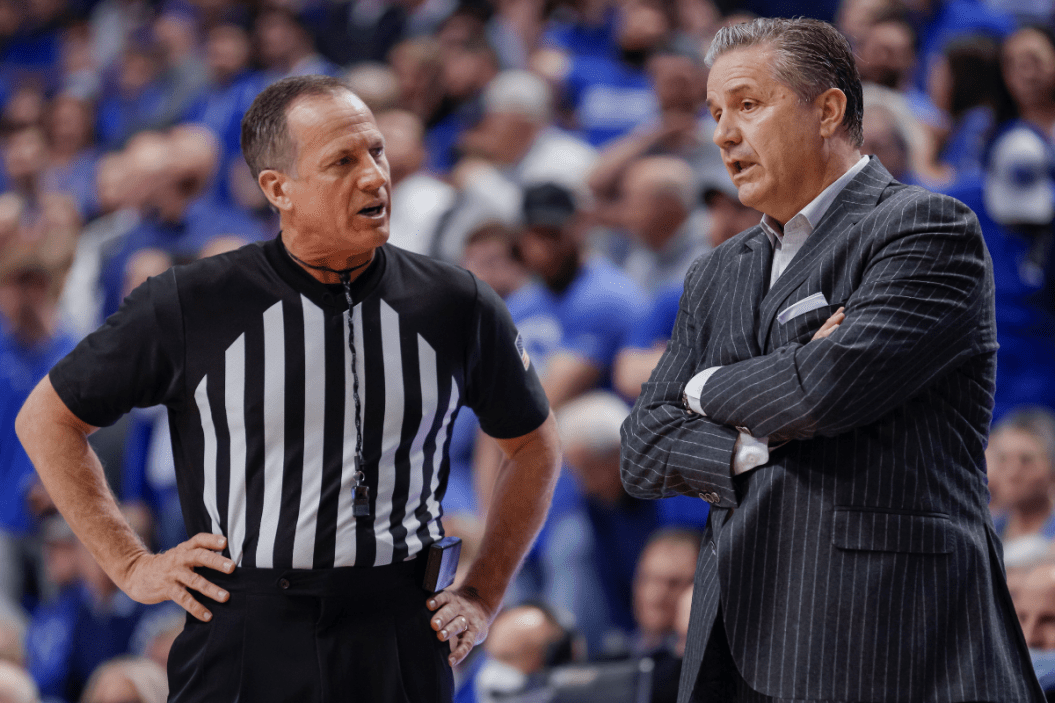
Image Source: fanbuzz.com
Deciphering NCAA Basketball Referee Salary Structures
For those curious about the financial aspects of officiating, the NCAA basketball referee salary can be a complex topic. Unlike full-time salaried positions, college basketball officials are independent contractors. This means their income is directly tied to the number of games they work and the rate they are paid for each game. The NCAA itself does not employ referees; rather, conferences and assigning bodies are responsible for hiring and compensating them.
Factors Influencing College Basketball Official Pay
Several key elements contribute to the overall basketball referee earnings for individuals working college basketball games:
- Level of Play: Referees working Division I games generally earn more than those officiating in Division II or Division III. The stakes, viewership, and revenue generated at the Division I level naturally translate to higher compensation.
- Conference Strength and Resources: Major conferences with lucrative television deals and substantial budgets can afford to pay their officials more. Smaller conferences with fewer resources may have lower pay scales.
- Referee Experience and Ranking: Just like players and coaches, referees gain experience and can move up in seniority and skill. More experienced, highly-rated officials are often assigned to more prominent games and can command higher per-game rates.
- Assignor Fees: Assignors, who are responsible for scheduling and assigning officials to games, also take a cut from the total game fee.
- Travel and Expenses: While referees are typically reimbursed for travel expenses and may receive a per diem for meals, these costs can impact their net earnings. The amount of travel required also plays a role in overall income potential.
- Postseason Assignments: Referees who are selected to work in conference tournaments or the NCAA Championship tournament earn additional income, often at higher rates than regular-season games.
College Basketball Referee Compensation Details
When discussing college basketball referee compensation, it’s important to break down how the pay is structured. Officials are usually paid a base fee per game. This fee can range widely.
Division I Referee Pay Per Game
For Division I games, particularly those in major conferences, a referee might earn anywhere from $500 to $2,500 per game, sometimes even more for highly coveted assignments. This figure usually includes the base pay for officiating the game.
- Lead Referee/Crew Chief: The official in charge of the officiating crew (often the most experienced) typically earns a higher rate than the other two or three officials on the court.
- Umpire (for certain sports) / Official: The other members of the officiating crew earn a slightly lower, but still substantial, per-game fee.
Division II and Division III Pay
In Division II and Division III, the per-game rates are considerably lower.
- Division II: Referees might earn between $200 and $700 per game.
- Division III: The pay can be even more modest, perhaps $100 to $400 per game.
These figures are averages, and actual pay can fluctuate. It’s crucial to remember that these are gross amounts before any expenses or taxes are considered.
The Basketball Official Salary Range: A Broad Spectrum
The term “basketball official salary range” is broad because it encompasses a wide array of earning potentials. A referee who exclusively works Division III games and has only a few years of experience will earn significantly less than a veteran Division I official who works numerous high-profile games and receives postseason assignments.
A highly experienced NCAA Division I referee, working a full schedule of games and postseason tournaments, could potentially earn upwards of $50,000 to $100,000 or more annually. However, this is at the upper end of the spectrum. Many referees, especially those starting out or working in lower divisions, will earn considerably less, perhaps in the $10,000 to $30,000 range annually, depending on the number of games they can secure.
This variability means there isn’t a single “average salary for college basketball refs.” It’s more accurate to consider the range of possibilities.
How Much Do NCAA Refs Get Paid for Different Levels?
To further illustrate the differences in pay, let’s look at how much NCAA refs get paid across the various divisions:
NCAA Division I
- Per Game: $500 – $2,500+
- Annual Potential (Full-time equivalent effort): $50,000 – $100,000+ (This includes regular season, conference tournaments, and NCAA tournament games)
NCAA Division II
- Per Game: $200 – $700
- Annual Potential: $15,000 – $40,000 (This depends heavily on the number of games secured and conference assignments)
NCAA Division III
- Per Game: $100 – $400
- Annual Potential: $5,000 – $20,000 (Often a more supplementary income source)
It’s important to note that these figures are estimates. Some sources suggest that top-tier Division I referees, particularly those working the Final Four, can earn in the range of $5,000 to $10,000 for the entire NCAA Tournament.
The NCAA Officiating Pay Scale: An Informal Hierarchy
While there isn’t an officially published “NCAA officiating pay scale” in the traditional sense, there is an informal hierarchy that influences compensation. Referees are often categorized based on their experience, performance evaluations, and the conferences they work for.
- Rookie Officials: Start with lower per-game fees and are typically assigned to less prominent games.
- Mid-Level Officials: Gain more experience and are assigned to more competitive matchups within their conferences. Their pay per game increases.
- Veteran/Top Officials: Are assigned the marquee games, including rivalry matchups and important conference contests. They are also the most likely to receive postseason assignments, which significantly boost their annual earnings.
This progression allows experienced and skilled officials to earn more, reflecting their value and the demands of officiating high-stakes college basketball games.
Comparing College Basketball Referee Earnings to Professional Basketball Referee Earnings
It’s natural to wonder how college basketball referee earnings compare to those of professional basketball referees, such as those in the NBA. The difference is substantial.
- NBA Referees: NBA referees are full-time employees of the league and earn a fixed annual salary, often ranging from $150,000 to $400,000 or more per year. They also receive benefits like health insurance and retirement plans. Their per-game earnings are significantly higher than their college counterparts, reflecting the immense revenue and visibility of the NBA.
The comparison highlights that while college basketball officiating can be a lucrative part-time or even full-time endeavor for a select few, it doesn’t reach the financial heights of professional leagues.
Sports Official Pay Rates: A Broader Perspective
Looking at sports official pay rates more broadly, basketball referees at the collegiate level fall somewhere in the middle. High school officials, for example, generally earn much less per game than college officials, often in the range of $50 to $150 per game.
The dedication, skill, and knowledge required to officiate at the college level justify the higher compensation compared to lower levels. However, the lack of guaranteed annual salary and benefits means that college basketball officials often need to supplement their income, especially early in their careers.
The Business of Officiating: More Than Just Game Fees
Beyond the per-game pay, college basketball referee earnings are also influenced by the business aspects of officiating.
Travel and Expenses
Referees are responsible for their travel arrangements to games. While the conference or assigning body usually reimburses for mileage, flights, and lodging, there can be out-of-pocket expenses. Per diem allowances are provided for meals, but these amounts can vary. Efficient management of travel and expenses is crucial for maximizing net income.
Seasonality of Work
College basketball officiating is seasonal. The regular season typically runs from November through February, followed by conference tournaments in March and the NCAA Tournament. This means that referees have periods of intense work followed by periods with no game assignments. This seasonality further reinforces why a fixed annual salary is not applicable.
Opportunities for Advancement
For those dedicated to officiating, there are opportunities for advancement within the ranks. Consistently good performance, a professional demeanor, and a commitment to learning the rules and mechanics can lead to more assignments and higher pay.
Potential Income Streams for Officials:
- Regular Season Games: The bulk of their income comes from officiating regular season matchups.
- Conference Tournaments: These postseason events offer higher per-game rates and increased visibility.
- NCAA Tournament Assignments: The pinnacle of college basketball officiating, with the highest per-game rates and potential bonuses for reaching later rounds.
- Officiating Camps and Clinics: Some experienced officials also earn income by teaching and training aspiring referees.
- Working Other Leagues: Some officials may also officiate other sports or leagues during the college basketball offseason to supplement their income.
The Commitment and Dedication Required
It’s important to acknowledge the significant commitment and dedication required to be a college basketball referee. This is not a job that can be done casually. It demands:
- Extensive Knowledge of the Rules: Staying current with rule changes and interpretations is paramount.
- Physical Fitness: Referees are on their feet for the entire game, requiring good stamina and agility.
- Mental Acuity: Making split-second decisions under pressure, often with thousands of fans scrutinizing every call, requires intense focus and composure.
- Travel: Many officials travel extensively, spending nights away from home during the season.
- Continuous Learning: Attending clinics, studying game film, and receiving feedback from evaluators are all part of the ongoing development process.
Given these demands, the compensation must be seen not just as a reward for officiating, but also as a recognition of the commitment and expertise involved.
Frequently Asked Questions About College Basketball Ref Pay
Here are some common questions people ask about how much college basketball refs make:
Q1: Do college basketball referees get paid a salary or per game?
A1: College basketball referees are paid on a per-game basis, not an annual salary. They are typically considered independent contractors.
Q2: What is the average salary for a Division I college basketball referee?
A2: There isn’t a true “average salary” as it’s not a salaried position. However, a Division I referee working a full schedule, including conference tournaments and potentially the NCAA tournament, could earn anywhere from $50,000 to $100,000+ annually. Many earn less, especially those with fewer assignments or in less prominent conferences.
Q3: How much do NCAA refs get paid for the NCAA Tournament?
A3: Referees working NCAA Tournament games are paid a higher per-game rate than during the regular season. While specific figures vary, they might earn $1,000 to $3,000+ per tournament game, with the Final Four potentially offering even higher compensation.
Q4: Can I become a college basketball referee without prior experience?
A4: Yes, but it’s challenging. You typically start at lower levels (high school, junior college) and work your way up. Officiating camps and clinics are valuable for learning and networking. Building a reputation for competence and professionalism is key.
Q5: How do college basketball referee earnings compare to NBA referee earnings?
A5: NBA referees earn significantly more, with annual salaries ranging from $150,000 to $400,000+. College referees have a much lower earning potential and lack the benefits of full-time employment.
Q6: What are the typical expenses for a college basketball referee?
A6: While many expenses like travel and lodging are reimbursed, referees may incur costs for professional attire, training materials, and sometimes advance travel arrangements.
Q7: Who determines how much college basketball referees are paid?
A7: The individual athletic conferences, in conjunction with assigning bodies, set the pay rates for the referees working their games.
By examining these various aspects, it becomes clearer that the financial landscape for college basketball referees is dynamic and multifaceted, driven by performance, experience, and the specific opportunities presented within the collegiate sports ecosystem.