
The question of how much basketball referees make varies greatly depending on the league, experience, and level of play. While a rookie referee in a local youth league might earn a modest hourly wage or a small fee per game, seasoned professionals in leagues like the NBA can command six-figure salaries. This article delves into the financial realities of basketball officiating across various levels, exploring the basketball referee pay scale, what factors influence earnings, and the benefits that come with the whistle.
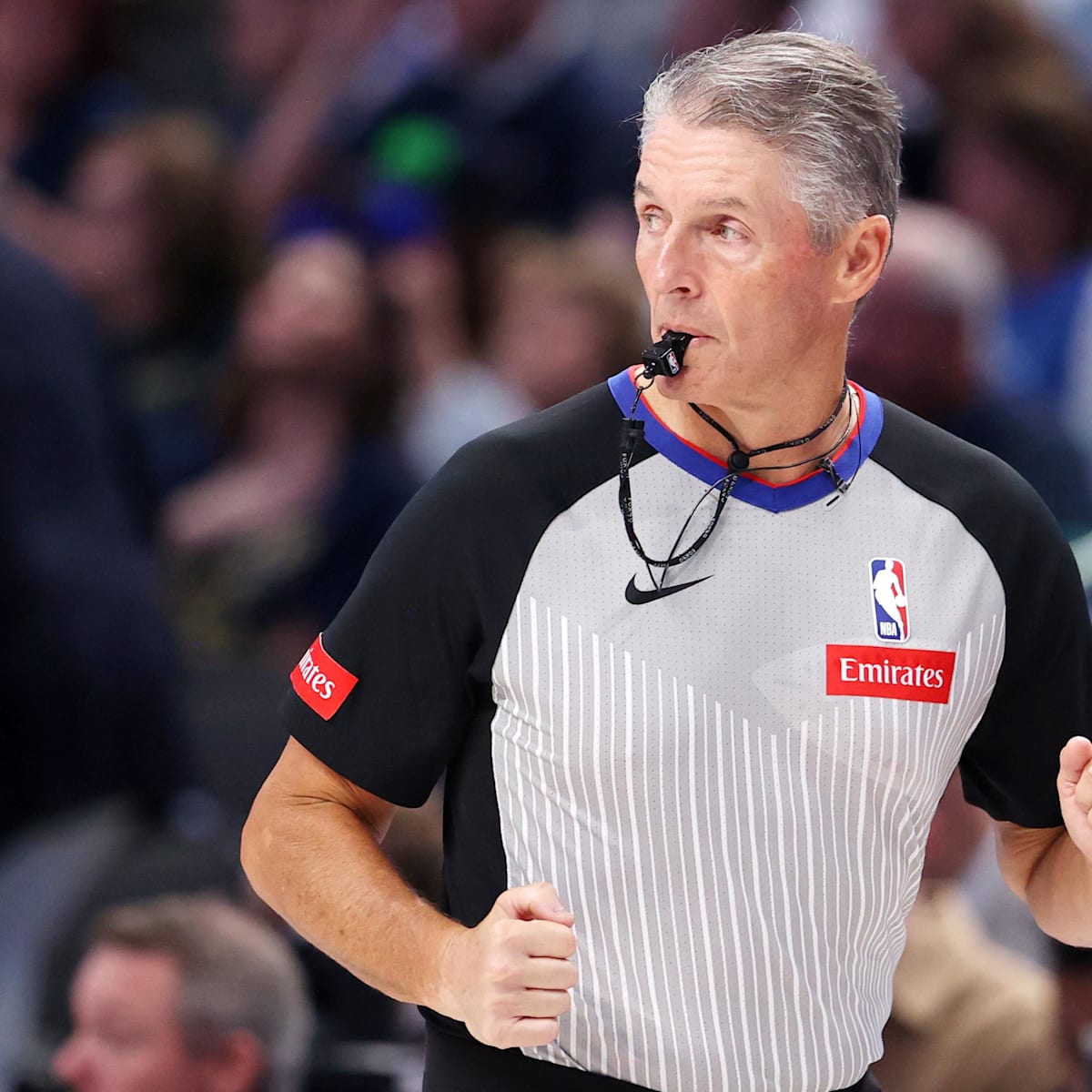
Image Source: images2.minutemediacdn.com
NBA Referee Salary: The Pinnacle of Officiating Pay
The most talked-about figures in basketball officiating are undoubtedly those of the NBA. An NBA referee salary is a significant step up from lower-tier leagues. While the exact figures are not publicly disclosed, industry estimates and reports from reputable sources suggest that NBA referees earn a substantial income.
Deciphering NBA Referee Compensation
- Base Salary: NBA referees receive a base salary that is guaranteed regardless of the number of games worked. This provides a level of financial stability.
- Per-Game Fees: On top of their base salary, NBA referees earn a fee for each game they officiate. This fee increases with seniority and experience.
- Playoff Bonuses: Referees who officiate playoff games and the NBA Finals often receive additional compensation or bonuses, reflecting the heightened importance and workload.
Estimates place the average basketball referee income for an NBA official in the range of $150,000 to $300,000 annually, with top-tier, highly experienced referees potentially earning even more. This figure often includes a combination of base pay, game fees, and potential playoff earnings. It’s important to note that this is a highly competitive profession with a rigorous selection process.
College Basketball Referee Pay: A Significant Step Up
The world of college basketball offers another lucrative avenue for referees. College basketball referee pay is generally higher than at the high school or minor league levels, reflecting the prestige and financial muscle of collegiate sports, particularly NCAA Division I.
Interpreting College Referee Earnings
- Per-Game Rates: College referees are typically paid on a per-game basis. These rates can vary significantly based on the conference, the importance of the game (e.g., regular season vs. conference tournament), and the referee’s experience level.
- Conference Variations: Different NCAA conferences have their own pay scales and agreements with officiating crews. Major conferences tend to offer higher per-game rates than smaller or mid-major conferences.
- Tournament Pay: Referees working in conference tournaments and the NCAA Men’s and Women’s Basketball Tournaments (March Madness) earn higher fees, often with per diem allowances for travel and accommodation.
A college basketball referee might earn anywhere from $1,000 to $3,000 or more per game, depending on the factors mentioned above. For referees who work a full schedule of games throughout the season, including postseason events, their annual earnings can be substantial, often ranging from $50,000 to $100,000 or more.
High School Basketball Referee Wages: The Grassroots of Officiating
High school basketball referee wages represent a more entry-level income bracket within the sport. While not as financially rewarding as college or professional leagues, it’s a crucial starting point for many aspiring officials and a way for those passionate about the game to earn supplemental income.
Fathoming High School Referee Earnings
- Per-Game Fees: High school referees are typically paid a fee for each game they officiate. This fee is generally much lower than at higher levels, often ranging from $50 to $150 per game, depending on the state, district, and level of competition (e.g., freshman, JV, varsity).
- Travel Expenses: Some high school associations or leagues may offer mileage reimbursement for travel to games, though this isn’t always the case.
- Game Length and Type: The length of the game and whether it’s a regular-season contest or a playoff game can also influence the pay.
The basketball referee pay scale at the high school level is quite varied. A referee working a consistent schedule of varsity games throughout the season might earn a few thousand dollars annually. It’s often viewed as a part-time endeavor rather than a primary source of income for most.
Minor League Basketball Ref Earnings: Bridging the Gap
Minor league basketball, such as the NBA G League or other professional developmental leagues, offers a level of pay that sits between high school and college, and certainly below the NBA. Minor league basketball ref earnings provide valuable experience and a stepping stone for those aiming for higher leagues.
Grasping Minor League Referee Income
- Per-Game Rates: Similar to higher levels, minor league referees are paid per game. The rates are competitive for the level of play, often higher than high school but lower than college.
- Contractual Agreements: Some minor league referees may have contracts that offer a base pay plus per-game incentives.
- Exposure and Development: The primary draw for many minor league referees is the opportunity to hone their skills and gain exposure to scouts and decision-makers for higher leagues.
Earnings in minor league basketball can vary, but a referee might expect to earn anywhere from $200 to $500 per game. This can translate to an annual income of $15,000 to $30,000 or more for a full-time schedule, depending on the league and number of games worked.
Youth Basketball Official Compensation: The Foundation of the Sport
Youth basketball official compensation is typically the lowest among all levels. This is where many people start their officiating careers, driven by a love for the game and a desire to contribute to the development of young athletes.
Examining Youth Basketball Referee Fees
- Hourly Rates or Per-Game Fees: Youth league referees are often paid an hourly rate or a flat fee per game. These fees can be as low as $20-$50 per game for younger age groups and shorter games.
- League Variations: Pay rates differ greatly between local recreational leagues, AAU (Amateur Athletic Union) tournaments, and other youth basketball organizations. AAU tournaments, especially larger ones, often offer higher fees than local recreational leagues.
- Volunteer Opportunities: In some very low-level or community-based leagues, referees might even volunteer their time.
The average basketball referee income at the youth level is minimal. It’s primarily a way to gain experience and earn a small amount of money, not a career-defining income.
Factors Affecting Referee Pay: More Than Just the League
Several factors contribute to the variance in how much basketball referees make. It’s not solely about the league they officiate; a more nuanced look reveals a blend of experience, performance, and the nature of the contract.
Key Influences on Referee Earnings
- Experience and Seniority: This is perhaps the most significant factor. Referees with more years of experience and a proven track record of accurate calls and professional conduct are compensated more highly. In leagues like the NBA, there’s a clear basketball referee pay scale that rewards longevity and performance.
- Level of Competition: As detailed above, the higher the level of play (NBA, NCAA, professional, high school, youth), the greater the financial compensation.
- Conference/League Affiliation: Within collegiate and professional leagues, different conferences or governing bodies have their own distinct pay structures.
- Performance and Evaluation: Referees are constantly evaluated on their performance. Consistently high ratings can lead to more assignments and potentially higher pay or bonuses. Poor performance can result in fewer opportunities or even dismissal.
- Game Assignment Volume: The number of games a referee is assigned directly impacts their total earnings. Those who work a full schedule, including playoffs and tournaments, will earn more.
- Contractual Agreements: Some referees, particularly at the professional levels, may have individual contracts or be part of collective bargaining agreements that outline their salary structure, benefits, and other compensation.
- Travel and Per Diem: While not direct salary, allowances for travel, accommodation, and meals can add to the overall financial benefit of officiating, especially at higher levels where extensive travel is required.
Basketball Referee Benefits: Beyond the Paycheck
While salary is a primary consideration, basketball referee benefits can also play a significant role in the overall compensation package, especially for full-time professional officials.
Perquisites of Officiating
- Health Insurance: NBA and major college referees often receive comprehensive health insurance coverage, which can be a substantial financial benefit.
- Retirement Plans: Established leagues may offer retirement savings plans or pension contributions.
- Travel and Accommodation: For professional and high-level collegiate referees, travel expenses, including flights, hotels, and meals, are typically covered or reimbursed, reducing out-of-pocket costs.
- Unionization and Collective Bargaining: In leagues like the NBA, referees are often unionized. This collective bargaining power helps negotiate better salaries, benefits, and working conditions.
- Professional Development: Opportunities for ongoing training, mentorship, and development are crucial for career advancement and can be considered a benefit in themselves.
Freelance Basketball Referee Rates: A Flexible Approach
Many referees, especially those working at the high school and youth levels, operate as independent contractors or freelance basketball referee rates. This means they manage their own taxes, benefits, and insurance.
Navigating Freelance Officiating
- Setting Your Own Rates: Freelance referees often negotiate their rates with leagues or tournament organizers. Their experience, reputation, and the demand for their services play a role in this.
- Varied Income Streams: Freelancers often work for multiple organizations to maximize their income and game assignments.
- Self-Employment Costs: Freelancers must account for self-employment taxes, health insurance premiums, and potentially the cost of equipment and travel.
Freelance basketball referee rates can vary widely, but they typically fall within the per-game fee structures discussed for high school and youth leagues. The ability to network and market oneself effectively is key to securing consistent, well-paying freelance work.
The Road to Becoming a High-Earning Referee
The path to achieving a significant basketball referee salary is not an easy one. It requires dedication, continuous learning, and a strong commitment to the craft.
Steps to Officiating Success
- Start Local: Begin by officiating youth leagues, high school freshman and JV games. This is where you’ll learn the fundamentals of rule application and game management.
- Get Certified: Obtain necessary certifications from state high school athletic associations or recognized officiating organizations.
- Attend Clinics and Camps: Participate in officiating clinics and camps to receive instruction from experienced officials and improve your skills.
- Network: Build relationships with other referees, assignors, and league officials. Networking can lead to more game opportunities.
- Perform Consistently: Aim for excellence in every game. Your reputation for fairness, professionalism, and accurate calling is paramount.
- Seek Feedback: Actively solicit feedback from observers, fellow officials, and coaches to identify areas for improvement.
- Advance Through Levels: As your experience and reputation grow, you can aim for assignments in higher-level high school games, then potentially junior college, college (NCAA), and eventually professional leagues.
Frequently Asked Questions (FAQ)
Q1: What is the typical starting salary for a basketball referee?
A1: The starting salary for a basketball referee is typically at the youth or lower high school level, where per-game fees might range from $20 to $75. This is generally considered supplemental income.
Q2: Can I become an NBA referee without prior officiating experience?
A2: It is highly unlikely. NBA referees typically have many years of experience officiating at lower levels, including high school, college, and potentially minor professional leagues. The path is a long and competitive one.
Q3: Who is responsible for assigning games to referees?
A3: Game assignments are usually handled by “assignors” or “supervisors” who work for leagues, conferences, or officiating organizations. They use criteria like experience, performance, and availability to assign referees to games.
Q4: Does officiating more games increase my income significantly?
A4: Yes, for most referees, income is directly tied to the number of games they officiate. Working a full schedule, especially in leagues that offer higher per-game rates or bonuses, can significantly boost earnings.
Q5: Are there age restrictions for becoming a basketball referee?
A5: While there isn’t a strict upper age limit, most officiating organizations have a minimum age requirement, often 18 years or older, and a physical ability to perform the duties required.
Q6: What are the main costs associated with being a basketball referee?
A6: Costs can include uniforms, necessary equipment (whistles, timers), training materials, certification fees, and potentially travel expenses if not fully reimbursed. Freelance referees also need to consider self-employment taxes and health insurance.
Q7: How does performance impact a referee’s career and earnings?
A7: Performance is crucial. Consistent, accurate calls, good game management, and professionalism lead to more assignments, opportunities for promotion to higher levels, and potentially better compensation through bonuses or higher per-game rates. Poor performance can limit opportunities.