
Want to know how to become a basketball coach in high school? Generally, you’ll need a passion for the sport, good communication skills, and a desire to mentor young athletes, often coupled with some experience and required certifications. This comprehensive guide will walk you through the steps involved in pursuing a rewarding career in high school basketball coaching.
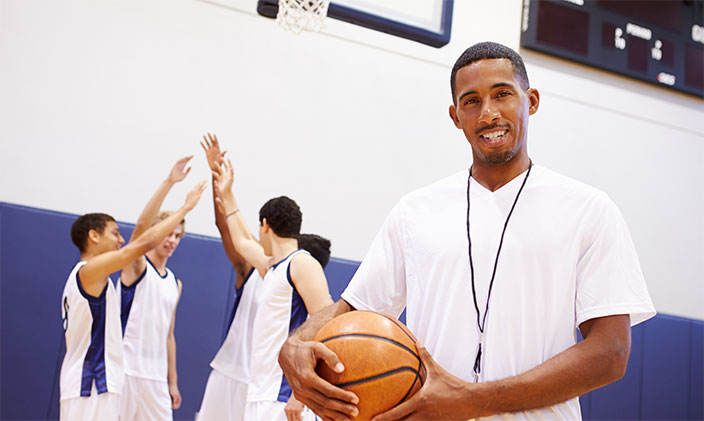
Image Source: www.phoenix.edu
The Path to the Sidelines: Your Journey Begins
Becoming a basketball coach at the high school level is a dream for many who love the game. It’s more than just calling plays; it’s about shaping young minds, teaching discipline, and fostering teamwork. This journey requires dedication, knowledge, and a genuine commitment to the development of student-athletes. Whether you aspire to be an assistant basketball coach or aim to be a becoming a head coach, the foundational steps are crucial.
What Does It Take to Be a High School Basketball Coach?
To be a high school basketball coach, you typically need a combination of experience, relevant education, and specific certifications. Schools often look for individuals who have played the sport at a high level, have prior coaching experience (even at lower levels), and possess strong leadership and communication abilities. Many roles will also require background checks and specific coaching certifications.
Essential Qualifications and Requirements
The specific basketball coaching requirements can vary significantly between states and even individual school districts. However, there are common threads that most institutions look for:
- Playing Experience: While not always mandatory, having played basketball, especially at a competitive level (high school varsity, college), provides invaluable insight and credibility.
- Coaching Experience: Starting as a volunteer coaching basketball at youth leagues, AAU teams, or even as a student assistant can be a great way to gain practical experience. Moving up to an assistant role in middle school or a junior varsity team is a natural progression.
- Educational Background: A high school diploma is usually the minimum. Some positions may prefer or require a college degree, often in education, sports management, or a related field.
- Coaching Certifications: Many states and athletic associations mandate specific coaching certifications. These often cover areas like safety, first aid, concussion awareness, and sport-specific coaching principles. Organizations like the National Federation of State High School Associations (NFHS) offer various online courses that fulfill these requirements.
- Background Checks: As you’ll be working with minors, thorough background checks, including fingerprinting, are standard.
- First Aid and CPR Certification: Ensuring the safety of your athletes is paramount. Holding current First Aid and CPR certifications is almost universally required.
Building Your Coaching Foundation: From Volunteer to Varsity
Your coaching career can begin in various ways, each offering unique learning opportunities.
Volunteer Coaching Basketball: The Starting Point
Many aspiring coaches begin their journey by volunteer coaching basketball. This is an excellent way to:
- Get your foot in the door.
- Gain practical experience working with young players.
- Learn from experienced coaches.
- Understand the day-to-day responsibilities of coaching.
Look for opportunities with local youth leagues, community centers, or even by offering to help out at a local middle school or junior high. Don’t be afraid to start at the grassroots level; it’s where many of the fundamental coaching skills are honed.
Junior Varsity Coach: Stepping Up
The junior varsity coach position is often the next logical step after volunteer or lower-level coaching. As a JV coach, you’ll:
- Develop players who are on track for varsity.
- Continue to refine your coaching strategies and player development techniques.
- Work closely with the head coach to implement team systems.
- Gain more responsibility in practice planning and game management.
Success as a JV coach often leads to opportunities to move into a varsity role.
Assistant Basketball Coach: The Right-Hand Role
The assistant basketball coach plays a vital role in supporting the head coach. Responsibilities can include:
- Scouting opponents.
- Developing specific drills and offensive/defensive schemes.
- Working directly with specific player positions (e.g., guards, forwards).
- Assisting with game strategy and in-game adjustments.
- Providing feedback and mentorship to players.
Being a strong assistant coach demonstrates your ability to contribute to a larger program and can be a stepping stone to higher positions.
Becoming a Head Coach: Leading the Program
Becoming a head coach means taking full responsibility for the team’s success, development, and overall program direction. This includes:
- Developing the overall coaching philosophy for the team.
- Creating practice plans and game strategies.
- Recruiting and managing assistant coaches.
- Communicating with parents, school administration, and the athletic department.
- Building a positive team culture.
To move into a head coaching role, you’ll typically need a proven track record of success at lower levels, a strong understanding of the game, and excellent leadership skills.
The Importance of Sports Coaching Education
Investing in your sports coaching education is crucial for long-term success and development. This isn’t just about learning X’s and O’s; it’s about becoming a well-rounded educator and mentor.
Key Areas of Sports Coaching Education
- Basketball Fundamentals: Mastering the core skills of dribbling, shooting, passing, defense, and rebounding.
- Strategy and Tactics: Developing a deep knowledge of offensive and defensive systems, playcalling, and game management.
- Sports Psychology: Learning how to motivate athletes, build confidence, manage pressure, and foster mental toughness.
- Biomechanics and Conditioning: Understanding how the body moves and how to design effective training programs to prevent injuries and improve performance.
- Nutrition: Educating athletes on proper fueling for performance and recovery.
- Rules and Regulations: Staying current with NFHS and state association rules.
- Leadership and Communication: Developing effective ways to communicate with players, coaches, parents, and administrators.
Pursuing Formal Coaching Education and Certifications
To meet basketball coaching requirements, you’ll likely need to pursue formal education and certifications.
NFHS Certifications
The National Federation of State High School Associations (NFHS) is a primary resource for high school coach education. They offer online courses covering a range of essential topics:
- NFHS Fundamentals of Coaching: A foundational course covering coaching principles, safety, and ethics.
- Concussion in Sports: Mandatory for most coaches, this course educates on recognizing and managing concussions.
- Heat Illness Prevention: Crucial for athlete safety during hot weather practices and games.
- Sport-Specific Courses: Many basketball-specific courses are available, delving into offense, defense, and player development.
Completing these courses often earns you coaching certifications recognized by many state athletic associations.
State-Specific Requirements
It’s vital to check the specific basketball coaching requirements for the state and school district in which you wish to coach. Some states may have their own certification programs or require additional coursework. Your state’s athletic association website or the high school sports administrator at a local school can provide this information.
Continuing Education
The game of basketball is constantly evolving. Staying current with new strategies, training methods, and sports science is essential. Attending clinics, workshops, and continuing education courses will keep your skills sharp and your knowledge base broad.
Developing Your Coaching Philosophy
A coaching philosophy is the guiding set of beliefs and principles that inform your coaching decisions and actions. It’s your personal mission statement as a coach.
Elements of a Strong Coaching Philosophy
A well-defined coaching philosophy should address several key areas:
- Your Goals for the Athletes: What do you want your players to gain from the experience beyond winning games? (e.g., sportsmanship, hard work, resilience, teamwork, life skills).
- Your Coaching Style: How will you interact with players? (e.g., demanding, supportive, communicative, disciplined).
- Your Approach to Winning and Losing: How do you define success? How do you help players learn from defeat?
- Your Values: What principles will you instill in your players and program? (e.g., integrity, respect, accountability, effort).
- Your View on Player Development: How will you balance skill development with character building?
Crafting Your Personal Philosophy
To develop your philosophy:
- Reflect on Your Experiences: Think about coaches who positively impacted you and what made them effective.
- Define Your Priorities: What is most important to you in a sports program?
- Write It Down: Articulate your beliefs clearly and concisely.
- Live By It: Your philosophy should guide your daily actions and decisions on and off the court.
A strong coaching philosophy is essential for becoming a head coach as it demonstrates your vision and leadership for the program.
Navigating the Hiring Process
Once you’ve gained experience and met the necessary qualifications, you’ll need to navigate the hiring process to secure a high school basketball coaching position.
Finding Coaching Opportunities
- School Websites: Most high schools post coaching openings on their official websites, usually in the athletics or human resources sections.
- State Athletic Association Websites: These sites often list job openings across the state.
- Networking: Talk to athletic directors, current coaches, and other high school sports administrators. Many positions are filled through word-of-mouth.
- Coaching Job Boards: Online platforms dedicated to sports coaching jobs can be a good resource.
Preparing Your Application
- Resume: Tailor your resume to highlight your coaching experience, relevant skills (communication, leadership, organization), certifications, and any playing background.
- Cover Letter: This is your chance to express your passion for the sport, your coaching philosophy, and why you are a good fit for that specific school and program.
- Letters of Recommendation: Secure strong recommendations from former coaches, mentors, or supervisors who can attest to your character and abilities.
The Interview Process
Interviews for coaching positions can range from informal discussions to formal panel interviews. Be prepared to discuss:
- Your coaching philosophy.
- Your strategies for player development.
- How you would handle specific coaching scenarios (e.g., dealing with difficult parents, managing player conflicts, motivating a struggling team).
- Your knowledge of basketball strategy and fundamentals.
- Your approach to discipline and building team culture.
- Your understanding of basketball coaching requirements and the school’s policies.
Working with the Athletic Director and Administration
Building a positive working relationship with the athletic director and school administration is crucial. They are your primary contacts for the job, and you’ll need to demonstrate your professionalism, reliability, and commitment to the school’s athletic program. A good high school sports administrator will be supportive of coaches who align with the school’s values.
Beyond the Game: The Coach as Mentor and Educator
High school basketball coaching is about much more than wins and losses. It’s about molding young people into responsible, disciplined, and well-rounded individuals.
Mentoring and Character Development
As a coach, you have a significant influence on your players’ lives. Your role extends to:
- Teaching Life Skills: Imparting lessons on perseverance, discipline, goal-setting, and resilience.
- Promoting Sportsmanship: Emphasizing fair play, respect for opponents, officials, and teammates.
- Building Confidence: Helping players believe in themselves and their abilities.
- Guiding Academic Success: Encouraging players to prioritize their education and providing support where needed.
Communication with Stakeholders
Effective communication is key to a successful coaching career. You’ll need to communicate clearly and professionally with:
- Athletes: Providing constructive feedback, motivation, and clear instructions.
- Assistant Coaches: Delegating tasks, providing guidance, and fostering a collaborative environment.
- Parents: Keeping them informed about their child’s progress, team expectations, and addressing concerns.
- School Administration: Reporting on team progress, adhering to school policies, and seeking support when needed.
- Opposing Coaches and Teams: Maintaining professional courtesy and sportsmanship.
Continuous Improvement
The best coaches are always learning. Stay engaged with the basketball community by:
- Attending coaching clinics and conferences.
- Reading books and articles on coaching strategies and sports science.
- Watching film and analyzing other successful programs.
- Seeking feedback from your peers, players, and superiors.
Your journey to becoming a high school basketball coach is a rewarding one that combines a passion for the game with a commitment to youth development. By focusing on gaining experience, acquiring the necessary coaching certifications, developing a strong coaching philosophy, and continuously educating yourself, you can build a successful and impactful career on the sidelines.
Frequently Asked Questions (FAQ)
Q1: Do I need a college degree to become a high school basketball coach?
A1: While a college degree is often preferred, especially for head coaching positions, it’s not always a strict requirement. Many schools prioritize coaching experience and relevant certifications. However, having a degree can significantly broaden your opportunities.
Q2: How much experience is typically needed to become a junior varsity coach?
A2: Experience as a volunteer coach, assistant coach at lower levels (middle school, youth leagues), or significant playing experience is usually sufficient to be considered for a junior varsity coach position. Demonstrating leadership and knowledge of the game is key.
Q3: What are the most important certifications for high school basketball coaches?
A3: Essential certifications typically include First Aid and CPR, along with sport-specific courses like “Concussion in Sports” and “Fundamentals of Coaching” offered by organizations like the NFHS. Always check your state’s specific basketball coaching requirements.
Q4: Is it possible to become a head coach without prior high school coaching experience?
A4: It can be challenging but not impossible. If you have extensive coaching experience at other levels (e.g., AAU, college, professional) and can demonstrate a strong coaching philosophy and leadership skills, you might be considered for becoming a head coach. However, starting as an assistant or JV coach is a more common pathway.
Q5: How important is networking in getting a coaching job?
A5: Networking is very important. Building relationships with high school sports administrators, athletic directors, and other coaches can provide valuable insights into job openings and potential recommendations, often before positions are formally advertised.
Q6: What if I haven’t played basketball at a high level? Can I still be a coach?
A6: Absolutely. While playing experience is beneficial, it’s not the only path. Coaches with strong organizational skills, excellent communication, a deep understanding of strategy, a commitment to player development, and the right coaching certifications can be highly successful, even without elite playing experience. Your dedication to sports coaching education is paramount.