
Getting into basketball shape means improving your speed, stamina, strength, and the skills you need to play. This guide will show you exactly how to do that.
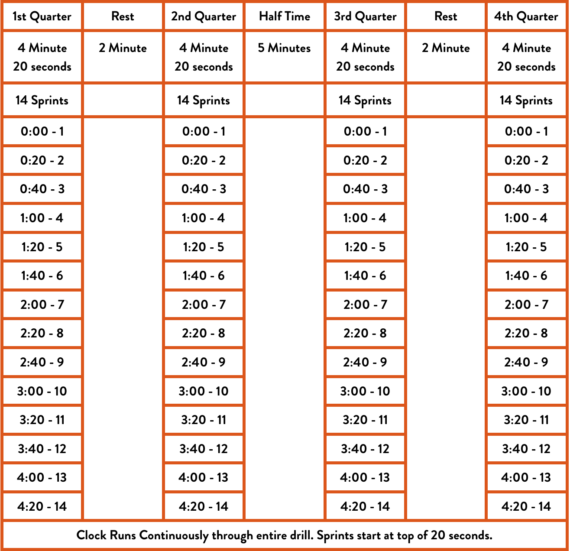
Image Source: pgcbasketball.com
Preparing Your Body for the Court
Basketball is a demanding sport. It requires quick bursts of speed, constant movement, jumping, and sharp changes in direction. To excel, your body needs to be prepared. This means focusing on a well-rounded approach that includes conditioning, strength, and skill development.
Building a Solid Foundation: Basketball Conditioning
Basketball conditioning is the bedrock of your preparation. It’s about making your body resilient and ready for the relentless pace of a game. This involves building your stamina so you don’t tire out quickly and ensuring your muscles can handle the repeated stress of sprinting, jumping, and pivoting.
Cardiovascular Endurance: The Engine of Your Game
Your heart and lungs need to work efficiently to keep you going. Think of it as the engine of your basketball performance. Without good cardio, you’ll get winded fast, missing crucial plays and opportunities.
Aerobic Stamina Building
- Running: Long, steady runs help build your aerobic base. Aim for 20-30 minutes, 2-3 times a week. Gradually increase the duration or intensity.
- Cycling: A great low-impact option to build stamina.
- Swimming: Excellent for full-body conditioning and improving lung capacity without stressing your joints.
Anaerobic Power for Sprints and Jumps
Basketball isn’t just about steady running; it’s also about explosive bursts. This is where anaerobic conditioning comes in.
- Sprints: Short, all-out sprints are vital. Do 10-15 sprints of 10-20 seconds each, with a minute or two of rest in between. Repeat this 2-3 times.
- Interval Training: Alternate between high-intensity bursts (like sprinting or intense jogging) and periods of lower intensity or rest. This mimics the stop-and-go nature of basketball.
- Example Interval Workout:
- Sprint for 30 seconds.
- Jog or walk for 60 seconds.
- Repeat 10-15 times.
- Example Interval Workout:
Basketball Endurance Exercises: Specific Movements
Beyond general cardio, specific exercises can replicate basketball movements and build endurance for them.
- Suicides (Line Drills): Sprint to the free-throw line, back, half-court, back, full-court, back. This is a classic for building court-specific stamina.
- Shuttle Runs: Similar to suicides, but can be adapted to different distances.
- Defensive Slides: Practice sliding side-to-side across the court. Do this for set periods (e.g., 30 seconds) with short rests. This builds lateral quickness and endurance.
- Jumping Drills: Repeatedly practice vertical jumps or broad jumps to build leg endurance for rebounding and blocking.
Developing Agility and Footwork: The Quickness Factor
Basketball players need to be agile. This means being able to change direction quickly and efficiently without losing balance or speed. Basketball agility training focuses on improving your reaction time and your ability to move in multiple directions smoothly.
Cone Drills
- T-Drill: Set up four cones in a T shape. Sprint forward, shuffle to the side, shuffle back, crossover step to the other side, shuffle back, and sprint forward.
- Zig-Zag Drill: Set up a series of cones in a zig-zag pattern. Dribble through them, changing direction sharply at each cone.
- Box Drill: Set up four cones in a square. Sprint to one, shuffle to the next, backpedal to the third, and shuffle back to the start.
Ladder Drills
Agility ladders are fantastic for improving foot speed, coordination, and quickness.
- In-and-Out: Step into each rung with both feet, then step outside with both feet.
- Icky Shuffle: A quick side-to-side stepping pattern.
- Two Feet In, One Foot Out: A dynamic drill to build coordination.
Reaction Drills
- Mirror Drills: Have a partner move, and you mirror their movements as quickly as possible. This sharpens your reaction time.
- Ball Drop Drills: Have a partner drop a ball, and you react to catch it.
Sculpting Strength: Powering Your Performance
Basketball requires strength for shooting, rebounding, defending, and driving to the basket. Basketball strength training should focus on functional strength that translates directly to on-court movements.
Lower Body Strength
Strong legs are crucial for jumping, defending, and absorbing impact.
- Squats: Essential for overall leg strength. Variations include front squats, back squats, and goblet squats.
- Lunges: Target individual leg strength and balance. Forward lunges, reverse lunges, and lateral lunges are all beneficial.
- Deadlifts: Develops posterior chain strength (hamstrings, glutes, lower back), vital for explosive power.
- Calf Raises: Important for vertical jump and quick footwork.
Upper Body Strength
While not as dominant as legs, upper body strength is key for finishing through contact, passing, and rebounding.
- Push-ups: A great bodyweight exercise for chest, shoulders, and triceps.
- Bench Press: Builds chest and shoulder strength.
- Overhead Press: Develops shoulder strength and stability.
- Pull-ups/Chin-ups: Excellent for back and bicep strength, important for grabbing rebounds and finishing strong.
- Rows (Dumbbell or Barbell): Balances out pushing movements and builds back strength.
Core Strength
A strong core acts as a bridge between your upper and lower body, improving stability, power transfer, and injury prevention.
- Plank: Hold for time, focusing on keeping the body in a straight line.
- Russian Twists: Develops rotational core strength, useful for shooting and passing.
- Leg Raises: Targets the lower abdominal muscles.
- Crunches and Sit-ups: Traditional, but effective for abdominal muscles.
Strength Training Program Considerations
- Frequency: Aim for 2-3 strength training sessions per week, with at least one rest day between sessions.
- Rep Ranges: For strength and power, focus on 3-5 sets of 6-12 repetitions. For pure power, lower reps (3-5) with heavier weight can be used.
- Progression: Gradually increase the weight, repetitions, or sets as you get stronger.
- Balance: Ensure you work opposing muscle groups to prevent imbalances (e.g., push-ups and pull-ups).
Honing Your Skills: Basketball Training Drills
Great conditioning and strength are important, but basketball is also about skill. Basketball training drills are essential for improving your shooting, dribbling, passing, and defensive techniques.
Shooting Drills: Precision and Consistency
Shooting is a skill that requires constant practice. Repetition with proper form is key.
- Form Shooting: Start close to the basket, focusing purely on your shooting form (BEEF: Balance, Eyes, Elbow, Follow-through). Make 10 shots from various spots around the paint.
- Catch and Shoot: Have a partner pass you the ball, simulate catching it and shooting immediately. Focus on quick footwork to get into your shot.
- Dribble Pull-ups: Practice dribbling, taking a few steps, and pulling up for a jump shot.
- Mikan Drill: A repetitive drill alternating layups from the left and right side, focusing on touch and rhythm.
- Spot Shooting: Move to different spots on the court and make a set number of shots (e.g., 5-10) from each spot.
Dribbling Drills: Ball Handling Mastery
Ball handling is crucial for control and creating scoring opportunities.
- Stationary Drills:
- Two-Ball Dribbling: Dribble two balls simultaneously, varying the intensity (low, high) and pattern (alternating, simultaneous).
- Wrap-arounds: Wrap the ball around your waist, legs, and head to improve feel.
- Finger-tip Control: Practice dribbling with only your fingertips, focusing on control.
- Dribbling on the Move:
- Full-court Dribble: Dribble the length of the court, changing hands and speed.
- Crossover Drills: Practice crossover moves at different speeds and angles.
- Behind-the-Back and Between-the-Legs: Integrate these moves into your dribbling.
Passing Drills: Connecting with Teammates
Effective passing is vital for team play.
- Wall Passing: Stand facing a wall and practice chest passes, bounce passes, and overhead passes, focusing on accuracy and power.
- Two-Man Passing: Work with a partner on various passes, moving and cutting to receive the ball.
- Passing on the Move: Practice passing while dribbling or cutting.
Defensive Drills: Shutting Down the Opponent
Good defense wins championships.
- Defensive Slides (again): Practice staying low and moving laterally with good defensive posture.
- Close-out Drills: Sprint towards an imaginary shooter, then chop your feet to stop and contest the shot without fouling.
- Rebound Drills: Practice boxing out and jumping to secure rebounds.
Putting It All Together: Your Basketball Fitness Plan
A comprehensive basketball fitness plan integrates conditioning, strength, and skills into a cohesive training regimen. The key is consistency and progressive overload.
Off-Season Basketball Workouts: Building the Base
The off-season is your time to focus on building a strong foundation without the pressure of in-season games. This is when you can really develop your body.
- Focus: Strength building, cardiovascular endurance, and skill refinement with less intensity.
- Frequency: 3-4 days per week, mixing strength, conditioning, and skills.
- Example Off-Season Week:
- Monday: Full Body Strength Training, Light Cardio (jogging)
- Tuesday: Basketball Agility Drills, Shooting Drills (focus on form)
- Wednesday: Rest or Active Recovery (light stretching, foam rolling)
- Thursday: Lower Body Strength Training, Interval Sprints
- Friday: Dribbling and Passing Drills, Defensive Drills
- Saturday: Longer Cardio Session (e.g., cycling or swimming), Skill Practice (shooting)
- Sunday: Rest
In-Season Maintenance: Staying Sharp
During the season, your training shifts to maintenance and injury prevention. The focus is on being ready for games and practices.
- Focus: Maintaining strength and conditioning, refining skills, and prioritizing recovery.
- Frequency: 2-3 days per week, with lighter weights and reduced volume to avoid overtraining.
- Example In-Season Week (assuming 1-2 games):
- Game Day: Light shooting, pre-game warm-up.
- Day After Game: Active Recovery (stretching, light cardio, foam rolling) or complete rest.
- 2 Days After Game: Lighter Strength Training (focus on compound movements, lower weight, fewer sets), Skill Work (specific areas to improve).
- 3 Days After Game: Basketball Practice, Conditioning Drills (shorter, sharper bursts).
- 4 Days After Game: Rest or very light stretching.
- 5 Days After Game: Basketball Practice, Basketball Agility Training.
- 6 Days After Game: Light shooting, prepare for next game.
Nutrition and Recovery: The Unsung Heroes
No basketball fitness plan is complete without attention to what you eat and how you recover.
Fueling Your Performance
- Hydration: Drink plenty of water throughout the day, especially before, during, and after training.
- Balanced Diet: Consume a mix of lean proteins, complex carbohydrates, healthy fats, and plenty of fruits and vegetables.
- Protein: For muscle repair and growth (chicken, fish, beans, tofu).
- Carbohydrates: For energy (oats, brown rice, whole wheat bread, fruits, vegetables).
- Fats: For hormone production and energy (avocado, nuts, seeds, olive oil).
- Pre-game Meal: Eat a meal rich in carbohydrates 2-3 hours before a game or intense practice.
- Post-game/Practice Meal: Consume a meal with protein and carbohydrates within 30-60 minutes to aid recovery.
Prioritizing Recovery
- Sleep: Aim for 7-9 hours of quality sleep per night. This is when your body repairs itself.
- Stretching and Flexibility: Regular stretching, especially after workouts, helps maintain range of motion and prevent injuries.
- Foam Rolling: Can help release muscle tension and improve blood flow.
- Rest Days: Crucial for allowing your body to recover and adapt to training. Don’t skip them!
Progress Tracking and Adaptation
To ensure you are getting in shape effectively, it’s important to track your progress.
- Journaling: Keep a log of your workouts, including exercises, sets, reps, weights, and how you felt.
- Performance Metrics: Track improvements in sprint times, jump height, shooting percentage, or how long you can sustain a certain level of intensity.
- Listen to Your Body: Pay attention to any pain or unusual fatigue. It’s better to take an extra rest day than push through an injury.
- Adjust as Needed: Your plan isn’t set in stone. If something isn’t working, or if you’re plateauing, don’t be afraid to change your exercises, intensity, or frequency.
Sample Basketball Conditioning Drills
Here’s a look at some specific drills that are cornerstones of basketball conditioning:
| Drill Name | Description | Primary Benefit |
|---|---|---|
| Suicides | Sprint to lines across the court and back. | Court-specific endurance, acceleration, deceleration. |
| Defensive Slides | Lateral shuffling across the court, staying low. | Lateral quickness, hip strength, endurance. |
| Shuttle Runs | Sprinting short distances back and forth, changing direction. | Agility, quick bursts of speed, acceleration. |
| Interval Sprints | Alternating short, intense sprints with recovery periods. | Anaerobic capacity, explosiveness. |
| Jump Rope | Jumping rope continuously for set periods. | Calf strength, footwork, cardiovascular endurance. |
| Line Drills (Varied) | Combining sprints, slides, and backpedals between different court lines. | Comprehensive court conditioning. |
| High-Intensity Interval Training (HIIT) | Short bursts of maximum effort followed by brief recovery. | Cardiovascular fitness, calorie burn. |
Sample Basketball Strength Training Exercises
This table outlines effective exercises for basketball strength training:
| Muscle Group | Exercise Name | Sets x Reps (Strength Focus) | Sets x Reps (Endurance Focus) | Notes |
|---|---|---|---|---|
| Lower Body | Squats | 3-4 x 6-10 | 2-3 x 12-15 | Focus on depth and controlled movement. |
| Lunges (all types) | 3 x 8-12 per leg | 2-3 x 10-15 per leg | Maintain balance and proper form. | |
| Deadlifts | 3 x 5-8 | 2 x 10-12 | Crucial for posterior chain power. | |
| Calf Raises | 3 x 10-15 | 3 x 15-20 | Focus on full range of motion. | |
| Upper Body | Push-ups | 3 x As many as possible | 2-3 x 15-20 | Variations like diamond or wide push-ups. |
| Bench Press | 3-4 x 6-10 | 2-3 x 10-12 | Engage core, control the descent. | |
| Overhead Press | 3 x 6-10 | 2-3 x 10-12 | Keep core tight. | |
| Pull-ups/Chin-ups | 3 x As many as possible | 2 x 8-12 | Use assisted machine if needed. | |
| Rows (Dumbbell/BB) | 3 x 8-12 | 2-3 x 10-15 | Squeeze shoulder blades together. | |
| Core | Plank | 3 x 30-60 sec | 2 x 60-90 sec | Keep body straight, engage abs. |
| Russian Twists | 3 x 15-20 per side | 2 x 20-25 per side | Rotate through the torso. | |
| Leg Raises | 3 x 15-20 | 2 x 20-25 | Keep lower back pressed to the ground. |
Frequently Asked Questions (FAQ)
Q1: How long does it take to get in basketball shape?
A: It typically takes 6-8 weeks of consistent training to build a solid base of basketball fitness. However, noticeable improvements can be seen in as little as 2-4 weeks.
Q2: Can I get in shape for basketball by just playing games?
A: Playing games is essential for skill development and getting a feel for the game, but it’s usually not enough for optimal physical conditioning. A dedicated training plan that includes specific conditioning, strength, and agility work will yield better results.
Q3: What if I have no basketball experience?
A: Start with the basics! Focus on building general fitness (cardio, strength) and then gradually introduce basketball-specific drills. Plenty of resources are available for beginners to learn the fundamentals.
Q4: How often should I practice basketball skills?
A: Aim to practice skills at least 2-3 times per week. Consistency is more important than cramming. Dedicate time to shooting, dribbling, and passing in each session.
Q5: Is it okay to do strength training and basketball practice on the same day?
A: Yes, but it’s often best to separate them by several hours or do them on different days to allow for proper recovery. If you must do them together, do your basketball practice or conditioning before your strength training so you have maximum energy for skill execution.
Getting in shape for basketball is a journey, not a destination. By following a structured plan that incorporates basketball conditioning, basketball strength training, basketball agility training, and focused basketball skills development through various basketball practice drills and basketball training drills, you’ll be well on your way to peak performance. Remember to stay consistent, listen to your body, and enjoy the process!