
What makes a great basketball coach? A great basketball coach combines strong leadership, a deep knowledge of the game, excellent communication skills, and a genuine commitment to player development. Can I become a great basketball coach with dedication and the right approach? Yes, absolutely. Who is a great basketball coach? They are mentors, strategists, and motivators who inspire their teams to achieve their best.
Becoming a great basketball coach is a journey, not a destination. It requires continuous learning, adaptation, and a profound dedication to the athletes you lead. It’s about more than just X’s and O’s; it’s about fostering a positive environment where players can grow, learn, and excel both on and off the court. This comprehensive guide delves into the proven tips and essential qualities that define a truly exceptional basketball coach.
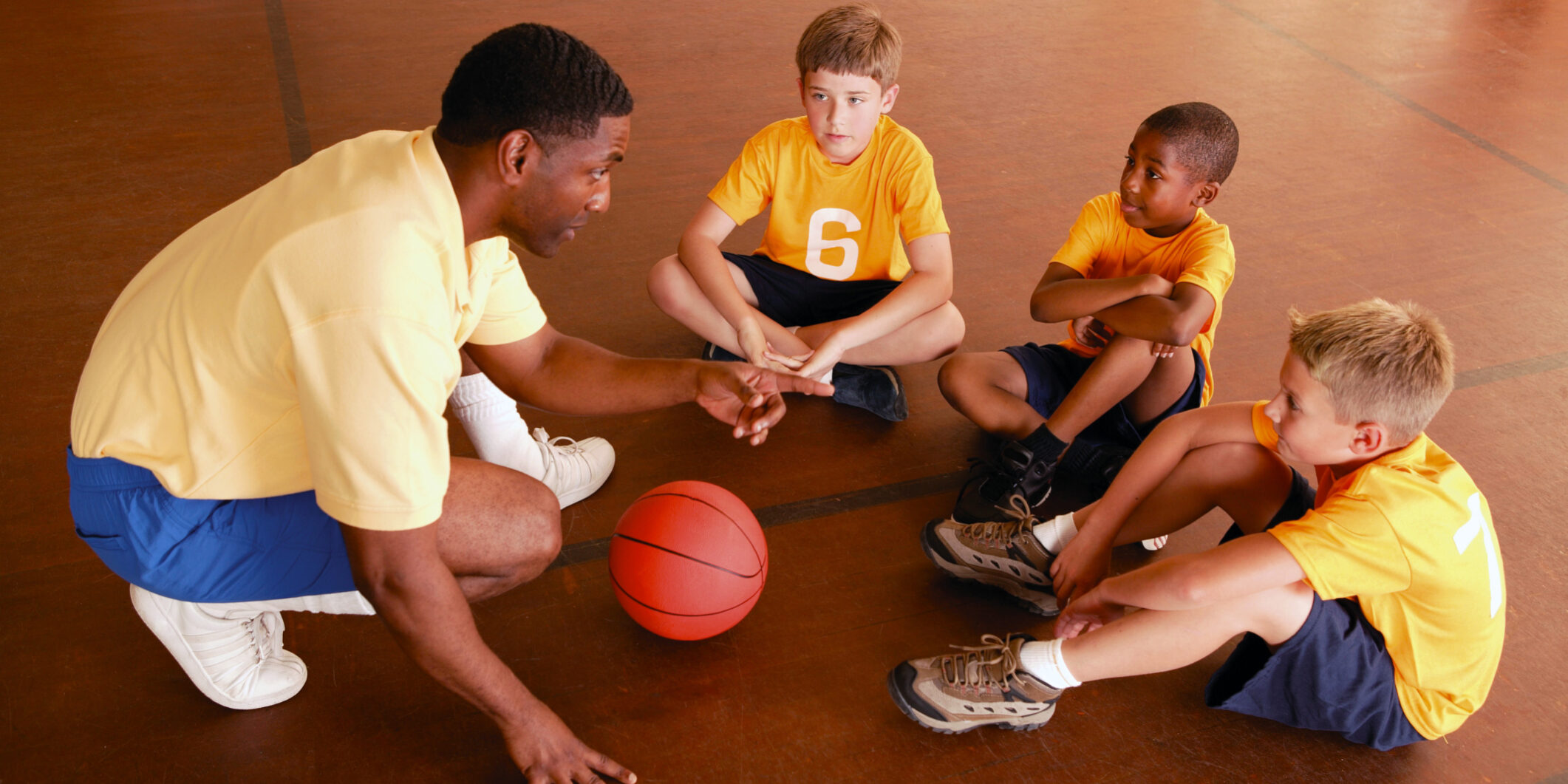
Image Source: changingthegameproject.com
Mastering Practice Planning: The Foundation of Success
Effective practice planning is the bedrock of any successful basketball program. It’s where skills are honed, strategies are implemented, and the team’s chemistry is built. A well-structured practice session maximizes efficiency and ensures that every minute spent on the court contributes to the team’s overall growth.
Designing Effective Practice Sessions
A great practice plan is detailed and purposeful. It balances the refinement of fundamental skills with the execution of team strategies.
- Warm-up (10-15 minutes):
- Light cardio (jogging, dynamic stretches).
- Ball-handling drills to get players comfortable with the ball.
- Dynamic stretching (leg swings, arm circles).
- Skill Development (20-30 minutes):
- Focus on specific skill drills related to upcoming games or identified weaknesses. This could include shooting drills, passing drills, dribbling contests, or defensive slides.
- Break down skills into smaller, manageable components.
- Use progression: start simple and gradually increase the difficulty.
- Team Concepts (20-30 minutes):
- Work on offensive schemes and defensive tactics.
- Transition drills: offense to defense and vice-versa.
- Situational play: late-game scenarios, out-of-bounds plays.
- Conditioning/Fun Activity (10-15 minutes):
- Integrate conditioning into drills rather than separate sessions.
- End with a competitive, fun drill to boost morale.
- Cool-down (5 minutes):
- Static stretching.
- Brief team huddle and positive reinforcement.
Incorporating Skill Drills
Skill drills are the building blocks of a player’s game. A great coach knows how to select and implement drills that target specific areas for improvement.
Shooting Drills
- Form Shooting: Focus on proper mechanics from close range.
- Spot Shooting: Shooting from various locations on the court.
- Catch and Shoot: Practicing receiving passes and shooting quickly.
- Shooting off the Dribble: Developing the ability to shoot after dribbling.
Ball Handling Drills
- Stationary Dribbling: Crossovers, between-the-legs, behind-the-back.
- Dribbling on the Move: Dribbling while running, changing pace.
- Two-Ball Dribbling: Enhancing coordination and control.
Passing Drills
- Two-Hand Chest Pass: Basic accuracy and power.
- Bounce Pass: Passing to beat defenders.
- One-Hand Pass: For quicker throws in traffic.
- Passing on the Move: Developing accurate passes while running.
Defensive Drills
- Defensive Slides: Footwork and agility.
- Close-out Drills: Practicing quickly closing the distance to a shooter.
- Shell Drill: Simulating game-like defensive positioning and communication.
Developing Effective Coaching Strategies
Coaching strategies are the plans and methods a coach employs to guide their team towards victory. These strategies encompass everything from offensive and defensive playcalling to player motivation and in-game adjustments.
Offensive Schemes
A great coach devises offensive schemes that leverage the strengths of their players and exploit the weaknesses of their opponents.
- Motion Offense: Emphasizes player movement, passing, and cutting, creating open shots.
- Set Plays: Designed plays executed from specific formations, often used in late-game situations or against certain defenses.
- Pick-and-Roll: A fundamental offensive action involving a ball handler and a screener.
- Triangle Offense: Focuses on spacing and player movement to create scoring opportunities.
A coach must be able to teach these schemes clearly and adapt them based on personnel and opponent tendencies.
Defensive Tactics
Similarly, sound defensive tactics are crucial for limiting the opponent’s scoring.
- Man-to-Man Defense: Each player is assigned to guard a specific opponent.
- On-Ball Defense: Staying in front of the dribbler.
- Off-Ball Defense: Denying passes, providing help.
- Zone Defense: Players guard specific areas of the court.
- 2-3 Zone: Common zone, strong in the paint.
- 3-2 Zone: Better for guarding perimeter shooters.
- Match-up Zone: Blends man-to-man principles with zone principles.
- Pressing Defenses: Applying pressure to the opponent’s offense.
- Full-court Press: Disrupting the opponent before they can set up their offense.
- Half-court Press: Applying pressure in the half-court area.
The choice of offensive and defensive strategies often depends on the coach’s philosophy, the talent of their players, and the opponent’s strengths and weaknesses.
Building a Cohesive Team: The Power of Team Building
Beyond individual talent, a successful basketball team is built on strong team building. This involves fostering a sense of unity, trust, and shared purpose among players.
Cultivating Team Chemistry
- Open Communication: Encourage players to talk to each other and to the coaching staff.
- Shared Goals: Ensure everyone understands and is committed to the team’s objectives.
- Team Activities: Organize events outside of basketball to help players bond.
- Respect: Foster an environment where all players feel valued and respected.
- Conflict Resolution: Address disagreements constructively and fairly.
Defining Roles and Responsibilities
Each player needs to know their role and how it contributes to the team’s success. A great coach clearly defines these roles, whether it’s the star scorer, the defensive stopper, the playmaker, or the glue guy. When players understand their responsibilities, they can focus on executing them effectively.
The Art of Motivation: Inspiring Your Players
Motivational techniques are essential for keeping players engaged, driven, and performing at their peak. A coach’s ability to inspire can make a significant difference in a team’s mindset and performance.
Strategies for Motivation
- Positive Reinforcement: Praising effort, improvement, and good plays.
- Constructive Criticism: Providing feedback in a way that encourages growth, not discouragement.
- Goal Setting: Helping players set both individual and team goals.
- Inspiring Speeches: Using words to ignite passion and belief.
- Leading by Example: Demonstrating the same dedication and work ethic you expect from your players.
- Celebrating Successes: Acknowledging milestones and victories, no matter how small.
A coach must also be aware of what motivates each individual player. Some respond to public praise, while others prefer private encouragement.
Essential Leadership Skills for Coaches
Leadership skills are paramount for any coach. A coach is the leader of the team, and their actions and demeanor set the tone for the entire program.
Key Leadership Qualities
- Integrity: Being honest, ethical, and fair in all dealings.
- Vision: Having a clear idea of what the team can achieve and how to get there.
- Accountability: Taking responsibility for the team’s performance and making sound decisions.
- Empathy: Showing care and concern for players as individuals.
- Decisiveness: Making timely and confident decisions, especially during games.
- Resilience: The ability to bounce back from setbacks and maintain composure.
A coach with strong leadership skills builds trust and respect, which are vital for a high-performing team.
Mastering Game Management: The Coach’s In-Game Role
Game management refers to a coach’s ability to make strategic decisions and adjustments during a game to maximize their team’s chances of winning. This is where a coach’s preparation and strategic thinking are put to the ultimate test.
Key Aspects of Game Management
- Timeouts: Using timeouts effectively to stop runs, draw up plays, or regroup the team.
- Substitutions: Making timely and strategic substitutions to maintain energy, match up with the opponent, or spark a change in momentum.
- Playcalling: Calling the right plays at the right times, both offensively and defensively.
- Player Adjustments: Adapting to what the opponent is doing and making necessary changes to the team’s strategy.
- Clock Management: Understanding how to use the game clock to the team’s advantage, especially in close games.
- Managing Officials: Communicating respectfully with referees and knowing when to challenge calls.
- Emotional Control: Remaining calm and composed, even in high-pressure situations, to project confidence to the team.
A coach who excels at game management can often outwit their opponents and secure victories that might otherwise be out of reach.
Continuous Player Development: Nurturing Growth
Player development is a core responsibility of any coach. It means helping each athlete improve their skills, basketball IQ, and overall understanding of the game.
Fostering Skill Progression
- Individualized Training: Recognizing that players develop at different rates and have different needs.
- Teaching Fundamentals: Ensuring players have a solid grasp of the basics.
- Advanced Skills: Introducing and refining more complex techniques as players mature.
- Basketball IQ: Educating players on court awareness, decision-making, and strategy.
- Physical Conditioning: Helping players improve their strength, speed, and endurance.
A coach who prioritizes player development not only creates better athletes but also fosters lifelong learning and a passion for the game.
Key Attributes of a Great Basketball Coach
Beyond specific skills and strategies, certain personal attributes define a great basketball coach.
Essential Qualities to Cultivate
- Passion for the Game: A genuine love for basketball that is infectious.
- Patience: Recognizing that improvement takes time and setbacks are part of the process.
- Adaptability: The willingness to adjust strategies and approaches based on circumstances.
- Humility: Being open to learning from others and acknowledging mistakes.
- Resilience: The ability to handle adversity and keep moving forward.
- Strong Work Ethic: Dedicating the time and effort required to be successful.
Table: Comparing Coaching Styles
| Coaching Style | Strengths | Weaknesses | When to Use |
|---|---|---|---|
| Authoritative | Clear direction, discipline, quick decisions | Can stifle creativity, may not foster autonomy | Emergencies, teams needing strong structure |
| Democratic | High player engagement, fosters buy-in, teamwork | Slower decision-making, potential for conflict | Building team cohesion, experienced teams |
| Laissez-Faire | Encourages independence, player-led innovation | Lack of direction, potential for disorganization | Highly mature, self-motivated teams, skill refinement |
| Transformational | Inspires growth, high expectations, builds culture | Requires strong communication, can be demanding | Developing long-term success, character building |
| Situational | Adapts style to player and game needs | Requires deep self-awareness and flexibility | All situations, ideal for experienced coaches |
Common Pitfalls to Avoid
Even with the best intentions, coaches can fall into common traps. Being aware of these pitfalls can help prevent them.
Avoiding Coaching Mistakes
- Playing Favorites: Showing favoritism can damage team morale and create resentment.
- Over-Coaching: Micromanaging players can hinder their development and confidence.
- Blaming Players: Taking responsibility as a leader is crucial; avoid deflecting blame.
- Ignoring Player Well-being: Forgetting that players are individuals with lives outside of basketball.
- Lack of Preparation: Entering practices or games without a clear plan.
- Inconsistent Messaging: Sending mixed signals about expectations or strategies.
Frequently Asked Questions (FAQ)
Q1: How important is a coach’s knowledge of basketball Xs and Os?
A1: It’s very important. A deep understanding of offensive schemes and defensive tactics allows a coach to create effective game plans and make smart adjustments. However, it’s only one part of being a great coach.
Q2: What is the best way to motivate players who are struggling?
A2: Focus on player development and their effort, not just outcomes. Offer specific feedback, set small achievable goals, and remind them of their strengths. Sometimes, a brief break or a change of pace in practice can help.
Q3: How can I improve my practice planning?
A3: Start by identifying team and individual weaknesses. Plan drills that directly address these areas. Ensure a good balance between skill work, team concepts, and conditioning. Get feedback from players on what they find most beneficial.
Q4: Can team building really make a difference in wins and losses?
A4: Yes. A team with strong chemistry, trust, and communication often performs better than a team with more individual talent but poor cohesion. It impacts how players support each other, communicate on defense, and execute plays.
Q5: How do I balance player development with the need to win games?
A5: Great coaches view winning as a byproduct of development. Focus on teaching, skill improvement, and good decision-making. When players are developing properly, wins will often follow. It’s about long-term growth, not just short-term results.
Q6: What are the most important leadership skills for a basketball coach?
A6: Integrity, vision, communication, empathy, and accountability are crucial. A coach must lead by example and create an environment where players trust and respect them.
Becoming a great basketball coach is a challenging but incredibly rewarding endeavor. By focusing on meticulous practice planning, innovative coaching strategies, strong team building, effective motivational techniques, sound game management, robust player development, and exemplary leadership skills, you can cultivate a team that excels not only in wins and losses but also in character and personal growth. The journey requires continuous learning and a genuine commitment to the athletes you serve.