
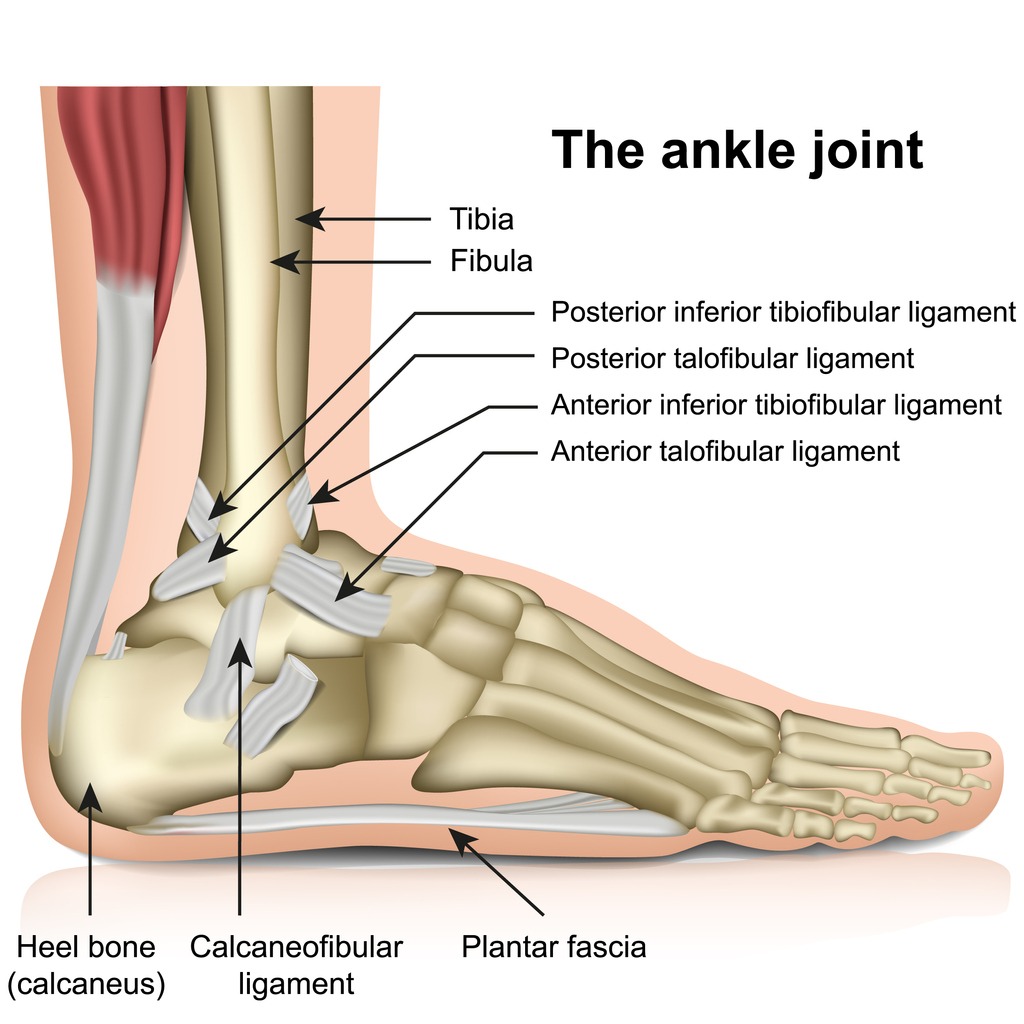
Image Source: www.connecticutchildrens.org
Can You Play Basketball With A Sprained Ankle? Risk and Advice
The short answer to whether you can play basketball with a sprained ankle is generally no, at least not without significant risk and proper healing. Attempting to play basketball with a sprained ankle can worsen the injury, prolong your ankle sprain recovery, and lead to long-term problems. It’s crucial to prioritize ankle sprain recovery and follow expert advice before attempting to get back on the court.
Grappling with a Sprained Ankle: The Basketball Player’s Dilemma
The quick pace, sharp cuts, and sudden stops inherent in basketball make it a high-risk sport for ankle injuries. A sprained ankle occurs when the ligaments that support the ankle joint are stretched or torn. The severity of a sprained ankle can range from a mild stretch to a complete tear of the ligaments.
Types of Ankle Sprains
Ankle sprains are typically classified into three grades:
- Grade 1 (Mild): Slight stretching and microscopic tearing of the ligament fibers. There’s mild tenderness and swelling, and you can usually bear weight with minimal pain.
- Grade 2 (Moderate): Partial tearing of the ligament. There’s moderate pain, swelling, bruising, and some instability. Walking can be painful.
- Grade 3 (Severe): Complete tear of the ligament. There’s severe pain, significant swelling and bruising, and the ankle is very unstable. You likely cannot bear weight at all.
Why Playing Basketball with a Sprained Ankle is a Bad Idea
Basketball demands a lot from your ankles. When you have a sprained ankle, these demands can exacerbate the injury:
- Increased Ligament Damage: The forces involved in jumping, landing, cutting, and pivoting can further tear the already damaged ligaments, turning a mild sprain into a more severe one.
- Delayed Healing: Playing sports with injury disrupts the healing process. Constant stress on the injured ankle prevents the ligaments from repairing properly, significantly extending your ankle sprain recovery time.
- Chronic Ankle Instability: If ligaments don’t heal completely, your ankle can become chronically unstable. This can lead to recurrent sprains, pain, and a higher risk of future injuries, including fractures or arthritis.
- Compensatory Injuries: To protect the injured ankle, you might alter your gait and movement patterns. This can put extra stress on other parts of your body, like your knee, hip, or the other ankle, leading to new injuries.
- Pain and Reduced Performance: Even if you can push through the pain, a sprained ankle will severely limit your agility, speed, and jumping ability, making you ineffective on the court and a liability to your team.
The Journey to Recovery: A Step-by-Step Approach
A successful ankle sprain recovery requires patience and a structured approach, often guided by sports medicine professionals. The goal is to reduce pain and swelling, restore range of motion, regain strength and balance, and finally, safely return to play.
Initial Management: The RICE Protocol
Immediately after an ankle sprain, the RICE protocol is the cornerstone of initial treatment:
- Rest: Avoid activities that aggravate the pain, especially basketball. This means taking a break from practice and games.
- Ice: Apply ice packs to the injured area for 15-20 minutes every 2-3 hours for the first 24-48 hours. This helps reduce swelling and pain. Wrap the ice pack in a thin towel to prevent frostbite.
- Compression: Use an elastic bandage to wrap the ankle. This provides support and helps control swelling. Ensure the wrap is snug but not too tight, as this can restrict blood flow.
- Elevation: Keep the injured ankle raised above the level of your heart whenever possible. This also aids in reducing swelling by allowing gravity to help drain excess fluid.
Seeking Professional Guidance
For anything more than a very mild sprain, consulting a healthcare professional, such as a doctor, physical therapist, or athletic trainer, is essential. They can:
- Diagnose the Severity: Accurately assess the grade of your sprained ankle through physical examination and potentially imaging tests like X-rays or MRIs to rule out fractures.
- Develop a Treatment Plan: Create a personalized plan for ankle sprain recovery, which may include specific exercises, modalities, and guidance on when to resume activities.
- Recommend Appropriate Support: Advise on the best type of ankle support, such as braces or taping techniques, for your specific injury.
Rehabilitation Exercises
Rehabilitation is a critical phase in ankle sprain recovery. It focuses on regaining full function of the ankle and preparing it for the demands of basketball. These exercises are typically introduced progressively:
Phase 1: Protecting and Reducing Swelling
- Gentle Range of Motion:
- Ankle Alphabet: Trace the letters of the alphabet in the air with your big toe.
- Dorsiflexion/Plantarflexion: Gently point your toes up towards your shin, then down away from it.
- Inversion/Eversion: Gently turn the sole of your foot inward, then outward.
Phase 2: Restoring Strength and Flexibility
- Towel Curls: Sit with your foot flat on a towel. Curl your toes to bunch up the towel, then release.
- Calf Raises: Stand with your feet hip-width apart. Rise up onto the balls of your feet, then slowly lower. Progress to single-leg calf raises as strength improves.
- Resistance Band Exercises:
- Plantarflexion: Loop a resistance band around your foot and pull your toes down against the resistance.
- Dorsiflexion: Loop the band around a stable object and anchor your foot. Pull your foot upwards against the resistance.
- Inversion/Eversion: Anchor the band and move your foot inward or outward against the resistance.
Phase 3: Improving Balance and Proprioception
Proprioception is your body’s ability to sense its position in space. After a sprain, this sense is often diminished.
- Single-Leg Stance: Stand on the injured leg. Start by holding onto a stable surface, then progress to unassisted standing.
- Tandem Stance: Stand with one foot directly in front of the other, like on a balance beam.
- Balance Board/Wobble Board: Stand on an unstable surface and try to maintain balance. Progress to single-leg stance on the board.
Phase 4: Sport-Specific Drills and Return to Play
This phase involves gradually reintroducing the movements required for basketball.
- Light Jogging: Begin with a slow jog, gradually increasing speed and duration.
- Agility Drills: Start with simple side-shuffles, then progress to more complex drills like cone drills and figure-eights.
- Jumping and Landing: Practice controlled jumps and soft landings.
- Cutting and Pivoting: Gradually incorporate gentle cutting and pivoting movements.
Ankle Support Options
During rehabilitation and for return to play, appropriate ankle support can be very beneficial.
- Ankle Braces: These provide external stability to the ankle. They come in various types, from soft sleeves to rigid lace-up braces, offering different levels of support. A sports medicine professional can help you choose the best brace for your needs.
- Taping: Athletic taping can provide support and proprioceptive feedback. It’s often used by athletes for basketball injury prevention and support during a return to play.
The Timeline for Returning to Basketball
There is no one-size-fits-all timeline for return to play after a sprained ankle. It depends heavily on the severity of the sprain, how well you adhere to your rehabilitation program, and your body’s individual healing rate.
- Grade 1 Sprain: You might be able to return to play in 1-3 weeks.
- Grade 2 Sprain: Recovery can take 3-6 weeks or longer.
- Grade 3 Sprain: This can require 6-8 weeks or even months of rehabilitation and may sometimes necessitate surgery.
It’s crucial to listen to your body and not rush the process. A healthcare provider will usually give the green light for return to play when you can:
- Bear full weight on the ankle without pain.
- Move the ankle through its full range of motion.
- Perform strength and balance tests successfully.
- Complete sport-specific drills without pain or instability.
Basketball Injury Prevention: Strategies for Healthy Ankles
Preventing ankle injuries is as important as recovering from them. Incorporating these strategies can significantly reduce your risk of a sprained ankle:
Pre-Season Conditioning
- Strengthen Supporting Muscles: Focus on strengthening the muscles around the ankle and lower leg, including the calf muscles, tibialis anterior, and peroneal muscles.
- Improve Balance and Proprioception: Regularly perform balance exercises, even when your ankles are healthy.
- Flexibility: Maintain good flexibility in your calf muscles and Achilles tendon.
During Play
- Proper Footwear: Wear well-fitting basketball shoes that provide good ankle support and cushioning. Replace worn-out shoes that have lost their support.
- Warm-up: Always perform a thorough warm-up before playing, including dynamic stretching and light cardio to prepare your muscles and joints.
- Be Aware of Your Surroundings: Pay attention to the court surface and other players to avoid awkward landings or collisions.
- Ankle Support: Consider using an ankle support brace or tape if you have a history of ankle sprains or feel your ankles are particularly vulnerable. This is a common practice for basketball injury prevention.
Post-Play Routine
- Cool-down and Stretching: Engage in cool-down exercises and static stretching to help your muscles recover and maintain flexibility.
- Listen to Your Body: Don’t ignore any twinges of pain. Address minor issues before they become major problems.
Frequently Asked Questions (FAQ)
Q1: How long does a sprained ankle take to heal for basketball?
A1: The healing time for a sprained ankle varies greatly depending on the severity. A mild sprain might allow a return to play in 1-3 weeks, while a moderate sprain could take 3-6 weeks. Severe sprains can take much longer, with some requiring months of rehabilitation.
Q2: Can I put weight on a sprained ankle?
A2: For mild sprains, you can usually put some weight on the ankle. However, if it causes significant pain, it’s best to avoid weight-bearing. Always follow the advice of a healthcare professional.
Q3: What is the best ankle support for basketball?
A3: The best ankle support depends on the individual and the severity of the injury. Lace-up braces generally offer the most support, while athletic taping can also be effective for basketball injury prevention and support. Consult with a physical therapist or athletic trainer for personalized recommendations.
Q4: Should I ice or heat a sprained ankle?
A4: In the initial 24-48 hours after a sprained ankle, you should primarily use ice to reduce swelling and pain. After that initial period, heat might be used to promote blood flow and healing, but always follow professional advice.
Q5: What are the long-term effects of playing basketball with a sprained ankle?
A5: Playing basketball with a sprained ankle can lead to chronic ankle instability, recurrent sprains, pain, and an increased risk of developing arthritis in the ankle joint. It’s essential to allow for proper ankle sprain recovery to prevent these long-term issues.
Conclusion: Prioritizing Health for Peak Performance
While the urge to get back on the court is strong for any basketball player, attempting to play with a sprained ankle is a gamble that rarely pays off. Prioritizing a thorough ankle sprain recovery through proper rehabilitation and professional guidance will ultimately lead to a safer and more effective return to play. By focusing on basketball injury prevention strategies and listening to your body, you can enjoy the sport for years to come without unnecessary setbacks. Remember, your long-term health and performance are more important than a single game.