
Building a basketball gymnasium can cost anywhere from $1 million to $20 million or more, depending on its size, features, materials, and location. The initial estimate for indoor basketball court pricing can be a broad range, but breaking down the project helps refine that figure. When you’re considering the cost to build a sports facility, many factors come into play, from the foundation to the final finishing touches. This comprehensive guide will explore the various expenses involved in athletic facility development costs, offering insights into how to approach your stadium construction budget.
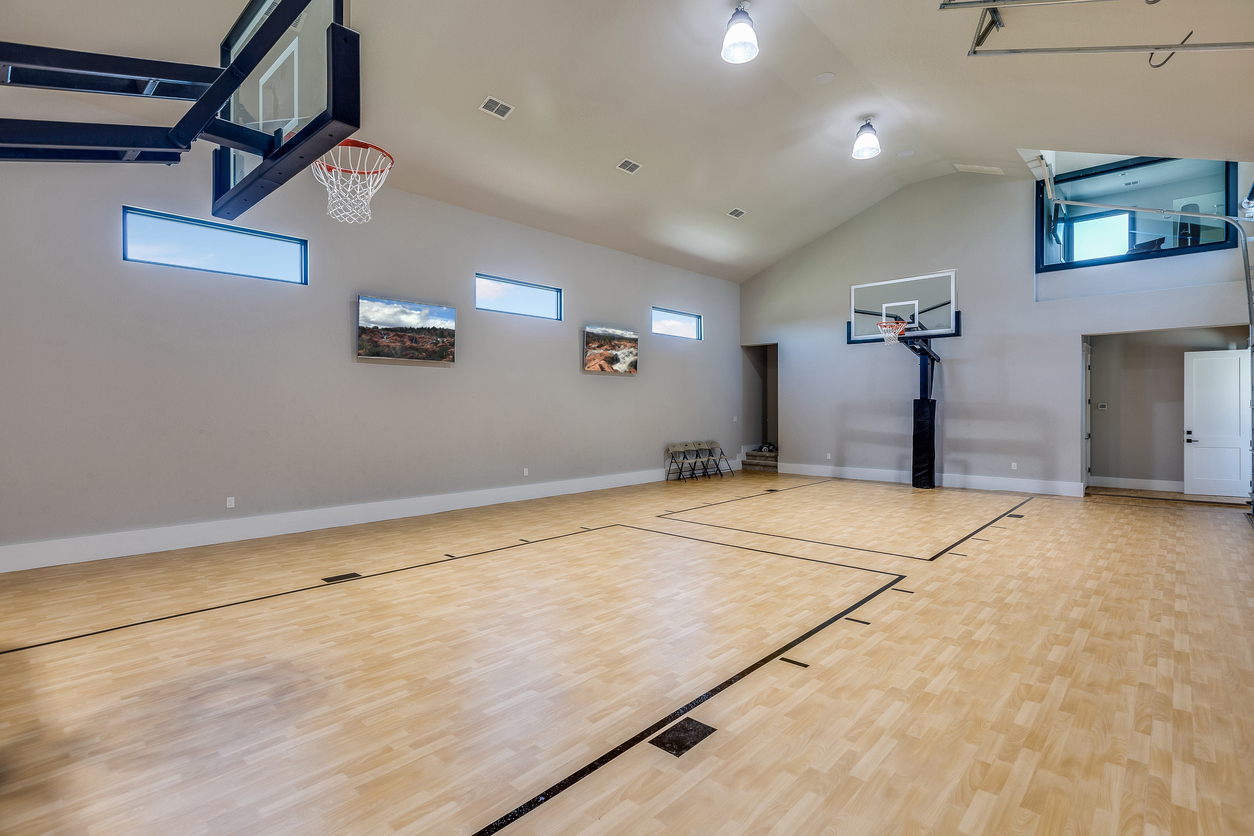
Image Source: www.dominatorhoop.com
Deciphering the Major Cost Components
The expense of constructing a gymnasium isn’t just about the basketball court itself. It’s a complex undertaking involving numerous elements that contribute to the overall gymnasium building expenses.
Site Preparation and Land Costs
Before any construction begins, the land must be ready.
- Land Acquisition: The price of land varies greatly by location. Urban areas are significantly more expensive than rural ones.
- Site Clearing and Grading: This involves removing trees, rocks, and debris. Grading ensures a level surface for construction, which can involve significant excavation or adding fill material.
- Demolition (if applicable): If an existing structure needs to be removed, this adds another layer of cost.
Foundation and Structural Costs
The skeleton of your gymnasium is critical for its longevity and safety.
- Foundation: This includes excavation, concrete pouring, and reinforcing steel. The type of soil and local building codes influence the complexity and cost.
- Structural Steel or Wood Framing: The main support system for the building. Steel is generally more expensive but offers greater spans and durability. Wood framing is often used for smaller or less complex structures.
- Roofing: Materials like metal, asphalt shingles, or specialized sports surfaces all have different price points.
The Basketball Court Itself
This is the heart of the facility, and its cost is a significant part of the basketball arena construction costs.
- Court Flooring:
- Hardwood: The traditional choice for professional and collegiate play, offering excellent shock absorption and ball bounce. Basketball court installation fees for premium hardwood can be substantial. Prices can range from $8 to $15 per square foot installed.
- Synthetic/Vinyl: More affordable and durable for multi-purpose use, these can mimic the feel of hardwood. Costs can range from $3 to $8 per square foot installed.
- Concrete: The most basic option, often painted, but not ideal for professional play due to its hardness and lack of shock absorption.
- Court Markings and Finishes: Includes painting lines, logos, and applying protective sealants.
- Draining Systems (if needed): For outdoor courts or specific indoor designs.
Enclosure and Exterior Costs
The “shell” of the building protects the interior and influences energy efficiency.
- Walls:
- Concrete Masonry Units (CMUs): Durable and cost-effective for many sports facilities.
- Precast Concrete Panels: Faster installation but can be more expensive upfront.
- Steel Frame with Exterior Sheathing: Often clad with metal panels, brick, or other materials.
- Exterior Cladding: The finishing material on the outside walls. Metal siding, brick veneer, stucco, or a combination of materials impacts the aesthetic and the cost.
- Windows and Doors: Including large overhead doors for access, emergency exits, and windows for natural light.
Interior Finishes and Amenities
These elements enhance functionality and user experience.
- Ceiling Systems: Can range from exposed steel beams to suspended acoustic tiles or specialized sports ceiling panels that help with acoustics and light reflection.
- Lighting: Crucial for a basketball court. LED lighting systems are energy-efficient and provide excellent illumination. The number and type of fixtures will affect the cost.
- HVAC (Heating, Ventilation, and Air Conditioning): Essential for comfort and air quality, especially in a large enclosed space.
- Plumbing: Restrooms, locker rooms, and water fountains are standard.
- Electrical: Power for lighting, sound systems, scoreboards, and other equipment.
- Scoreboards and Timing Systems: Digital scoreboards can range from a few thousand dollars to tens of thousands for professional-grade units.
- Bleacher Seating: Retractable bleachers save space but are more expensive than fixed seating. The capacity and type of seating significantly impact the budget.
- Locker Rooms and Restrooms: Include fixtures, showers, benches, and finishing materials.
- Concession Stands/Vending Areas: If planned, these add complexity and cost.
- Storage Areas: For sports equipment.
Specialized Sports Equipment
Beyond the court, other elements are needed for a fully functional facility.
- Basketball Hoops: Includes backboards (glass, acrylic, or composite), rims, and nets. Adjustable height hoops are common.
- Protective Padding: Wall padding and pole padding for safety.
- Sound Systems: For announcements and music.
- Wall Padding: Essential safety feature around the perimeter of the court.
Factors Influencing the Total Price Tag
Several variables can dramatically shift the cost of building a sports complex or a standalone gymnasium.
Size and Scope
The most obvious factor is the dimensions of the gymnasium.
- Square Footage: A smaller community gym will cost far less than a large collegiate or professional-level facility.
- Number of Courts: A facility with multiple courts will naturally have higher construction costs.
- Additional Facilities: Including locker rooms, weight rooms, training areas, or spectator seating will increase the overall expense.
Material Selection
The quality and type of materials chosen have a direct impact on the budget.
- Flooring: As mentioned, hardwood is premium.
- Cladding: Higher-end exterior finishes will cost more than basic metal siding.
- Window Types: Energy-efficient, large-span windows can be costly.
Location and Site Conditions
Where you build plays a crucial role.
- Labor Costs: Prevailing wages vary significantly by region.
- Permitting and Fees: Local government regulations and fees can add unexpected costs.
- Site Accessibility: Difficult-to-access sites may incur higher transportation costs for materials and equipment.
- Geological Conditions: Unstable soil might require more extensive and expensive foundation work.
Design Complexity and Customization
A highly customized design with unique architectural features will be more expensive than a standard, pre-engineered building.
- Architectural Features: Unique shapes, extensive glass, or complex rooflines add to design and construction costs.
- Spectator Seating: The quantity, type (retractable vs. fixed), and comfort of seating impact the budget.
Professional Fees
Don’t forget the experts who make the project happen.
- Architects and Engineers: Fees for design, blueprints, and structural calculations.
- Project Managers: Overseeing the construction process.
- Legal and Consulting Fees: For contracts, zoning, and environmental reviews.
Sustainability and Energy Efficiency
While often leading to long-term savings, upfront costs for features like solar panels, geothermal systems, or advanced insulation can be higher.
Typical Gymnasium Size and Associated Costs
To provide a more concrete idea, let’s look at some rough estimates for different types of facilities. These are general figures and can vary widely.
Small Community/School Gymnasium
- Size: 10,000 – 20,000 sq ft (designed for one standard basketball court)
- Features: Basic locker rooms, restroom facilities, standard lighting, simple seating.
- Estimated Cost: $1.5 million – $4 million
Medium-Sized School or Recreational Center Gymnasium
- Size: 20,000 – 40,000 sq ft (may include one or two courts, or a court with multi-purpose space)
- Features: Improved locker rooms, potential for small spectator areas, better HVAC, more advanced lighting and sound systems, some specialized training areas.
- Estimated Cost: $4 million – $8 million
Large High School or Small College Gymnasium
- Size: 40,000 – 70,000 sq ft (multiple courts, significant spectator seating)
- Features: Modern locker rooms, training rooms, weight rooms, larger seating capacities, advanced audiovisual systems, premium court flooring. This starts to approach athletic facility development costs for a more comprehensive sports venue.
- Estimated Cost: $8 million – $15 million
Collegiate or Professional Level Arena
- Size: 70,000+ sq ft (multiple courts, large seating capacities, premium amenities)
- Features: Luxury suites, high-definition scoreboards, extensive training facilities, club seating, high-end finishes, sophisticated HVAC and lighting systems. This is where basketball arena construction costs can soar.
- Estimated Cost: $15 million – $50 million+
Table 1: Estimated Cost Ranges by Gymnasium Type
| Gymnasium Type | Typical Size (sq ft) | Estimated Cost Range | Key Cost Drivers |
|---|---|---|---|
| Small Community/School | 10,000 – 20,000 | $1.5M – $4M | Basic amenities, single court, simpler finishes |
| Medium School/Recreational Center | 20,000 – 40,000 | $4M – $8M | Better amenities, multi-purpose use, improved lighting, some spectator seating |
| Large High School/Small College | 40,000 – 70,000 | $8M – $15M | Multiple courts, significant seating, training areas, premium court flooring |
| Collegiate/Professional Level Arena | 70,000+ | $15M – $50M+ | High-end finishes, extensive amenities, large spectator capacity, technology |
Fathoming the Public Gymnasium Construction Cost
When considering public gymnasium construction cost, the principles are similar, but there’s often a greater emphasis on durability, accessibility, and often, more robust safety features to accommodate a wider range of users. Community centers and public schools might opt for slightly less premium finishes to manage overall gymnasium building expenses, but the core structural and court-related costs remain significant.
The Importance of a Detailed Budget and Planning
Cost to build a sports facility is a significant investment. Thorough planning is paramount.
Feasibility Study
Before committing, conduct a feasibility study to assess the project’s viability, including market demand, site suitability, and preliminary cost estimates.
Engaging Professionals Early
Work with experienced architects, engineers, and construction managers from the outset. Their expertise can help optimize designs, identify potential cost savings, and ensure compliance with building codes.
Phased Construction
For larger projects, consider a phased approach. You might build the core gymnasium first and add ancillary facilities or upgrades in later phases as funding becomes available. This is a common strategy for managing the cost of building a sports complex.
Value Engineering
This process involves reviewing designs and materials to find cost-effective alternatives without sacrificing quality or functionality.
Contingency Fund
Always include a contingency fund (typically 10-20% of the total budget) for unforeseen expenses.
Case Studies in Gymnasium Building Expenses
While specific numbers are proprietary, looking at public records for school district projects or municipal recreation centers can offer insights into actual public gymnasium construction cost. For instance, a new high school gymnasium might be reported with a total project cost that includes site work, building construction, and furnishing, giving a broader picture of athletic facility development costs. Similarly, private sports clubs or academies will have their own benchmarks for indoor basketball court pricing, often driven by the desire for higher-end finishes and amenities to attract members.
Frequently Asked Questions About Gymnasium Construction
Q1: What is the average cost per square foot to build a gymnasium?
A1: The average cost per square foot can range from $150 to $400 or more, depending on the factors mentioned previously. Smaller, simpler gyms will be on the lower end, while high-end facilities with extensive amenities will be on the higher end.
Q2: Can I build a basic indoor basketball court for under $1 million?
A2: It’s highly unlikely to build a fully enclosed, climate-controlled indoor basketball gymnasium for under $1 million in most developed regions, especially if you include basic amenities like restrooms and locker rooms. A very basic, open-air court or a small, unconditioned structure might fall within that range, but a standard gym typically exceeds it.
Q3: How long does it take to build a basketball gymnasium?
A3: The construction timeline can vary from 9 months to 2 years or longer, depending on the size, complexity, site conditions, permitting process, and weather.
Q4: What are the biggest cost drivers in gymnasium construction?
A4: The biggest cost drivers usually include the foundation and structural system, the basketball court flooring, HVAC systems, lighting, and spectator seating.
Q5: Are there ways to reduce gymnasium construction costs?
A5: Yes, options include opting for simpler finishes, using pre-engineered building components, choosing synthetic court flooring over hardwood, simplifying the HVAC and lighting systems, and reducing the scope of ancillary facilities like locker rooms or concession areas. Value engineering during the design phase is also crucial.
Q6: What is the lifespan of a gymnasium?
A6: With proper maintenance, a well-constructed gymnasium can last for 50 years or more. The lifespan of specific components, like the court flooring or HVAC system, may be shorter and require replacement or refurbishment over time.
Q7: Who is responsible for overseeing a gymnasium construction project?
A7: Typically, a general contractor is hired to manage the day-to-day construction activities. The overall project is usually overseen by a project manager, often working in conjunction with architects, engineers, and the owner’s representative.
In conclusion, the question of “How much does it cost to build a basketball gymnasium?” has a complex answer. It’s a substantial investment that requires careful planning, professional guidance, and a clear understanding of all the contributing factors. From the initial site preparation to the final squeak of a basketball on a polished hardwood floor, each element adds to the overall gymnasium building expenses. By thoroughly researching and budgeting for each stage, you can build a facility that meets your needs and provides a valuable space for years to come, whether it’s a simple community court or a state-of-the-art basketball arena construction costs.