
What is the cost to build a basketball gym? The cost to build a basketball gym can range significantly, from tens of thousands of dollars for a basic outdoor court to several million for a professional-grade indoor facility. This wide range depends on numerous factors, including size, materials, location, and desired amenities.
Building a basketball gym, whether for a school, a private club, a commercial venture, or even a high-end residential property, is a substantial investment. The basketball court construction cost is just one piece of a much larger puzzle. This guide will delve into the various elements that contribute to the overall indoor basketball facility price and help you navigate the complexities of building a sports complex cost.
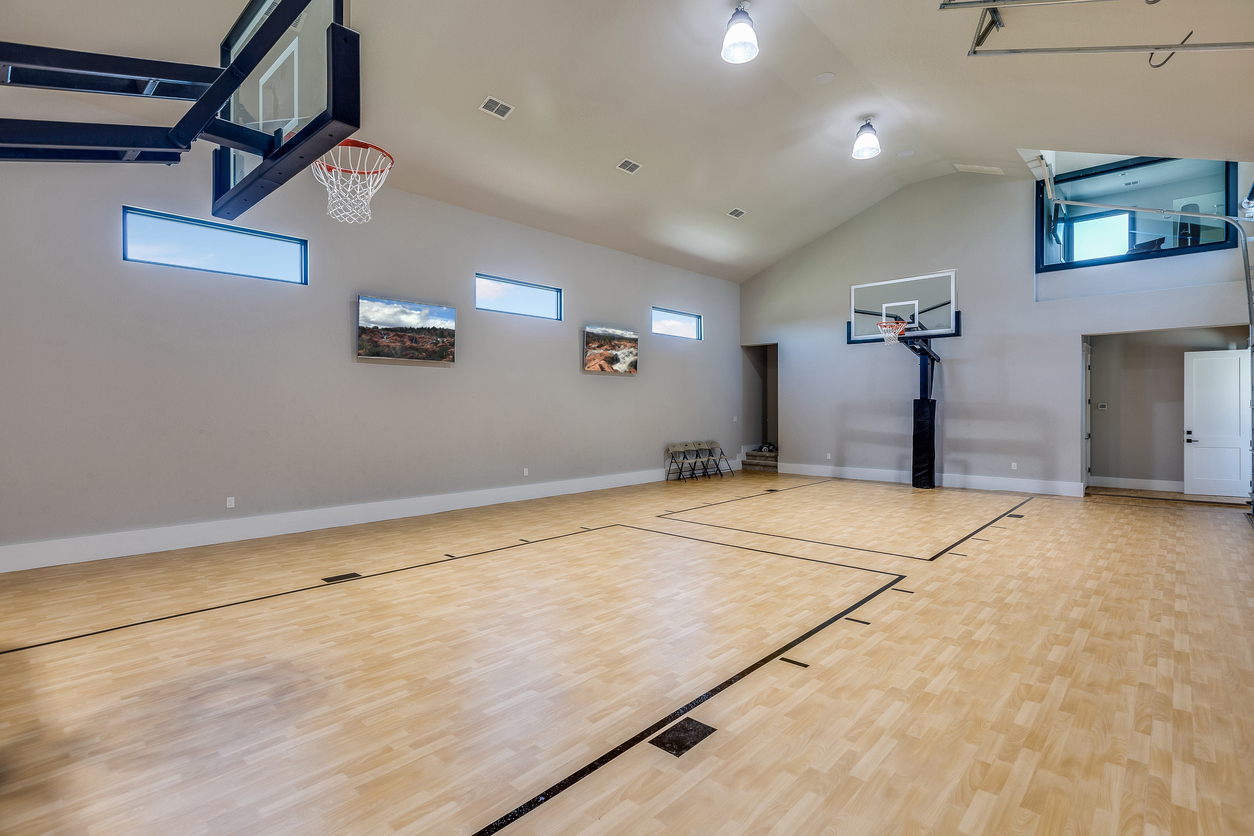
Image Source: www.dominatorhoop.com
Decoding the Expenses: Key Cost Drivers
Several critical factors influence how much you’ll spend on your basketball gym project. Each element plays a role in the final tally, so careful planning and research are essential.
1. Size and Scope
The most obvious cost driver is the size of your basketball gym. A regulation-size NBA court is 94 feet long and 50 feet wide. High school courts are slightly smaller, typically 84 feet by 50 feet.
- Court Size: Larger courts naturally require more materials, labor, and space, increasing the overall cost.
- Ceiling Height: Indoor gyms need adequate ceiling height to accommodate gameplay, especially for jump shots and overhead clearances. This impacts structural design and HVAC costs.
- Additional Spaces: Will your gym include locker rooms, restrooms, seating areas, concession stands, offices, or storage? These additions significantly add to the square footage and the sports arena construction expenses.
2. Location and Site Preparation
Where you build your gym has a major impact on cost.
- Land Acquisition: If you don’t own the land, purchasing it will be a significant upfront expense.
- Site Accessibility: Is the site easily accessible for construction vehicles and future patrons? Difficult terrain or remote locations can increase transportation and labor costs.
- Utilities: Bringing electricity, water, sewage, and gas to the site can be costly, especially if they are not already present.
- Groundwork and Excavation: Preparing the site, including grading, excavation, and foundation work, is crucial and varies based on soil conditions and existing landscape.
3. Indoor vs. Outdoor Construction
This is a fundamental decision that dictates a large portion of the budget.
Indoor Basketball Facility Price Breakdown
Building an indoor gym is considerably more expensive due to the need for a building structure, climate control, and specialized flooring.
- Building Shell: This includes the walls, roof, and structural elements. Costs vary based on materials (e.g., steel, pre-engineered metal buildings, concrete) and design complexity.
- HVAC Systems: Proper ventilation and temperature control are essential for player comfort and maintaining the playing surface. This is a significant expense.
- Lighting: High-quality, glare-free lighting is critical for gameplay. LED lighting is a common and energy-efficient choice.
- Basketball Flooring: This is one of the most important and costly elements.
- Hardwood Flooring: The gold standard for professional and collegiate play. Costs range from $10 to $25 per square foot installed, depending on the type of wood, finish, and subfloor system.
- Synthetic Flooring: Options like vinyl, rubber, or polyurethane are more budget-friendly, typically ranging from $5 to $15 per square foot installed.
- Scoreboards and Audio Systems: Modern gyms often feature sophisticated scoreboards, timing systems, and sound systems.
- Bleacher Seating: If you plan to accommodate spectators, bleachers or seating areas will add to the cost.
Outdoor Basketball Court Installation Price
Outdoor courts are generally more affordable but still require careful consideration.
- Surface Material:
- Asphalt: A common and durable choice, typically costing $3 to $7 per square foot installed.
- Concrete: Another durable option, often in the $4 to $8 per square foot range.
- Acrylic/Cushioned Coatings: Applied over asphalt or concrete to improve playability and comfort, adding $1 to $3 per square foot.
- Base Preparation: A stable, compacted base (gravel or crushed stone) is essential for longevity, adding to the outdoor basketball court installation price.
- Fencing: To contain the ball and define the playing area, fencing is often required.
- Lighting: While not always necessary for outdoor courts, lighting can extend playing hours and adds a significant cost.
- Wind Screens and Shade Structures: Optional amenities that improve the player experience.
4. Materials and Finishes
The quality of materials selected directly impacts both the initial cost and the long-term durability.
- Court Surface: As detailed above, this is a major expense.
- Wall Finishes: Sports-grade wall padding, paint, or specialized acoustic panels can add to the cost.
- Roofing and Insulation: The type of roofing material and the quality of insulation affect energy efficiency and upfront cost.
- Windows and Doors: High-quality, durable windows and doors are essential for security and weatherproofing.
5. Labor and Professional Fees
Don’t underestimate the cost of skilled labor and professional services.
- Architects and Engineers: Essential for design, planning, and ensuring structural integrity. Fees can range from 8% to 15% of the total construction cost.
- General Contractor: Manages the entire construction process, hiring subcontractors, and overseeing the project. Their fee is typically 10% to 20% of the project cost.
- Subcontractors: Specialized trades like electricians, plumbers, HVAC technicians, flooring installers, and painters all charge for their services.
- Permits and Inspections: Local government permits and regular inspections are mandatory and add to the overall expense.
6. Equipment and Amenities
Beyond the basic structure, you’ll need equipment and amenities to make the gym functional and appealing.
- Basketball Hoops and Backboards: High-quality, adjustable hoops are a significant investment.
- Nets: Durable, high-quality nets are a small but necessary expense.
- Ball Racks and Storage: For organizing basketballs and other equipment.
- First Aid Supplies: Essential for any sports facility.
- Water Fountains: Crucial for player hydration.
- Scoreboards and Timers: As mentioned earlier, these can range from basic to sophisticated digital systems.
Cost Estimation: Budgeting for Your Basketball Gym
Providing an exact cost without specifics is impossible, but we can offer estimated ranges for different types of projects. These figures are general and can fluctuate significantly.
Residential Basketball Court Budget
For a private homeowner looking to build a basketball court, the budget can be more manageable.
- Outdoor Half-Court (DIY-friendly): $5,000 – $20,000. This might involve a concrete slab, a basic hoop, and striping.
- Outdoor Full Court (Professional Installation): $20,000 – $75,000+. This includes proper base preparation, higher-quality surfacing, professional installation, fencing, and a durable hoop system.
- Small Indoor Residential Gym (e.g., converted garage): $30,000 – $100,000+. This involves flooring, lighting, climate control, and a hoop.
Cost to Build a High School Gym
High school gymnasiums are typically full-size, indoor facilities designed for durability and functionality.
- Basic High School Gym: $1 million – $3 million. This would cover a standard-size court, basic amenities (locker rooms, restrooms), functional lighting, and a modest seating capacity.
- Advanced High School Gym: $3 million – $7 million+. This could include premium hardwood flooring, advanced HVAC, scoreboards, ample seating with chair-back options, and potentially additional courts or training areas.
Commercial Basketball Gym Investment
Commercial facilities, whether for a sports academy, a public recreation center, or a private club, will have higher costs due to greater demands for amenities, durability, and capacity.
- Small Commercial Facility (Single Court): $500,000 – $2 million. This might cater to a local training center or a small gym.
- Large Commercial Facility (Multiple Courts, Amenities): $2 million – $10 million+. This covers a professional training center, a multi-court complex, or a smaller public arena. The commercial basketball gym investment needs to consider revenue streams and long-term operational costs.
Building a Sports Complex Cost
A sports complex, which may include multiple basketball courts, other sports facilities, and extensive amenities, represents a significant capital expenditure.
- Multi-Court Basketball Facility: $5 million – $20 million+. This can house several basketball courts, along with other sports courts, fitness areas, and extensive spectator facilities.
- Full-Scale Sports Arena: $20 million – $100 million+. These are large venues designed for professional or major collegiate events, with significant seating, luxury suites, and advanced infrastructure. The sports arena construction expenses are in a different league entirely.
Factors Affecting Gym Building Costs in Detail
Let’s dive deeper into specific elements that can inflate or deflate your budget.
4. Flooring Choices and Installation Complexity
The type of flooring and the system it’s installed on are major cost drivers for indoor facilities.
- Maple Hardwood: Generally the most expensive but offers the best performance and aesthetics. Different grades of maple exist, affecting cost.
- Subfloor Systems:
- Floating Floor: The most common and recommended for basketball. It uses a system of sleepers (wood or synthetic) to create a suspension system, allowing for shock absorption and player comfort. This is more expensive to install.
- Slam-Proof or Direct-Glue Systems: Less common for basketball, these are generally cheaper but offer less shock absorption.
- Polyurethane Coatings and Sealing: The number of coats and the quality of the sealant affect durability and price.
- Court Striping and Graphics: Custom designs, logos, and multiple court lines add to the finishing costs.
5. Lighting Systems and Energy Efficiency
The right lighting is paramount for visibility and safety.
- LED Lighting: While the initial cost can be higher than traditional metal halide or fluorescent lighting, LEDs offer significant long-term savings through reduced energy consumption and longer lifespan.
- Glare Control: Specialized lighting fixtures and placement are needed to minimize glare on the playing surface, which is crucial for player performance and safety.
- Zoning and Controls: The ability to control lighting in different zones can save energy.
6. HVAC and Ventilation Systems
Maintaining air quality and temperature is vital for player health and comfort.
- Dehumidification Systems: Especially important in humid climates to prevent moisture damage to hardwood floors and maintain a comfortable environment.
- Air Circulation: Proper air movement prevents stagnant air and helps control temperature fluctuations.
- Energy Efficiency: Investing in high-efficiency HVAC systems can lead to substantial operational cost savings over the life of the building.
7. Acoustics and Soundproofing
For indoor gyms, managing sound is important for both player experience and external noise pollution.
- Acoustic Wall Panels: These can absorb sound, reducing echo and reverberation within the gym.
- Ceiling Treatments: Similar to wall panels, specialized ceiling materials can also help with acoustics.
- Soundproofing Exterior Walls: If the gym is located near residential areas, soundproofing might be necessary to meet local regulations.
8. Spectator Seating and Amenities
If your gym is intended for competitive play or public use, seating is a consideration.
- Bleacher Types:
- Telescopic Bleachers: Retractable bleachers that fold away, saving space, but are more expensive.
- Fixed Bleachers: Permanent seating, generally more cost-effective.
- Chair-Back Seating: Offers greater comfort but significantly increases cost and reduces seating capacity for a given space.
- Concession Stands, Restrooms, and Locker Rooms: The size, number, and finishes of these auxiliary spaces will impact the overall cost.
9. Gym Renovation Expenses Basketball
If you are renovating an existing space to become a basketball gym, the costs can vary widely.
- Demolition and Site Clearing: Removing existing structures or finishes.
- Structural Modifications: Altering walls, ceilings, or foundations to meet basketball court dimensions and safety standards.
- HVAC Upgrades: Installing or upgrading heating, ventilation, and air conditioning systems.
- Flooring Replacement: Installing new basketball flooring over an existing subfloor or concrete slab.
- Lighting and Electrical Work: Updating lighting fixtures and electrical systems.
- Acoustic Treatments: Adding sound-dampening materials.
The gym renovation expenses basketball project can sometimes be more complex than new construction due to unforeseen issues with the existing structure.
Comparative Cost Tables
To help visualize the differences, here are some simplified comparative tables. Please note these are rough estimates.
Table 1: Estimated Costs for Outdoor Basketball Courts
| Feature | Basic Half-Court (DIY) | Standard Full Court (Installed) | Deluxe Full Court (with Lighting) |
|---|---|---|---|
| Surface (Asphalt) | $3,000 – $8,000 | $15,000 – $40,000 | $25,000 – $60,000 |
| Surface (Concrete) | $4,000 – $10,000 | $20,000 – $50,000 | $30,000 – $70,000 |
| Hoop System | $500 – $2,000 | $1,500 – $5,000 | $2,000 – $7,000 |
| Fencing (Partial) | $500 – $2,000 | $2,000 – $5,000 | $3,000 – $8,000 |
| Lighting (Add-on) | N/A | N/A | $5,000 – $15,000 |
| Total Estimated Range | $4,000 – $20,000 | $20,000 – $70,000 | $35,000 – $90,000+ |
Table 2: Estimated Costs for Indoor Basketball Gyms (Per Square Foot)
| Feature | Basic Gym (Budget) | Mid-Range Gym (Standard) | High-End Gym (Premium) |
|---|---|---|---|
| Construction (Shell) | $150 – $250 | $250 – $400 | $400 – $600+ |
| Flooring (Hardwood) | N/A | $15 – $25 | $20 – $35 |
| Flooring (Synthetic) | $5 – $10 | $8 – $15 | N/A |
| HVAC System | $20 – $40 | $30 – $60 | $50 – $100+ |
| Lighting | $5 – $15 | $10 – $20 | $15 – $30 |
| Scoreboard/Audio | $2,000 – $10,000 | $10,000 – $50,000 | $50,000 – $200,000+ |
| **Seating (Basic Bleachers) | $5 – $15 | $10 – $25 | $20 – $50+ |
| Total Range (Per Sq Ft) | $185 – $330 | $263 – $505 | $485 – $765+ |
Note: These per-square-foot costs for indoor gyms are highly variable and assume a typical ceiling height and standard amenities. They do not include land acquisition, site prep, or extensive architectural fees.
The Process of Building a Basketball Gym
Embarking on the journey of building a basketball gym requires a structured approach.
1. Planning and Design
- Define Your Needs: What is the primary purpose of the gym? Who will use it? What features are essential?
- Feasibility Study: Assess the viability of the project in terms of budget, location, and demand.
- Develop a Concept and Budget: Work with an architect or designer to create a preliminary design and a realistic budget.
- Secure Funding: Explore financing options, grants, or investment opportunities.
2. Site Selection and Preparation
- Acquire Land: Purchase or secure the rights to your chosen location.
- Zoning and Permits: Obtain all necessary zoning approvals and building permits from local authorities.
- Site Survey and Geotechnical Report: Understand the land’s characteristics for proper foundation design.
- Clearing and Grading: Prepare the site for construction.
3. Construction Phase
- Foundation and Structural Work: Pouring the foundation and erecting the building’s frame.
- Enclosure: Installing the walls, roof, and windows.
- MEP Installation: Mechanical (HVAC), Electrical, and Plumbing systems.
- Interior Finishes: Installing flooring, lighting, wall treatments, and other interior elements.
- Equipment Installation: Setting up basketball hoops, scoreboards, and other fixtures.
4. Final Touches and Opening
- Final Inspections: Ensuring all work meets building codes and permit requirements.
- Landscaping and Exterior Work: Completing the site surrounding the gym.
- Occupancy Permit: Obtaining the final go-ahead to open the facility.
- Marketing and Grand Opening: Announcing your new gym to the community.
Frequently Asked Questions (FAQ)
Q1: What is the average cost of building a high school gymnasium?
A1: The average cost to build a high school gymnasium typically falls between $1 million and $7 million, depending on its size, features, and the quality of materials used.
Q2: Can I build a basic outdoor basketball court on a budget?
A2: Yes, you can build a basic outdoor basketball court on a budget, often for as little as $5,000 to $20,000 for a half-court, especially if opting for DIY installation and simpler materials like asphalt.
Q3: What are the biggest cost factors for an indoor basketball facility?
A3: The biggest cost factors for an indoor basketball facility include the building shell (construction of walls and roof), the specialized basketball flooring (often hardwood), HVAC systems, and lighting.
Q4: Who is responsible for the design and planning of a basketball gym?
A4: Architects and specialized sports facility designers are typically responsible for the design and planning of a basketball gym, working closely with engineers and contractors.
Q5: How much does professional basketball court construction cost?
A5: Professional basketball court construction cost, especially for indoor hardwood courts with advanced subfloor systems, can range from $10 to $35 per square foot for flooring alone, plus the cost of the entire facility.
Q6: Is building a sports complex more expensive than a single basketball gym?
A6: Yes, building a sports complex is significantly more expensive than a single basketball gym because it involves a larger footprint, multiple facilities, more extensive amenities, and greater infrastructure needs.
Q7: What are typical gym renovation expenses for a basketball court?
A7: Typical gym renovation expenses for a basketball court can include updating flooring, lighting, HVAC, sound systems, and spectator seating, with costs varying widely based on the extent of the renovation.
Q8: What is the approximate outdoor basketball court installation price?
A8: The approximate outdoor basketball court installation price ranges from $3 to $8 per square foot for the surface (asphalt or concrete), plus costs for base preparation, hoops, and fencing.
Q9: What is the typical commercial basketball gym investment?
A9: A typical commercial basketball gym investment can range from $500,000 for a single-court facility to several million dollars for a multi-court complex with extensive amenities.
Q10: How do factors affecting gym building costs influence the final price?
A10: Factors affecting gym building costs, such as size, location, material quality, and labor, all cumulatively determine the final price, with each element needing careful consideration during the budgeting process.
Conclusion
The cost to build a basketball gym is a complex calculation, influenced by a multitude of variables. From the foundational groundwork to the gleaming hardwood floor, each decision impacts the final price tag. Whether you’re envisioning a personal sanctuary on your property or a state-of-the-art commercial training center, thorough research, meticulous planning, and working with experienced professionals are your greatest assets. By carefully considering each of the factors discussed in this guide, you can approach your basketball gym project with clarity and confidence, ensuring your investment delivers a quality facility for years to come.