
Women’s college basketball switched to quarters from halves primarily to align with the global standard and to enhance the pace and flow of the game. This change in NCAA women’s basketball quarters was implemented to create more distinct breaks, allowing for strategic adjustments and potentially more exciting finishes.
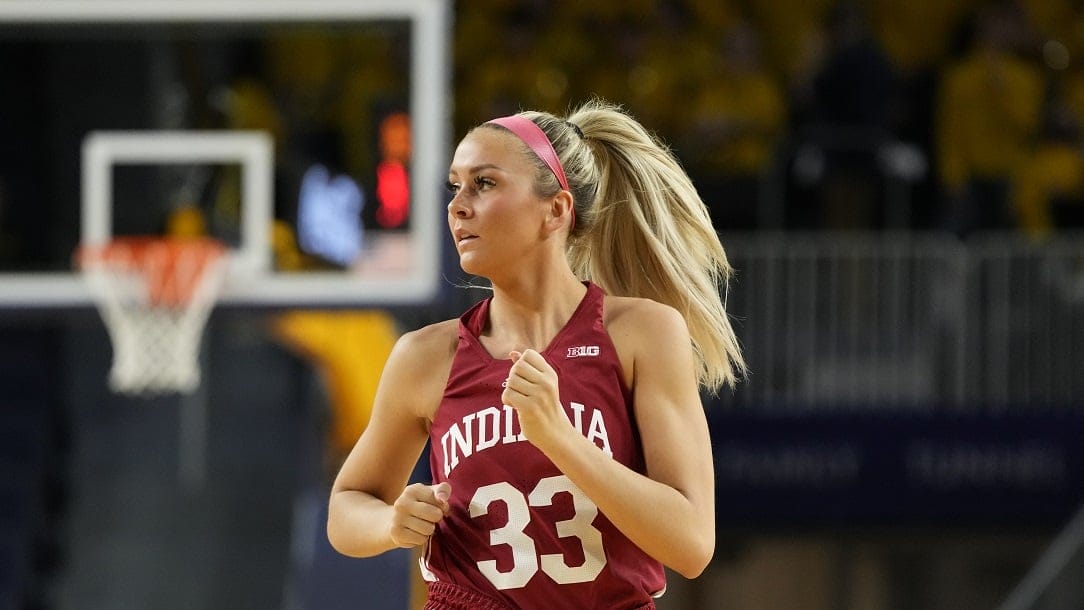
Image Source: ekcfbmsotzc.exactdn.com
The Evolution of Women’s College Basketball Game Format
For many years, women’s college basketball periods were divided into two halves, a format that felt traditional but was starting to feel out of sync with other levels of the sport. The shift to quarters is a significant evolution in the women’s college basketball game format, aiming to modernize the sport and improve the spectator experience. This move wasn’t made lightly; it involved extensive research, discussion, and consideration of how it would impact players, coaches, and fans. The primary goal was to bring women’s college basketball into closer alignment with international basketball standards and the professional game, fostering a more unified and recognizable playing environment.
Deciphering the New Structure: NCAA Women’s Basketball Quarters
The most prominent change is the division of the game into four 10-minute quarters. This replaces the previous two 20-minute halves. Each women’s college basketball quarter length is a distinct segment of play, with specific rules governing timeouts and the game clock.
Key Structural Changes:
- Four 10-Minute Quarters: The game is now divided into four equal periods.
- Stoppages and Clock Management: The clock stops on whistles, out-of-bounds plays, and fouls, similar to the previous format, but the quarter structure offers more frequent opportunities for strategic resets.
- Foul Limits: Players still have a limit of five fouls per game. Team fouls reset at the start of each quarter, meaning a team can commit up to five fouls in a quarter before the opposing team enters the bonus and shoots free throws on subsequent non-shooting fouls. This is a crucial difference compared to some other rule sets.
Reasons for Women’s College Basketball Quarters
The decision to adopt quarters for women’s college basketball was driven by several compelling reasons, all aimed at improving the sport.
Promoting Game Pace and Excitement
One of the main reasons for women’s college basketball quarters is the desire to increase the game’s pace and excitement. Shorter periods can lead to more frequent momentum swings and intensified play as teams jockey for position and scoring opportunities within each segment. The introduction of more breaks allows coaches to make quicker adjustments and strategize more effectively, potentially leading to more dynamic and engaging gameplay, especially in crucial end-of-game situations.
International Alignment
A significant factor in this rule change is the desire to align NCAA women’s basketball with international basketball rules. FIBA (International Basketball Federation) has used quarters for many years. By adopting this format, NCAA basketball becomes more consistent with the global game, making it easier for players who transition from college to professional or international leagues. This alignment can also foster greater familiarity for international fans watching NCAA games and vice versa.
Enhanced Coaching Strategies
The quarter system provides coaches with more frequent opportunities to regroup, make substitutions, and implement specific game plans. These mini-breaks allow for more targeted coaching interventions, which can be particularly impactful in close games. Coaches can use these intervals to address defensive breakdowns, offensive strategies, or player fatigue, adding another layer of tactical depth to the women’s college basketball rules.
Improved Media and Broadcast Opportunities
Shorter segments can also be beneficial for media and broadcast partners. Quarters offer natural breaks for commercials and analysis, potentially leading to a smoother and more engaging viewing experience for fans. This can help attract and retain a wider audience for women’s college basketball.
Benefits of Quarters in Women’s College Basketball
The implementation of quarters brings several tangible benefits of quarters in women’s college basketball. These advantages are designed to elevate the player, coach, and fan experience.
More Frequent Strategic Opportunities
As mentioned, the quarter system provides coaches with more chances to strategize and make adjustments. This can lead to more intellectually stimulating games where tactical prowess plays a significant role. Coaches can use timeouts strategically within each quarter to halt opponent runs or to set up specific plays.
Increased Spectator Engagement
With more defined breaks and the potential for quicker momentum shifts, the quarter format can keep spectators more engaged throughout the game. The anticipation of what will happen in the next 10-minute segment can add an extra layer of excitement.
Leveling the Playing Field in Some Aspects
While not a primary goal, the resetting of team fouls at the start of each quarter can, in certain scenarios, offer a slight advantage to teams that struggle with foul management. It provides a “reset” button, preventing excessive foul calls in one period from crippling a team for the entire half. This contributes to the overall fairness of the NCAA women’s basketball game structure.
Player Development
For players, adapting to a quarter system can help them develop better game management skills and the ability to perform under pressure in shorter, more intense bursts of play. This can be valuable experience for their future careers in basketball.
Differences Between Women’s and Men’s College Basketball Quarters
It’s important to note that the differences between women’s and men’s college basketball quarters are primarily in timing and specific foul rules, though the core quarter structure is the same.
- Men’s College Basketball: Men’s college basketball transitioned to quarters in the 2015-16 season, also adopting 10-minute quarters. However, a key difference lies in the team foul reset. In men’s college basketball, the team foul count resets every 10 minutes, but the bonus situation begins after the fifth team foul in each half. For women’s college basketball, the team foul count resets at the beginning of each quarter, meaning the bonus situation begins after the fifth team foul in each quarter.
- Clock Stoppages: Both men’s and women’s games stop on whistles and out-of-bounds plays.
The reason why women’s basketball uses quarters mirrors many of the same reasons men’s basketball adopted them: increased pace, international alignment, and better media opportunities. The subtle differences in foul reset timing are nuances that both games manage within their respective rulebooks.
Clarifying Women’s College Basketball Rules in the Quarter Era
The shift to quarters has brought about some specific nuances in women’s college basketball rules. Understanding these is key to appreciating the new gameplay.
Timeout Regulations
- Each team is allotted five timeouts per game.
- Two of these timeouts must be taken in the first half, and three in the second half.
- Each team is allowed two 30-second timeouts and three 60-second timeouts.
- In the last two minutes of the fourth quarter (or overtime periods), all timeouts become 60 seconds. This ensures teams have ample time to strategize in crucial moments.
Media/Coach’s Timeout
Unlike some professional leagues, college basketball (both men’s and women’s) does not have a mandatory “media timeout” where the clock stops automatically for commercial breaks. Instead, timeouts are requested by the teams or called by officials for specific reasons. However, the quarter structure naturally creates more frequent opportunities for media breaks during commercial timeouts.
Fouls and the Bonus
As previously mentioned, team fouls reset at the start of each quarter.
* Bonus Situation: A team is in the bonus when they have committed five or more fouls in a quarter. When a team is in the bonus, the opposing team shoots two free throws on any subsequent foul, whether it’s a shooting foul or not.
* Player Fouls: Players still accrue personal fouls throughout the entire game. A player is disqualified upon committing their fifth personal foul.
Transition from Halves to Quarters
The transition for players and coaches has been generally smooth. The core skills of basketball remain the same, but the strategic element of managing the game within shorter periods has become more pronounced. Players need to be mindful of their personal foul count more frequently, and coaches must be adept at making timely adjustments at the quarter breaks.
Fathoming the Impact on Gameplay
The implementation of quarters has had a noticeable impact on the women’s college basketball game structure.
Increased Intensity in Shorter Bursts
Players often exhibit higher intensity in 10-minute bursts. This can lead to more fast-paced offensive plays and aggressive defensive efforts. The pressure to perform within a shorter timeframe can amplify the excitement of the game.
Strategic Fouling and Clock Management
Coaches and players must be more strategic about fouling, especially as a team approaches the bonus limit in a quarter. Similarly, clock management in the final minutes of each quarter becomes a critical skill, as teams try to either run down the clock or force a quick turnover.
Momentum Swings
The quarter system can facilitate more pronounced momentum swings. A team that is trailing can use the break between quarters to reset and come out with renewed energy and a different strategy, potentially closing a deficit quickly.
Player Fatigue
While the overall game duration is similar, the increased intensity and more frequent breaks might affect player fatigue differently. Coaches need to manage their rotations effectively to ensure players are not overextended within each 10-minute segment.
Comparing Historical Data: Halves vs. Quarters
When analyzing the NCAA women’s basketball game structure historically, comparing stats from the halves era to the quarters era can be insightful. While direct comparisons are complex due to various other factors influencing the game, some general observations can be made:
- Scoring: It’s not uncommon to see higher scoring quarters than the average 10-minute segment from the halves era. This is due to the increased pace and potential for quick runs.
- Fouls: The reset of team fouls every quarter means the average number of fouls per quarter might be lower than if the fouls accumulated over a 20-minute half, but the frequency of bonus situations within a game is likely higher.
- Close Games: The quarter system can contribute to more close games, particularly in the final minutes of the fourth quarter, as teams use the breaks to adjust strategies and make decisive plays.
The Future of Women’s College Basketball Rules
The adoption of quarters is a significant step in the ongoing evolution of women’s college basketball. It aligns the sport with international standards and aims to enhance the overall fan and player experience. As the game continues to grow, we may see further refinements to the rules, but the quarter system is likely here to stay as a foundational element of the women’s college basketball game format. The ongoing discussion around why women’s basketball uses quarters highlights the sport’s commitment to progress and its dedication to providing the best possible platform for athletes and entertainment for fans.
Frequently Asked Questions (FAQ)
Q1: Why did women’s college basketball switch from halves to quarters?
A1: The primary reasons were to align with international basketball rules (FIBA), increase game pace and excitement, provide more strategic opportunities for coaches, and improve broadcast appeal.
Q2: What is the length of each quarter in women’s college basketball?
A2: Each quarter in women’s college basketball is 10 minutes long.
Q3: Do team fouls reset at the start of each quarter in women’s college basketball?
A3: Yes, team fouls reset at the beginning of each quarter. This means a team can commit up to five fouls in a quarter before entering the bonus, where the opposing team shoots two free throws on non-shooting fouls.
Q4: How many timeouts do teams get in women’s college basketball under the quarter system?
A4: Teams are allotted five timeouts per game, with specific regulations on how many can be used in each half and the duration of timeouts in the final two minutes of the game.
Q5: Is the quarter system used in men’s college basketball as well?
A5: Yes, men’s college basketball also adopted 10-minute quarters starting in the 2015-16 season. However, there are slight differences in foul reset rules compared to women’s college basketball.
Q6: Does the clock stop on every whistle in women’s college basketball quarters?
A6: Yes, the clock stops on whistles (fouls, violations), out-of-bounds plays, and made baskets in the last two minutes of each half (and overtime periods) for men, and in the last two minutes of the second and fourth quarters and overtime periods for women. The clock continues to run after made baskets in other situations unless it’s within the final two minutes of a half/period.
Q7: What are the benefits of using quarters in women’s college basketball?
A7: Benefits include increased game intensity, more frequent strategic adjustments for coaches, greater spectator engagement, and better alignment with the global basketball standard.