
The question of how much basketball officials get paid is a common one, and the answer varies significantly across different levels of play. Generally, basketball officials’ pay ranges from a few dollars per game for youth leagues to well over $1,000 per game for professional leagues like the NBA, with many factors influencing these figures. This article delves into the compensation structures for basketball referees at various levels, exploring the nuances that shape their earnings.
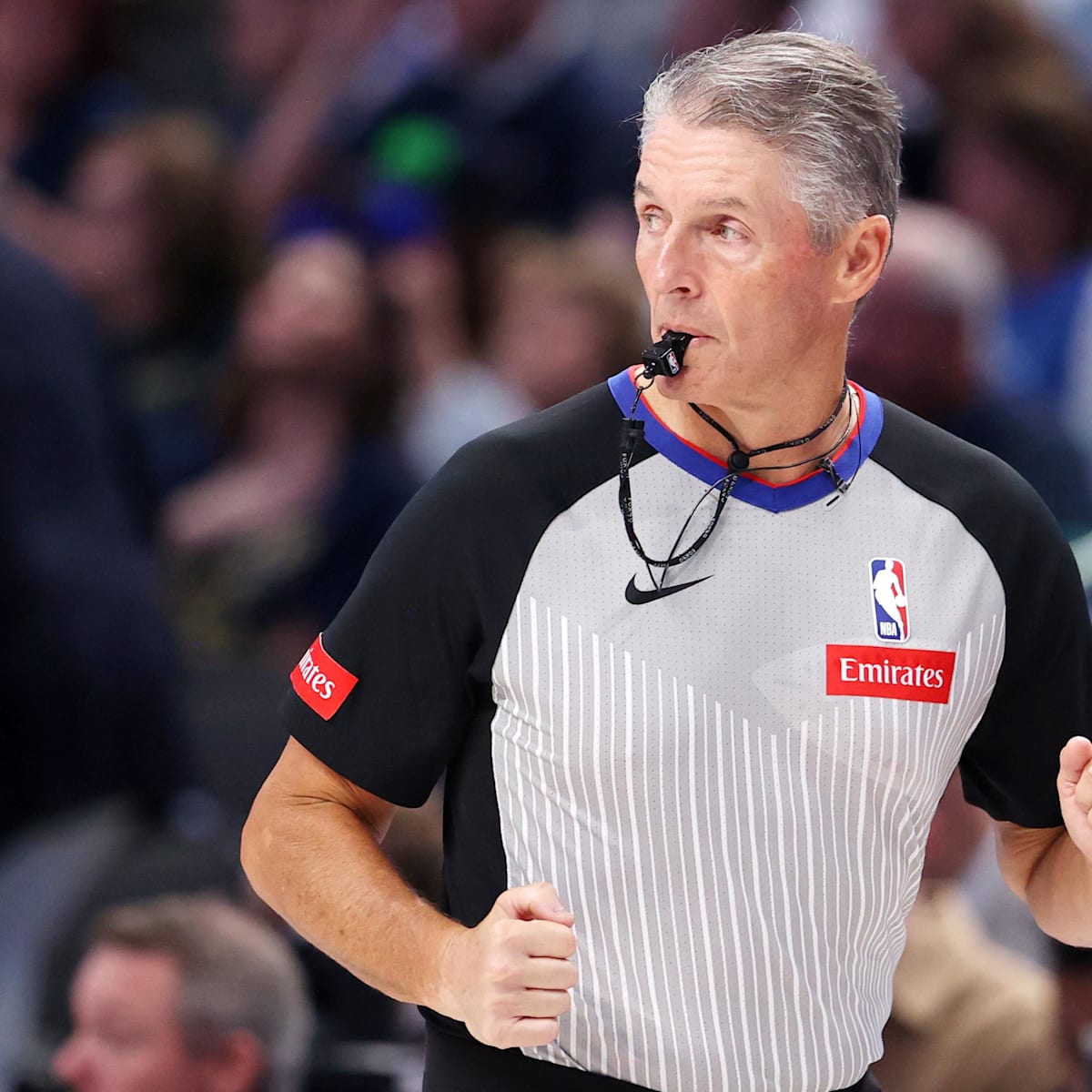
Image Source: images2.minutemediacdn.com
Deciphering Basketball Official Pay Scales
The world of basketball officiating is a complex ecosystem, with pay structures tailored to the demands and prestige of each league. From the grassroots level of youth games to the dazzling lights of professional arenas, the income potential for referees reflects the sport’s popularity and the responsibility entrusted to these individuals.
NBA Ref Pay: The Pinnacle of Officiating Earnings
When people think about how much basketball officials get paid, the NBA often comes to mind. NBA ref pay is the highest in the sport, reflecting the immense pressure, skill, and experience required. An NBA referee’s annual salary can be substantial, with top officials earning figures that are comparable to other highly skilled professions.
- Base Salary: Experienced NBA referees receive a strong base salary that provides a consistent income throughout the season. This reflects their years of service and proven track record.
- Game Fees: Beyond the base salary, referees are compensated for each game they officiate. This per-game fee is a significant portion of their overall earnings.
- Playoff Bonuses: A crucial element of NBA referee compensation is playoff bonuses. Referees who work in the NBA playoffs and Finals earn considerably more, as these games carry higher stakes and increased responsibility.
- Experience and Seniority: Like many professions, experience and seniority play a vital role in an NBA referee’s earnings. Long-serving officials with a reputation for fairness and accuracy command higher compensation packages.
- Average Earnings: While exact figures are not publicly disclosed, estimates suggest that NBA referees can earn anywhere from $150,000 to $500,000 annually, with the most senior officials potentially exceeding these amounts.
NCAA Basketball Official Compensation: College Game Earnings
NCAA basketball official compensation is a significant step down from the NBA, but still represents a respectable income for dedicated officials. College basketball is a highly visible and competitive arena, and the officials working these games are skilled professionals.
- Varying Rates by Division: The NCAA is divided into three divisions (I, II, and III), and compensation varies accordingly. NCAA Division I officials generally earn the most due to the higher profile and financial resources of these programs.
- Game Fees: NCAA referees are typically paid a per-game fee. This fee can range from a few hundred dollars for Division II or III games to upwards of $1,000 or more for high-profile Division I matchups.
- Tournament Assignments: Similar to the NBA, officiating in NCAA tournaments, particularly the March Madness championship, can lead to increased earnings through bonus structures and higher per-game rates.
- Travel and Per Diem: Officials often receive allowances for travel and a per diem to cover expenses like meals and lodging when working games away from home.
- Season Length: The NCAA season, including conference play and tournaments, provides a good number of games for officials to earn income.
WNBA Umpire Wages: Officiating the Women’s Professional Game
WNBA umpire wages (though they are called referees, “umpire” is used here to address the keyword) reflect the growing popularity and professionalism of women’s basketball. While not reaching the heights of the NBA, WNBA referees earn a solid living.
- Competitive Salaries: WNBA referees receive competitive salaries that acknowledge their expertise and commitment.
- Per-Game Compensation: A significant portion of their earnings comes from per-game fees, which are determined by experience and the league’s overall budget.
- Season Structure: The WNBA season, while shorter than the NBA, still provides a consistent schedule of games for officials to work.
- Growth Potential: As the WNBA continues to grow in popularity and financial stability, it is likely that WNBA umpire wages will also see an upward trend.
Minor League Basketball Ref Earnings: The Stepping Stone
Minor league basketball ref earnings are crucial for aspiring professional officials looking to hone their craft and gain experience. These leagues, such as the NBA G League, serve as a vital development ground for future NBA talent, both on and off the court.
- Lower Per-Game Rates: The per-game rates in minor leagues are considerably lower than in the NBA or even NCAA Division I. This is reflective of the smaller budgets and lower revenue generated by these leagues.
- Building Experience: For many, officiating in minor leagues is about gaining valuable experience and building a reputation that can lead to opportunities in higher-level basketball.
- Part-Time or Seasonal Work: For many minor league officials, officiating may be a part-time or seasonal endeavor, supplementing income from other sources.
- Travel and Expenses: Similar to higher levels, minor league referees often have their travel and accommodation expenses covered, which is an important consideration for their overall compensation.
High School Basketball Official Pay: Grassroots Officiating
High school basketball official pay is where many individuals start their officiating careers. The compensation at this level is generally lower and often managed by state athletic associations or local officiating chapters.
- Game Fees: High school referees typically earn a flat fee per game. This fee can vary based on the level of competition (varsity, junior varsity), the specific conference or league, and the geographic location.
- League Rates: Different high school athletic conferences may have their own established pay scales for officials.
- Experience Matters: While experience is valued, the pay scale at the high school level is generally more compressed than in professional or collegiate ranks.
- Volunteer or Low-Pay Opportunities: In some smaller or less affluent school districts, officials might work for very modest fees, sometimes even close to volunteer rates, to ensure games can be staffed.
- Travel Costs: Officials often have to cover their own travel costs to and from games, which can impact their net earnings, especially in rural areas with long distances between schools.
Youth Basketball Referee Rates: Starting Out
Youth basketball referee rates are typically the lowest in the sport, reflecting the recreational nature of these games and the limited budgets of youth sports organizations.
- Low Per-Game Fees: Referees at the youth level often earn a few dollars to a modest hourly rate per game. These fees are designed to be accessible for community-based sports programs.
- Volunteerism: In many youth leagues, especially at the very youngest ages, officials may be volunteers or parents who are passionate about the sport.
- Experience and Age of Players: The pay can sometimes be slightly higher for older age groups (e.g., 14-18 year olds) compared to very young children (e.g., 6-8 year olds), but the difference is usually not dramatic.
- Local Organization Budgets: The specific rates are dictated by the budget and policies of the individual youth sports league or organization.
Factors Affecting Basketball Official Pay
Several key factors affecting basketball official pay influence how much a referee can earn at any given level. It’s not simply a matter of officiating a certain number of games; a multitude of elements come into play.
Experience and Seniority
- Proven Track Record: More experienced officials, those with a longer history of officiating and a reputation for skill and integrity, generally command higher pay.
- Advancement: As referees gain experience, they are often promoted to officiate higher-level games, which naturally come with increased compensation.
Level of Competition
- Professional vs. Amateur: Professional leagues (NBA, WNBA) have the highest pay scales, followed by collegiate, then high school, and finally youth leagues. The financial resources and prestige associated with each level directly impact official compensation.
- League Prestige: Within collegiate or minor professional leagues, officiating for more prominent conferences or teams can sometimes translate to slightly higher pay.
Game Fees and Contracts
- Per-Game Rates: The most direct way officials are paid is through per-game fees. These rates are set by the leagues or governing bodies.
- Annual Salaries: In professional leagues, a base annual salary is often provided, offering a degree of financial stability.
- Contractual Agreements: Professional and collegiate officials often work under contracts that outline their pay, benefits, and other terms of employment.
Playoff and Tournament Assignments
- Increased Responsibility: Post-season games, like playoffs and championships, carry higher stakes and demand a higher level of performance from officials.
- Bonus Structures: These games are often compensated with bonus payments that can significantly boost an official’s annual earnings.
Location and Cost of Living
- Geographic Differences: While less pronounced in professional leagues where pay is more standardized, there can be minor variations in compensation based on the cost of living in different regions for lower-level officials.
- Travel Expenses: Officials often have travel costs associated with their work. The reimbursement or coverage of these expenses can impact their net earnings.
Governing Bodies and Organizations
- League Rules: Each league or governing body (e.g., NBA, NCAA, state high school athletic associations) has its own rules regarding official compensation.
- Unionization: In some professional leagues, officials may be part of a union, which negotiates pay scales and working conditions on their behalf.
Performance and Evaluation
- Merit-Based Increases: While not always explicit, consistent high performance and positive evaluations can lead to opportunities for higher pay or better assignments.
- “Eye Test”: Ultimately, officiating is a performance-based profession, and consistent, accurate calls are paramount.
The Basketball Officiating Pay Scale: A Spectrum
The basketball officiating pay scale demonstrates a wide spectrum of earning potential. It’s a career path with varied entry points and potential for growth.
Hourly Rate for Basketball Officials
While many officials are paid per game, it’s possible to estimate an hourly rate for basketball officials by dividing their total earnings by the hours worked. However, this can be tricky because officiating a game involves much more than just the game time itself.
- Pre-Game Preparation: Officials spend time preparing for games, reviewing rules, and understanding team tendencies.
- Travel Time: Significant time can be spent traveling to and from game venues.
- Post-Game Duties: Debriefing and submitting reports are also part of the job.
- Varying Game Lengths: Game lengths can vary, and overtime periods can extend the time commitment.
For example, a high school official might get paid $100 for a game that lasts 2 hours, plus 1 hour of travel and 30 minutes of preparation, totaling 3.5 hours. This would equate to roughly $28.57 per hour. In contrast, a professional official earning $2,000 for a game that involves extensive travel and preparation could have a much higher effective hourly rate.
What is the typical Basketball Referee Salary?
The typical basketball referee salary is difficult to pinpoint precisely because it is so dependent on the level of play and the number of games officiated. For those officiating youth leagues, it might be a few hundred dollars a month at most. For high school officials, it could be a few thousand dollars a year. NCAA officials can earn tens of thousands of dollars annually, and NBA officials can earn significantly more.
Can I Become a Basketball Official?
Yes, you can become a basketball official. The path typically involves:
- Learning the Rules: Thoroughly understanding the official rules of basketball.
- Attending Training: Participating in training clinics and workshops offered by local officiating associations or state athletic organizations.
- Joining an Association: Becoming a member of a local or regional basketball officials’ association.
- Starting at Lower Levels: Gaining experience by officiating youth leagues, recreational leagues, and junior varsity high school games.
- Progressing: With consistent performance and continued training, officials can progress to higher levels of competition.
Who is Responsible for Paying Basketball Officials?
- Youth Leagues: Youth sports organizations, often funded by registration fees and sponsorships.
- High Schools: Individual school districts, usually through their athletic departments, or state athletic associations.
- Colleges and Universities: Athletic departments of the institutions, often funded by student fees, ticket sales, and athletic program revenue.
- Professional Leagues: The professional basketball leagues themselves (NBA, WNBA) are responsible for compensating their officials.
Comprehending the Basketball Officiating Pay Structure
The basketball officiating pay structure is designed to incentivize individuals to enter and remain in the profession, while also reflecting the economic realities of each league.
Pay Structures by League Type
- Professional Leagues (NBA, WNBA): Typically involve a base salary plus game fees, with additional compensation for playoff appearances. These are often salaried positions with benefits.
- Collegiate Leagues (NCAA): Primarily per-game fees, with higher rates for Division I. Travel and per diem are usually provided.
- High School: Per-game fees set by conferences or associations, often with officials responsible for their own travel.
- Youth Leagues: Low per-game fees, sometimes volunteer-based, with significant variation depending on the organization.
The Role of Governing Bodies
Governing bodies, such as state high school athletic associations or national collegiate athletic associations, often set the standards and pay scales for the officials working under their purview. They ensure a level of consistency and fairness in compensation.
Compensation Beyond Game Fees
While game fees are the primary source of income, other forms of compensation can include:
- Travel Reimbursement: Covering expenses like mileage, flights, and lodging.
- Per Diem: A daily allowance for meals and incidental expenses.
- Health Benefits: More common in professional leagues, providing health insurance.
- Retirement Plans: Also more prevalent in higher-level officiating.
Fathoming the Numbers: A Closer Look at Earnings
Let’s break down some illustrative numbers, keeping in mind these are approximations and can fluctuate annually.
| Level of Play | Estimated Per-Game Fee (USD) | Estimated Annual Earnings (USD) | Notes |
|---|---|---|---|
| Youth Basketball | $15 – $50 | $100 – $1,000 | Highly variable, often volunteer or low hourly rate. |
| High School Varsity | $75 – $150 | $2,000 – $6,000 | Depends on games officiated, conference rates, travel. |
| NCAA Division III | $150 – $300 | $5,000 – $10,000 | Lower end of college, more part-time opportunities. |
| NCAA Division II | $250 – $400 | $10,000 – $20,000 | More competitive than DIII, more games. |
| NCAA Division I | $500 – $1,200 | $20,000 – $50,000+ | Includes higher-profile games and potential tournament bonuses. |
| NBA G League | $200 – $400 | $15,000 – $30,000 | Development league for NBA refs. |
| WNBA | $500 – $1,000 | $30,000 – $70,000+ | Reflects professional status and season length. |
| NBA | $1,500 – $3,000+ | $150,000 – $500,000+ | Experienced refs with playoff bonuses earn significantly more. |
Disclaimer: These figures are estimates and can vary greatly based on experience, specific leagues, contract negotiations, and economic conditions.
The Commitment Beyond the Paycheck
It’s important to recognize that officiating basketball is not just about the basketball officiating pay scale. It demands a significant commitment:
- Physical Demands: Referees are on their feet for the entire duration of games, requiring good physical condition.
- Mental Acuity: They must make split-second decisions under intense pressure, often with thousands of eyes on them.
- Rule Mastery: A deep and nuanced understanding of basketball rules is essential.
- Impartiality: Maintaining neutrality and fairness in every game is paramount.
- Travel: For higher-level officials, extensive travel is a constant factor.
- Criticism: Officials are often subjected to criticism from players, coaches, and fans.
For many, the passion for the game and the satisfaction of contributing to its proper conduct are as important as the financial compensation.
Frequently Asked Questions (FAQ)
Q1: How much does an NBA referee make per game?
A1: An NBA referee typically earns between $1,500 and $3,000 per game, not including potential playoff bonuses.
Q2: Is being a basketball referee a full-time job?
A2: For NBA and WNBA referees, it is generally a full-time profession. For NCAA and high school officials, it can be a significant part-time commitment that may or may not be a primary source of income, depending on the volume of games they work.
Q3: What are the requirements to become a professional basketball referee?
A3: Requirements vary, but generally include extensive experience officiating at lower levels, strong knowledge of the rules, excellent physical condition, strong decision-making skills, and often, membership in a recognized officiating organization. For professional leagues, there are rigorous evaluation and selection processes.
Q4: Does officiating experience in lower leagues help get into higher leagues?
A4: Yes, absolutely. Experience in youth, high school, and collegiate leagues is often the primary pathway for aspiring professional referees. Performance and reputation built at these lower levels are critical for advancement.
Q5: Are basketball officials paid for overtime games?
A5: Yes, overtime games are typically included in the per-game fee, or they may result in additional compensation depending on the specific league’s contract or rules. The longer the game, the more time the official has invested.
Q6: Do all basketball officials earn the same amount at a particular level?
A6: No, within any given level, pay can vary based on factors like experience, seniority, conference affiliation, and specific performance evaluations. For instance, a veteran NBA referee will earn more than a rookie NBA referee.
This exploration into the earnings of basketball officials highlights the diverse financial landscape of officiating. From the grassroots courts to the professional arenas, each level presents unique challenges and rewards, shaping the income potential for those who ensure the game is played fairly and according to the rules.