
Can you make a basketball team if you’re not the biggest or the fastest? Yes, absolutely! What makes a player stand out at a basketball tryout is a combination of skills, attitude, and how you present yourself. This article will guide you on how to shine, even against tougher competition.
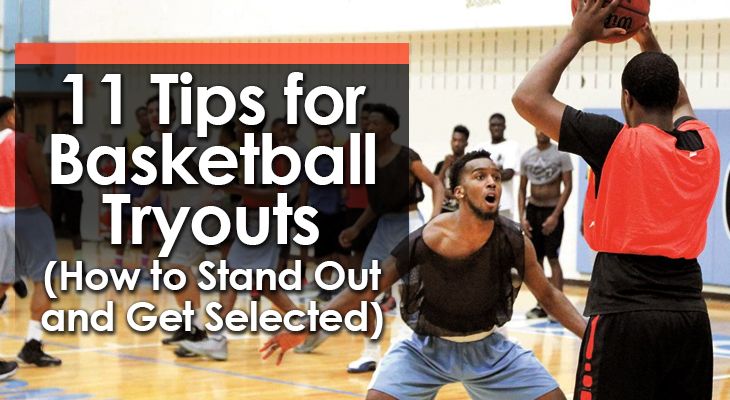
Image Source: www.basketballforcoaches.com
Showcasing Your Skill Demonstration
At any basketball tryout, your skills are paramount. Coaches are looking for players who can execute fundamental basketball actions effectively. This isn’t just about hitting shots; it’s about demonstrating a well-rounded game.
Dribbling Prowess
Your dribbling needs to be solid. Practice keeping the ball low and close to your body. Use both hands equally well. Show you can change direction quickly and protect the ball from defenders. When you dribble, keep your head up to see the court. This shows good control and awareness.
- Crossover Dribble: A quick, deceptive move to get past a defender.
- Between-the-Legs Dribble: Another way to protect the ball and change direction.
- Behind-the-Back Dribble: Useful for maintaining control while on the move.
- Hesitation Dribble: A slight pause that can freeze a defender, opening up opportunities.
Shooting Accuracy
Shooting is a core skill. Work on your form. Keep your elbow tucked in and follow through on your shot. Make sure you can hit shots from different spots on the court. Practice shooting off the dribble and off screens. Consistency is key.
- Free Throws: These are crucial points. Show you can make them consistently.
- Mid-Range Jumpers: Ability to score from the free-throw line area.
- Three-Pointers: Spacing the floor and extending the offense.
- Layups and Floaters: Scoring effectively near the basket.
Passing Vision and Execution
Being able to pass the ball is vital for team play. Look for open teammates. Make sharp, accurate passes. Avoid lazy or predictable passes that can be easily intercepted. Show you can make the extra pass to create a better shot for someone else.
- Chest Pass: A direct pass from chest to chest.
- Bounce Pass: Effective for getting around defenders.
- Lob Pass: Useful for passing over a defender to a cutting player.
- Outlet Pass: Starting fast breaks after defensive rebounds.
Mastering Basketball Drills
Tryouts often involve specific basketball drills designed to test various aspects of your game. Approaching these drills with focus and intensity will help you stand out.
Agility and Footwork Drills
These drills test your ability to move quickly and change direction efficiently. Proper footwork is essential for both offense and defense.
- Lane Agility Drill: Tests dribbling, passing, and changing direction around cones.
- 3-Cone Drill: Focuses on change-of-direction speed and agility.
- Suicides/Line Drills: Tests sprint speed and endurance.
Shooting Drills
Coaches will often run shooting drills to evaluate your consistency and range.
- Star Drill: Moving to different spots to take shots.
- Form Shooting: Focusing on perfect mechanics close to the basket.
- Spot Shooting: Taking shots from designated areas on the court.
Defensive Drills
Your defensive ability is just as important as your offense. Drills will test your stance, lateral quickness, and ability to defend without fouling.
- Defensive Slides: Practicing staying low and moving side-to-side.
- Closeout Drills: Practicing sprinting to a shooter and contesting the shot.
- Shell Drill: Simulating game-like defensive rotations.
Cultivating a Coachable Attitude
Coaches aren’t just looking for talent; they’re looking for players who are receptive to instruction and eager to improve. A coachable attitude is a significant differentiator.
Listening and Responding
When a coach gives instructions, listen intently. Nod to show you are paying attention. If you’re unsure about something, don’t be afraid to ask for clarification at an appropriate time. After the drill or during a break is better than interrupting.
Accepting Feedback
Coaches will offer constructive criticism. Don’t get defensive. See it as an opportunity to learn and adjust your play. A player who can take feedback and immediately try to implement it is highly valued. Show that you are open to learning.
Effort and Positive Demeanor
Even if you make a mistake, maintain a positive outlook. Keep your head up and continue to play hard. Coaches notice players who don’t get discouraged easily. A good attitude is contagious and makes you a better teammate.
Enhancing Communication on Court
Basketball is a team sport, and effective communication is key to success. Show that you can be a vocal leader and organizer on the court.
Calling for the Ball
If you’re open and ready to receive a pass, call for it clearly. This shows you are engaged and looking to make a play.
Alerting Teammates
Warn teammates about defensive threats, screens, or open players. “Screen left!” or “Help!” are examples of vital calls.
Directing Traffic
If you see a defensive mismatch or a better positioning opportunity, communicate it to your teammates. This shows basketball IQ and leadership.
Post-Play Communication
When playing in the post, communicate with your guards. Let them know if you have good position or if you’re being double-teamed.
Demonstrating Defensive Intensity
Defense wins championships. Showing a strong defensive presence can make you an indispensable player, regardless of your offensive output.
Staying Low and Active
Maintain a good defensive stance: knees bent, back straight, and arms active. Slide your feet to stay in front of your opponent. Don’t reach; use your body and active hands.
Boxing Out
Every rebound is a battle. Make sure you effectively box out your opponent after every shot. This secures possession for your team.
Contesting Shots
When an opponent shoots, get a hand up to contest the shot. This can disrupt their rhythm and potentially force a miss. Don’t foul, but make them work for their points.
Anticipating Passes
Watch the eyes of the offensive player and anticipate where they might pass. Try to get deflections or steals. This requires focus and reading the game.
Asserting Yourself Offensively
While you need to be a team player, you also need to show you can create opportunities for yourself and the team. Offensive assertiveness means being confident and decisive.
Attacking the Basket
Don’t shy away from driving to the hoop. Show you can finish through contact or draw fouls. This puts pressure on the defense.
Making the Right Decision
Whether it’s shooting, passing, or driving, make a decisive move. Hesitation can lead to turnovers or missed opportunities. Trust your training.
Moving Without the Ball
Being a good off-ball player is crucial. Cut to the basket, set screens for teammates, and move to open spaces to receive passes. This makes you a constant threat.
Leveraging Your Athleticism
Athleticism in basketball encompasses speed, strength, agility, and vertical leap. While skill is paramount, your physical attributes can make your skills more effective.
Speed and Quickness
Use your speed to beat defenders off the dribble, get into passing lanes, and transition quickly from defense to offense. Quickness in your first step and change of direction is a huge advantage.
Jumping Ability
A good vertical leap can help you secure rebounds, block shots, and finish at the rim. Show your explosiveness.
Strength and Balance
Strength helps you finish through contact and hold your ground on defense. Good balance allows you to maintain control while dribbling, shooting, and defending.
Developing Your Basketball IQ
Basketball IQ is your knowledge and ability to make the right decisions at the right times. It’s about playing smart.
Reading the Game
Observe what the defense is doing. Identify weaknesses and exploit them. See where the open player is before they even get the ball.
Spacing the Floor
As an offensive player, understanding where to be on the court to create space for your teammates is a sign of high IQ. Don’t clog up the lane.
Defensive Rotations
Knowing when and where to help your teammates on defense is crucial. Being in the right place at the right time prevents easy baskets.
Understanding Game Situations
Knowing how to play in different scenarios – close games, when trailing, when leading – shows maturity and a deep understanding of the sport.
The Impact of Effort and Hustle
Coaches often say they can teach skill, but they can’t teach heart. Effort and hustle are qualities that are immediately noticeable and highly valued.
Giving 100% on Every Play
From the first whistle to the last, give maximum effort. Sprint for loose balls, dive for the ball if necessary, and always contest shots.
Never Giving Up
If you miss a shot, chase it down. If you get beat on defense, sprint back to recover. Show that you are a player who fights for every possession.
Playing Through Fatigue
As the tryout progresses and fatigue sets in, it’s crucial to maintain your effort level. This is often when players truly separate themselves.
Projecting Positive Body Language
How you carry yourself on the court speaks volumes. Positive body language shows confidence and a willingness to contribute.
Standing Tall
Even when you’re not directly involved in a play, stand up with good posture. Avoid slouching or looking disinterested.
Eye Contact
When interacting with coaches or teammates, make eye contact. This conveys confidence and attentiveness.
Reacting Positively to Success and Failure
Celebrate good plays with your teammates. If you make a mistake, shake it off quickly and focus on the next play. Avoid showing frustration or anger.
Enthusiasm and Energy
Show that you are excited to be there and eager to play. Your energy can be infectious and impress coaches.
Tryout Preparation Checklist
To maximize your chances, prepare thoroughly.
| Area | Preparation Steps |
|---|---|
| Physical | Get plenty of rest. Stay hydrated. Eat nutritious meals. |
| Skills | Practice dribbling, shooting, passing, and defensive movements. Focus on your weaknesses. |
| Mental | Visualize success. Prepare for different scenarios. Stay confident. |
| Gear | Bring appropriate basketball shoes, comfortable athletic clothing, water bottle, and any necessary personal items. |
| Knowledge | Familiarize yourself with the team’s style of play if possible. |
Common Tryout Scenarios and How to Excel
Scrimmages
This is where all your skills and attitude come together.
- Focus on Team Play: Don’t try to do everything yourself. Make the extra pass.
- Communicate: Call out screens, help defenders, and direct traffic.
- Defend Aggressively: Stay in front of your man, contest shots, and box out.
- Take Smart Shots: Don’t force bad shots. Look for high-percentage opportunities.
Knockout/Shooting Games
These test your shooting consistency under pressure.
- Stay Focused: Don’t let one missed shot rattle you.
- Concentrate on Form: Maintain good shooting mechanics.
- Be Confident: Shoot with the same confidence you have in practice.
Conditioning Drills
Coaches use these to gauge your fitness.
- Give Maximum Effort: Push yourself to finish strong.
- Maintain Good Form: Even when tired, try to keep your technique sound.
- Stay Positive: Encourage yourself and your teammates.
What Coaches Look For: A Coach’s Perspective
Coaches are looking for more than just points and rebounds. They want players who can contribute to a winning team culture.
- Coachability: Can you listen and learn?
- Teamwork: Do you make your teammates better?
- Effort: Do you give 100% on every play?
- Basketball IQ: Do you make smart decisions?
- Attitude: Are you positive and resilient?
- Skill: Do you have the fundamental abilities?
- Athleticism: Can you execute skills effectively due to your physical gifts?
Frequently Asked Questions (FAQ)
Q1: What if I’m not the most skilled player there?
A1: Focus on what you can control: your effort, your attitude, your communication, and your hustle. A player who brings relentless energy and a positive attitude can often stand out more than a highly skilled but unengaged player.
Q2: How important is height in a basketball tryout?
A2: Height can be an advantage, especially in certain positions, but it’s not the only factor. Skill, athleticism, basketball IQ, and attitude can compensate for a lack of height, especially for guards and versatile forwards.
Q3: Should I talk to the coach before or after the tryout?
A3: It’s generally best to let your play do the talking. If you have a specific question about the tryout process, you can ask politely. After the tryout, if you haven’t heard anything, a brief, polite follow-up may be appropriate, but avoid being demanding.
Q4: How can I improve my basketball IQ?
A4: Watch a lot of basketball, analyze plays, read about basketball strategy, and most importantly, play as much as you can. Think critically about your own game and the games of players you admire.
Q5: What should I wear to a basketball tryout?
A5: Wear comfortable athletic clothing and appropriate basketball shoes. Jerseys are usually provided, but it’s good to have a backup or a comfortable practice shirt.
Q6: Is it okay to show frustration if I make a mistake?
A6: It’s natural to feel frustrated, but it’s important to manage it. Coaches prefer players who can shake off mistakes and stay focused on the next play. Try to channel that energy into your effort on defense or your next offensive opportunity.
By focusing on these key areas – skill demonstration, basketball drills, coachable attitude, communication on court, defensive intensity, offensive assertiveness, athleticism, basketball IQ, effort and hustle, and positive body language – you can significantly increase your chances of standing out and making the team. Good luck!