
What’s the best way to prepare for basketball tryouts? To prepare effectively for basketball tryouts, focus on enhancing your basketball skills, improving your physical conditioning, and developing strong mental preparation. This comprehensive approach will significantly boost your chances of success when it’s time for team tryouts.
Getting ready for basketball tryouts can feel like a big challenge. You want to show your best abilities and impress the coaches. This guide will walk you through everything you need to know to be at your peak performance. We’ll cover improving your basketball skills, getting your body in the best shape, and preparing your mind for the pressure.
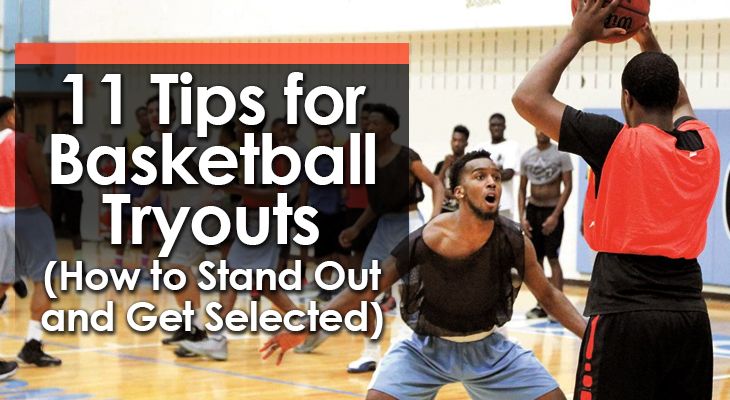
Image Source: www.basketballforcoaches.com
Sharpening Your Basketball Skills
Your basketball skills are the foundation of your performance. Coaches at team tryouts look for players who can handle the ball, shoot, pass, and defend effectively. Consistent practice is key to improving these areas.
Dribbling Prowess
Good dribbling allows you to control the ball, break through defenses, and create scoring opportunities. Focus on both hands and various types of dribbles.
Essential Dribbling Drills
- Crossover Dribble: Practice switching the ball from one hand to the other in front of your body.
- Between-the-Legs Dribble: Master moving the ball behind your legs to protect it from defenders.
- Behind-the-Back Dribble: This is an advanced move that helps change direction quickly.
- Cone Drills: Set up cones and dribble around them, practicing different moves at each cone.
- Full-Court Dribbling: Dribble from one end of the court to the other, focusing on speed and control.
Shooting Accuracy
Shooting is how you score points. Work on your form and consistency. Every shot should have good follow-through.
Key Shooting Practices
- Form Shooting: Start close to the basket and focus on your shooting motion. Gradually move further back.
- Catch-and-Shoot: Practice receiving a pass and shooting quickly without dribbling.
- Off-the-Dribble Shooting: Work on pulling up for a shot after dribbling.
- Free Throws: Dedicate time to shooting free throws. They are crucial for game points.
- Spot Shooting: Choose different spots on the court and make a certain number of shots from each.
Passing Precision
Basketball is a team sport, and good passing connects players and creates open shots. Accurate passes move the ball faster and more effectively.
Passing Drills to Master
- Chest Pass: A direct pass from your chest to your teammate’s chest.
- Bounce Pass: The ball bounces once on the floor before reaching your teammate.
- Overhead Pass: Used for longer distances or passing over defenders.
- Two-Ball Passing: Passing two balls simultaneously with a partner to improve hand-eye coordination and speed.
- Passing on the Move: Practice passing while running or cutting.
Rebounding Strength
Rebounding is vital on both ends of the court. Securing rebounds gives your team more possessions.
Rebounding Techniques
- Boxing Out: Position yourself between your opponent and the basket to prevent them from getting the rebound.
- Jumping and Tipping: Leap high to grab the ball at its peak. Sometimes, a tip is enough to regain possession.
- Follow-Throughs: Practice a quick put-back shot after grabbing an offensive rebound.
Defensive Fundamentals
Strong defense stops the opponent from scoring and can lead to turnovers. Playing good defense shows hustle and commitment.
Essential Defensive Techniques
- Stance: Maintain a low, balanced stance with your knees bent and feet shoulder-width apart.
- Footwork: Practice defensive slides and shuffling to stay in front of your offensive player.
- On-Ball Defense: Pressure the dribbler, force them to their weak hand, and don’t get beat off the dribble.
- Off-Ball Defense: Deny your player the ball, anticipate passes, and be ready to help.
- Closeouts: Learn to quickly and safely close the distance to an offensive player without fouling.
Boosting Your Basketball Fitness
Basketball demands a high level of physical fitness. Being in top shape will allow you to play at your best for the entire tryout duration. This includes endurance, speed, agility, and strength.
Cardiovascular Endurance
You need to be able to run up and down the court without getting tired. Good cardio ensures you can maintain your intensity throughout the tryouts.
Cardio Training for Basketball
- Running: Interval sprints are excellent for simulating game conditions. Mix in longer, steady-state runs for overall endurance.
- Suicides (Line Drills): Sprinting to different lines on the court and back helps build explosive power and anaerobic capacity.
- Jump Rope: A great tool for improving foot speed, coordination, and stamina.
Agility and Quickness
Basketball players need to change direction rapidly. Agility drills improve your ability to move effectively on the court.
Agility Drills for Quick Feet
- Dot Drills: Jumping between specific points on the floor in various patterns.
- Ladder Drills: Using an agility ladder to perform different footwork patterns quickly.
- Pro Agility Shuttle Run: A drill that tests your ability to change direction quickly.
Strength and Power
Having strength helps with shooting, jumping, defending, and finishing through contact. Power allows you to explode off the floor and move quickly.
Strength Training for Basketball Players
- Lower Body: Squats, lunges, and calf raises build leg strength for jumping and driving.
- Upper Body: Push-ups, bench presses, and rows improve shooting power and rebounding strength.
- Core Strength: Planks, crunches, and Russian twists are essential for balance and stability.
- Plyometrics: Box jumps, jump squats, and bounding drills enhance explosive power.
Table 1: Sample Weekly Conditioning Schedule
| Day | Focus | Activities |
|---|---|---|
| Monday | Cardio & Agility | Interval sprints, line drills, ladder drills, dot drills. |
| Tuesday | Strength Training (Lower) | Squats, lunges, deadlifts, calf raises, plyometrics (e.g., box jumps). |
| Wednesday | Rest or Active Recovery | Light stretching, foam rolling, walking. |
| Thursday | Basketball Skills & Cardio | Shooting, dribbling, passing drills followed by suicides. |
| Friday | Strength Training (Upper) | Push-ups, pull-ups, bench press, overhead press, core exercises. |
| Saturday | Game Simulation/Scrimmage | Practice game situations, focus on defense and transition. |
| Sunday | Rest | Complete rest to allow for muscle recovery. |
It’s crucial to listen to your body and avoid overtraining. Proper rest and nutrition are just as important as the workouts themselves.
Mastering Mental Preparation
Beyond skills and fitness, your mental game is a huge factor in tryout success. Staying calm, confident, and focused can make all the difference.
Confidence Building
Believe in your abilities. You’ve trained hard, and you deserve to be there.
Strategies for Confidence
- Positive Self-Talk: Replace negative thoughts with positive affirmations about your skills and effort.
- Visualization: Imagine yourself performing well in specific drills or game situations.
- Preparation: Knowing you’ve done the work reduces anxiety and boosts confidence.
Focus and Concentration
Tryouts can be distracting with many people and different activities happening. Staying focused on the task at hand is key.
Tips for Staying Focused
- Set Small Goals: Focus on executing each drill well, rather than the overall outcome.
- Minimize Distractions: Tune out external noise and concentrate on the instructions and your performance.
- Breathing Techniques: Deep breaths can help calm your nerves and clear your mind.
Handling Pressure
Tryout pressure is real. Learning to manage it will help you perform under stress.
Techniques for Managing Pressure
- Acceptance: Acknowledge that pressure exists, but don’t let it control you.
- Focus on the Process: Concentrate on your technique and effort, not the judgment of others.
- Learn from Mistakes: If you make an error, don’t dwell on it. Learn from it and move on to the next play.
Teamwork and Communication
Even in individual tryouts, coaches observe how you interact with others. Being a good teammate is highly valued.
Developing Teamwork Skills
- Encourage Others: Cheer for your fellow players when they do well.
- Communicate Clearly: Use verbal cues on defense and when passing.
- Be Coachable: Listen to feedback and apply it immediately.
Deciphering the Player Evaluation Process
To succeed, you need to know what coaches are looking for. Understanding the player evaluation criteria helps you target your preparation.
What Coaches Observe
Coaches are assessing a wide range of attributes during team tryouts. They look beyond just raw talent.
Key Evaluation Points
- Basketball Skills: Ball-handling, shooting, passing, dribbling, and footwork.
- Athleticism: Speed, agility, vertical leap, and stamina.
- Basketball IQ: Decision-making, court vision, and understanding of the game.
- Hustle and Effort: How hard you play defense, chase loose balls, and give maximum effort on every play.
- Coachability: How well you listen, take instruction, and respond to feedback.
- Attitude: Positivity, leadership, and how you interact with teammates and coaches.
- Physical Attributes: While not always the primary focus, height and build can be factors.
Understanding Tryout Drills
Tryout drills are designed to test specific skills and abilities. Knowing the purpose of each drill can help you perform better.
Common Tryout Drills and What They Measure
- Dribbling Drills: Assess ball-handling, control, and ability to dribble under pressure.
- Shooting Drills (e.g., form shooting, spot shooting, transition shooting): Measure shooting accuracy, form, and ability to score from different situations.
- Passing Drills: Evaluate passing accuracy, vision, and ability to make plays for teammates.
- Defensive Drills (e.g., defensive slides, closeouts): Test defensive stance, footwork, and ability to stay in front of opponents.
- Scrimmages/3-on-3/5-on-5: Assess overall game play, decision-making, teamwork, and how players apply skills in a game setting.
- Conditioning Tests (e.g., sprints, suicides): Measure speed, agility, and stamina.
Table 2: Drill Focus and Desired Outcomes
| Drill Type | What it Tests | What Coaches Look For |
|---|---|---|
| Dribbling | Ball control, handling, weak hand proficiency | Smooth dribbling, keeping head up, protecting the ball, executing moves cleanly. |
| Shooting | Accuracy, form, consistency, range, clutch ability | Good form, consistent release, ability to hit shots from various spots, confidence. |
| Passing | Accuracy, vision, decision-making, creativity | Crisp passes, seeing open teammates, making the right pass, effective communication. |
| Defense | Stance, footwork, lateral quickness, effort | Staying low, quick feet, effective closing out, active hands, commitment to stopping opponent. |
| Rebounding | Positioning, boxing out, jumping ability | Aggressiveness in pursuing the ball, proper technique, anticipation. |
| Conditioning | Speed, stamina, agility, explosiveness | Ability to perform at a high level throughout the tryout, quickness in changes of direction. |
| Scrimmage/Game Play | Basketball IQ, decision-making, teamwork, hustle | Court awareness, making smart plays, communication, effort on both ends, adaptability, unselfishness, positive attitude. |
How to Make a Good Impression
Beyond performing well in drills, how you present yourself matters.
Making a Lasting Impression
- Be Punctual: Arrive early, dressed appropriately and ready to go.
- Be Enthusiastic: Show that you love the game and are excited to be there.
- Be Respectful: Treat coaches and fellow players with respect at all times.
- Be a Good Communicator: Talk on defense, call out screens, and communicate with teammates.
- Show Leadership: Lead by example with your effort and positive attitude.
- Ask Questions: If you’re unsure about something, politely ask for clarification.
Putting It All Together: Pre-Tryout Strategies
The weeks and days leading up to the tryouts are crucial. A structured approach will ensure you are prepared.
The Pre-Tryout Checklist
Before you even step onto the court for tryouts, there are several things you should do.
Your Pre-Tryout To-Do List
- Know the Details: Confirm the date, time, location, and any specific requirements for the tryouts.
- Get the Right Gear: Ensure you have comfortable basketball shoes, appropriate athletic clothing, and a water bottle.
- Rest and Nutrition: Prioritize sleep in the days leading up to the tryouts. Eat healthy, balanced meals. Avoid junk food.
- Mental Rehearsal: Spend time visualizing success and mentally preparing for any challenges.
- Hydrate: Drink plenty of water in the days before, not just on the day of.
During the Tryout: Execution is Key
When you’re at the tryouts, focus on executing your plan.
Strategies for the Tryout Day
- Warm-up Thoroughly: Don’t skip your warm-up. Get your muscles ready to perform.
- Listen Attentively: Pay close attention to coaches’ instructions for each drill.
- Give 100% Effort: Coaches notice effort, even if a skill isn’t perfect.
- Stay Positive: Even if you make a mistake, maintain a positive attitude.
- Showcase Your Strengths: Try to find opportunities to highlight your best basketball skills.
- Be a Good Teammate: Interact positively with everyone.
Post-Tryout Follow-Up
Your interaction doesn’t end when the tryouts are over.
After the Final Whistle
- Thank the Coaches: Express your gratitude for the opportunity.
- Follow Instructions: If there’s a process for finding out results, adhere to it.
- Reflect: Win or lose, take time to think about what went well and what you can improve for next time. Every experience is a learning opportunity.
Frequently Asked Questions (FAQ)
Here are some common questions players have about basketball tryouts:
Q1: How important is physical conditioning for basketball tryouts?
A1: Physical conditioning is extremely important. Being in great basketball fitness allows you to perform at your best throughout the entire tryout, showcasing your skills without getting fatigued. It directly impacts your ability to execute drills, play defense, and maintain intensity.
Q2: What specific basketball skills should I focus on improving?
A2: You should focus on a well-rounded set of basketball skills including dribbling, shooting, passing, defense, and rebounding. Good ball-handling, accurate shooting, and strong defensive techniques are typically high priorities for coaches.
Q3: How can I prepare mentally for the pressure of tryouts?
A3: Mental preparation involves building confidence through practice, using visualization techniques, practicing positive self-talk, and developing strategies to manage anxiety. Focusing on the process rather than the outcome, and accepting that pressure exists, can also help.
Q4: What should I do if I make a mistake during a tryout drill?
A4: If you make a mistake, don’t dwell on it. Take a deep breath, refocus, and give maximum effort on the next play. Coaches often look at how players respond to adversity and mistakes, so showing resilience is key.
Q5: How do I stand out during team tryouts?
A5: To stand out, you need to combine excellent basketball skills with high energy, strong communication, and exceptional effort on both offense and defense. Being coachable, having a positive attitude, and demonstrating good basketball strategies will also make a significant impact on player evaluation.
By following these tips and strategies, you’ll be well-equipped to tackle your next basketball tryouts with confidence and achieve success. Good luck!