
Do you want to know how to play 21 in basketball? You play by scoring points, usually from free throws or field goals, with the first player to reach 21 points winning. It’s a fantastic game for improving your shooting and playing basketball 21 with friends.
Basketball 21 is a classic pickup game that’s easy to learn and incredibly fun. It’s a fantastic way to get a workout in, practice your shooting skills, and have a great time with friends. Whether you’re on a full court or just need some backyard basketball games, 21 is the perfect choice. Let’s dive into the details of how to play this popular game.
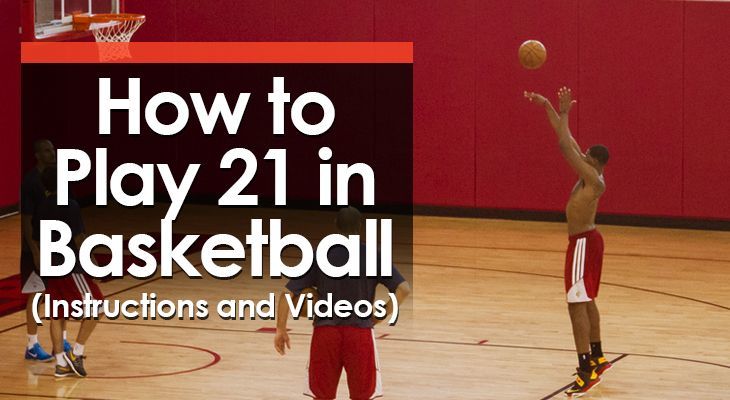
Image Source: www.basketballforcoaches.com
Deciphering the Core Gameplay of 21
The main goal of 21 basketball is simple: be the first player to reach exactly 21 points. The game is typically played with one ball and a single hoop. The beauty of 21 lies in its flexibility; you can play it with as few as two people or a larger group.
Getting Started: The Basic Setup
- Players: Two or more players.
- Equipment: One basketball and one hoop.
- Starting: Decide who goes first. This can be done by a free-throw contest, a coin flip, or rock-paper-scissors. The player who starts is often called the “shooter.”
The Flow of the Game: Shooting and Rotating
Once a player starts, they shoot from a designated spot on the court. This spot is usually the free-throw line.
Shooting from the Free-Throw Line
- The first player shoots from the free-throw line.
- If they make the shot, they get one point.
- If they miss, the ball goes to the next player in line.
- The player who shot the ball then becomes the rebounder.
- The player who is rebounding must secure the ball and then shoot from the free-throw line as well.
The Rebounding Rule: A Key Element
This is where the game gets interesting. When a player misses a shot, the ball becomes live. The player who shot it must now rebound the ball. They then get a chance to shoot from wherever they grab the rebound.
- If the rebounder makes the shot from where they rebounded: They score one point.
- If the rebounder misses the shot from their rebound spot: They are now “out” for that round of shooting.
This creates a cycle. The shooter shoots. If they miss, they rebound and shoot again. If they make it, they stay in the game and continue shooting. If they miss after rebounding, they are out for the next turn. The next player then takes their turn at the free-throw line.
How Scoring Works in 21 Basketball
The scoring system 21 basketball is straightforward but has some critical nuances:
- Free Throws: Typically worth 1 point.
- Field Goals (during regular play): Often also worth 1 point in many variations. However, some basketball 21 variations might assign different point values to shots made from different areas of the court.
A crucial aspect of scoring in 21 basketball is that you cannot score if you are “out.” You only score points by making shots when it’s your turn and you are eligible to score.
The “Out” Rule: What Happens When You Miss
The “out” rule is central to the progression of the game and how players cycle through their turns.
- Initial Miss: If the shooter misses their first shot from the free-throw line, they are not “out” yet. They can rebound their own shot.
- Miss After Rebound: If the shooter misses their shot after rebounding the ball, they are now “out.” This means they cannot score on their next turn at the free-throw line.
- Returning to Play: A player who is “out” can become “in” again by:
- Making a shot from the free-throw line when it’s their turn. This resets them to being able to score normally.
- Making a shot from the free-throw line after another player has “given” them a point. This is a common basketball 21 variation.
Exploring Popular Basketball 21 Variations
While the core concept remains the same, there are several popular basketball 21 variations that add different twists and challenges. These variations often focus on how points are scored or how players get back “in” the game.
Variation 1: Scoring from Different Spots
Some basketball 21 variations assign different point values to shots made from different areas of the court.
- Free Throw Line: 1 point.
- Beyond the Arc (3-point line): 2 points.
- Making a shot from the free-throw line after rebounding (sometimes called a “second chance”): 1 point, but often this is the only way to get back “in” if you’re out.
Scoring System 21 Basketball (Example Variation)
| Shot Type | Points | Condition |
|---|---|---|
| Made Free Throw | 1 | Shooter is “in” |
| Made Field Goal (inside arc) | 1 | Shooter is “in” |
| Made Field Goal (outside arc) | 2 | Shooter is “in” |
| Made Shot after Rebounding (if any) | 1 | Shooter is “in” and rebounded own shot |
| Made Shot to get back “in” | 1 | Shooter is “out” and makes free throw |
Variation 2: The “Give” Rule
This is a very common and important rule in many games of 21.
- How it works: If a player who is currently “in” makes a shot (usually a free throw), they can choose to “give” a point to another player who is currently “out.”
- Why it’s used: This allows players who are “out” a chance to get back into the game and score again. It keeps the game dynamic and prevents players from being stuck “out” for too long.
- Important Note: You can typically only “give” points to players who are “out.”
Variation 3: “Thirty-One” Basketball (How to play Thirty-One Basketball)
This is a direct extension of the 21 game, played to a higher score. The rules are generally the same, but the target score is 31. This variation simply extends the gameplay and requires more consistent shooting to win.
Variation 4: Streetball Rules 21
Streetball rules can vary wildly depending on where you play, but generally, they emphasize athleticism and improvisation.
- “Call Your Own Shots”: Players often call their own fouls or violations.
- “Next”: When a player scores, they might yell “Next!” indicating they are ready for the next player to inbound the ball.
- “No Make-Ers”: Sometimes, only shots made from outside a certain area (like the key) count, or shots made after a certain number of dribbles are invalidated.
- “Everything is 1”: Often, any made basket, regardless of where it’s shot from, counts as 1 point. The goal is still to reach 21.
Advanced Strategies and Tips for Playing 21
Once you grasp the basic rules, you can start thinking about strategies to improve your game and consistently win. Playing basketball 21 with friends becomes much more competitive when you have a strategy.
Improving Your Shooting Consistency
- Practice, Practice, Practice: The more you shoot, the better you’ll get. Use these games as great basketball games for practice.
- Focus on Form: Ensure your shooting form is sound. Proper technique is more important than sheer power.
- Repetition: Work on making consecutive shots from the free-throw line. This is your bread and butter in 21.
Rebounding Strategy
- Anticipate the Miss: When you’re the shooter, try to anticipate where the ball will bounce if you miss.
- Box Out: Even if you’re not playing defense, practice boxing out to give yourself the best chance to grab the rebound.
- Quick Release: Get the ball and shoot as quickly as possible after grabbing the rebound. Don’t give other players a chance to contest your rebound.
Managing the “Out” Rule
- Know When to Give: If you’re “in” and have a comfortable lead, consider using your “give” points strategically to help a struggling friend get back in the game, especially if they are good shooters. This can prevent the game from becoming a blowout and keeps it fun.
- Stay Focused When “Out”: Even when “out,” pay attention to the game. You’ll want to be ready to shoot when you get your chance to get back “in.”
Adapting to Different Players
- Observe Strengths: Notice which players are strong shooters and which ones struggle. This might influence who you “give” points to or which players you try to score against quickly.
- Pace Yourself: Don’t get discouraged if you get “out” a few times. Consistency is key.
Common Challenges and How to Overcome Them
Even in a simple game like 21, challenges can arise.
Dealing with “Hot” Shooters
Sometimes, one player will get on a roll and start making every shot.
- Don’t Get Discouraged: Focus on your own game. You can’t control how well others shoot.
- Targeted Defense (in some variations): In some very informal games, players might try to play defense on the rebound. If this is the case, be aware of who is guarding you. However, in traditional 21, the shooter usually has a free rebound.
The Game Dragging On
If players are missing a lot or the “give” rule isn’t used effectively, the game can take a long time.
- Agree on Rules Beforehand: Make sure everyone agrees on the variations and scoring before starting.
- Encourage “Gives”: Remind players of the “give” rule to keep the game moving and inclusive.
Misunderstandings About Rules
- Clear Communication: Always clarify any rule ambiguities before the game begins. Discuss specific basketball 21 variations you want to play.
Frequently Asked Questions About 21 Basketball
Here are some common questions people have about playing 21.
Q1: Can you score more than one point for a basket in 21?
A1: Yes, in some basketball 21 variations, shots made from beyond the three-point line are worth two points. However, the most common way to score is usually one point per made basket or free throw.
Q2: What happens if two players reach 21 at the same time?
A2: This usually doesn’t happen if the rules are followed strictly. The player who reaches 21 first wins. If it’s a very close call, players might agree to a tie-breaker, like a free-throw contest.
Q3: Do you have to call “21” when you reach it?
A3: While not a strict rule for all variations, it’s good practice to call out your score as you reach it, especially if you hit the winning point. This prevents confusion.
Q4: What if I miss my shot after rebounding? Am I out forever?
A4: No, you are not out forever. You are “out” for the next turn, meaning you cannot score. You can get back “in” by making a free throw on your next turn at the line, or through the “give” rule if another player gives you a point.
Q5: Are there specific court markings required for 21?
A5: Not really. While a basketball court with a free-throw line and a three-point arc makes the game easier to officiate, you can play 21 on any surface with a hoop. You can adapt by designating shooting spots. This is why it’s great for backyard basketball games.
Q6: Is there a limit to how many points you can score in a row?
A6: Typically, no. If you keep making shots, you can keep scoring points. The only limitation is when you get “out” after missing a shot post-rebound.
Q7: Can you “give” points to someone who is not “out”?
A7: In most standard basketball 21 rules, you can only “give” points to players who are currently “out” to help them get back into the game.
Q8: How is the “shooter” determined at the start of each round if multiple people are “out”?
A8: The player whose turn it is to shoot at the free-throw line is the “shooter.” If multiple players are “out,” the player who is currently “in” and making shots continues shooting until they miss and become “out.” Then, the next player in line takes their turn.
Conclusion: The Enduring Appeal of 21
Basketball 21 is more than just a game; it’s a test of shooting, resilience, and strategy. Its simple premise makes it accessible to players of all ages and skill levels, while its variations keep it fresh and engaging. Whether you’re looking for competitive basketball games for practice or just a fun way to spend an afternoon playing basketball 21 with friends, mastering the rules of 21 is a slam dunk for any basketball enthusiast. So grab a ball, head to the court, and start playing!