
Can you officiate basketball effectively without extensive prior experience? Yes, with proper training and a dedication to learning the Basketball officiating rules, anyone can develop the skills to officiate basketball professionally. This guide will break down the essential elements of becoming a competent and respected basketball official, from mastering the Basketball rulebook to managing the Basketball game flow with precision.
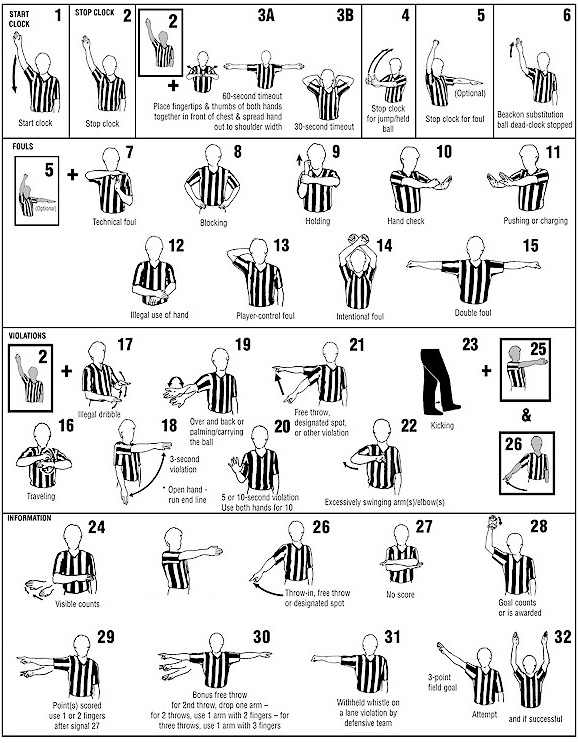
Image Source: basilioeduc.wordpress.com
The Foundation: Knowing the Rules
At the heart of every great official lies a deep comprehension of the Basketball rulebook. This isn’t just about memorizing penalties; it’s about understanding the intent behind each rule and how it contributes to fair play and the smooth progression of the Basketball game flow.
Key Principles of Basketball Officiating
- Fairness and Impartiality: Every player and team deserves equal treatment. Decisions must be made without bias.
- Consistency: Applying rules uniformly throughout the game is crucial for player and coach trust.
- Control: Maintaining control of the game environment, both on and off the court, is paramount.
- Communication: Clear and concise communication with players, coaches, and fellow officials is vital.
- Observation: Attentive and focused observation of all game action is the bedrock of accurate officiating.
Common Areas of Rule Misinterpretation
Many aspiring officials struggle with specific aspects of the Basketball officiating rules. Here are a few to pay close attention to:
- Charging vs. Blocking Fouls: This is a frequent point of contention. A charge occurs when an offensive player runs into a stationary defensive player who has established legal guarding position. A block is when a defensive player makes contact with an offensive player who is in motion and the defender has not established legal guarding position. The key is the defender’s position and movement.
- Traveling Violations: This involves a player taking too many steps without dribbling the ball. Proper footwork is essential here, and officials need to quickly assess the pivot foot and subsequent movements.
- Goaltending and Basket Interference: Goaltending involves interfering with a shot when the ball is on its downward flight toward the basket or is on or within the cylinder. Basket interference happens when a player touches the ball or the basket while the ball is in the cylinder or on the rim.
Mastering Basketball Referee Signals
Effective communication with players, coaches, and spectators relies heavily on clear and accurate Basketball referee signals. These signals are the language of officiating, ensuring that everyone understands the reason for a stoppage in play or a penalty.
Essential Signals to Know
It’s critical to learn and consistently use standardized signals. Here are some of the most fundamental ones:
- Stop Clock: A raised fist.
- Start Clock: An open palm moving forward.
- Foul: Punching the fist into the palm of the other hand.
- Traveling: Rotating the hands in a circular motion.
- Shot Clock Violation: Holding up a hand with fingers extended, then closing them, indicating the shot clock has expired.
- Illegal Dribble: Moving the hands up and down as if dribbling after ending a dribble.
Signaling Mechanics
The way you execute a signal is as important as the signal itself.
- Clarity: Signals should be sharp, precise, and clearly visible to all participants.
- Purpose: Each signal should be accompanied by a point to the player who committed the violation or foul.
- Whistle: The whistle is used to stop play. The signal follows the whistle.
Table 1: Basic Basketball Referee Signals
| Action | Signal | Purpose |
|---|---|---|
| Stop Clock | Raised Fist | To halt game time. |
| Start Clock | Open Palm Forward | To resume game time. |
| Foul | Fist Punch into Open Palm | Indicates a personal or technical foul. |
| Traveling | Rotating Hands Circularly | Offensive player taking too many steps without dribbling. |
| Double Dribble | Moving Hands Up and Down (like dribbling) | Player dribbles, stops, and dribbles again, or dribbles with two hands. |
| Out of Bounds | Pointing in the direction the ball went | Ball crossed the boundary line. |
| Basket Interference | Holding hands up to the basket/cylinder | Illegal touching of the ball or basket during a shot. |
Basketball Game Management: More Than Just Rules
Effective Basketball game management extends beyond simply calling fouls. It involves creating an environment where the game can be played safely, fairly, and with a positive spirit. This requires a strong presence, proactive anticipation, and the ability to de-escalate tense situations.
Establishing Authority and Control
- Presence: Walk with confidence. Maintain good posture. Make eye contact with players and coaches.
- Professionalism: Dress appropriately. Maintain a professional demeanor at all times, even when dealing with heated exchanges.
- Anticipation: Position yourself to see potential infractions before they happen. This often means being ahead of the play.
- Communication: Use clear, concise verbal commands and non-verbal cues to manage players and coaches.
Dealing with Players and Coaches
- Respect: Treat all participants with respect, even when making difficult calls.
- Objectivity: Avoid arguing with players or coaches. State your call and move on.
- De-escalation: If a situation is becoming heated, address it calmly and assertively. Sometimes a simple word or a gesture can diffuse tension.
- Technical Fouls: Reserve technical fouls for unsportsmanlike conduct, excessive complaining, or disrespect toward officials.
Managing the Pace of the Game
A smooth Basketball game flow is often a sign of good officiating. This means keeping the game moving without unnecessary stoppages.
- Quick Whistle: Blow your whistle promptly when a violation or foul occurs.
- Prompt Reporting: Report fouls to the scorer quickly and efficiently.
- Player Communication: When dealing with a minor infraction or a misunderstanding, a brief word to the player can often prevent future issues. For example, after calling a travel, a simple, “Watch your steps,” can be effective.
Basketball Officiating Mechanics: The Art of Positioning and Movement
Basketball officiating mechanics are the physical techniques and positional strategies officials use to see the game clearly and make accurate calls. These mechanics are honed through practice and experience.
Positioning on the Court
Your location on the court is critical for optimal observation.
- Lead Official: Typically positioned at the end of the court with the most action, responsible for covering the basket and the baseline.
- Trail Official: Positioned behind the play, responsible for observing the ball handler, passes, and off-ball action further up the court.
- Two-Person Officiating: In this system, leads and trails switch as the ball moves. The goal is always to have one official in a position to see a clear view of the action.
Footwork and Movement
- Pivoting: The ability to turn and adjust your position without crossing your feet.
- Mirroring: Staying with the dribbler by mirroring their movements.
- Cutting Off Angles: Moving to a position that provides a clear view of potential contact.
- Transition: Moving smoothly and efficiently from one end of the court to the other as play dictates.
Communication Between Officials
Effective officiating often involves a team approach.
- Eye Contact: Visually acknowledging your partner to ensure you are on the same page.
- Verbal Cues: Using subtle verbal cues to indicate what you see.
- Hand Signals: Using your non-whistle hand to signal to your partner what you are seeing.
Making the Right Basketball Foul Calls
Accurate Basketball foul calls are the most visible aspect of officiating. This requires a keen eye, good judgment, and an understanding of the nuances of contact.
Types of Fouls
- Personal Fouls: Illegal physical contact between opponents.
- Blocking: Impeding the progress of an opponent by extending one or both arms, or by the position of a leg, knee, or foot.
- Charging: Running into a defender who has established legal guarding position.
- Holding: Impeding the freedom of movement of an opponent.
- Pushing: Forcing an opponent backward or into an opponent.
- Illegal Use of Hands: Contact that impedes an opponent’s progress when they do not have the ball.
- Technical Fouls: Non-contact fouls related to unsportsmanlike conduct, procedural violations, or administrative issues.
- Unsportsmanlike conduct (arguing, taunting).
- Delay of game.
- Illegal substitutions.
- Flagrant Fouls: Excessive or severe contact. These have escalating penalties.
Judging Contact
- Legal Guarding Position: A defender must have their feet set and be between the offensive player and the basket to draw a charge.
- Verticality: Defenders are allowed to have their arms extended vertically, but they cannot extend them into the path of an offensive player.
- “And-One” Situations: When a foul is committed on a player who is in the act of shooting and the basket is made, the player receives the basket and one free throw.
Foul Reporting
- Promptness: Report the foul immediately after blowing the whistle.
- Clarity: Clearly state the type of foul and the number of the player who committed it.
- Partnership: Consult with your partner on more complex foul situations.
Navigating Different Defensive Strategies
While the Basketball rulebook doesn’t explicitly mention how to officiate a Basketball zone defense versus man-to-man, understanding these schemes helps anticipate play and position yourself correctly.
Zone Defense Considerations
In a zone defense, players guard specific areas rather than individual opponents.
- Player Movement: Pay close attention to players cutting through the lane or moving between zones.
- Screening: Be aware of illegal screens set by defenders in the zone, especially when offensive players are moving without the ball.
- Trapping: When multiple defenders converge on the ball-handler, watch for illegal contact that might occur during the trap.
Man-to-Man Defense Considerations
In man-to-man, each defender is responsible for guarding a specific offensive player.
- Off-Ball Fouls: Be vigilant about contact away from the ball, which can be common in man-to-man.
- Screening: Officials must watch for illegal screens, where the screener does not establish legal guarding position.
Beyond the Court: Continuous Improvement and Training
Becoming a professional official is an ongoing journey. Basketball officiating training is essential for continuous development.
Clinics and Camps
- Rule Clinics: Attend clinics to stay updated on rule changes and interpretations.
- Mechanics Camps: Participate in camps that focus on improving your positioning, movement, and signaling.
- Mentorship: Seek out experienced officials who can provide guidance and feedback.
Game Film Review
- Self-Analysis: Reviewing footage of your own officiating can highlight areas for improvement.
- Partner Review: Discussing plays with your officiating partner can lead to valuable insights.
Staying Physically Fit
Officiating requires stamina and agility. Maintaining a good level of physical fitness is crucial for keeping up with the pace of the game.
Frequently Asked Questions (FAQ)
Q1: What is the most important skill for a basketball official to possess?
A1: While many skills are vital, the most important is the ability to remain impartial and consistent in applying the Basketball officiating rules.
Q2: Can I officiate basketball at a professional level without attending specific training programs?
A2: While experience is invaluable, structured Basketball officiating training through clinics and camps significantly accelerates development and provides a strong foundation in rules and mechanics.
Q3: What is the basketball offside rule?
A3: There is no “offside” rule in basketball, unlike in sports like soccer or hockey. This term is not applicable to the sport.
Q4: How do I handle a situation where both my partner and I see a foul differently?
A4: In such cases, communication between officials is key. Discuss the play briefly, and defer to the official with the better vantage point if there’s a clear difference in perception. If the call remains disputed, the lead official often has the final say, but the goal is always to reach a consensus.
Q5: What should I do if a player or coach consistently argues with my calls?
A5: Address it initially with a clear, calm statement reaffirming your call. If the behavior continues or escalates, issue a warning. Persistent or egregious behavior may warrant a technical foul. Always be prepared to document the incident.
Q6: How important is knowing how to officiate a basketball zone defense specifically?
A6: While the rules apply universally, understanding the principles of how a Basketball zone defense operates helps officials anticipate player movement and potential areas of contact, thus improving their ability to make accurate calls and manage Basketball game flow.
By committing to continuous learning, practicing sound Basketball officiating mechanics, and always striving for fairness, you can officiate basketball with the confidence and professionalism of a seasoned pro. Remember, the goal is to facilitate a great game for everyone involved.