
What is a full court press in basketball? A full court press is a defensive strategy where a team pressures the offense from the moment the ball is inbounded, all the way down the court. Can I break a full court press? Absolutely! Breaking a full court press is a fundamental skill that can turn the tide of any basketball game. Who is a full court press designed to pressure? It’s designed to pressure the ball handler and disrupt the offensive flow, forcing turnovers and creating easy scoring opportunities.
Successfully breaking a press isn’t just about reacting; it’s about preparation and executing a well-thought-out offensive strategy. When a team employs a full court press, their goal is to make the offense uncomfortable, rush their decisions, and ultimately steal the ball. But with the right approach, you can turn their aggressive tactics into your advantage, leading to easy baskets and a boost in confidence. This guide will delve into the core principles and practical techniques needed to effectively attack the press and achieve victory.
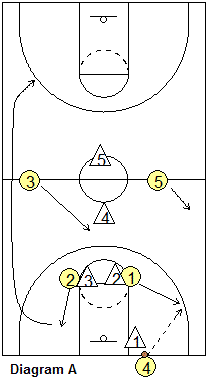
Image Source: cccdn-fe9e.kxcdn.com
The Fundamentals of Breaking a Press
Before diving into specific tactics, it’s crucial to grasp the underlying principles that make basketball offense effective against a full court press. It all boils down to smart decisions, crisp execution, and a collective team effort.
Key Principles for Press Break Success
- Patience: Rushing will lead to mistakes. Take a deep breath and wait for the right opportunity.
- Spacing: Proper spacing is vital. Players need to spread out to create passing lanes and make it harder for the defense to cover everyone.
- Communication: Talk to each other! Call out open players, warn about defenders, and coordinate movements.
- Attacking the Middle: Many presses are designed to force the ball to the sidelines. Finding ways to get the ball into the middle of the court often opens up the most direct attack.
- Quick Decisions: Once you see an open teammate, make the pass quickly. Hesitation can allow the defense to recover.
- Dribble with a Purpose: When you have to dribble, do it with your head up, ready to pass. Protect the ball and use your body to shield it from defenders.
Pre-Game Preparation: Laying the Foundation
The most effective way to break a full court press starts long before tip-off. It’s about establishing a strong foundation through practice and preparation.
Mastering Essential Skills
These skills are the building blocks for any successful press break. Consistent practice is key.
- Dribbling Techniques:
- Ball Protection: Keep the ball low and away from defenders, using your body as a shield.
- Head Up Dribbling: Always survey the court while dribbling. You need to see teammates and defenders.
- Change of Pace: Use hesitations and sudden bursts to beat defenders.
- Crossover Dribble: A quick change of direction with the ball to get past an opponent.
- Behind-the-Back Dribble: A useful tool for protection and changing direction without looking.
- Passing Skills:
- Chest Pass: A fundamental pass for short to medium distances.
- Bounce Pass: Effective for getting the ball around defenders or over low hands.
- Overhead Pass: Good for longer passes and passing over outstretched arms.
- No-Look Pass: Use sparingly and only when the court is clearly visible. It can surprise defenders but also lead to turnovers if not executed perfectly.
- Pass Accuracy: Every pass should be crisp and lead your receiver to where they need to be.
- Footwork:
- Pivoting: Use pivots to protect the ball and create passing angles.
- Jab Steps: A quick step with one foot to fake a drive, creating space for a pass or dribble.
Crucial Passing Drills for Breaking the Press
These drills are designed to simulate game pressure and build the necessary precision.
Drill 1: The “3-Man Weave” (Modified for Press Break)
Objective: Improve passing accuracy, communication, and movement to open space.
Setup: Three players in a line at one baseline. Two players are positioned further down the court, spaced apart.
Execution:
1. The player at the front of the line initiates the drill by passing to one of the players further down the court.
2. The receiver catches the ball and immediately passes to the other player further down.
3. The original passer then runs to the end of the line of the player they passed to.
4. The drill continues down the court, with players always moving to an open space after passing.
5. Emphasize crisp passes and receiving the ball with two hands.
Drill 2: “Diamond Passing”
Objective: Develop passing in tight spaces and reacting to defensive pressure.
Setup: Four players form a diamond shape. A fifth player is in the middle.
Execution:
1. Players on the perimeter pass the ball around the diamond.
2. The player in the middle tries to intercept passes or disrupt passing lanes.
3. After a pass, the passer moves to the middle, and the previous middle player moves to an open spot on the perimeter.
4. Focus on quick, accurate passes and keeping the ball away from the middle defender.
Drill 3: “Outlet and Go”
Objective: Simulate getting the ball to an open player after a rebound or turnover and initiating a quick break.
Setup: One player with the ball at the baseline. Two players are positioned further up the court, spreading wide.
Execution:
1. The player with the ball looks to make an “outlet pass” to one of the spread players.
2. The receiver catches the ball and immediately looks to advance it with a pass or by dribbling if space permits.
3. The passer should be prepared to sprint up the court to become a secondary option.
4. This drill can be made more realistic by adding a defender who tries to pressure the initial inbounder.
Executing the Press Break: Tactical Approaches
Once the fundamentals are in place, the focus shifts to how to apply them in a game situation against a variety of presses.
Common Types of Full Court Presses and How to Counter Them
Understanding the specific type of press you’re facing will dictate your approach.
1. Man-to-Man Full Court Press
- How it works: Each defender is responsible for guarding a specific offensive player.
- Attacking Strategy:
- Utilize the inbounder: The player inbounding the ball is a crucial offensive weapon. They need to find an open teammate.
- Beat your man: Players must use sharp dribble moves or cuts to get open.
- Create 2-on-1 opportunities: If two offensive players work together to beat one defender, it often opens up the court.
- “Skip Passes”: Longer passes across the court that go over the heads of defenders can be highly effective.
2. Zone Full Court Press (e.g., 1-2-1-3 or 2-2-1)
- How it works: Defenders are positioned in specific zones, rather than guarding individual players. The goal is to trap the ball in certain areas.
- Attacking Strategy:
- Identify the “seams”: Look for the open spaces between the defensive zones.
- “Throw the ball ahead”: If the defense overcommits to trapping, a long pass behind them can lead to an easy score.
- “Beat the trap”: When a trap occurs, the player with the ball needs to make a quick pass to an open teammate before the trap is fully set.
- V-Cuts and L-Cuts: These sharp cuts help offensive players get open against zone defenses.
3. Hybrid Presses
- How it works: A combination of man-to-man and zone principles.
- Attacking Strategy:
- Scout and identify: Try to determine which players are playing man-to-man and which are in a zone.
- Exploit the weakness: Attack the area where the press is weakest. If there’s a specific player struggling in man-to-man, target them. If there’s a large gap in the zone, exploit it.
Effective Inbound Plays to Break the Press
The inbound pass is your first opportunity to break the press. Having pre-designed inbound plays is critical.
Play 1: “The Flash”
Objective: Get the ball to a player cutting across the lane.
Setup:
* Inbounder at the baseline.
* Player A starts near the inbounder, then cuts sharply across the lane towards the opposite block.
* Player B starts on the opposite block and flashes to the middle of the lane.
* Player C is positioned further up the court as a safety valve.
Execution:
1. Player A makes a sharp cut.
2. The inbounder looks to pass to Player B flashing to the middle, who can then either take a dribble or pass ahead.
3. If Player B is covered, the inbounder can try to hit Player A cutting across.
4. Player C is the last resort if the initial options are covered.
Play 2: “The Screen and Dive”
Objective: Use a screen to free up a player to receive the inbound pass.
Setup:
* Inbounder at the baseline.
* Player A is positioned on the block.
* Player B is positioned a few feet away from Player A.
* Player C is further up court.
Execution:
1. Player B sets a screen for Player A.
2. Player A uses the screen and “dives” towards the inbounder.
3. The inbounder passes to Player A.
4. Player A can then dribble or pass ahead.
Play 3: “The Back Cut”
Objective: Utilize a defender’s over-aggression to create a back-door opportunity.
Setup:
* Inbounder at the baseline.
* Player A is positioned a few feet away from the inbounder, looking to receive a pass.
* Player B is positioned on the block.
* Player C is further up court.
Execution:
1. Player A makes a move as if to cut towards the ball, drawing their defender.
2. As the defender gets close, Player A makes a sharp cut towards the basket (back-cut).
3. The inbounder delivers a pass to Player A cutting to the basket.
Advancing the Ball: Moving Towards Offense
Once the inbound pass is secured, the offense must quickly and effectively advance the ball up the court.
Dribbling Techniques to Beat Pressure
Mastering these dribbling techniques will allow your players to navigate through defensive pressure.
- The “Pick and Roll” Variation: While not a true pick and roll, if one player is trapped, another player can come towards the ballhandler to “set a screen” allowing the ballhandler to dribble past the trap.
- The “Pass and Follow”: A player passes to a teammate and immediately follows their pass, providing a secondary option or preparing to receive a return pass.
- The “Triple Threat” Position: After receiving a pass, a player should be in a “triple threat” stance (ready to dribble, pass, or shoot) to react to the defense.
Smart Passing to Advance the Ball
Transition offense is key. Quick, accurate passes can break the press before it’s even fully set.
- “Throw Ahead” Passes: If a teammate has a step on their defender, throw a firm pass ahead of them to create a scoring opportunity.
- “Cross-Court” Passes: These can split defenders and open up a new angle of attack. Be careful with these, as they can be intercepted if not thrown with precision.
- Utilizing the “5-Man” as a Primary Ball Handler: Sometimes, the tallest player on the court, if capable, can be used as a primary ball handler to receive the inbound pass and survey the court.
Transitioning to the Fast Break
Breaking the press effectively often leads directly into a fast break. This is where you can truly capitalize on the defense’s aggressiveness.
Creating Fast Break Opportunities
- Beat the Defense Down the Court: Your players should sprint to the offensive end, filling lanes.
- “Up and Under” the Defender: If a defender closes out aggressively on the ball handler, a quick “up and under” move can get by them.
- “Trail the Play”: Players who aren’t directly involved in the initial break should trail the play, providing a trailer option for passes and potentially catching the defense off guard.
Maintaining Possession During a Fast Break
- Secure Passes: Even on a fast break, passes must be catchable and accurate.
- Decision Making: The player with the ball needs to decide quickly whether to shoot, pass, or dribble when they have an advantage.
- Avoid Over-Dribbling: Too much dribbling can allow the defense to recover.
Advanced Strategies and Team Basketball
To truly master breaking a full court press, it requires more than individual skill; it demands cohesive team basketball.
Reading the Defense and Adapting
- “Reading the Eyes” of the Defender: See where the defender is looking. If they are focused on the ball, look for cuts away from their line of sight.
- Recognizing Traps: Anticipate where traps are likely to occur and have a plan to escape them.
- Adjusting Spacing: If the defense is collapsing too much, spread out further. If they are playing too wide, move closer to create passing lanes.
Effective Communication and Teamwork
- Verbal Cues: “Ball!” “Open!” “Help!” are crucial.
- Non-Verbal Cues: Hand signals and eye contact can also be effective for communication.
- Trusting Teammates: Have confidence that your teammates will make the right plays.
Player Roles in Breaking the Press
- The Inbounder: The quarterback of the press break. Needs good vision and accurate passing.
- The Ball Handler: Must be able to dribble under pressure, protect the ball, and make smart decisions.
- The “Deep” Player: A player positioned furthest up the court, ready to receive a long pass if the defense overcommits.
- The “Middle” Player: Often cuts into the middle of the court to create passing options and break the press’s shape.
Common Mistakes to Avoid
Even with preparation, mistakes can happen. Being aware of common pitfalls can help you avoid them.
What Not to Do When Facing a Press
- Panic Dribble: Avoid dribbling aimlessly without a plan.
- “Two-Handed” Dribble: This is slower and less protected.
- Throwing “Hope Passes”: Passes that have little chance of being completed.
- Allowing Traps: Getting caught in a double-team without a clear escape route.
- Standing Still: Players must be in constant motion, looking for openings.
- Not Protecting the Ball: Leaving the ball exposed to defenders.
Practice Drills for Implementing Press Break Strategies
These drills integrate the tactical elements into practice.
Drill 1: “Full Court Pressure with Options”
Objective: Practice breaking various types of presses with multiple passing options.
Setup:
* One team (offense) starts at their baseline with the ball.
* The other team (defense) applies a full court press (man-to-man or zone).
* Offensive players are instructed to use specific plays or options.
Execution:
1. The offense tries to advance the ball and score.
2. The defense applies maximum pressure.
3. Coaches provide feedback on decision-making, passing, and dribbling.
4. Rotate offensive and defensive players.
Drill 2: “Beat the Trap Drill”
Objective: Focus on escaping defensive traps.
Setup:
* Two offensive players are positioned near each other.
* Two defensive players attempt to trap them.
Execution:
1. The offensive players must use dribbling techniques and passing to get out of the trap.
2. If one player is trapped, they must pass to the other player to escape.
3. Focus on quick passes and dribble moves that create space.
Drill 3: “Press Break Scrimmage”
Objective: Simulate game conditions where the press is applied for the entire possession.
Setup:
* Full court scrimmage.
* The defensive team attempts to press full court on every possession.
* The offensive team focuses on executing their press break strategies.
Execution:
1. The game is played with a focus on how well the offense breaks the press and transitions into their offense.
2. Emphasis is placed on not turning the ball over and creating good scoring opportunities.
Frequently Asked Questions (FAQ)
Q: What is the most important skill for breaking a full court press?
A: While several skills are vital, the ability to pass the ball accurately and with a purpose is arguably the most crucial. A good pass can break a trap, find an open player, and advance the ball quickly.
Q: How can smaller players effectively break a press?
A: Smaller players can excel at breaking presses by using their quickness, agility, and lower center of gravity. They should focus on dribbling techniques like crossover dribbles and behind-the-back dribbles to evade taller defenders and use sharp cuts to get open. Their quick passes are also a significant asset.
Q: When is it okay to dribble against a press?
A: It’s okay to dribble when you have a clear path to advance the ball or when you need to protect the ball from an immediate steal. However, always have your head up and be ready to pass. Avoid dribbling into a trap or when a teammate is clearly open for a pass.
Q: How can a team practice breaking a press without getting demoralized?
A: Focus on the process and the execution of specific skills rather than solely on the outcome of scoring. Celebrate small victories, like completing a difficult pass or escaping a trap. Encourage and coach players through mistakes, framing them as learning opportunities. Use drills that build confidence and allow for success.
Q: What should a team do if their initial press break fails?
A: If the initial pass or dribble doesn’t break the press, the team needs to regroup quickly. Players should look to find open spots on the court, make themselves available for a secondary pass, and avoid panicking. Sometimes, simply securing possession and patiently working the ball up the court is the best approach.
By mastering these principles, practicing diligently, and executing with confidence, your team can transform the challenge of a full court press into a significant advantage, leading to more possessions, easier scoring opportunities, and ultimately, more wins.