
Can you become a great basketball player? Yes, with dedication, the right skills, and consistent practice, anyone can significantly improve their basketball game and work towards becoming a great player. This guide breaks down the essential elements, from fundamental basketball drills to advanced team play basketball concepts, to help you elevate your game.
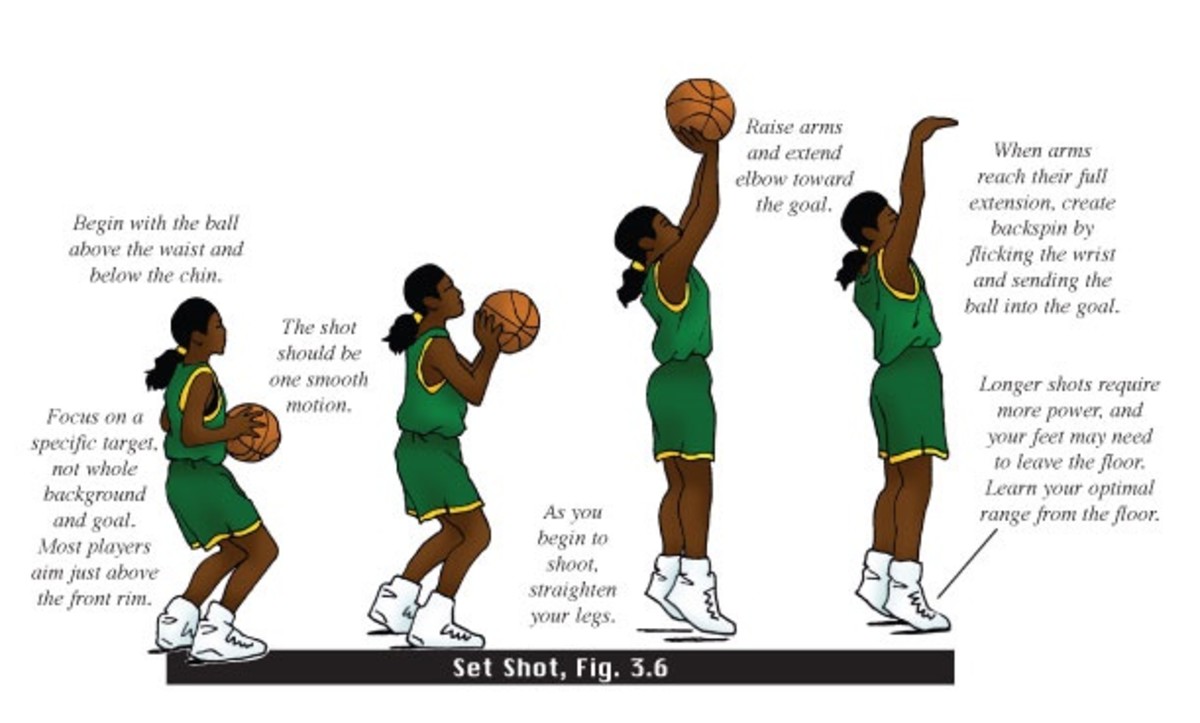
Image Source: images.saymedia-content.com
Mastering the Fundamentals: The Building Blocks of Greatness
Becoming a great basketball player starts with mastering the basics. These are the skills you’ll use every play, and the better you are at them, the more opportunities you’ll create for yourself and your team.
The Art of the Dribble: Developing Elite Dribbling Skills
Dribbling skills are the lifeblood of a basketball player. Whether you’re a point guard orchestrating the offense or a big man bringing the ball up the court, superior ball-handling is crucial.
Essential Dribbling Drills:
- Stationary Dribbling: This is the foundation. Practice pounding the ball hard with your fingertips, keeping your head up to see the court. Work on both hands, switching between low dribbles, waist-high dribbles, and high dribbles.
- Around the Body Dribble: Pass the ball around your waist, then your legs, then your head. This builds hand-eye coordination.
- Two-Ball Dribbling: Dribbling two balls simultaneously forces you to use both hands equally and increases your focus. Try alternating dribbles, same-time dribbles, and crossover dribbles with two balls.
- Movement Dribbling: Once you’re comfortable stationary, take it on the move.
- Full Court Dribbling: Dribble the length of the court, focusing on keeping the ball low and protected. Alternate hands with each dribble, or practice specific moves like crossovers and behind-the-back dribbles.
- Cone Drills: Set up cones and weave through them. This helps you practice changing direction quickly while maintaining control of the ball.
- Crossover Cone Drill: Dribble to a cone, perform a crossover, and continue to the next.
- Between-the-Legs Cone Drill: Execute a between-the-legs dribble at each cone.
- Behind-the-Back Cone Drill: Practice behind-the-back dribbles around the cones.
- Protecting the Ball: Learn to use your body and off-arm to shield the ball from defenders. Keep the ball low when pressured and be ready to pivot.
The Sweet Science of Shooting: Perfecting Your Shooting Technique
A consistent shooting technique is what separates good players from great ones. It’s not just about making shots; it’s about making them efficiently and consistently.
Key Components of Shooting Technique:
- B.E.E.F. Method: This acronym is a classic for a reason:
- Balance: Start with a stable base. Feet shoulder-width apart, slightly staggered, with knees bent.
- Eyes: Focus on your target, typically the front of the rim or the back of the rim depending on your preference. Keep your eyes locked on the target throughout the shot.
- Elbow: Keep your shooting elbow tucked in and aligned under the ball, forming an “L” shape.
- Follow-Through: Extend your shooting arm fully towards the basket, snapping your wrist downwards as if reaching into the hoop. Hold this follow-through until the ball reaches its destination.
- Grip: Hold the ball with your fingertips, not your palm. Your shooting hand should be behind the ball, with your non-shooting hand providing balance on the side.
- Repetition: This is where basketball training regimen becomes vital. The more quality shots you take, the more natural the motion becomes.
Effective Shooting Drills:
- Form Shooting: Start close to the basket, focusing purely on your shooting form. Don’t even jump. Just focus on the B.E.E.F. elements and getting the ball to go in. Gradually increase your distance as your form becomes more consistent.
- Spot Shooting: Choose 5-7 spots on the court and try to make a certain number of shots from each spot before moving to the next. This simulates game situations where you might get the ball in different areas.
- Free Throws: This is a skill that often wins or loses games. Practice free throws in sets, simulating game pressure by taking them after a strenuous drill. Aim to make 10 or 20 in a row.
- Catch and Shoot: Have a partner pass you the ball, and practice catching it in your shooting motion, then shooting immediately. This is critical for offensive players who receive passes.
- Shooting off the Dribble: Practice dribbling into a shot, whether it’s a pull-up jumper or a floater. This requires combining your dribbling and shooting skills.
Elevating Your Game: Advanced Skills and Strategies
Once you have a solid foundation, it’s time to add layers to your game. This involves developing your basketball IQ, understanding court awareness, and mastering offensive plays basketball and defensive strategies.
Strategic Play: Offensive Plays and Court Awareness
Great players don’t just react; they anticipate. This comes from developing excellent court awareness and understanding how to execute offensive plays basketball.
Developing Court Awareness:
- See the Whole Floor: Always be aware of where your teammates, opponents, and the ball are. This allows you to make better decisions about passing, shooting, or driving.
- Read the Defense: Learn to recognize defensive formations and tendencies. Are they switching? Are they trapping? Are they giving you space?
- Anticipate the Play: Think one or two steps ahead. Where is the open teammate? Where is the defender likely to go?
- Practice with Purpose: When doing drills, don’t just go through the motions. Actively think about what you’re seeing and how it applies to a game.
Understanding Offensive Plays Basketball:
- Spacing: How players position themselves on the court is crucial. Proper spacing creates driving lanes and passing opportunities.
- Movement Off the Ball: Even if you don’t have the ball, you should be moving to get open for a pass or to draw defenders away from a teammate.
- Cuts: Sharp, decisive movements towards the basket or to an open spot.
- V-Cut: Take a step back, then explode forward towards the ball.
- L-Cut: Step away from the basket, then cut sharply towards it.
- Screens: Setting legal screens to free up teammates. This requires good timing and positioning.
- Cuts: Sharp, decisive movements towards the basket or to an open spot.
- Ball Movement: Quick, crisp passes are essential. Look for the “hockey assist” – the pass that leads to the assist.
- Reading and Reacting: While plays are designed, defenses are unpredictable. Great players can read how the defense reacts to a play and make adjustments on the fly.
The Backbone of the Team: Defensive Strategies and Conditioning
Defense wins championships. Becoming a great player means being a force on both ends of the court. This requires mastering defensive strategies and having the basketball conditioning to execute them for an entire game.
Mastering Defensive Strategies:
- Stance: Get low, with knees bent, feet shoulder-width apart, and your back straight. Keep your hands active and ready to disrupt the ball or passing lanes.
- Footwork: Quick, choppy steps are key to staying in front of your opponent.
- Defensive Slides: Slide laterally without crossing your feet.
- Closeouts: Approach the ball handler under control, forcing them to make a decision.
- On-Ball Defense:
- Containment: Stay between your opponent and the basket.
- Pressure: Make them uncomfortable, forcing them into tough decisions.
- Reaching: Only reach for the ball when you have a good chance of stealing it; otherwise, focus on your stance and footwork.
- Off-Ball Defense:
- Denial: Prevent your assigned player from receiving the ball.
- Help Defense: Be ready to rotate and help a teammate who is beaten by their man. This requires constant court awareness.
- Rebounding: Boxing out your opponent is crucial for securing defensive rebounds.
The Importance of Basketball Conditioning:
- Stamina: You need the energy to perform at a high level throughout the entire game, not just the first half.
- Cardiovascular Drills: Running, sprinting, and agility drills are vital.
- Interval Training: Mimics the stop-and-go nature of basketball.
- Strength: Strong legs provide power for jumping and driving. Strong core muscles improve balance and stability.
- Weight Training: Focus on compound movements like squats, deadlifts, and lunges.
- Plyometrics: Explosive exercises like jump squats and box jumps build power.
- Agility and Speed: The ability to change direction quickly and accelerate is paramount.
- Ladder Drills: Improve foot speed and coordination.
- Shuttle Runs: Practice quick bursts of speed and changes of direction.
- Flexibility and Injury Prevention: Proper stretching and mobility work can prevent injuries and improve your range of motion.
- Dynamic Stretching: Before practice or games.
- Static Stretching: After practice or games.
The Mental Game: Cultivating Mental Toughness in Sports
Beyond physical skills, great players possess strong mental toughness in sports. This is the ability to perform under pressure, overcome adversity, and maintain focus.
Key Aspects of Mental Toughness:
- Focus: Staying present and concentrating on the task at hand, whether it’s a crucial free throw or a defensive possession.
- Resilience: Bouncing back from mistakes, turnovers, or missed shots without letting it affect your next play.
- Confidence: Believing in your abilities and your preparation. This comes from consistent practice and a solid basketball training regimen.
- Discipline: Sticking to your training, diet, and sleep schedule, even when you don’t feel like it.
- Composure: Staying calm and making smart decisions, even in high-pressure situations.
- Positive Self-Talk: Encouraging yourself and reframing negative thoughts into constructive ones.
Drills to Build Mental Toughness:
- Pressure Shooting: Shoot free throws or other shots with a consequence for missing (e.g., doing push-ups).
- Endurance Drills with Consequences: Perform conditioning drills that simulate game fatigue.
- Visualization: Close your eyes and imagine yourself making great plays, hitting shots, and defending effectively.
- Scenario Practice: Simulate game situations in practice where you might be down by a few points with little time left.
Putting It All Together: Your Basketball Training Regimen
A comprehensive basketball training regimen is crucial for continuous improvement. It needs to be balanced, consistent, and challenging.
Sample Weekly Training Structure:
This is a general outline and should be adjusted based on your individual needs, experience level, and whether you are in season or off-season.
| Day | Focus | Key Activities |
|---|---|---|
| Monday | Skill Development (Ball Handling & Shooting) | Stationary dribbling drills, two-ball dribbling, crossover drills, form shooting, spot shooting, free throws. |
| Tuesday | Basketball Conditioning & Agility | Full court sprints, interval training, ladder drills, cone drills, defensive slide drills. |
| Wednesday | Offensive Strategy & Team Play | Working on offensive plays basketball, practicing cuts, screens, pick-and-rolls, court awareness drills, scrimmage play. |
| Thursday | Defensive Strategies & Strength Training | On-ball defense drills, help defense drills, boxing out, strength training (lower body focus – squats, lunges). |
| Friday | Skill Integration & Shooting | Combining skills: dribbling into shots, shooting off screens. Game simulations, more shooting practice, free throws. |
| Saturday | Game Play / Scrimmage / Active Recovery | If possible, play in a pickup game or team scrimmage. If not, focus on light activity like swimming, cycling, or stretching. |
| Sunday | Rest & Recovery | Crucial for muscle repair and preventing burnout. Focus on sleep, nutrition, and light stretching. |
Important Considerations for Your Regimen:
- Listen to Your Body: Don’t push through significant pain. Rest and recovery are as important as training.
- Nutrition and Hydration: Fuel your body properly for performance and recovery.
- Sleep: Aim for 7-9 hours of quality sleep per night.
- Consistency: The most important factor. Stick to your plan even when motivation wanes.
- Progressive Overload: Gradually increase the intensity, duration, or difficulty of your workouts to continue making progress.
Frequently Asked Questions (FAQ)
Q1: How long does it take to become a great basketball player?
A1: There’s no set timeline. Becoming a great player is a journey that can take years of dedicated practice and development. Some players show natural talent early, but consistent effort over time is the key to reaching a high level.
Q2: What is the most important skill in basketball?
A2: While all skills are important, shooting is often cited as the most crucial because it’s the primary way to score points. However, strong ball-handling and defense are also vital for creating scoring opportunities and winning games.
Q3: Can I improve my basketball skills if I’m not naturally athletic?
A3: Absolutely. While athleticism can be an advantage, dedication to basketball drills, proper shooting technique, and smart court awareness can overcome a lack of natural athleticism. Focus on skill development and basketball conditioning to maximize your potential.
Q4: How can I get noticed by scouts or coaches?
A4: Perform well consistently in games and showcases. Be a coachable player, demonstrate good team play basketball, and maintain a positive attitude. Strong fundamentals, offensive plays basketball execution, and solid defensive strategies will always stand out.
Q5: What is the best way to develop mental toughness in sports?
A5: Develop mental toughness in sports through consistent practice of focus, resilience, and confidence. Use visualization, positive self-talk, and pressure drills to build your mental fortitude. Learning to embrace challenges and setbacks as opportunities for growth is also key.