
Can you become a basketball coach without prior experience? Yes, you absolutely can! While experience is beneficial, it’s not always a strict requirement to start coaching, especially at lower levels. What’s more important is your passion for the game, your willingness to learn, and your ability to connect with players.
Becoming a basketball coach is a rewarding journey that allows you to share your love for the sport, develop young athletes, and contribute to a team’s success. Whether you dream of guiding a youth league team, leading a high school squad, or even aspiring to the collegiate or professional ranks, the path to becoming a coach starts with a few key steps. This comprehensive guide will walk you through everything you need to know to embark on your coaching career, from the foundational skills to advanced strategies.
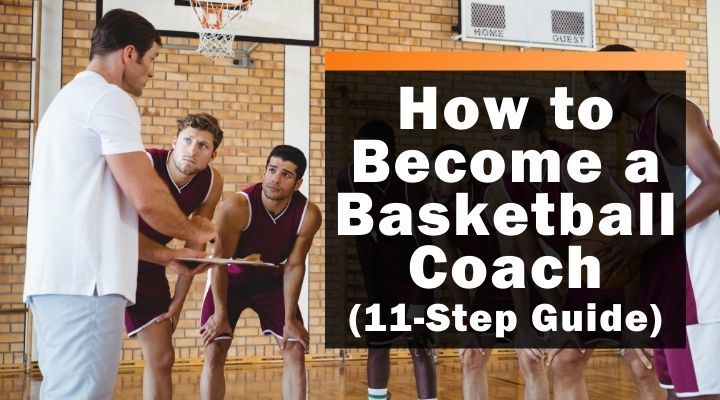
Image Source: www.basketballforcoaches.com
Laying the Groundwork: Your Coaching Foundation
Before you can guide a team, you need to build your own foundation of knowledge and skills. This involves a deep appreciation for basketball itself and a clear vision of what you want to achieve as a coach.
Coaching Youth Basketball: Nurturing Future Talent
Coaching youth basketball is often the first step for aspiring coaches. It’s a fantastic way to gain practical experience, learn how to manage a team, and develop your communication skills with young players. At this level, the focus is on teaching fundamental skills, fostering a love for the game, and promoting sportsmanship.
- Focus on Fun: Make practices enjoyable. Kids are more likely to stick with the sport if they are having a good time.
- Skill Development: Prioritize teaching basic dribbling, shooting, passing, and defensive techniques.
- Positive Reinforcement: Encourage effort and improvement, not just wins.
- Sportsmanship: Teach players to respect teammates, opponents, and officials.
- Parent Communication: Keep parents informed about team progress and expectations.
Coaching High School Basketball: Stepping Up the Competition
Coaching at the high school level introduces a higher level of competition and strategic complexity. Players at this stage are more developed, and coaches often have more influence on the team’s direction.
- Advanced Skill Refinement: Work on more intricate moves, shooting mechanics, and defensive schemes.
- Team Strategy and Tactics: Introduce offensive plays, defensive formations, and game-planning.
- Player Development: Focus on individual player growth within the team context.
- Recruitment and Retention: Attract and keep talented players within the school program.
- Balancing Academics and Athletics: Support players in their academic pursuits.
Essential Basketball Coaching Qualifications and Certification
While formal qualifications aren’t always mandatory to start, they significantly enhance your credibility and knowledge base. Obtaining basketball coaching certifications demonstrates your commitment and provides you with the tools to coach effectively.
Basketball Coaching Certification Programs
Several organizations offer basketball coaching certification programs, catering to different levels of experience and age groups. These programs often cover:
- Basketball Fundamentals: Proper techniques for shooting, dribbling, passing, and defense.
- Coaching Strategy and Tactics: Offensive and defensive systems, game planning, and in-game adjustments.
- Sports Psychology: Motivation, building team chemistry, and handling pressure.
- Safety and Injury Prevention: Recognizing and managing common basketball injuries.
- Rules and Regulations: A thorough understanding of the game’s rules.
Popular certification bodies include:
- USA Basketball: Offers Gold, Silver, and Bronze level certifications, widely recognized and respected.
- National Federation of State High School Associations (NFHS): Provides online courses covering various aspects of coaching, including basketball.
- American Coaching Effectiveness Program (ACEP): Offers comprehensive coaching education across many sports.
Exploring Basketball Coaching Qualifications
The specific basketball coaching qualifications you might need will depend on the league or organization you wish to coach for. Some require a certain level of certification, while others may prioritize experience or a background check.
- Background Checks: Most organizations require coaches to pass a criminal background check.
- First Aid/CPR Certification: Essential for ensuring player safety.
- Coaching Clinics and Workshops: Attending these events is a great way to learn from experienced coaches and stay updated on trends.
Developing Your Coaching Arsenal: Skills and Drills
Effective coaching involves a blend of technical knowledge, pedagogical skills, and the ability to motivate and manage players. This section delves into the practical aspects of coaching, from drills to strategy.
Basketball Drills for Practice
Well-structured practices are crucial for player development. Here are some fundamental basketball drills that are beneficial at various levels:
Ball Handling Drills
- Stationary Dribbling: Crossovers, between-the-legs, behind-the-back dribbles. Focus on control and keeping your head up.
- Dribbling with Resistance: Using a partner to apply light pressure or dribbling against a wall.
- Full Court Dribbling: Dribbling up and down the court with different speeds and directions, incorporating changes of pace.
Shooting Drills
- Form Shooting: Close-range shots focusing on proper elbow alignment, wrist snap, and follow-through.
- Layup Drills: Various angles and finishes, including power layups and reverse layups.
- Catch and Shoot: Players receive a pass and immediately shoot, simulating game situations.
- Free Throw Practice: Emphasize routine and focus for each shot.
Passing Drills
- Partner Passing: Stationary and moving passes (chest pass, bounce pass, overhead pass).
- Passing on the Move: Players run and pass to each other, focusing on accuracy and leading the receiver.
- Two-Ball Passing: Enhances hand-eye coordination and quickness.
Defensive Drills
- Defensive Slides: Maintaining a low stance and sliding laterally without crossing feet.
- Closeout Drills: Simulating closing out on a shooter, controlling the dribble, and contesting shots.
- On-Ball Defense: Practicing staying in front of a dribbler, mirroring their moves.
- Off-Ball Defense: Practicing positioning, seeing both the ball and your man, and anticipating passes.
Coaching Basketball Skills
Beyond drills, a coach needs to teach the “why” behind each skill.
- Proper Shooting Form: Break down the mechanics: balance, hand placement, elbow alignment, release, and follow-through.
- Dribbling Control: Teach players to dribble with the fingertips, keep their head up to see the court, and use their body to protect the ball.
- Effective Passing: Emphasize seeing the target, making sharp passes, and leading receivers.
- Footwork: Crucial for shooting, defense, and creating space. Teach proper pivots, jab steps, and defensive slides.
Basketball Team Management
Coaching is more than just running drills; it’s about managing people and resources effectively.
- Roster Management: Deciding on player roles, managing playing time, and keeping track of player statistics.
- Practice Planning: Creating organized and efficient practice sessions that cover all necessary aspects of the game.
- Team Communication: Establishing clear lines of communication with players, parents, and other staff.
- Building Team Chemistry: Fostering a positive and supportive team environment.
- Motivation and Discipline: Keeping players engaged, motivated, and accountable.
Coaching Strategy and Tactics
As you progress, you’ll need to develop a solid understanding of basketball strategy and tactics.
- Offensive Systems:
- Motion Offense: Emphasizes player movement, passing, and cutting without set plays.
- Set Plays: Designed plays to get a specific player an open shot.
- Fast Break: Transitioning quickly from defense to offense.
- Defensive Systems:
- Man-to-Man Defense: Each player is assigned to guard a specific opponent.
- Zone Defense: Players guard areas of the court rather than specific players (e.g., 2-3 zone, 3-2 zone).
- Press Defenses: Applying pressure on the opponent’s ball handlers to force turnovers.
- In-Game Adjustments: Recognizing what’s working and what’s not, and making necessary changes to strategy.
The Path to Becoming a Coach: Practical Steps
Now that you have a grasp of the essential components, let’s look at the practical steps to get you started.
Step 1: Gain Experience (Even Without a Formal Title)
- Volunteer: Offer to assist a local youth league, school team, or community center program. This is the best way to get your foot in the door and learn by doing.
- Assistant Coach: Seek opportunities to be an assistant coach. You’ll learn from an experienced head coach and gain valuable insight into team management and strategy.
- Mentorship: Find an experienced coach you admire and ask if they would be willing to mentor you.
Step 2: Educate Yourself Continuously
- Read Books and Articles: There’s a wealth of information available on basketball coaching, strategy, and player development.
- Watch Games Critically: Analyze how successful coaches manage their teams, call plays, and make adjustments.
- Attend Clinics and Camps: Participate in coaching clinics and summer camps to learn new techniques and strategies.
- Study the Rules: Ensure you have a thorough knowledge of the official rules of basketball.
Step 3: Pursue Basketball Coaching Certification
- Research Local and National Options: Look for certification programs that fit your goals and budget.
- Complete Required Courses: Dedicate time to learning the material and passing any assessments.
Step 4: Network with Other Coaches
- Build Relationships: Connect with coaches in your community, at clinics, and through online forums.
- Share Knowledge: Exchange ideas and learn from the experiences of others.
Step 5: Start Coaching!
- Apply for Coaching Positions: Look for openings in youth leagues, schools, or club teams.
- Be Prepared for Interviews: Showcase your knowledge, passion, and coaching philosophy.
- Be Patient: It may take time to land your first head coaching position. Continue to gain experience and build your resume.
Navigating the Coaching Landscape: Beyond the Court
Becoming a basketball coach also involves understanding related roles and responsibilities.
Becoming a Basketball Official
While not a direct coaching role, having an appreciation for the responsibilities of a basketball official can make you a more understanding and respectful coach. Officials ensure the game is played fairly and according to the rules. Learning the rules from their perspective can improve your coaching decisions and interactions with referees.
Basketball Team Management: The Art of Leadership
Effective basketball team management is crucial for success. This involves:
- Setting Expectations: Clearly communicate your expectations for behavior, effort, and performance to players and parents.
- Developing a Coaching Philosophy: Define your beliefs about how the game should be played and how players should be developed.
- Time Management: Maximize practice time and manage your own schedule effectively.
- Conflict Resolution: Be prepared to handle disagreements among players or between players and yourself.
Coaching Basketball Fundamentals: The Bedrock of Success
No matter the level, a strong emphasis on basketball fundamentals is paramount.
- Shooting: Develop proper mechanics from the start.
- Dribbling: Teach players to dribble with both hands, keep their head up, and use their body to protect the ball.
- Passing: Emphasize accuracy, timing, and reading passing lanes.
- Defense: Teach players to stay in a low stance, move their feet, and contest shots without fouling.
- Rebounding: Teach proper box-out techniques and positioning.
Key Attributes of a Successful Basketball Coach
Beyond technical skills, certain personal attributes are vital for effective coaching.
Communication Skills
- Clear and Concise: Deliver instructions effectively to players of all ages.
- Active Listening: Pay attention to player concerns and feedback.
- Motivational: Inspire players to give their best effort.
- Constructive Feedback: Provide feedback that helps players improve.
Leadership Qualities
- Integrity: Act with honesty and uphold ethical standards.
- Vision: Have a clear plan for the team’s development.
- Decisiveness: Make timely and confident decisions.
- Accountability: Take responsibility for your actions and your team’s performance.
Adaptability
- Flexibility: Be willing to adjust strategies based on player strengths, opponent tendencies, and game situations.
- Problem-Solving: Address challenges that arise during practices and games.
Passion and Dedication
- Enthusiasm: Your passion for the game will be contagious.
- Commitment: Be willing to invest the time and effort required to be a good coach.
Tables for Clarity
Here’s a look at how different coaching levels might prioritize certain aspects:
| Aspect | Youth Basketball Focus | High School Basketball Focus |
|---|---|---|
| Player Development | Fun, fundamental skills, sportsmanship | Skill refinement, tactical awareness, growth |
| Strategy & Tactics | Basic offensive/defensive concepts | Complex plays, game-planning, adjustments |
| Team Management | Positive environment, basic rules | Roles, discipline, player development plans |
| Coaching Qualifications | Less formal, experience valued | Certifications often preferred, experience key |
| Parent Interaction | Informative, collaborative | Professional, transparent |
Frequently Asked Questions (FAQ)
Q1: Do I need to play basketball at a high level to become a coach?
A1: Not necessarily. While playing experience is helpful, many successful coaches never played at a high level. Your ability to teach, motivate, and strategize is more important than your personal playing credentials.
Q2: What is the youngest age I can start coaching?
A2: This varies by organization. Many youth leagues allow individuals as young as 16 or 18 to coach, especially for younger age groups, often with supervision. Always check the specific age requirements of the league or program.
Q3: How long does it take to get a basketball coaching certification?
A3: The time frame depends on the certification level and the program. Some online certifications can be completed in a few days or weeks, while more comprehensive programs might take longer, especially if they include in-person components or practical experience requirements.
Q4: What are the most important basketball drills for beginners?
A4: For beginners, focus on fundamental ball-handling drills (dribbling with both hands, keeping head up), shooting drills (form shooting, layups), and basic passing drills (chest pass, bounce pass). Defense starts with defensive slides and proper stance.
Q5: How can I improve my coaching strategy and tactics?
A5: Continuously study the game by watching professional and collegiate games critically. Read coaching books and articles, attend clinics, and talk to experienced coaches. Practice simulating game situations and analyzing their outcomes.
Q6: What if I don’t have a lot of basketball knowledge but want to coach?
A6: Start with coaching the youngest age groups. Focus on teaching the absolute fundamentals and creating a fun environment. Take advantage of coaching clinics, online resources, and mentorship from experienced coaches. Your willingness to learn and your positive attitude are your greatest assets.
Q7: Is becoming a basketball official a good first step into basketball?
A7: Yes, becoming a basketball official can be a great way to gain a deep understanding of the rules and how the game is officiated. This knowledge can make you a more informed and respectful coach.
Becoming a basketball coach is a journey of continuous learning and development. By focusing on building a strong foundation, seeking out opportunities to gain experience, and committing to ongoing education, you can successfully navigate the path to becoming an effective and impactful basketball coach. Start today by taking that first step, whether it’s volunteering, attending a clinic, or simply diving into more basketball resources. The court awaits!