
What makes a good basketball coach? A good basketball coach is someone who can effectively teach the game, foster positive team dynamics, and inspire their players to reach their full potential, both on and off the court. They possess strong communication skills, deep understanding of basketball, and the ability to adapt their coaching strategies.
Being a successful basketball coach is a rewarding journey. It requires more than just knowing the game; it demands a blend of leadership qualities, motivation techniques, and a genuine commitment to player development. This comprehensive guide will explore the essential strategies and skills that separate good coaches from great ones. We will delve into offensive plays, defensive schemes, team building, practice drills, game management, and the crucial role of effective communication skills.
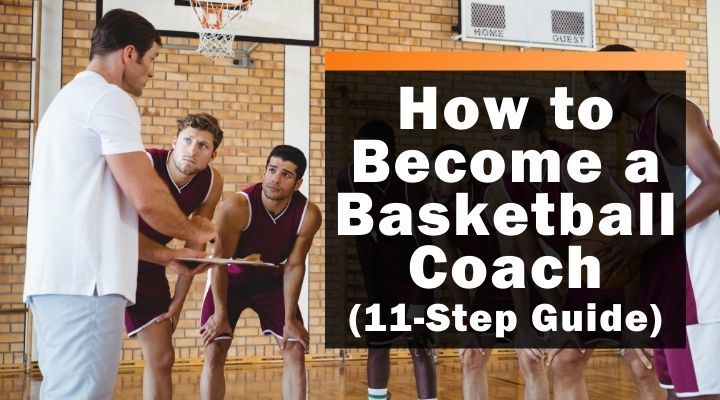
Image Source: www.basketballforcoaches.com
Cultivating Foundational Leadership Qualities
At the core of any good coach is strong leadership. This isn’t just about making decisions; it’s about setting an example, building trust, and guiding a group towards a common goal.
Defining Effective Leadership in Sports
Leadership in basketball is about more than just commanding respect. It’s about demonstrating integrity, accountability, and a vision for the team. A leader inspires confidence and fosters an environment where players feel valued and supported.
Key Leadership Qualities for Coaches:
- Integrity: Always act with honesty and uphold ethical standards.
- Accountability: Take responsibility for your actions and the team’s performance.
- Vision: Clearly articulate the team’s goals and the path to achieving them.
- Empathy: Show care and concern for your players as individuals.
- Decisiveness: Make clear and timely decisions, especially during games.
- Patience: Understand that growth takes time and setbacks are part of the process.
- Passion: Exhibit enthusiasm for the game and for helping players improve.
Setting the Tone: The Coach as a Role Model
Players look to their coach for guidance and inspiration. Your behavior on and off the court significantly influences the team’s culture.
How to Be a Positive Role Model:
- Be Punctual: Arrive early for practices and meetings.
- Maintain a Positive Attitude: Even when facing challenges, project optimism.
- Demonstrate Sportsmanship: Show respect for opponents, officials, and teammates.
- Communicate Respectfully: Speak to players, staff, and others with courtesy.
- Show Commitment: Invest time and energy into the team’s success.
Mastering Coaching Strategies for On-Court Success
Effective coaching strategies are the backbone of a successful basketball team. This involves developing sound offensive plays and robust defensive schemes.
Designing and Implementing Offensive Plays
A well-structured offense can create scoring opportunities and keep opponents guessing. It’s about using player strengths and creating mismatches.
Principles of Effective Offense:
- Spacing: Creating open areas on the court for players to operate.
- Ball Movement: Passing the ball quickly and effectively to find the best shot.
- Player Movement: Cutting, screening, and moving without the ball to create advantages.
- Execution: Ensuring players understand and can perform plays consistently.
Common Offensive Sets and Concepts:
- Pick and Roll: A fundamental play involving a screen by one player for a ball handler.
- Post Up: Positioning a player with their back to the basket to score or draw fouls.
- Motion Offense: A fluid offense with constant player and ball movement, often without set plays.
- Zone Offense: Strategies to attack different types of zone defenses.
Developing Strong Defensive Schemes
Defense wins championships. A solid defensive strategy can limit opponents’ scoring and create turnovers, leading to easy baskets.
Pillars of a Strong Defense:
- Communication: Talking to teammates on defense is crucial to cover assignments.
- Effort: Playing hard on every possession, from start to finish.
- Transition Defense: Getting back quickly on defense after a turnover or missed shot.
- Rebounding: Securing defensive rebounds to end an opponent’s possession.
Key Defensive Systems:
- Man-to-Man Defense: Each player guards a specific opponent.
- Zone Defense: Players guard specific areas of the court, rather than individual players. Common zones include 2-3, 3-2, and 1-3-1.
- Press Defenses: Aggressive defensive strategies designed to pressure the ball handler and force turnovers. This includes full-court and half-court presses.
- Help Defense: Players stepping in to assist a teammate who is beaten by their offensive player.
Integrating Player Development into Your Strategy
Coaching isn’t just about winning games; it’s about helping players grow their skills and their basketball IQ.
Key Areas for Player Development:
- Skill Refinement: Focusing on shooting, dribbling, passing, and finishing.
- Basketball IQ: Teaching players to read the game, make good decisions, and anticipate plays.
- Physical Conditioning: Improving speed, agility, strength, and endurance.
- Mental Toughness: Building resilience, focus, and confidence.
Building a Cohesive Unit: The Art of Team Building
A team is more than just a collection of individual players; it’s a unit that works together towards a shared objective. Effective team building is essential for creating synergy and trust.
Fostering a Positive Team Culture
The environment you create will dictate how your players interact and perform. A positive culture is built on respect, encouragement, and shared goals.
Elements of a Positive Team Culture:
- Mutual Respect: Players respect each other’s efforts and contributions.
- Open Communication: Players feel comfortable sharing ideas and concerns.
- Shared Responsibility: Everyone understands their role and commitment.
- Celebration of Success: Acknowledging individual and team achievements.
- Support During Adversity: Rallying around each other when facing difficulties.
Developing Chemistry and Trust Among Players
Team chemistry doesn’t happen by accident. It’s fostered through shared experiences and open communication.
Activities to Enhance Team Chemistry:
- Team Bonding Events: Social activities outside of practice to build camaraderie.
- Goal Setting Sessions: Working together to define team and individual goals.
- Team Huddles: Pre-game, halftime, and post-game huddles to reinforce unity.
- Peer Coaching: Encouraging players to help and teach each other.
Enhancing Performance: Motivation Techniques and Practice Drills
Keeping players engaged and improving their skills requires a combination of effective motivation techniques and well-designed practice drills.
Igniting Player Motivation
Motivating athletes is an ongoing process that requires understanding their individual drives and providing consistent encouragement.
Strategies for Motivation Techniques:
- Set Clear Expectations: Players need to know what is expected of them.
- Provide Positive Reinforcement: Acknowledge good effort and performance.
- Offer Constructive Feedback: Help players understand how to improve without demoralizing them.
- Celebrate Small Wins: Recognize progress and improvements along the way.
- Create Competition: Healthy competition within practices can boost effort.
- Connect to Purpose: Help players understand the “why” behind their work.
- Empowerment: Give players ownership of their development and team goals.
Designing Effective Practice Drills
Practice is where skills are honed and strategies are implemented. Drills should be purposeful, engaging, and game-like.
Characteristics of Great Practice Drills:
- Purposeful: Each drill should have a clear objective.
- Repetitive: Players need to practice skills many times to master them.
- Progressive: Start simple and gradually increase complexity.
- Game-like: Drills should simulate game situations as much as possible.
- Engaging: Keep players active and focused throughout the session.
Examples of Fundamental Practice Drills:
| Drill Name | Focus Area | Description |
|---|---|---|
| Dribbling Course | Ball Handling | Players dribble through cones, changing direction and speed, simulating game movements. |
| Shooting Lines | Shooting | Players take shots from various spots on the court, focusing on form and consistency. |
| 3-on-2 Transition | Fast Break Offense/Defense | One team attacks offensively, the other defends. Focus on spacing, passing, and finishing on offense, and communication on defense. |
| Shell Drill | Defensive Positioning | Four or five players work on defensive positioning, communication, and help-side defense in a half-court setting. |
| Rebound Competition | Rebounding | Players compete to box out and secure rebounds from missed shots, emphasizing effort and positioning. |
| 5-on-5 Scrimmage | Game Simulation | Full-court, live play to implement offensive and defensive schemes, test strategies, and assess player performance. |
Navigating the Game: Excellence in Game Management
Game management involves making strategic decisions during the heat of competition to maximize the team’s chances of winning.
In-Game Decision-Making
Coaches must be able to assess the flow of the game, identify strengths and weaknesses, and make critical adjustments.
Key Game Management Decisions:
- Timeouts: When and how to use timeouts effectively to stop momentum, draw up plays, or make adjustments.
- Substitutions: Rotating players to maintain energy, exploit matchups, or change the game’s tempo.
- Foul Management: Deciding when to foul, how to play defense with players in foul trouble.
- Clock Management: Crucial for late-game situations, understanding when to speed up or slow down.
- Defensive and Offensive Adjustments: Identifying opponent tendencies and adapting strategies accordingly.
Communicating Effectively During the Game
Clear and concise communication is vital for directing players and making quick decisions.
Effective In-Game Communication:
- Sideline Coaching: Providing instructions and feedback to players.
- Hand Signals: Using visual cues for plays or defensive adjustments.
- Player Communication: Encouraging players to communicate with each other on the court.
- Referee Interaction: Maintaining professional and respectful communication with officials.
The Power of Communication Skills
Effective communication is the cornerstone of successful coaching. It impacts player development, team building, and game management.
Verbal and Non-Verbal Communication
Coaches communicate in numerous ways, both verbally and through their actions and body language.
Enhancing Verbal Communication Skills:
- Clarity: Speak directly and to the point.
- Conciseness: Avoid unnecessary jargon or lengthy explanations.
- Tone: Use a tone that is encouraging, firm, and respectful.
- Active Listening: Pay attention to what players are saying and respond thoughtfully.
- Feedback Delivery: Provide specific and actionable feedback.
Leveraging Non-Verbal Communication Skills:
- Body Language: Project confidence and focus.
- Eye Contact: Connect with players when speaking to them.
- Gestures: Use hand signals or gestures to emphasize points.
- Facial Expressions: Convey your emotions appropriately.
Building Rapport Through Communication Skills
Strong communication builds trust and a positive relationship between coach and player.
Strategies for Building Rapport:
- One-on-One Conversations: Take time to talk to players individually about their progress and challenges.
- Show Genuine Interest: Ask about their lives outside of basketball.
- Be Approachable: Make yourself available for questions and concerns.
- Provide Encouragement: Offer support and belief in their abilities.
Continuous Improvement: A Coach’s Lifelong Journey
Being a good basketball coach is a commitment to ongoing learning and adaptation. The game evolves, and so should the coach.
Staying Updated on Trends and Strategies
The basketball landscape is constantly changing. Coaches must stay informed to remain effective.
Ways to Keep Learning:
- Attend Clinics and Seminars: Learn from experienced coaches and industry experts.
- Read Books and Articles: Study basketball literature and research.
- Watch Film: Analyze professional and collegiate games for new strategies.
- Network with Other Coaches: Share ideas and gain insights from peers.
- Seek Mentorship: Find experienced coaches who can offer guidance.
Adapting to Different Teams and Players
Every team and every player is unique. A great coach can adapt their style to suit the specific group they are working with.
Adaptability in Coaching:
- Player Strengths: Tailor offensive plays and defensive schemes to the team’s personnel.
- Team Dynamics: Adjust team building efforts based on the group’s personality.
- Player Learning Styles: Use various practice drills and motivation techniques to cater to different learning preferences.
- Situational Awareness: Be prepared to change strategies based on game circumstances.
Frequently Asked Questions (FAQ)
How do I motivate players who are naturally talented but lack effort?
Address their intrinsic motivation. Help them understand the long-term benefits of hard work for their individual player development and the team’s success. Use motivation techniques like setting challenging, achievable goals and providing positive reinforcement for effort, not just results. Sometimes, a healthy dose of competition in practice drills can also ignite a spark.
What is the best way to communicate defensive assignments to my players?
Clear and concise communication is key. Use simple language and visual aids if possible, like diagrams. During practices, repeat defensive calls and have players echo them back. Implement practice drills that emphasize defensive communication, like the “Shell Drill,” where players are required to talk to each other. On game days, ensure your defensive schemes are drilled repeatedly so calls become second nature.
How can I balance teaching fundamentals with implementing complex offensive plays?
Start with a strong foundation in fundamentals. Ensure all players have mastered basic shooting, dribbling, and passing. Once the fundamentals are solid, introduce offensive plays gradually, breaking them down into smaller, manageable steps. Use practice drills that reinforce both fundamentals and the execution of these plays. The goal is for players to understand the “why” behind each play, linking it back to fundamental principles.
What are some effective motivation techniques for players who are struggling with confidence?
Focus on reinforcing positive behaviors and small victories. Offer specific praise for good effort or a successful execution of a skill, even if it’s not perfect. Remind players of their past successes and emphasize their strengths. Player development should include building mental resilience. Utilize communication skills to express belief in their ability to improve.
How important is game management in a close game?
Game management is absolutely critical in close games. Every timeout, substitution, and strategic decision can be the difference between winning and losing. It involves smart clock management, effective substitutions to exploit matchups or maintain energy, and making the right defensive or offensive adjustments based on the opponent’s actions. Strong leadership qualities and clear communication skills are paramount during these high-pressure situations.
How do I approach team building with a group that has a lot of different personalities?
Embrace the diversity. Use team building activities that allow players to connect on a personal level and appreciate each other’s unique qualities. Open and honest communication skills are vital. Create opportunities for players to contribute to team goals and decisions. Tailor your approach to different personalities, ensuring everyone feels valued and included. Positive reinforcement and celebrating collective achievements can help unify diverse groups.
What are the most important defensive schemes for a beginner team?
For beginner teams, focusing on fundamental defensive schemes like man-to-man defense with clear principles of help-side defense and proper close-outs is often most effective. Simple zone defenses like a 2-3 zone can also be beneficial. Emphasize communication, effort, and basic positioning in all practice drills. As players develop, you can introduce more complex schemes and presses.
How can I ensure my practice drills translate into better game performance?
Make your practice drills as game-like as possible. Incorporate game-speed tempo, decision-making, and consequences for errors. Focus on quality repetitions rather than just quantity. Regularly scrimmage and analyze film from practices to identify areas where execution needs improvement. Ensure players understand the tactical purpose of each drill and how it relates to actual game situations.
What is the role of leadership qualities in player development?
Strong leadership qualities from a coach are foundational to player development. A leader sets expectations, provides guidance, inspires confidence, and fosters an environment where players feel safe to take risks and learn from mistakes. They model good habits, sportsmanship, and a strong work ethic, directly influencing how players approach their own growth and the game.
How can I improve my communication skills as a coach?
Practice active listening, seek feedback from players and fellow coaches, and be mindful of your tone and body language. Prepare your coaching points for practices and games. Use clear, concise language. Communication skills are learned and honed over time. Be intentional about how you communicate, both individually and as a team.
By focusing on these essential strategies and skills, any coach can elevate their game and foster a successful, enjoyable basketball experience for their players.