
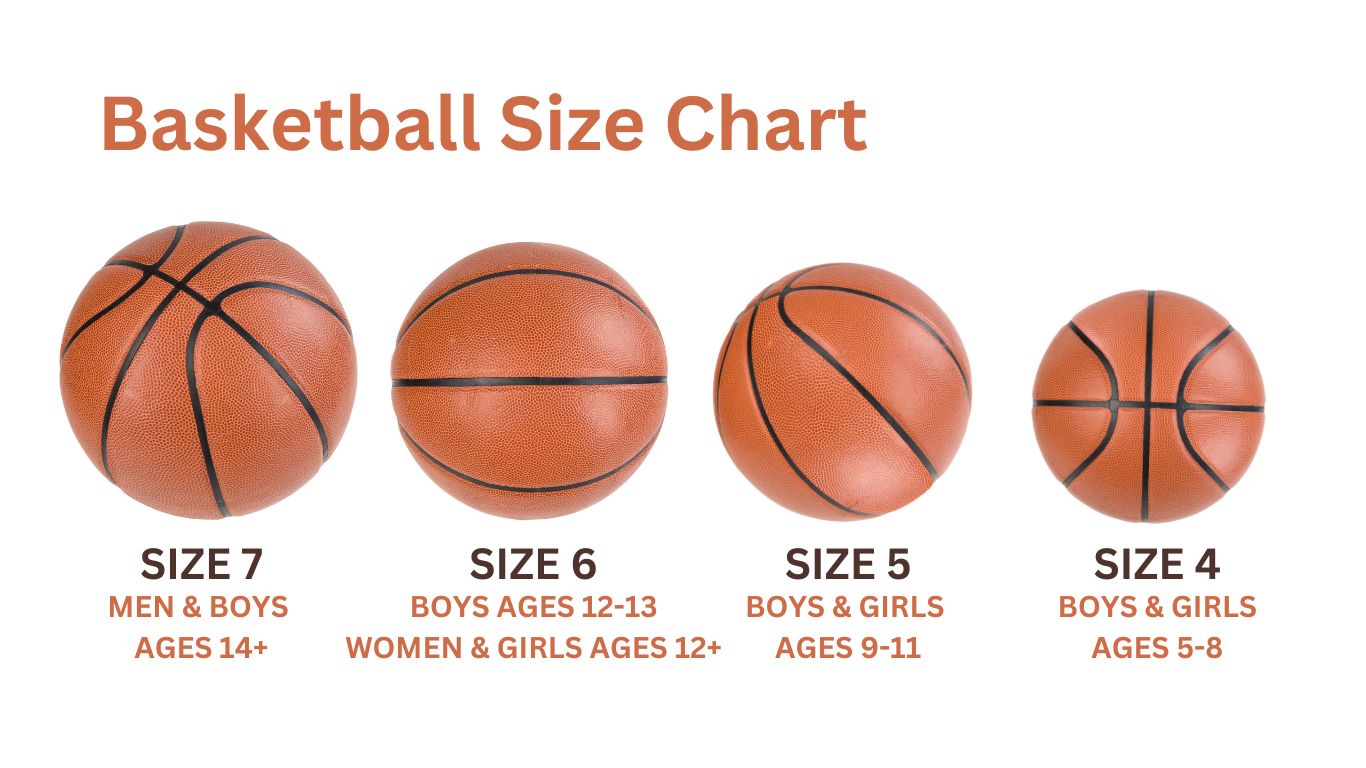
Image Source: proformancehoops.com
Basketball Psi: How Much Psi Does A Basketball Need?
A basketball typically needs between 7 and 9 pounds per square inch (psi) of air pressure. What is the ideal psi for a basketball? The ideal psi for a basketball is generally between 7 and 9 psi, as specified by most manufacturers and regulatory bodies. This range ensures optimal bounce, feel, and control during play.
The Crucial Role of Basketball Pressure
The air level inside a basketball isn’t just about making it round; it’s fundamental to how the ball performs. Too little air, and the ball feels mushy, lacking the responsiveness needed for accurate dribbling and shooting. Too much air, and it becomes rock-hard, making it difficult to control and potentially leading to injuries. Getting the basketball inflation just right is a critical step for any player, from casual pickup games to professional leagues.
Deciphering Regulation Basketball Pressure
For those involved in organized play, understanding regulation basketball pressure is key. Governing bodies like the NBA and FIBA have specific guidelines to ensure fair competition and consistent performance across all games. The game ball psi is meticulously controlled.
NBA and FIBA Standards
Both the NBA and FIBA generally mandate a basketball pressure within the 7 to 9 psi range. This translates to a ball that, when dropped from a height of approximately 6 feet, should bounce back up to a height of between 4.7 and 5.5 feet. This bounce test is a practical way to gauge proper basketball psi.
Achieving Proper Basketball Psi: A Step-by-Step Guide
Achieving the proper basketball psi involves a few simple tools and a little know-how. The main tool you’ll need is a reliable pressure gauge, often integrated into a basketball pump.
Essential Equipment for Inflation
- Basketball Pump: Any standard basketball pump will work. These are typically hand-held and operate by manually pushing and pulling a plunger.
- Needle Adapter: Most pumps come with a needle adapter designed to fit into the inflation valve of a basketball. Ensure the needle is clean and free of any obstructions.
- Pressure Gauge: A reliable pressure gauge is crucial. Many basketball pumps have a built-in gauge, but dedicated gauges offer greater accuracy.
The Inflation Process
- Locate the Inflation Valve: This is a small, circular hole on the surface of the basketball, usually marked with the manufacturer’s logo.
- Moisten the Needle: Lightly moisten the needle adapter with water or saliva. This helps it slide into the valve smoothly without damaging the seal.
- Insert the Needle: Gently insert the moistened needle into the inflation valve.
- Begin Pumping: Start pumping air into the ball. Do this in short bursts.
- Check the Pressure: After each few pumps, remove the needle and check the ball’s pressure using your gauge. Alternatively, if your pump has a built-in gauge, you can monitor it as you pump.
- Inflate to the Target PSI: Continue pumping until the ball reaches the desired pressure within the 7-9 psi range.
- Remove the Needle: Once the target pressure is reached, gently remove the needle. The ball should feel firm but still have a slight give when squeezed.
The Impact of Basketball Air Level on Play
The basketball air level significantly affects every aspect of the game. From dribbling to shooting and passing, the firmness of the ball plays a vital role.
Dribbling Dynamics
Proper basketball pressure is essential for effective dribbling. A ball with the correct psi will have a consistent and predictable bounce. This allows players to feel the ball better, maintain control, and execute crossovers and other dribbling moves with confidence. An over-inflated ball will bounce too high and too fast, making it hard to control. An under-inflated ball will feel dead, limiting the speed and responsiveness of dribbles.
Shooting Accuracy
The basketball bounce pressure influences shooting. A ball that is properly inflated will have a lively bounce, providing a good platform for jump shots. It will spin cleanly off the fingertips, contributing to accuracy. A ball that is too soft can absorb too much of the shooter’s energy, resulting in shots that fall short. Conversely, a ball that is too hard might feel less forgiving, and slight variations in release can lead to significant deviations in the shot’s trajectory.
Passing Precision
Passing also benefits greatly from the correct basketball air level. A well-inflated ball travels smoothly and accurately through the air. Passes will have the right amount of zip and will be easier for teammates to catch. A ball that is too soft can feel sluggish in the air, making it harder to deliver sharp, on-target passes.
Factors Influencing Ideal Basketball PSI
While the 7-9 psi range is standard, a few factors can subtly influence the ideal basketball firmness for individual players or specific playing conditions.
Ball Type and Material
Different types of basketballs are designed for various playing surfaces and levels of play.
- Indoor Basketballs: Typically made of genuine leather, these balls are designed for optimal grip and feel on hardwood courts. They are often more sensitive to pressure changes.
- Outdoor Basketballs: Usually made of composite leather or rubber, these are more durable and designed to withstand rougher surfaces. While the general psi range applies, their construction might lead to a slightly different “feel” at the same pressure.
Playing Surface and Environment
- Temperature: Air expands when heated and contracts when cooled. A ball inflated to 8 psi on a warm day might feel slightly softer on a cold day. It’s good practice to check and adjust pressure if playing in significantly different temperatures.
- Court Surface: While not directly affecting psi, the type of court (hardwood, asphalt, concrete) can influence how the ball feels and bounces, which players may subconsciously associate with pressure.
Personal Preference
Ultimately, some players develop personal preferences for the exact feel of the ball. While staying within the recommended range is crucial for proper performance, slight adjustments within that range (e.g., preferring 7.5 psi over 8.5 psi) are common.
Common Mistakes in Basketball Inflation
Many players make simple mistakes when inflating their basketballs, which can impact performance and the ball’s lifespan.
Over-Inflation Pitfalls
- Reduced Grip: An over-inflated ball can feel slick and difficult to grip, especially for players with smaller hands.
- Increased Risk of Damage: Over-inflation can stress the bladder and seams of the ball, potentially leading to premature wear or even bursting.
- Unpredictable Bounce: As mentioned, an over-inflated ball bounces too high and too fast, making it harder to control.
Under-Inflation Issues
- Poor Feel and Control: A ball that lacks sufficient air feels “dead” and unresponsive, hindering dribbling and shooting.
- Inconsistent Bounce: The bounce will be low and unpredictable, making it difficult to get into a rhythm.
- Reduced Durability: While less common than with over-inflation, constant use of an under-inflated ball can stress the seams due to increased flexing.
Maintaining Optimal Basketball Pressure
Regularly checking and maintaining the correct basketball air level is essential for longevity and consistent play.
How Often to Check
It’s a good habit to check your basketball’s pressure before each playing session. This is especially true if the ball is used frequently or has been stored for a while.
Using a Pressure Gauge: A Deeper Dive
As highlighted earlier, a reliable pressure gauge is your best friend in maintaining proper basketball psi.
Table 1: Ideal PSI for Different Basketball Types
| Basketball Type | Recommended PSI Range | Notes |
|---|---|---|
| Indoor (Leather) | 7-9 psi | Sensitive to temperature changes. |
| Outdoor (Rubber/Comp.) | 7-9 psi | More durable, but check pressure regularly. |
| Youth Basketballs | 7-9 psi | Same pressure, but size of ball varies. |
| Beach/Recreational | 7-9 psi | May vary slightly, check manufacturer’s recommendation. |
The Bounce Test: A Quick Check
The bounce test is a quick and effective way to estimate if your basketball has the correct basketball bounce pressure without a gauge.
How to Perform the Bounce Test:
- Stand the basketball upright on a flat, hard surface.
- Drop the ball from a height of approximately 6 feet (about shoulder height for an average adult).
- Observe how high the ball bounces back up.
- Ideal Bounce: The ball should bounce back up to a height between 4.7 and 5.5 feet. This indicates it’s within the correct psi range.
- Too High Bounce: If the ball bounces back up significantly higher than 5.5 feet, it’s likely over-inflated.
- Too Low Bounce: If the ball bounces back up less than 4.7 feet or just thuds, it’s likely under-inflated.
This test is a great visual aid, but for precise adjustments, a pressure gauge is indispensable.
Basketball Psi and Player Performance
The seemingly minor detail of basketball air level can have a surprisingly significant impact on a player’s performance.
The Feel and Control Equation
A basketball that feels “right” in the hands allows players to concentrate on their game rather than fighting the ball. This “feel” is directly linked to the basketball firmness. When the pressure is correct, the ball responds predictably to dribbles, passes, and shots, fostering confidence and improving execution.
Impact on Dribbling Techniques
- Crossover Dribbles: Require a quick, sharp bounce. The correct psi ensures the ball snaps back quickly.
- Behind-the-Back Passes: Demand a controlled but firm pass. The right pressure allows for a smooth release and predictable trajectory.
- In-and-Out Dribbles: Rely on deception. A ball with the right air level helps create that illusion of movement and control.
Influence on Shooting Mechanics
- Finger Pad Control: The way a ball leaves the fingertips is crucial. Proper inflation ensures the ball is firm enough for the finger pads to impart spin and control.
- Release Point: The bounce of the ball can affect the optimal release point for a jump shot. A consistently bouncing ball allows shooters to find their rhythm.
Common Misconceptions About Basketball Inflation
Let’s address some common myths or misunderstandings regarding basketball psi.
Myth: “Bigger balls need more air.”
Fact: While different basketball sizes exist (e.g., Size 7 for men, Size 6 for women and younger boys), the recommended psi range (7-9 psi) generally remains the same across official sizes. The difference in air volume is accommodated by the ball’s size.
Myth: “You can tell if a ball is properly inflated just by squeezing it.”
Fact: While a squeeze can give a general idea, it’s not a precise measurement. A ball might feel firm enough when squeezed, but its actual psi could be outside the optimal range. Using a pressure gauge is the only accurate way to confirm basketball pressure.
Myth: “More air equals a better bounce.”
Fact: This is only true up to a certain point. While a slightly firmer ball will bounce higher, over-inflation leads to an uncontrolled, erratic bounce that hinders play. The ideal bounce is a balance of responsiveness and control.
Frequently Asked Questions (FAQ)
Q1: What is the best psi for a basketball?
A1: The best psi for a basketball is typically between 7 and 9 pounds per square inch (psi).
Q2: Can I use a bicycle pump to inflate a basketball?
A2: Yes, you can use a bicycle pump, but ensure it has the correct needle adapter for a basketball’s inflation valve. You will also need a separate pressure gauge for accuracy.
Q3: Who determines the regulation basketball pressure?
A3: Regulation basketball pressure is determined by sports governing bodies such as the NBA, FIBA, and NCAA.
Q4: How do I know if my basketball is under-inflated?
A4: An under-inflated basketball will feel soft and unresponsive. It will not bounce back effectively when dropped from waist height, and dribbling will feel sluggish.
Q5: How do I know if my basketball is over-inflated?
A5: An over-inflated basketball will feel very hard and may even appear slightly deformed. It will bounce excessively high and erratically, making it difficult to control.
Q6: Does the type of basketball affect the ideal psi?
A6: While the 7-9 psi range is standard, the feel of the ball at that pressure can vary slightly between indoor (leather) and outdoor (rubber/composite) balls due to their materials. Always refer to the manufacturer’s recommendation if available.
Q7: How often should I check my basketball’s air level?
A7: It’s recommended to check your basketball’s air level before each playing session, especially if it’s used frequently or has been stored for some time.
By paying attention to the basketball air level and maintaining proper basketball inflation, players can significantly enhance their performance and enjoyment of the game. The correct basketball pressure is a foundational element for any serious basketball player.