
So, you’re dreaming of your own indoor basketball court? It’s a fantastic idea for any serious player, family, or even a business looking to create a unique amenity. But what’s the real price tag? The indoor basketball court cost can range anywhere from $50,000 to well over $500,000, depending on many factors. We’ll break down all the expenses so you can budget effectively for your home basketball court construction.
Can you build an indoor basketball court on a budget? Yes, you can, but “budget” is relative. A fully professional-grade court in a custom-built structure will be a significant investment. However, smaller, simpler setups can be more affordable.
Who builds indoor basketball courts? You can hire a specialized professional indoor court builder, or for more basic setups, general contractors or even talented DIY enthusiasts might tackle certain aspects.
Let’s dive into the details of what goes into the price of creating your own indoor basketball oasis.
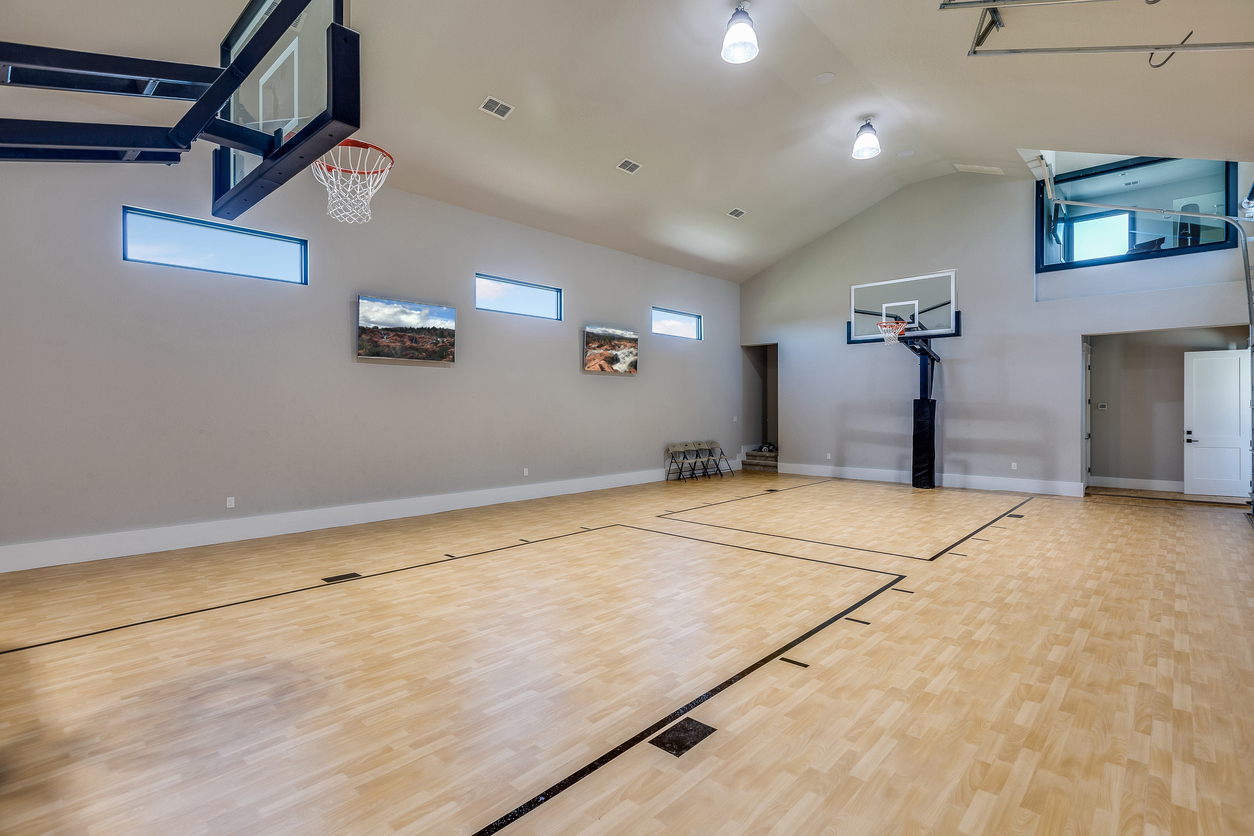
Image Source: www.dominatorhoop.com
Deciphering the Costs: A Breakdown of Indoor Court Construction
Building an indoor basketball court involves much more than just laying down a playing surface. It’s a comprehensive project that touches on several key areas, each with its own cost implications.
1. The Structure: Building the Arena
The most significant portion of the indoor sports facility construction costs will likely be the structure itself. This includes everything from the foundation to the roof.
The Size of Your Court
Standard NBA courts are 94 feet long and 50 feet wide. However, for recreational or home use, you might opt for a smaller size, such as a half-court or a custom dimension. The larger the court, the more materials and labor needed, directly increasing costs.
- Full Court (94ft x 50ft): Requires a substantial building footprint.
- Half Court (50ft x 50ft): More manageable for residential settings.
- Custom Size: Tailored to your available space and budget.
Building Materials
The type of materials used for the walls, roof, and foundation will greatly influence the price.
- Steel Frame Buildings: Often a popular choice for their durability and speed of construction. Costs can vary based on the gauge of steel and complexity of the design.
- Wood Frame Buildings: May be more cost-effective for smaller structures but require more maintenance.
- Pre-Engineered Metal Buildings: Offer a balance of cost and durability, often coming in pre-fabricated kits.
Foundation and Site Preparation
Before any building can happen, the ground needs to be prepared. This includes:
- Excavation: Digging to prepare for the foundation.
- Grading: Ensuring the site is level.
- Concrete Slab: A strong, level concrete foundation is essential for the court and the building. The thickness and reinforcement of the concrete will affect the cost.
Roofing and Walls
The choice between a pitched roof or a flat roof, and the materials used for walls (e.g., concrete blocks, metal siding, brick) will impact the overall budget. Insulation is also crucial for maintaining a consistent temperature for playing.
Ventilation and Heating/Cooling
For year-round playability, a climate control system is essential. This includes:
- HVAC System: Installing an appropriate heating, ventilation, and air conditioning system to keep the court at a comfortable temperature.
- Insulation: Properly insulating the walls and roof to minimize energy loss and reduce HVAC operating costs.
2. The Playing Surface: The Heart of the Court
The basketball court surfacing prices are a critical component. The material you choose directly affects performance, safety, and cost.
Wood Flooring
- Hardwood (Maple): The gold standard for professional and collegiate basketball. It offers excellent shock absorption, ball bounce, and a classic aesthetic.
- Cost: Expect to pay anywhere from $15 to $30 per square foot installed for high-quality maple flooring. This includes the subfloor system, which is crucial for shock absorption and athletic performance.
- Considerations: Requires regular maintenance (sanding, sealing) and is susceptible to moisture damage.
Synthetic Flooring
These are often more budget-friendly and easier to maintain than hardwood.
- Polyurethane or Vinyl Sports Flooring: Available in rolls or tiles, these offer good durability, shock absorption, and a wide range of color options.
- Cost: Typically ranges from $5 to $15 per square foot installed.
- Rubber Flooring: Offers excellent shock absorption and is often used in gyms or multi-purpose sports facilities.
- Cost: Can range from $4 to $12 per square foot installed, depending on thickness and type.
- Modular Plastic Tiles: These interlocking tiles are a popular DIY option. They are durable, offer good traction, and come in various colors.
- Cost: Can range from $3 to $7 per square foot for the tiles themselves, plus installation if you don’t DIY.
Subfloor Systems
A proper subfloor system is vital for shock absorption and player comfort. This often involves sleepers (wood beams) or a specialized cushioned underlayment. The cost of these systems is usually included in the per-square-foot pricing for wood flooring but can be a separate consideration for other surfaces.
3. Essential Equipment: Hoops, Lighting, and More
Beyond the structure and the playing surface, several other elements contribute to the overall indoor basketball court cost.
Basketball Hoop Installation Cost
This is a significant expense that depends on the type of hoop you choose.
- In-Ground Adjustable Hoops: These are anchored directly into the concrete. They offer great stability and adjustability.
- Cost: Can range from $500 to $3,000 or more for the hoop itself, plus installation costs which might be $300 – $800.
- Wall-Mounted or Ceiling-Suspended Hoops: These are ideal for indoor courts with specific height requirements or where floor space is limited.
- Cost: Similar to in-ground, ranging from $700 to $4,000+ for the unit, plus installation. Installation can be more complex and costly due to structural mounting requirements.
- Professional Indoor Hoops (Dunk-Proof): If you’re aiming for a professional feel, these heavy-duty hoops are built to withstand significant stress.
- Cost: Can easily be $2,000 to $10,000+ for the hoop alone, with installation potentially adding several thousand dollars.
Lighting
Proper lighting is crucial for visibility and player safety.
- LED High-Bay Lights: Energy-efficient and provide excellent illumination.
- Cost: Depends on the number of fixtures, wattage, and installation complexity. Expect $500 to $3,000+ for a good lighting system for a home court.
- Installation: Electrician fees will add to this cost.
Scoreboards and Timing Systems
- Basic Scoreboards: Can be manual or digital.
- Cost: $100 to $500 for basic models.
- Professional Scoreboards: With shot clocks and game timers.
- Cost: $1,000 to $5,000+.
Wall Padding and Safety Features
Protecting players from hard surfaces is essential.
- Wall Padding: Covers exposed walls, especially in lower-ceiling areas or around obstacles.
- Cost: $5 to $20 per square foot, depending on thickness and material.
- Pole Pads: For any support poles within the playing area.
- Cost: $100 to $300 per pad.
Ventilation and Air Quality
As mentioned earlier, HVAC systems contribute to the cost. Beyond comfort, good air circulation is important for health.
Scoreboards and Other Amenities
Depending on your ambition, you might consider scoreboards, seating, locker rooms, or even sound systems, all of which add to the overall budget.
4. Labor and Professional Fees
Don’t forget the cost of skilled labor and professional expertise.
General Contractor Fees
If you hire a general contractor to manage the entire project, they typically charge a percentage of the total project cost, usually 10-25%.
Professional Indoor Court Builder Fees
Specialized builders may have higher fees but offer expertise in court-specific construction. Their fees are often integrated into the overall project cost, reflecting their specialized knowledge.
Architect and Engineering Fees
For complex structures or custom designs, you might need architects and structural engineers.
- Cost: Can range from 5-15% of the construction costs.
DIY Indoor Court Pricing
If you plan to tackle parts of the project yourself, you can save on labor costs. However, be realistic about your skills and time commitment. DIY indoor court pricing will primarily involve material costs, but errors can be expensive to fix.
Comparing Costs: New Construction vs. Outdoor to Indoor Court Conversion Cost
The approach you take to building your court will significantly impact the price.
New Construction
This involves building a dedicated structure from the ground up. This offers the most flexibility in terms of size, features, and design but is generally the most expensive option.
- Pros: Complete control over design, optimal layout, professional finish.
- Cons: Highest cost, longest project timeline, requires significant space.
Outdoor to Indoor Court Conversion Cost
This involves converting an existing structure into an indoor basketball court. This can be a more budget-friendly option if you have a suitable space.
-
Potential Structures:
- Barns: Often have high ceilings and open spaces that can be adapted.
- Warehouses: Industrial spaces can be excellent candidates.
- Garages: Larger garages might accommodate a half-court.
- Unused Commercial Spaces: Retail or office spaces could be re-purposed.
-
Cost Factors for Conversion:
- Structural Modifications: Reinforcing floors, raising ceilings, adding insulation, installing HVAC.
- Subfloor Preparation: Ensuring the existing floor is level and suitable or installing a new subfloor.
- Lighting and Ventilation: May need significant upgrades.
- Finishing: Adding walls, doors, windows, and aesthetic touches.
-
Price Range for Conversion: The outdoor to indoor court conversion cost can be highly variable. A simple conversion in a large, structurally sound barn might cost $30,000 – $100,000, while a more involved conversion of a less suitable space could easily reach $100,000 – $300,000+. It depends heavily on the initial condition of the structure and the extent of renovations required.
Getting Custom Basketball Court Quotes
To get an accurate idea of what your project will cost, you’ll need to obtain custom basketball court quotes. Here’s what to expect and how to prepare:
What to Include in Your Request
When contacting potential builders, provide as much detail as possible:
- Desired Court Size: Full, half, or custom dimensions.
- Type of Structure: New build or conversion (specify the existing structure if applicable).
- Playing Surface Preference: Wood, synthetic, tiles, etc.
- Hoop Type: In-ground, adjustable, wall-mounted.
- Lighting Needs: Basic or professional.
- Climate Control: Required HVAC capacity.
- Additional Features: Wall padding, scoreboards, seating, etc.
- Budget Range (Optional but helpful): This can help builders tailor their proposals.
- Site Information: Location, soil conditions (for new builds), accessibility for construction vehicles.
What to Look for in a Quote
A comprehensive quote should detail:
- Scope of Work: A clear description of all tasks included.
- Material Specifications: Types and brands of flooring, hoops, lighting, etc.
- Labor Costs: Breakdown of labor involved.
- Permits and Fees: Any costs associated with building permits.
- Timeline: Estimated project duration.
- Payment Schedule: When payments are due.
- Warranties: On materials and workmanship.
Materials for Indoor Basketball Courts and Their Impact on Price
The selection of materials for indoor basketball courts is a primary driver of cost.
Flooring Materials
- Maple Hardwood: Premium price due to its natural properties and athletic performance. Requires specialized installation and finishing.
- Synthetic Surfaces (Vinyl, Polyurethane): Mid-range pricing. Offers good durability and consistency. Installation can be simpler than hardwood.
- Modular Tiles (Plastic): Most budget-friendly option. Easy to install yourself. Durability can vary by manufacturer and product line.
Subfloor Systems
- Engineered Wood Subfloors with Cushioning: High cost, but provides superior shock absorption and player comfort.
- Rubber Underlayments: Mid-range cost, offers good cushioning.
- Concrete Slab Only: Lowest cost for the subfloor, but offers minimal shock absorption and can be hard on joints.
Hoop Systems
- Heavy-Duty Steel Poles and Backboards: More expensive, but offer greater stability and longevity, especially for rigorous play.
- Lighter Gauge Materials: More affordable but may not withstand intense use as well.
Lighting Systems
- High-Quality LED Fixtures: Higher upfront cost, but offer significant energy savings and longevity.
- Standard Fluorescent or Metal Halide Lights: Lower upfront cost but are less energy-efficient and may require more frequent bulb replacement.
Factors Influencing Overall Cost
Several overarching factors will sway the final price:
- Location: Construction costs, material prices, and labor rates vary significantly by region. A court built in a high-cost-of-living area will naturally be more expensive.
- Permits and Regulations: Local building codes and permit requirements can add to the cost and timeline.
- Design Complexity: Unique architectural features, complex roof structures, or elaborate interior designs will increase costs.
- Site Conditions: Difficult terrain, poor soil, or limited access can complicate construction and add expense.
- DIY vs. Professional Installation: While DIY can save money on labor, professional installation ensures quality and can prevent costly mistakes.
Sample Cost Breakdown (Estimates)
To give you a rough idea, here’s a sample breakdown for a mid-range, custom-built indoor court (e.g., 60ft x 40ft):
| Category | Estimated Cost Range | Notes |
|---|---|---|
| Structure (Building) | $40,000 – $150,000+ | Steel frame, concrete slab, basic insulation, walls, roof, doors. |
| HVAC & Lighting | $5,000 – $20,000+ | Energy-efficient system for comfort and good lighting. |
| Basketball Court Surfacing | $10,000 – $30,000+ | High-quality synthetic flooring with a good subfloor. |
| Basketball Hoop System | $1,000 – $5,000+ | Quality adjustable in-ground hoop with professional installation. |
| Wall Padding | $2,000 – $5,000+ | Covering walls for safety. |
| Scoreboard/Timers | $200 – $2,000+ | Basic to mid-range digital scoreboard. |
| Permits & Fees | $1,000 – $5,000+ | Varies by locality. |
| Professional Builder Fees | 15-25% of Total | For project management and specialized construction. |
| Contingency (10-15%) | $7,000 – $40,000+ | For unexpected costs. |
| Total Estimated Cost | $66,200 – $277,000+ | This is a broad estimate; actual costs can be higher or lower. |
Note: This table provides rough estimates. Actual costs will vary significantly based on your specific choices and location.
Frequently Asked Questions (FAQ)
Q1: How much does it cost to build a basic indoor basketball court?
A basic indoor basketball court, perhaps a half-court with simpler materials and fewer amenities, can start in the $25,000 – $50,000 range, but this often involves using an existing space like a large garage or barn and may compromise on some professional features.
Q2: What is the cheapest way to build an indoor basketball court?
The cheapest way involves converting an existing structure (like a large garage or barn) and using more budget-friendly materials like modular plastic tiles for the flooring. Minimizing new construction and opting for DIY installation where possible will also reduce costs.
Q3: Can I build an indoor basketball court on my property?
Yes, you can build an indoor basketball court on your property if you have sufficient space and zoning allows for such a structure. You will likely need to obtain building permits.
Q4: What are the main expenses when building an indoor court?
The main expenses are typically the construction of the building itself (if new), the playing surface, and the basketball hoop system.
Q5: How long does it take to build an indoor basketball court?
A new construction project can take anywhere from 3 to 12 months or longer, depending on the size, complexity, weather, and permit approvals. Converting an existing space might take 1 to 6 months.
Q6: Is an indoor basketball court a good investment?
For serious athletes, families, or sports facilities, it can be a great addition that enhances lifestyle and property value. The return on investment is often measured in personal enjoyment and health benefits, though commercial facilities can generate revenue.
Building an indoor basketball court is a significant undertaking, but with careful planning and budgeting, your dream court can become a reality. By researching materials for indoor basketball courts, obtaining detailed custom basketball court quotes, and weighing the pros and cons of new construction versus conversion, you can navigate the process effectively.