
Absolutely, you can use volleyball shoes for basketball, and often, they can perform surprisingly well. While dedicated basketball shoes are engineered for specific demands, the crossover capabilities of quality volleyball footwear mean many players find them a viable option, especially for casual play or as a temporary solution.
The world of athletic footwear is often segmented, with each sport having its specialized gear. This specialization makes sense; a runner needs different shoes than a weightlifter. But what about sports that share some common movement patterns, like volleyball and basketball? The question often arises: Can volleyball shoes be used for basketball? The answer is a resounding yes, though with some important considerations. This in-depth look will explore the similarities and differences between basketball shoes vs volleyball shoes, helping you decide if your volleyball shoes for basketball are the right fit for your game.
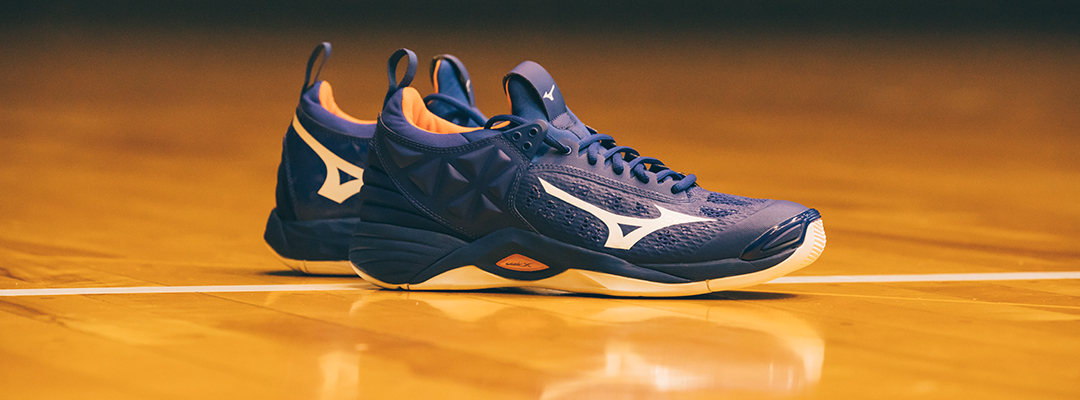
Image Source: live-bloginsider.mizunousa.com
Deciphering the Design: Volleyball Shoes vs. Basketball Shoes
To truly understand if volleyball shoes can cut it on the basketball court, we need to delve into their design philosophies. Both sports involve jumping, quick directional changes, and landing, but the intensity and specific types of these movements differ.
Key Features of Volleyball Shoes
Volleyball shoes are built for explosive vertical movements, lateral agility, and stability on an indoor court.
- Grip: The volleyball shoe sole basketball players often seek is characterized by its excellent grip on indoor surfaces. Volleyball shoes typically feature gum rubber outsoles with intricate traction patterns designed to prevent slipping during rapid lateral movements, quick stops, and aggressive jumps. This grip is crucial for players to plant their feet securely when spiking, blocking, or diving for a ball.
- Cushioning: While not as heavily cushioned as some basketball shoes, volleyball shoes offer responsive cushioning. The focus is on shock absorption during repeated jumps and landings, often using technologies that provide a good court feel. This means you get enough protection without feeling too disconnected from the court surface. The volleyball shoe cushioning basketball players appreciate is often focused on impact protection during vertical leaps.
- Support: Lateral support is paramount in volleyball. Shoes are designed to keep the foot locked down during side-to-side movements, preventing ankle rolls when shuffling across the court or reaching for a difficult pass. This often involves a snug fit and supportive upper materials.
- Weight: Volleyball shoes tend to be lightweight to allow for maximum agility and vertical leap. This can be an advantage for basketball players who prioritize speed.
Key Features of Basketball Shoes
Basketball shoes are designed for a wider range of movements, including more aggressive cuts, stops, and often, contact with other players.
- Grip: Basketball requires exceptional grip for quick starts, stops, and changes in direction on polished hardwood. Basketball shoe grip volleyball players might envy can be more aggressive and designed for intense multidirectional traction.
- Cushioning: Basketball shoes often feature more substantial cushioning systems. This is to absorb the impact of higher jumps, more forceful landings, and the general pounding on the feet during a full game. The volleyball shoe cushioning basketball players are used to might not offer the same level of plushness for prolonged, high-impact play.
- Support: Ankle support is a significant factor in basketball shoe design, with many models offering mid-top or high-top options to help prevent ankle injuries. Lateral stability is also crucial for resisting the forces of sharp cuts and pivots.
- Durability: Basketball shoes are generally built to be more durable, as they are subjected to more intense wear and tear, including potential scuffing from contact with other players or the court.
Fathoming the Crossover: Using Volleyball Shoes for Basketball
So, can you play basketball in volleyball shoes? The answer is often yes, especially for recreational play or if you’re not putting your shoes through extreme stress. Here’s a breakdown of how they perform.
Traction: A Strong Suit for Volleyball Shoes
One of the biggest areas where volleyball shoes can shine on the basketball court is traction. The gum rubber outsoles and detailed tread patterns on volleyball shoes on basketball court surfaces provide excellent grip. This is beneficial for:
- Quick Stops: The ability to plant your feet and stop on a dime is crucial in basketball. The grip of volleyball shoes can help you achieve this.
- Agile Movements: Shifting directions quickly, driving to the basket, or defending a player often requires precise footwork. Volleyball shoes generally excel in supporting these lateral movements.
- Jumping: While the cushioning might differ, the stable base provided by the outsole can contribute to a confident jump.
However, it’s important to note that the specific grip patterns might be optimized for the cleaner surfaces of volleyball courts. If a basketball court has a lot of dust or debris, the traction might be affected more than a dedicated basketball shoe designed for a wider range of court conditions.
Cushioning: Where Differences Emerge
This is perhaps the most significant area where you might feel the difference. While volleyball shoe cushioning basketball players need isn’t entirely absent, it’s typically less robust than in basketball shoes.
- Impact Absorption: Basketball involves more continuous pounding due to longer court runs and more aggressive play. Volleyball shoes, while cushioned, might not provide the same level of shock absorption over an extended period or during particularly strenuous games. This could lead to foot fatigue or discomfort for some players.
- Court Feel vs. Protection: Volleyball shoes often prioritize a good “court feel,” allowing players to sense the surface for better balance and quick adjustments. Basketball shoes, especially those designed for power players, might sacrifice some court feel for enhanced cushioning and impact protection.
Support and Stability: A Balancing Act
Volleyball shoes offer excellent lateral support, which is highly beneficial for basketball. The snug fit and materials used help keep your foot stable during side-to-side movements. This is a definite plus for using volleyball shoes for basketball.
However, basketball often involves more forceful ankle rotations and potential contact. While many volleyball shoes have good ankle collars, they might not provide the same level of structured ankle support as higher-cut basketball shoes specifically designed to mitigate ankle roll in a sport with more physical contact.
- Lateral Stability: Volleyball shoes generally provide excellent lateral stability, which is great for basketball’s quick cuts.
- Ankle Support: For players prone to ankle issues or who play a very physical style of basketball, the ankle support in some volleyball shoes might be less than ideal compared to high-top basketball models.
Weight and Agility: A Potential Advantage
The lighter weight of most volleyball shoes can be a distinct advantage for basketball players who prioritize speed and agility. They can make your feet feel quicker and less encumbered, potentially enhancing your ability to drive to the basket or get up for rebounds.
When Can You Use Volleyball Shoes for Basketball?
Given these comparisons, let’s consider when using volleyball shoes for basketball is a good idea.
Casual Play and Pick-Up Games
If you’re playing casual games, shoot-arounds, or friendly pick-up games, volleyball shoes are often perfectly fine. The impact is usually less intense, and the duration of play might be shorter. The excellent traction and reasonable support can serve you well.
Youth Basketball
For younger players who are still developing their skills and experiencing less intense physical demands, volleyball shoes can be a suitable option. They provide a good balance of support and agility.
Players Prioritizing Agility and Court Feel
If your basketball game emphasizes quickness, finesse, and a strong connection to the court, a lightweight, responsive volleyball shoe might even offer some advantages. Guards who rely on speed and sharp cuts might find them to be a comfortable alternative.
As a Temporary Solution
If your basketball shoes are worn out or you need a pair for a single game or a short period, a good pair of volleyball shoes can certainly fill the gap without compromising your ability to play.
When Might Volleyball Shoes Not Be Ideal for Basketball?
There are certain situations where sticking to dedicated basketball shoes is advisable.
High-Level Competitive Play
In competitive leagues, tournaments, or intense training sessions, the demands on your footwear are significantly higher. The greater cushioning and specialized support of basketball shoes become more important for injury prevention and peak performance.
Players Requiring Maximum Ankle Support
If you have a history of ankle injuries or play a style that puts significant stress on your ankles (e.g., lots of jumping and landing, aggressive pivoting), the potentially lower ankle collar and support in volleyball shoes might be a concern.
Players Experiencing Foot Fatigue
If you find your feet getting sore or fatigued quickly after playing basketball, it’s a clear sign that you might need the enhanced cushioning that dedicated basketball shoes offer.
Outdoor Courts
Volleyball shoes are generally designed for indoor, non-abrasive surfaces. Wearing them on rough outdoor courts can quickly wear down the outsole and compromise their grip and structural integrity.
Weighing the Options: A Comparative Table
To further clarify the differences, here’s a table comparing key features:
| Feature | Volleyball Shoes | Basketball Shoes |
|---|---|---|
| Primary Focus | Explosive vertical jumps, lateral agility, stability. | Explosive jumps, aggressive cuts, stops, lateral motion, impact protection. |
| Traction | Excellent on indoor courts, often gum rubber. | Excellent on indoor courts, aggressive multidirectional patterns. |
| Cushioning | Responsive, good court feel, moderate impact absorption. | Enhanced, often thicker for high-impact protection. |
| Support | Strong lateral support, snug fit. | Robust lateral support, often enhanced ankle support (mid/high-top options). |
| Weight | Generally lighter. | Varies, but often more substantial. |
| Durability | Good for intended use, less abrasion resistance. | Generally more durable, built for tougher wear. |
| Best For | Indoor play, agile players, casual games. | All levels of basketball, players needing max protection, competitive play. |
Frequently Asked Questions (FAQ)
Q1: Will my volleyball shoes get ruined if I play basketball in them?
Generally, no, they won’t be “ruined” by playing basketball. However, wearing them on rougher surfaces like outdoor courts or playing very aggressively can lead to faster wear and tear on the outsole and upper materials than they are designed for. The main risk is premature wear and potential damage to the cushioning if the impact is too great for their design.
Q2: Can I use basketball shoes for volleyball?
Yes, you absolutely can use basketball shoes for volleyball. In fact, many volleyball players prefer them for the superior cushioning and ankle support they offer, especially during longer matches or intense training. The grip on most basketball shoes is also more than adequate for volleyball courts. The main consideration would be their slightly heavier weight, which might affect the quickness of your vertical leap compared to dedicated volleyball shoes.
Q3: What is the main difference in grip between volleyball and basketball shoes?
The main difference lies in the specialization of the grip patterns. Volleyball shoes are optimized for explosive pushes off the floor and quick lateral slides, so their soles often have intricate, multidirectional patterns. Basketball shoes also have multidirectional grip, but it might be more aggressive to handle sharper cuts, sudden stops, and potential contact on a wider variety of court conditions, including slightly dustier surfaces.
Q4: How does volleyball shoe cushioning compare to basketball shoe cushioning for basketball performance?
Volleyball shoe cushioning basketball players might experience is typically more focused on responsive feedback and shock absorption for repeated vertical jumps. Basketball shoe cushioning is generally more substantial and designed to handle the higher, more frequent impacts from running, jumping, and landing over a longer duration. For intense basketball play, basketball shoe cushioning often provides better long-term comfort and protection.
Q5: Is the support in volleyball shoes sufficient for basketball?
For many players and for casual play, the support offered by volleyball shoes is sufficient. They provide excellent lateral stability, which is crucial for quick movements. However, if you require significant ankle support due to a history of injuries or play a very physical style of basketball, dedicated high-top basketball shoes might offer a more robust solution.
Q6: Can I get good basketball performance volleyball shoes?
Yes, you can achieve good basketball performance volleyball shoes if you choose a high-quality pair. If the shoes offer excellent grip, decent cushioning, and solid support, you’ll likely perform well, especially in less demanding scenarios. However, for peak performance in competitive basketball, specialized basketball shoes are usually the better choice due to their tailored features.
Q7: How does volleyball shoe sole basketball play differ in terms of durability?
The volleyball shoe sole basketball players might utilize generally has good durability for indoor court use. However, basketball often involves more abrasive movements, like dragging feet during defensive slides or harder pivots. This can cause the softer rubber compounds and finer tread patterns common on volleyball shoes to wear down faster than the more robust soles found on basketball shoes, which are often designed with abrasion resistance in mind.
Final Thoughts: Lace Up and Play Smart
Ultimately, the question of can you play basketball in volleyball shoes? has a flexible answer. Yes, you can. For many individuals, especially those playing recreationally or at lower intensities, volleyball shoes offer a competent and comfortable solution. Their exceptional grip and agile design can translate effectively to the basketball court.
However, it’s crucial to be aware of the differences, particularly in cushioning and the potential limitations in high-impact support. Listen to your body. If you experience discomfort or fatigue, it might be time to invest in a pair of basketball shoes specifically designed for the rigors of the game. But for now, don’t hesitate to lace up those volleyball shoes if that’s what you have – you might be surprised at how well they perform!