
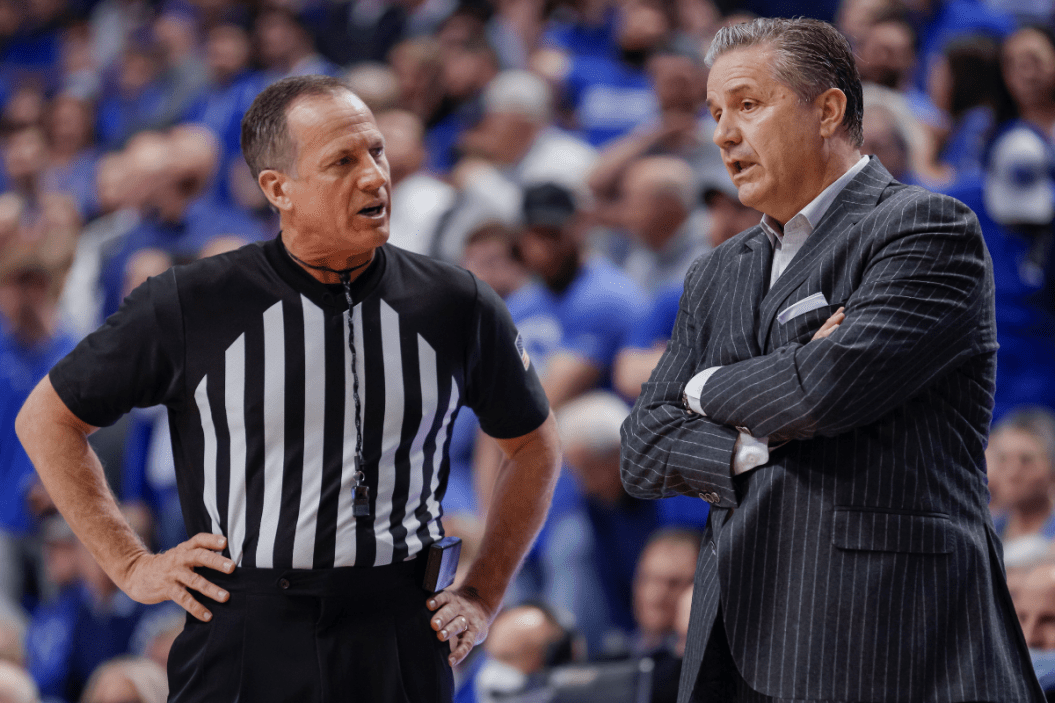
Image Source: fanbuzz.com
NCAA Referee Pay: How Much Does An NCAA Basketball Referee Make?
A NCAA basketball referee can earn anywhere from $3,000 to $15,000 per game, depending on experience, the level of competition, and the conference they officiate for. This figure reflects the significant compensation potential for those who are part of the college basketball officiating circuit.
Deciphering the financial landscape for NCAA basketball referees reveals a complex system where experience, conference affiliation, and the level of play all play crucial roles in determining earnings. While a precise, single figure for NCAA referee salary is elusive due to these variables, we can delve into the specifics of basketball official pay and college basketball referee earnings to paint a clearer picture. The question of how much do college basketball refs make is a common one, and the answer is multifaceted, touching on game fees, per diem, travel expenses, and potential postseason bonuses.
The Financial Framework of NCAA Officiating
The compensation for an NCAA basketball referee isn’t a simple hourly wage. Instead, it’s a carefully structured system that accounts for the demanding nature of the job and the expertise required. Officials are typically paid on a per-game basis, with rates that can fluctuate significantly.
Key Components of NCAA Official Compensation:
- Game Fees: This is the primary component of an NCAA referee’s pay. The fee for a single game is determined by several factors, including the conference, the referee’s experience level, and the importance of the game (e.g., regular season versus conference tournament).
- Per Diem: Referees also receive a per diem allowance to cover expenses such as meals and incidentals while traveling for games. This daily rate helps offset the costs associated with being on the road.
- Travel Expenses: While per diem covers daily living costs, actual travel expenses like airfare, hotels, and ground transportation are generally reimbursed by the conference or the host institution.
- Postseason Bonuses: Officiating in NCAA postseason tournaments (like the March Madness bracket) often comes with increased compensation. These bonuses reflect the higher stakes and increased visibility of these games.
Factors Influencing NCAA Referee Pay Scales
Several critical factors contribute to the wide range in NCAA referee salary figures. Understanding these elements is key to grasping the basketball referee pay scale.
Experience and Seniority
Much like many professions, experience is a significant driver of income for NCAA referees.
- Rookie Officials: Those new to the NCAA Division I ranks might start with lower per-game fees. Their initial focus is on demonstrating their competence and consistency.
- Mid-Level Officials: As referees gain experience and prove their reliability, their per-game rates increase. They may also be assigned more high-profile games.
- Veteran Officials: The most experienced and respected referees, often those who have officiated multiple NCAA tournaments and championships, command the highest per-game fees. They are frequently assigned crucial conference matchups and postseason games.
Conference Affiliation
Different NCAA conferences have varying financial resources and compensation structures.
- Power Five Conferences: Conferences like the ACC, Big Ten, Big 12, Pac-12, and SEC generally offer higher per-game fees and better overall compensation packages due to their larger budgets and television contracts.
- Mid-Major and Smaller Conferences: While still professional, officials in smaller conferences may see slightly lower per-game rates compared to their Power Five counterparts. However, the dedication and skill required remain the same.
Level of Competition
The NCAA is divided into three divisions: Division I, Division II, and Division III.
- NCAA Division I: This is the highest level of college sports, featuring the most competitive teams and the highest television viewership. Referees at this level earn the highest compensation. The average salary NCAA referee is skewed by these higher earners.
- NCAA Division II and Division III: While officials in these divisions are also compensated, their per-game fees are generally lower than those in Division I. However, the passion for the game and the commitment to officiating are equally strong across all divisions.
Game Type and Importance
The nature of the game itself can influence pay.
- Regular Season Games: These form the bulk of an official’s schedule and are compensated at a standard per-game rate.
- Conference Tournament Games: As the stakes rise, so does the compensation. Referees selected for conference tournaments often see an increase in their per-game fees.
- NCAA Championship Tournament: This is where the highest earnings potential lies. Officiating games in the NCAA Division I Men’s and Women’s Basketball Tournaments, especially the Final Four and championship games, can significantly boost college basketball referee earnings.
Estimating NCAA Referee Earnings
To provide a more concrete idea of NCAA official compensation, let’s look at some estimated figures. It’s important to remember these are approximate and can vary.
Estimated Per-Game Fees (NCAA Division I):
| Experience Level | Estimated Per-Game Fee |
|---|---|
| Entry-Level | $3,000 – $4,500 |
| Mid-Level | $4,500 – $7,000 |
| Experienced/Veteran | $7,000 – $10,000+ |
| Championship Games | Can exceed $10,000 |
These figures are for the game fee itself. When factoring in per diem and travel reimbursements, the total compensation for a single road trip can be substantial.
Annual Earnings Projection:
An NCAA Division I referee might officiate between 25 to 35 games in a season, including regular season and conference tournaments. If a referee works 30 games with an average per-game fee of $6,000, their earnings from game fees alone would be $180,000. Add to this potential postseason bonuses and per diem, and the annual income can be quite competitive.
- Example Scenario:
- 30 Regular Season Games @ $5,000/game = $150,000
- 5 Conference Tournament Games @ $6,500/game = $32,500
- NCAA Tournament Games (e.g., 4 games) @ $8,000/game = $32,000
- Total Estimated Game Fees = $214,500
This projection doesn’t include per diem or travel reimbursements, which further add to the overall financial picture.
Beyond the NCAA: Professional Basketball Referee Income
It’s worth noting the distinction between NCAA basketball umpire salary (though “referee” is the more common term in basketball) and the earnings of professional basketball referee income, such as those in the NBA. NBA referees generally earn significantly more per game and have higher annual salaries due to the league’s immense revenue. NBA referees can earn between $150,000 and $500,000 or more annually, with seasoned officials in championship games earning the highest amounts. The college sports referee pay structure, while robust, typically doesn’t reach these stratospheric levels.
The Path to Becoming an NCAA Referee
The journey to becoming an NCAA basketball referee is not for the faint of heart. It requires a deep understanding of the rules, exceptional physical fitness, strong communication skills, and a commitment to continuous improvement.
Steps to Becoming an NCAA Referee:
- Gain Experience Officiating: Start at lower levels of basketball, such as youth leagues, high school, and junior college. This builds a foundation of knowledge and practical application.
- Obtain Certifications: Many states have officiating associations that provide training and certification. This is often a prerequisite for higher levels.
- Attend Officiating Clinics and Camps: Specialized clinics offer advanced training, rule interpretation, and evaluation by experienced evaluators.
- Network and Get Noticed: Build relationships with assignors and supervisors who manage game assignments for conferences. Performing well in observed games is crucial.
- Progress Through Divisions: Aspire to move up from high school to NCAA Division III, then Division II, and finally NCAA Division I. Each level requires meeting specific performance standards and demonstrating readiness.
- Master the Rules: A thorough and nuanced understanding of the NCAA basketball rulebook is paramount. This includes staying updated on rule changes and interpretations.
- Develop Game Management Skills: Beyond just applying rules, referees must manage the flow of the game, communicate effectively with players and coaches, and maintain control of the court.
- Maintain Physical Fitness: Officiating a basketball game is physically demanding. Referees need to be in excellent shape to keep up with the pace of play.
Challenges and Rewards of Officiating
The life of an NCAA basketball referee is demanding, involving extensive travel, late nights, and the constant pressure of making split-second decisions under intense scrutiny.
Challenges:
- Travel: Referees are often on the road for multiple days at a time, away from family and friends.
- Public Scrutiny: Every call is subject to review by coaches, players, fans, and media. This can lead to criticism and pressure.
- Physical Demands: Maintaining peak physical condition is essential to keep pace with elite athletes.
- Emotional Toll: Dealing with intense game situations, player and coach interactions, and public feedback can be emotionally taxing.
Rewards:
- Passion for the Game: For many, the greatest reward is being intimately involved in the sport they love.
- Competitive Compensation: As detailed, the NCAA referee salary can be quite substantial, offering a financially rewarding career.
- Camaraderie: Building relationships with fellow officials and being part of a dedicated professional fraternity.
- Travel Opportunities: Experiencing different cities and campuses across the country.
- The Thrill of Competition: Being at the center of high-stakes athletic events.
Frequently Asked Questions (FAQ)
Q1: How much does an NCAA Division I basketball referee make per game?
A1: NCAA Division I referees can expect to earn between $3,000 and $10,000+ per game, with the average often falling in the $4,500 to $7,000 range for experienced officials. This varies based on conference, experience, and game importance.
Q2: What is the annual income for an NCAA basketball referee?
A2: While annual earnings vary greatly, an established NCAA Division I referee can realistically earn between $100,000 and $250,000 or more per year, factoring in game fees, postseason play, and potential bonuses.
Q3: Is NCAA referee pay comparable to NBA referee pay?
A3: No, NBA referee pay is generally much higher than NCAA referee pay. NBA officials have significantly higher per-game rates and annual salaries due to the NBA’s larger revenue streams.
Q4: Do NCAA referees get paid for travel?
A4: Yes, NCAA referees are typically reimbursed for travel expenses, including airfare, hotels, and ground transportation. They also receive a per diem allowance for meals and incidentals while on the road.
Q5: How does experience affect an NCAA referee’s salary?
A5: Experience is a primary driver of salary. Newer referees earn less per game, while veteran officials with a proven track record and consistent performance command higher fees.
Q6: What is the difference in pay between officiating men’s and women’s NCAA basketball?
A6: While there might be slight variations depending on specific conferences, the pay scales for men’s and women’s NCAA Division I basketball referees are generally comparable. Both require a similar level of skill and expertise.
Q7: How are NCAA referees assigned to games?
A7: Game assignments are typically managed by conference assignors or supervisors of officials. They consider factors like referee performance evaluations, experience, availability, and the needs of the schedule.
Q8: Do NCAA referees receive benefits like health insurance or retirement plans?
A8: Benefits packages can vary. Some officials might be considered independent contractors, while others may have arrangements that offer certain benefits. This is often dependent on the specific conference’s policies and the referee’s contractual agreements.
Q9: What is the average salary NCAA referee for Division II or Division III?
A9: NCAA Division II and Division III referees generally earn lower per-game fees compared to Division I. While exact figures are harder to pinpoint, their earnings would be a fraction of Division I rates, reflecting the different financial structures of those divisions.
Q10: How much do college basketball refs make in the postseason?
A10: Referees working NCAA postseason tournaments, including conference championships and the NCAA Tournament, typically receive increased per-game compensation compared to regular-season games.
In conclusion, the financial aspect of NCAA basketball officiating is a rewarding career for those dedicated to the sport. The NCAA referee salary reflects the skill, dedication, and travel required, offering a competitive income for those who reach the pinnacle of college basketball officiating. Whether it’s the thrill of the game or the financial compensation, the life of an NCAA referee is a unique and challenging profession.