
A standard basketball has no dimples in the traditional sense; instead, it features a pebbled surface with raised dots. The exact number of these “dimples” or pebbles can vary slightly between manufacturers and even between batches of the same product, but a typical NBA-regulation basketball has approximately 1,100 to 1,200 raised pebbles.
The question of “how many dimples on a basketball” often arises from a curiosity about the intricate design of this beloved sports ball. These seemingly small details are crucial to the basketball texture, playing a significant role in how the ball feels in a player’s hands and how it performs on the court. It’s not just about aesthetics; the basketball surface is engineered for optimal grip on a basketball and control. Let’s dive deep into the fascinating world of basketball manufacturing and the science behind its distinctive feel.
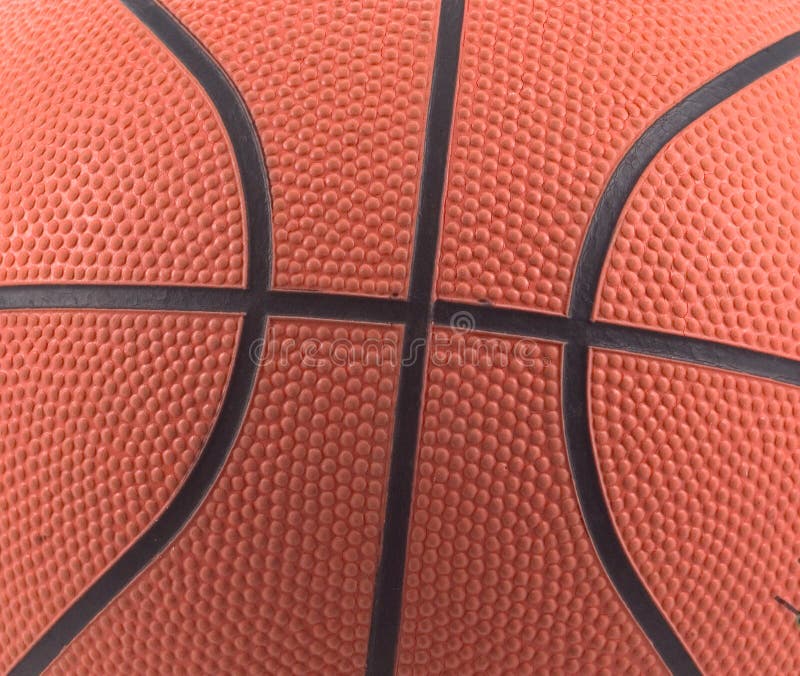
Image Source: thumbs.dreamstime.com
The Art and Science of Basketball Pebbling
The characteristic texture of a basketball isn’t accidental; it’s a deliberate design choice rooted in functionality. This pebbled surface, often referred to as basketball pebbling, is far more than just a visual feature. It’s a carefully crafted element that directly impacts a player’s ability to control, dribble, shoot, and pass the ball with accuracy. The question of the exact number of these “dimples” or pebbles is an interesting one, touching upon the precision involved in basketball ball manufacturing.
Why Basketballs Have Dimples (Pebbles)
The primary reason why basketballs have dimples – or more accurately, pebbles – is to provide enhanced grip. When players are in the heat of a game, sweat can make the ball slippery. The raised texture of the pebbles creates more points of contact between the player’s fingers and the ball, allowing for a firmer hold. This improved grip on a basketball is vital for executing complex maneuvers like crossover dribbles, spin moves, and powerful shots. Without this texture, controlling the ball would be significantly more challenging, leading to more turnovers and less fluid gameplay.
Beyond grip, the pebbling also affects the basketball feel. A smooth ball would feel alien and unpredictable in a player’s hands. The consistent pattern of the pebbles provides a familiar and comforting sensation, contributing to a player’s confidence and ability to connect with the ball. This tactile feedback is a critical component of a player’s touch and control.
The Evolution of Basketball Design
The basketball design has evolved considerably since the sport’s inception. Early basketballs were often made from leather panels stitched together, and their surfaces could be relatively smooth. As the game grew in popularity and the demands on players increased, so did the need for a ball that offered better handling. This led to the development of the pebbled surface we recognize today. The transition to synthetic materials and improved manufacturing techniques allowed for greater control over the ball’s texture and consistency.
Deconstructing the Basketball Surface
The basketball surface is a complex interplay of materials and patterns designed to optimize performance. While we often refer to them as dimples, these are technically raised, rounded protrusions.
The Pebbling Pattern
The pattern of the pebbles is not random. Manufacturers adhere to strict guidelines, often set by governing bodies like the NBA, to ensure a consistent feel and performance across all regulation balls. While the precise arrangement and spacing might differ slightly between brands, the overall intent is to create a uniform surface that offers predictable grip.
The depth and spacing of these pebbles are calibrated to provide the best balance between grip and smooth rotation. If the pebbles were too large or too far apart, they might hinder the ball’s ability to spin cleanly. Conversely, if they were too small or too close together, they might not offer sufficient grip.
Materials Matter: From Leather to Synthetics
Historically, basketballs were made from leather. While leather offered a good feel, it was susceptible to damage from moisture and could become slick when wet. Modern basketballs primarily use synthetic leather or composite materials. These materials are more durable, offer better water resistance, and allow for a more precise and consistent pebbled texture to be molded onto the surface. This advancement in how basketballs are made has been instrumental in improving the quality and performance of basketballs.
The Manufacturing Process: How Basketballs Are Made
The journey from raw materials to a finished basketball is a sophisticated process that involves several key stages. Understanding how basketballs are made sheds light on why the number of pebbles is what it is.
The Core and Bladder
Every basketball begins with a core, typically made of rubber. Inside this core is an inflatable bladder, usually made of butyl rubber, which holds air. The bladder is what gives the ball its bounce.
The Panel Construction
The outer shell of the basketball is constructed from panels. Traditionally, these were eight leather panels stitched together. Modern balls often use fewer panels, sometimes four or six, made from synthetic or composite leather. These panels are typically molded with the pebbled texture before being assembled.
The Pebbling Application
The basketball pebbling is usually created during the molding process of the outer panels. Molds are etched with the pattern of raised dots, and the material is pressed into these molds. This ensures that each pebble is uniformly shaped and positioned. The specific machinery and molds used by each basketball ball manufacturing company will dictate the final count and arrangement of these pebbles.
Assembly and Finishing
Once the panels are ready, they are assembled around the bladder. The panels are often adhered together using strong adhesives, and in some cases, a stitching process might still be used, particularly for higher-end indoor balls. After assembly, the ball is inflated to the correct pressure, and any final finishing touches are applied. Quality control checks are performed to ensure the ball meets size, weight, and performance standards.
The Numbers Game: Counting the Pebbles
While an exact, universally fixed number of pebbles on every single basketball is an impossibility due to manufacturing tolerances, a close estimate can be made. The goal of basketball design is consistency, so manufacturers aim for a very narrow range.
Estimating the Pebble Count
To arrive at the approximate number of 1,100 to 1,200 pebbles, one would need to:
- Obtain a Regulation Ball: Use an NBA- or FIBA-regulation basketball as a reference.
- Mark and Count Sections: Divide the surface of the ball into manageable sections (e.g., quarters or eighths).
- Carefully Count: Manually count the pebbles within each section. This requires patience and a magnifying glass.
- Extrapolate: Multiply the count from a section by the total number of equivalent sections to get an estimated total.
This method highlights the labor-intensive nature of such a count and explains why a definitive, single number is elusive. However, through such estimations and discussions with manufacturers, the range of 1,100 to 1,200 pebbles is commonly cited for regulation balls.
Factors Influencing Pebble Count
- Manufacturer Specifications: Each company has its own molds and design parameters.
- Ball Size and Type: While regulation men’s balls are the standard, women’s or youth balls might have slight variations. Indoor versus outdoor balls can also have different pebbling patterns and depths.
- Material Density: The exact way the synthetic material takes the mold can influence the final appearance and number of distinct pebbles.
- Manufacturing Tolerances: Slight variations are inherent in any mass-production process.
The Tactile Experience: Basketball Feel and Grip
The basketball feel is subjective but profoundly important to players. The texture of the ball, created by the basketball pebbling, is a key component of this feel.
Grip: The Foundation of Control
The raised pebbles on the basketball surface significantly enhance the grip on a basketball. This is crucial for:
- Dribbling: Allowing players to maintain control during fast-paced dribbling, crossover moves, and changes in direction.
- Shooting: Providing a stable platform for the ball to rest in the shooter’s hands, enabling consistent release and spin.
- Passing: Facilitating secure and accurate passes, whether chest passes, bounce passes, or overhead passes.
- Catching: Making it easier to snag passes, even when moving at speed or under pressure.
The “Feel” in Your Hands
Beyond just grip, the basketball texture influences the overall basketball feel. Some players prefer a slightly rougher feel, while others like a smoother, more polished surface. However, the standard pebbled design is a compromise that aims to satisfy the needs of most players. The slight indentation between pebbles can also contribute to a more comfortable and secure grip, reducing the chance of the ball slipping.
Comparing Different Basketball Types
While the fundamental reason for the pebbled surface remains the same, there can be variations in the basketball texture and pebble count between different types of basketballs.
Indoor vs. Outdoor Basketballs
- Indoor Basketballs: Often made of premium composite leather or genuine leather. The pebbling tends to be more refined, deeper, and more consistent for optimal feel and control on clean indoor courts. These balls are generally more expensive and less durable.
- Outdoor Basketballs: Typically made of rubber or durable synthetic materials. The pebbles might be larger, more aggressive, and spaced further apart to provide maximum grip on rougher surfaces and to withstand constant abrasion. The focus here is on durability and consistent grip in varying weather conditions.
The specific basketball ball manufacturing processes for each type will adapt the pebbling to suit its intended use.
Official Game Balls vs. Recreational Balls
- Official Game Balls (e.g., NBA): These balls are made to the highest specifications, with precise control over the basketball surface and pebbling to ensure consistent performance for professional athletes. The pebble count and pattern are strictly regulated.
- Recreational Balls: These balls might be more varied in quality and texture. While they will still have a pebbled surface for grip, the consistency and depth of the pebbles might not be as refined as on an official game ball.
The Science of Spin and Airflow
The dimples on sports balls isn’t unique to basketball. Think of a golf ball with its dimples, which are designed to reduce drag and increase lift. While basketball pebbles serve a primary function of grip, they also subtly influence airflow around the ball.
Airflow and Aerodynamics
The pattern of the pebbles creates small turbulent layers of air close to the ball’s surface. This turbulence can, in theory, alter how the air flows over the ball, potentially affecting its trajectory. However, the primary aerodynamic benefit in basketball is not as pronounced as in sports like golf. The primary purpose remains grip and feel, with aerodynamics being a secondary consideration.
The Role of Spin
The precise texture of the basketball surface also plays a role in how spin is imparted and maintained. Players use spin to control the bounce of the ball (e.g., a backspin on a pass can make it easier to catch). The pebbles provide points for the fingers to grip and push off, allowing for controlled application of spin.
Frequently Asked Questions About Basketball Dimples
Here are some common questions people have about the texture of a basketball:
Q: Do all basketballs have the same number of pebbles?
A: No, the exact number can vary slightly between manufacturers and models. However, regulation balls aim for a consistent range, typically between 1,100 and 1,200 pebbles.
Q: Are the “dimples” on a basketball important?
A: Yes, very important. They are called pebbles and are crucial for providing grip, enhancing the basketball feel, and improving a player’s control over the ball.
Q: What are basketballs made of?
A: Modern basketballs are usually made from synthetic leather or composite materials. Older balls were made from genuine leather. The inner bladder is typically butyl rubber.
Q: Why do outdoor basketballs feel different?
A: Outdoor basketballs are designed for durability and grip on rough surfaces. They often have larger, more aggressive pebbles made from rubber or tougher synthetics compared to the more refined texture of indoor balls.
Q: Can the number of pebbles affect how a basketball performs?
A: While the primary function is grip, subtle variations in pebble size, spacing, and depth could theoretically influence airflow and spin, but the most significant impact is on the player’s ability to hold and control the ball.
Conclusion: The Pebble’s Purpose
So, while the precise count of dimples (pebbles) on a basketball is a number that fluctuates slightly, the purpose behind them is remarkably consistent. These thousands of tiny raised dots are the unsung heroes of the game, providing the essential grip on a basketball that allows for skillful dribbling, shooting, and passing. From the initial stages of basketball ball manufacturing to the final basketball feel in a player’s hands, the basketball texture is a testament to thoughtful basketball design. The next time you pick up a basketball, take a moment to appreciate the intricate engineering of its basketball surface – those pebbles are working hard to help you make that perfect shot.