
The basketball hoop in the NBA stands at precisely 10 feet from the playing surface. This standardized height is a fundamental aspect of professional basketball, influencing every facet of the game, from player strategy to the athleticism displayed.
The sport of basketball, as we know it, has a history deeply intertwined with its iconic hoop height. From its invention to its global prominence today, the 10-foot rim has remained a constant, a familiar fixture that defines the challenge and excitement of the game. But how did this specific measurement come to be, and why has it endured for so long? Let’s dive into the details of the NBA hoop height and its significance.
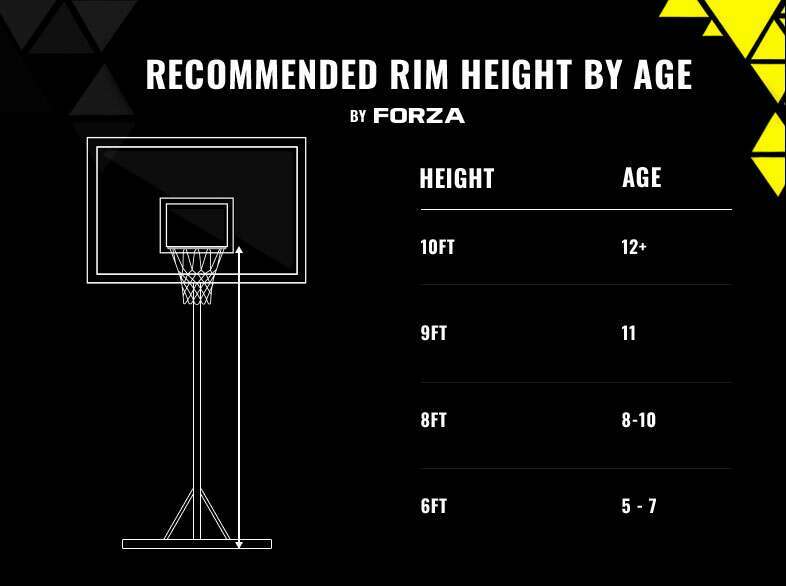
Image Source: nwscdn.com
Tracing the Origins of the Standard Basketball Hoop Height
The quest to understand the NBA hoop height begins with Dr. James Naismith, the Canadian physical education instructor credited with inventing basketball in December 1891. Naismith was tasked with creating a new indoor sport that was less rough than football and could be played by his students at the International YMCA Training School in Springfield, Massachusetts.
Naismith’s initial requirements for the game were simple: a large, flat, horizontal surface and a way to propel a ball into a target. He famously used peach baskets nailed to the lower railing of the gymnasium balcony, which was 10 feet above the floor. The height of this railing was purely coincidental to the eventual standard, as Naismith simply used what was available. The first games were played with a soccer ball, and players would climb ladders to retrieve the ball after each basket was made, as the baskets had no holes in the bottom.
Early Adaptations and the Evolution of the Rim
It wasn’t long before the peach baskets were replaced with iron hoops with nets attached. The introduction of an open-ended net, allowing the ball to pass through, eliminated the need for ladders and sped up the game considerably. This early iteration of the basketball hoop set the stage for the regulation basketball hoop height we see today.
As the sport grew in popularity, particularly in schools and YMCAs across the United States, the need for standardization became apparent. Different locations and leagues began to adopt their own rules and equipment. However, the 10-foot measurement, stemming from Naismith’s original setup, gradually became the de facto standard.
The Official NBA Rim Height: A Definitive Measurement
In the National Basketball Association (NBA), the NBA rim height is strictly enforced to be 10 feet (3.05 meters) from the court surface to the top edge of the rim. This is not an approximation; it’s a precise measurement that every professional basketball arena adheres to.
This regulation basketball hoop height applies to both men’s and women’s professional leagues, as well as most other organized basketball competitions worldwide. The consistency in the standard basketball hoop height ensures a fair and competitive playing environment.
Dimensions of the Basketball Hoop
Beyond the height, the basketball hoop size itself is also standardized:
- Rim Diameter: The inner diameter of the rim is 18 inches (45.7 cm).
- Rim Thickness: The rim is typically made of solid steel and is about 5/8 inch thick.
- Backboard Dimensions: The backboard is usually 6 feet wide by 3.5 feet high (1.83 meters by 1.07 meters). For NBA games, the backboard is 72 inches (183 cm) wide and 42 inches (107 cm) high.
- Backboard Material: NBA backboards are made of tempered glass, providing a true bounce for the ball.
The Basketball Net Height
The basketball net height refers to the length of the net hanging from the rim. Regulation nets are typically 15 to 18 inches (38 to 45 cm) long. The net is designed to slow the ball’s descent, providing visual confirmation of a successful shot. The basketball net height is a secondary measurement but contributes to the overall visual and physical feel of scoring.
Why 10 Feet? Fathoming the Rationale Behind the Height
The enduring 10-foot measurement might seem arbitrary to some, but it represents a delicate balance that has been crucial to the development of basketball as a sport. This specific height forces players to develop a range of skills and strategies.
Skill Development and Strategic Implications
The professional basketball hoop height of 10 feet requires players to possess:
- Shooting Accuracy: Players must arc their shots precisely to get the ball over the rim and through the net. Too flat, and it hits the rim; too high, and it misses the hoop entirely.
- Jumping Ability: Reaching the rim for dunks, layups, and blocked shots demands significant vertical leap. This is why the average height and athleticism of NBA players are so impressive.
- Passing and Rebounding Skills: The height influences how players position themselves for rebounds and the angles at which they pass the ball.
- Strategic Positioning: Offensive and defensive plays are designed around the 10-foot goal, affecting spacing, player movement, and defensive coverage.
The “Sweet Spot” of Challenge and Attainability
The 10-foot height is considered the “sweet spot” for basketball. It’s high enough to make scoring challenging, requiring skill and athleticism, but not so high that it becomes nearly impossible for the average player. This balance ensures that games are competitive and engaging for both players and spectators. If the hoop were significantly lower, scoring might become too easy, diminishing the strategic element. Conversely, if it were much higher, the game could become frustrating and less dynamic.
How Tall is a Basketball Hoop for Different Levels of Play?
While the NBA sets the benchmark, it’s important to note that standard hoop height for basketball can vary slightly for different age groups and levels of play, particularly in youth leagues. These adjustments are made to accommodate the physical development of younger players.
Youth Basketball Hoop Heights
To make the game more accessible and enjoyable for children, hoop heights are typically lowered:
- Ages 5-6: 4 feet (1.22 meters)
- Ages 7-8: 5 feet (1.52 meters)
- Ages 9-10: 7 feet (2.13 meters)
- Ages 11-12: 8 feet (2.44 meters)
- Ages 13 and Up (including High School and most Adult Recreational Leagues): 9 feet (2.74 meters) or 10 feet (3.05 meters). Many high school and college courts use the regulation basketball hoop height of 10 feet.
These adjustments allow younger players to develop fundamental skills like shooting and dribbling without being discouraged by a height that is too challenging. As players mature, the hoop height gradually increases, mirroring their physical growth and skill development.
Recreational and Backyard Hoops
For recreational play, such as in driveways or parks, adjustable basketball hoops are common. These allow users to set the basketball rim height to their preference, whether for practice, casual games, or to mimic professional play. Many home basketball systems can be adjusted from as low as 6 feet to the standard hoop height for basketball of 10 feet.
The Impact of NBA Rim Height on Player Performance and Game Dynamics
The consistent 10-foot NBA rim height has shaped the evolution of basketball as a sport and the type of athletes who excel in it.
The Rise of the Dunk
The dunk, a spectacular display of athleticism, is a direct product of the 10-foot rim. Players like Wilt Chamberlain, Michael Jordan, LeBron James, and countless others have used their incredible leaping ability to slam the ball through the hoop, adding a thrilling dimension to the game. Without the 10-foot height, the dunk as we know it would not exist.
Shooting Mechanics and Strategy
The arc of a basketball shot is critically influenced by the basketball rim height. Players develop specific shooting mechanics to achieve the optimal trajectory. The 10-foot rim also dictates the types of shots that are most effective. Jump shots, layups, and floaters are all designed with this specific height in mind. The distance from the basket, combined with the rim height, creates the strategic challenges of offensive play.
Defensive Strategies
Defenses are also built around the 10-foot target. Shot blockers are positioned to contest shots at their apex, while rebounders aim to control the area around the rim. The effectiveness of defensive strategies like zone defense or man-to-man coverage is also influenced by how players position themselves relative to the basket.
Equipment and Maintenance of NBA Basketball Hoops
The equipment used in professional basketball is built to withstand the rigors of the game and maintain the integrity of the regulation basketball hoop height.
Hoop and Backboard Construction
- Rims: NBA rims are designed to be flexible, allowing them to flex slightly when a player hangs on them. This is a safety feature and also contributes to the feel of the shot. They are typically made of 5/8-inch steel.
- Backboards: As mentioned, NBA backboards are made of tempered glass, which provides a consistent bounce. The support structures for the backboards are engineered to be stable and minimize vibration, ensuring the NBA hoop height remains constant during play.
- Support Systems: The entire structure holding the backboard and rim is robust, often anchored to the floor or ceiling, and designed to prevent any movement or change in height.
Regular Inspections and Calibration
To ensure fair play, NBA arenas and all professional facilities regularly inspect and calibrate their basketball hoops. This includes checking:
- Rim Level: Ensuring the rim is perfectly level and at the precise 10-foot height.
- Net Attachment: Confirming nets are securely attached and of the correct length.
- Backboard Integrity: Checking for cracks or damage that could affect play.
While accidental impacts can sometimes dislodge a rim, immediate correction to the professional basketball hoop height is standard procedure before play resumes.
Beyond the NBA: Global Standards and Variations
The 10-foot NBA rim height is also the international standard for men’s basketball, as set by FIBA (International Basketball Federation). This global consistency allows for seamless transitions for players moving between different leagues and international competitions.
However, as noted earlier, youth leagues and some recreational play may use lower hoops to accommodate different age groups. This adaptability ensures that basketball remains an accessible sport for people of all ages and skill levels.
Women’s Basketball
It’s worth noting that the basketball rim height for women’s professional basketball (like the WNBA) is also 10 feet, aligning with the men’s game. This uniformity in standard hoop height for basketball across professional genders emphasizes the universal nature of the sport’s fundamental design.
The Physics of a Shot: How Height Affects Trajectory
The 10-foot basketball hoop height is a key factor in the physics of a basketball shot. The trajectory, or arc, of the ball is determined by the angle of release and the initial velocity.
- Angle of Release: A higher angle of release generally leads to a higher arc. To successfully score on a 10-foot rim from various distances, players must master different release angles.
- Velocity: The speed at which the ball is thrown also influences its trajectory and how it interacts with the rim.
- Spin: The backspin applied to the ball helps it decelerate in the air and makes it more forgiving if it hits the rim, often causing it to bounce up and into the basket.
The challenge posed by the regulation basketball hoop height is precisely what makes the precision of shooting so rewarding.
Common Misconceptions About NBA Hoop Height
Despite the clear definition, there are occasional misconceptions about the NBA hoop height.
- “It’s higher for NBA players.” This is incorrect. The NBA rim height is fixed at 10 feet for all official games, regardless of the players’ individual heights.
- “Adjustable hoops in the NBA.” While some practice facilities might have adjustable hoops for training purposes, game courts always feature fixed 10-foot rims.
- “The height changes during the game.” The height is static. While equipment can sometimes be damaged, the rim is immediately repaired or replaced to maintain the 10-foot standard.
The standard basketball hoop height is a critical, unchanging element of the game.
Measuring the Hoop: Ensuring Accuracy
When setting up or verifying the height of a basketball hoop, precision is key.
Tools for Measurement
- Measuring Tape: The most straightforward tool is a long measuring tape. Measure from the surface of the court directly below the center of the rim, up to the top edge of the rim.
- Laser Measure: For greater accuracy and ease, a laser measuring device can be used.
Ensuring a True 10 Feet
It’s important to measure from the actual playing surface. In professional arenas, this is a meticulously maintained court. For backyard hoops, ensure the ground is level where the hoop is positioned.
The Future of the NBA Hoop Height
Given the sport’s history and its global appeal, it’s highly unlikely that the NBA hoop height will change in the foreseeable future. The 10-foot rim has become an integral part of basketball’s identity, shaping its rules, strategies, and the athletic demands it places on players.
The sport continues to evolve, with new training techniques, player development, and strategies emerging constantly. However, the foundational element of the basketball rim height remains a constant, ensuring that the fundamental challenge and beauty of basketball endure. The familiar 10 feet is a testament to the enduring design of Dr. Naismith’s creation.
Frequently Asked Questions About NBA Hoop Height
Q1: Is the basketball hoop height the same for men’s and women’s professional basketball?
Yes, the NBA hoop height and the regulation basketball hoop height for the WNBA are both 10 feet from the playing surface.
Q2: What is the standard basketball hoop height for recreational play or in driveways?
For recreational play, the standard hoop height for basketball is typically 10 feet, but many adjustable hoops are available, allowing users to set the basketball rim height to their preference, often for younger players.
Q3: Why is the basketball hoop 10 feet high?
The 10-foot height was established by the inventor of basketball, Dr. James Naismith, who used an available railing height of 10 feet. This height has proven to be a balance between making the game challenging and attainable, fostering skill development and exciting gameplay.
Q4: How is the basketball hoop height measured?
The basketball hoop height is measured from the playing surface directly below the center of the rim to the top edge of the rim.
Q5: Can a player dunk on a 10-foot hoop?
Yes, players with sufficient jumping ability can dunk on a 10-foot hoop. This is a common and exciting part of professional basketball.
Q6: Are there different basketball hoop sizes for different courts?
While the NBA hoop height is always 10 feet, youth leagues often use lower hoops to accommodate younger players. For example, children aged 9-10 might play with an 8-foot hoop.
Q7: What are the dimensions of the basketball rim?
The inner diameter of a regulation basketball rim is 18 inches (45.7 cm).
Q8: What is the importance of the basketball net height?
The basketball net height (length of the net) is typically 15-18 inches. It helps slow the ball and provides visual confirmation of a score.
Q9: Has the NBA hoop height ever changed?
No, the NBA rim height has remained consistently at 10 feet since the early days of the sport’s standardization.
Q10: What is the difference between a professional basketball hoop height and a standard hoop height for basketball in general?
In most organized adult play, the professional basketball hoop height and the standard hoop height for basketball are the same: 10 feet. Variations usually occur in youth leagues.