
If you want to know how to say basketball in Spanish, the most common and widely accepted term is baloncesto.
Spanish is a beautiful and widely spoken language, and for many sports enthusiasts, knowing how to talk about their favorite games in different languages is a key part of the fun. Basketball, a global phenomenon, is no exception. So, for those wondering cómo se dice baloncesto en español, the answer is straightforward: baloncesto. But the journey doesn’t stop at just one word. There’s a rich vocabulario de baloncesto español that can truly enhance your appreciation and understanding of the sport in Spanish-speaking countries.
Let’s dive deep into the world of basketball terminology in Spanish, exploring the core word, its variations, and related terms that will help you converse like a native. This guide aims to provide a comprehensive español para baloncesto experience, covering everything from the basic nombre del baloncesto en español to specific actions and roles on the court.
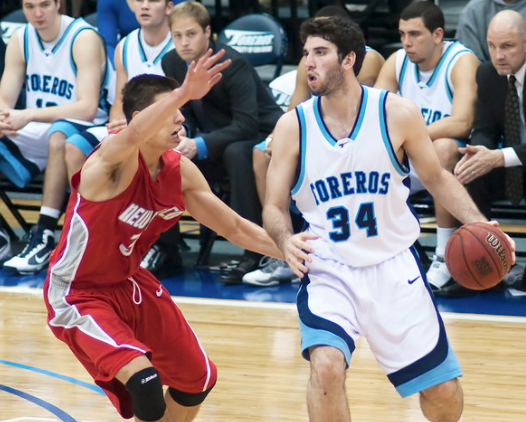
Image Source: ecosports.com
The Core: Baloncesto
The primary traducción de baloncesto into Spanish is baloncesto. This word is used universally across Spanish-speaking nations. It’s the term you’ll hear in professional games, see in sports news, and use in everyday conversation.
Pronunciation of Baloncesto
Getting the pronunciación de baloncesto right is crucial for sounding natural. Here’s a breakdown:
- Ba: Pronounced like the “ba” in “father.”
- lon: The “o” sound is similar to the “o” in “go.”
- ces: The “c” sounds like “th” in Spain, but like “s” in Latin America. The “e” is like the “e” in “bet.”
- to: The “o” is again like the “o” in “go.”
So, phonetically, it sounds something like: bah-lon-SAY-toh (Latin America) or bah-lon-THEH-toh (Spain).
Why “Baloncesto”?
The name baloncesto itself is a direct reflection of the sport’s origins and nature. It’s a compound word derived from:
- Bala: Meaning “ball.”
- Cesto: Meaning “basket.”
Therefore, baloncesto literally means “ball basket,” which perfectly describes the objective of the game. This makes cómo llamar al baloncesto en español a simple and logical process.
Variations and Regional Differences
While baloncesto is the standard, you might encounter slight variations or alternative terms, though they are less common:
El Básquet
In many Latin American countries, especially those with a strong basketball culture like Argentina, Uruguay, and parts of Mexico, you’ll frequently hear the term básquet. This is a shortened, more informal version, derived directly from the English word “basket.”
- Pronunciation: BAH-sket. It’s a direct adaptation of the English pronunciation.
Using básquet is perfectly acceptable in informal settings and shows a good grasp of the colloquialisms used in certain regions.
El Balón Cesto
Historically, or in more formal contexts, you might also come across balón cesto. This is the literal, more descriptive form, emphasizing the “ball” (balón) and the “basket” (cesto). However, baloncesto has largely superseded it in common usage.
Talking About the Game: El Juego de Baloncesto en Español
Beyond the name of the sport itself, knowing how to discuss a juego de baloncesto en español requires a broader vocabulario de baloncesto español. Here are essential terms:
Key Terms for the Game
| English Term | Spanish Term | Pronunciation (Simplified) | Notes |
|---|---|---|---|
| Basketball | Baloncesto / Básquet | bah-lon-SAY-toh / BAH-sket | The primary and informal terms. |
| Game | Partido / Juego | pahr-TEE-doh / HWEY-go | Both are used; “partido” often refers to a specific match. |
| Team | Equipo | eh-KEE-poh | Essential for discussing teams. |
| Player | Jugador / Jugadora | hoo-gah-DOR / hoo-gah-DOR-ah | Male and female players respectively. |
| Court | Cancha | KAN-chah | The playing area. |
| Hoop / Basket | Aro / Canasta | AH-roh / kah-NAS-tah | The goal. |
| Ball | Balón / Pelota | bah-LON / peh-LO-tah | “Balón” is more common in official basketball contexts. |
| Score | Puntuación / Marcador | poon-too-ah-SYON / mar-kah-DOR | “Puntuación” for the score itself, “marcador” for the scoreboard. |
| Point | Punto | POON-toh | |
| Basket (as in score) | Canasta / Tiro | kah-NAS-tah / TEE-roh | “Canasta” for the made shot, “tiro” for the shot itself. |
| Free Throw | Tiro Libre | TEE-roh LEE-breh | A shot from the free-throw line. |
| Jump Shot | Tiro de Salto | TEE-roh deh SAHL-toh | A shot taken while jumping. |
| Dunk | Mates / Tiro de Potencia | MAH-tehs / TEE-roh deh poh-TEN-syah | “Mates” is common in some Latin American countries. |
| Rebound | Rebote | reh-BOH-teh | Catching the ball after a missed shot. |
| Assist | Asistencia | ah-sis-TEN-syah | A pass that leads to a score. |
| Steal | Robo | ROH-boh | Taking the ball from an opponent. |
| Block | Tapón | tah-PON | Deflecting an opponent’s shot. |
| Foul | Falta | FAHL-tah | An infraction of the rules. |
| Dribble / Bounce | Driblar / Botar | dree-BLAR / boh-TAR | Moving the ball by bouncing it. |
| Pass | Pase | PAH-seh | Throwing the ball to a teammate. |
| Coach | Entrenador | en-treh-nah-DOR | The team’s strategist. |
| Referee | Árbitro | AHR-bee-troh | The official who enforces the rules. |
This foundational vocabulario de baloncesto español will equip you to discuss the basics of the sport.
Player Positions and Roles
To delve deeper into the español para baloncesto, let’s look at player positions:
Common Player Positions
- Point Guard: Base
- Shooting Guard: Escolta
- Small Forward: Alero
- Power Forward: Ala-pívot
- Center: Pívot
Knowing these palabras relacionadas con el baloncesto en español will allow you to discuss player strategies and matchups more effectively.
Other Important Roles
- Captain: Capitán / Capitana
- Starter: Titular
- Substitute/Bench Player: Suplente / Jugador de banquillo
Describing Actions on the Court
What makes a basketball game exciting are the actions! Here’s how to describe them in Spanish:
Key Basketball Actions
- To shoot: Tirar / Lanzar
- To dribble: Driblar / Botar
- To pass: Pasar
- To score: Anotar / Encestar
- To rebound: Reboteador (to rebound) / Hacer un rebote
- To block: Tapar (to block a shot)
- To steal: Robar (to steal the ball)
- To foul: Hacer falta
- To assist: Dar una asistencia
Example sentences:
- “El jugador tiró el balón y anotó dos puntos.” (The player shot the ball and scored two points.)
- “Necesitamos driblar más rápido para superar la defensa.” (We need to dribble faster to overcome the defense.)
- “¡Qué gran pase!” (What a great pass!)
- “Él es un excelente reboteador.” (He is an excellent rebounder.)
- “El árbitro pitó falta sobre el número 10.” (The referee blew the whistle for a foul on number 10.)
Discussing the Game: More Nuances
When you’re talking about a juego de baloncesto en español, you’ll want to use descriptive words.
Game Situations and Terms
- Fast Break: Contraataque
- Pick and Roll: Bloqueo y Continuación (or simply “pick and roll” is often used)
- Zone Defense: Defensa en zona
- Man-to-Man Defense: Defensa individual / Defensa hombre a hombre
- Timeout: Tiempo muerto
- Halftime: Medio tiempo / Descanso
- Overtime: Prórroga
- Win: Ganar
- Lose: Perder
- Tie: Empate
- Champion: Campeón / Campeona
Common Phrases
- “El partido estuvo muy reñido.” (The game was very close/tight.)
- “Nuestro equipo va ganando por 10 puntos.” (Our team is winning by 10 points.)
- “Necesitamos hacer un buen contraataque.” (We need to make a good fast break.)
- “El entrenador pidió un tiempo muerto para reorganizar al equipo.” (The coach called a timeout to reorganize the team.)
Basketball League and Tournament Names
You’ll also encounter specific names for leagues and tournaments:
- NBA: Still referred to as NBA, but sometimes described as “la liga de baloncesto de Estados Unidos.”
- EuroLeague: Euroliga
- World Championship: Campeonato del Mundo / Mundial de Baloncesto
- Olympic Games: Juegos Olímpicos
Fostering Your Spanish Basketball Knowledge
To truly master español para baloncesto, immerse yourself in the culture:
How to Improve Your Spanish Basketball Vocabulary
- Watch Games with Spanish Commentary: Listen to how commentators describe the action. This is one of the most effective ways to pick up natural phrasing and specific palabras relacionadas con el baloncesto en español.
- Read Sports News: Follow Spanish sports websites or newspapers that cover basketball.
- Play Video Games: If you play basketball video games, switch the language settings to Spanish.
- Follow Spanish-Speaking Players and Teams: Engaging with social media or fan forums can expose you to more informal and current language.
- Practice with Native Speakers: If you have friends or language exchange partners who are fluent in Spanish and follow basketball, talk to them about the sport.
Example Dialogue Snippet
Imagine two friends discussing a game:
Ana: “¿Viste el partido anoche? ¡Estuvo increíble!”
(Did you see the game last night? It was incredible!)
Carlos: “Sí, ¡qué partido! Nuestro equipo jugó muy bien. Me impresionó el base, hizo unas asistencias fantásticas.”
(Yes, what a game! Our team played very well. I was impressed by the point guard, he made fantastic assists.)
Ana: “Totalmente. Y el pívot estuvo imparable en la pintura. ¡No podíamos anotar!”
(Totally. And the center was unstoppable in the paint. We couldn’t score!)
Carlos: “Sí, pero en el último cuarto, el otro equipo hizo una gran remontada. Tuvieron suerte con algunos tiros libres.”
(Yes, but in the last quarter, the other team made a great comeback. They got lucky with some free throws.)
Ana: “Al final, ganaron por solo dos puntos. ¡Muy emocionante!”
(In the end, they won by only two points. Very exciting!)
This kind of conversation showcases how naturally the vocabulario de baloncesto español flows.
Frequently Asked Questions About Saying Basketball in Spanish
Q1: Is there only one way to say basketball in Spanish?
A1: While baloncesto is the most common and official term, básquet is a widely used informal alternative, especially in Latin America.
Q2: What is the literal translation of basketball in Spanish?
A2: The literal translation, reflecting the sport’s components, would be balón cesto (ball basket). However, baloncesto is the universally adopted term.
Q3: How do you say “basketball player” in Spanish?
A3: You say jugador for a male player and jugadora for a female player.
Q4: What are the Spanish terms for key actions like dribbling and shooting?
A4: To dribble is driblar or botar, and to shoot is tirar or lanzar.
Q5: Can I use the English word “basketball” in Spanish?
A5: While some English loanwords are common in Spanish, it’s best to use baloncesto or básquet to be understood clearly. Using English terms might sound awkward or be less understood by some speakers.
Q6: How do you say “basketball court” in Spanish?
A6: A basketball court is called a cancha de baloncesto.
Q7: What’s the Spanish word for a “slam dunk”?
A7: In many Spanish-speaking countries, especially in Latin America, a slam dunk is commonly called a mates. In other regions, you might hear tiro de potencia or simply the English phrase.
Q8: If I’m talking about a basketball game, what’s the best word for “game”?
A8: You can use either partido or juego. Partido often implies a specific scheduled match between two teams, while juego can refer to the game in a more general sense or the act of playing.
Q9: How do I say “referee” in Spanish for a basketball game?
A9: The word for referee is árbitro.
Q10: Are there any specific regional variations for the word “basketball” that are important to know?
A10: Yes, as mentioned, básquet is very common in many Latin American countries, derived from the English word. While baloncesto is understood everywhere, using básquet in the right context can make your Spanish sound more natural to speakers from those regions.
Conclusion
Mastering cómo decir baloncesto en español is more than just knowing the word baloncesto. It’s about embracing the rich vocabulario de baloncesto español, learning the specific actions, player roles, and common phrases that bring the game to life. Whether you use baloncesto or the more casual básquet, you’re opening a door to connect with millions of Spanish-speaking basketball fans worldwide. By utilizing the terms and phrases discussed, you can confidently talk about your favorite sport, making your passion for basketball even more global and engaging. Keep practicing, keep watching, and keep talking about baloncesto in Spanish!