
Yes, you can play basketball on a sprained ankle, but it’s crucial to emphasize that this is only advisable if the sprain is minor, and after proper assessment and rehabilitation. Ignoring the pain and playing through a significant injury can lead to prolonged recovery and worse damage.
Many basketball players have faced this question: “Can I play basketball on a sprained ankle?” The answer is a qualified yes, but it requires a thorough approach to recovery and a careful consideration of the injury’s severity. Returning to the court too soon can turn a minor setback into a chronic problem, impacting your ability to enjoy and perform in basketball ankle injury recovery. This article aims to provide an in-depth look at how to safely navigate playing basketball with a sprained ankle, covering everything from initial assessment to your triumphant return to play basketball sprained ankle.
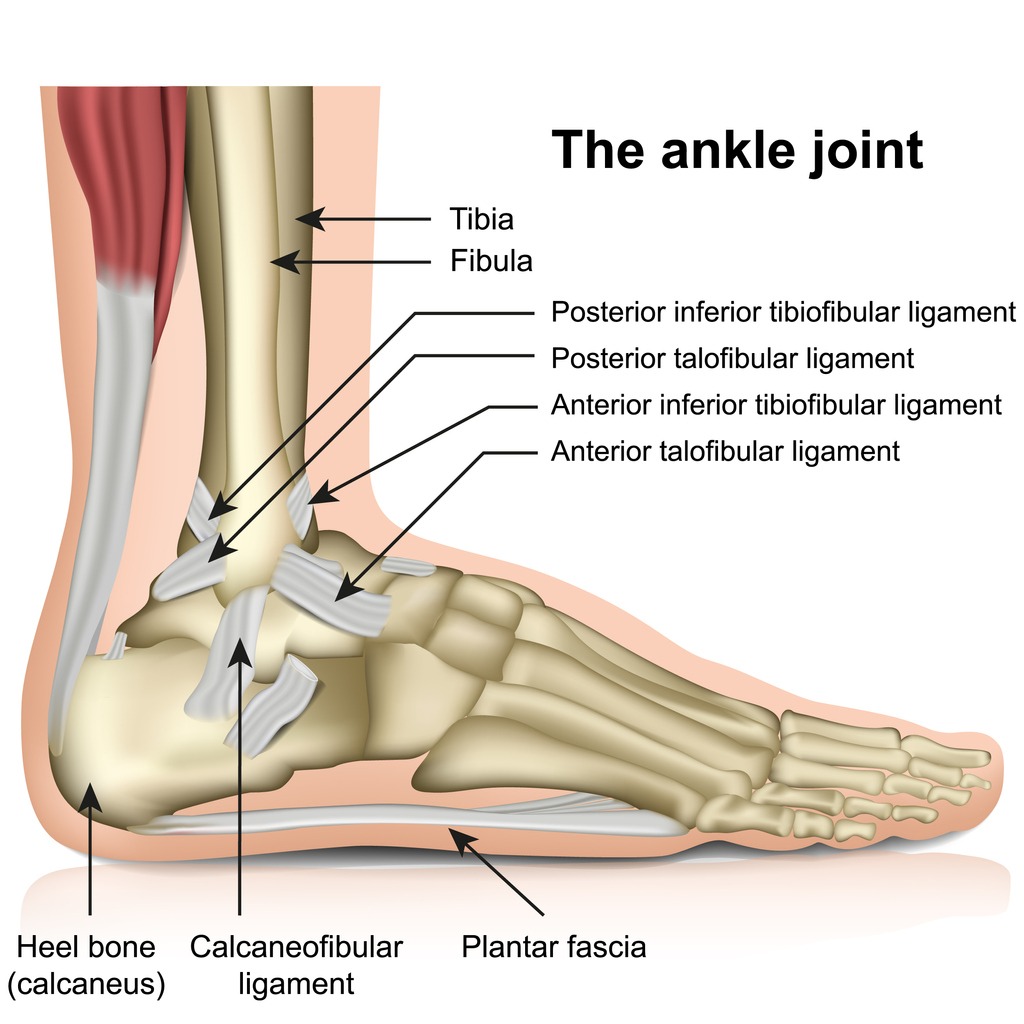
Image Source: www.connecticutchildrens.org
Deciphering Ankle Sprains in Basketball
Ankle sprains are incredibly common in basketball. The dynamic movements, quick changes in direction, jumping, and landing all put significant stress on the ankle joint. A sprained ankle occurs when the ligaments that support the ankle are stretched or torn. This usually happens when the foot is twisted or rolled inward.
There are three main grades of ankle sprains:
- Grade 1 (Mild): Slight stretching and microscopic tearing of the ligament fibers. There’s mild tenderness and swelling, and you can usually bear weight on the ankle.
- Grade 2 (Moderate): Partial tearing of the ligament. This results in more significant pain, swelling, bruising, and difficulty bearing weight. The ankle may feel a bit unstable.
- Grade 3 (Severe): Complete rupture of the ligament. This causes severe pain, swelling, bruising, and an inability to bear weight. The ankle will feel very unstable, and it may be difficult to move the foot.
The ability to play basketball on a sprained ankle directly correlates with the grade of the sprain.
Factors Influencing Your Return to the Court
Before even thinking about basketball on a sprained ankle, several factors must be considered. These are the building blocks for a safe and effective return.
Injury Severity and Medical Assessment
This is the absolute cornerstone. You cannot self-diagnose your way back onto the court.
- Professional Diagnosis: Always seek advice from a medical professional – a doctor, physical therapist, or athletic trainer. They can accurately grade your sprain and rule out more serious injuries like fractures.
- Pain Level: Can you walk without significant pain? If walking itself is a challenge, playing basketball is out of the question.
- Swelling and Bruising: While some swelling is expected, excessive swelling and bruising can indicate a more severe injury.
- Range of Motion: Can you move your ankle through its normal range of motion without pain?
Rehabilitation Progress
A sprained ankle basketball return is not just about the absence of pain; it’s about regaining full function.
- Rest, Ice, Compression, Elevation (RICE): The initial phase of treatment is crucial.
- Early Mobilization: Gentle exercises to restore range of motion.
- Strengthening Exercises: Targeting the muscles around the ankle to improve support.
- Proprioception and Balance Training: This is vital for preventing re-injury and improving ankle stability basketball. Exercises like standing on one leg, using a wobble board, or performing single-leg squats are essential.
- Functional Progression: Gradually introducing sport-specific movements.
Ankle Stability
This is a key component for playing basketball. Without adequate ankle stability, you are highly susceptible to re-injury.
- Ligament Healing: Ligaments need time to heal and regain their strength. Playing before they are sufficiently healed will compromise this stability.
- Muscle Activation: Stronger muscles around the ankle provide dynamic stability.
- Proprioceptive Feedback: The nerves in your ankle tell your brain where your foot is in space. This feedback loop needs to be re-trained after a sprain.
The Stages of Playing Basketball with a Sprained Ankle
Assuming your sprain is mild (Grade 1 or a very mild Grade 2) and you have received clearance from a medical professional, a gradual return is possible. This isn’t about jumping straight back into a full game.
Stage 1: Pain-Free Movement and Basic Activities
- Walking: You should be able to walk normally without pain.
- Light Jogging: Begin with gentle jogging on a flat surface.
- Ankle Alphabet: Drawing the letters of the alphabet in the air with your big toe can help improve range of motion.
Stage 2: Gradual Introduction to Basketball Activities
This stage is about reintroducing ankle stress in a controlled manner.
- Light Cardio: Stationary cycling or swimming can improve cardiovascular fitness without stressing the ankle.
- Controlled Movements:
- Forward and Backward Walking: Focus on smooth movements.
- Heel Walks and Toe Walks: Strengthening calf muscles and improving ankle control.
- Side-Stepping: Mimics lateral movements in basketball.
- Gentle Calf Raises: Building strength in the gastrocnemius and soleus muscles.
Stage 3: Sport-Specific Drills and Basketball Practice with Sprained Ankle
This is where you start integrating basketball movements.
- Light Shooting: Standing or stationary shooting.
- Dribbling (Stationary): Practicing ball handling without dynamic movement.
- Controlled Pivoting: Practicing turning on your feet, but with minimal force.
- Jumping (Controlled): Gentle jumps, focusing on soft landings.
- Cutting (Gradual): Starting with wider, slower cuts and gradually increasing speed and tightness.
- Light Defensive Slides: Practicing shuffling your feet.
Important Note: Each progression should be pain-free. If you experience pain, you need to regress to the previous stage or rest.
Return to Play Basketball Sprained Ankle: Key Considerations
When the time comes for you to play basketball on a sprained ankle, or more accurately, to return to playing basketball after a sprained ankle, these are critical.
- Ankle Brace or Taping: Wearing an ankle brace or having your ankle taped can provide external support and increase confidence. This is crucial for players returning to basketball after a sprained ankle to help manage ankle stability basketball.
- Listen to Your Body: This cannot be stressed enough. Pain is your body’s signal that something is wrong.
- Gradual Game Time: Don’t expect to play a full game immediately. Start with limited minutes and gradually increase your playing time as your ankle tolerates it.
- Warm-up Thoroughly: A proper warm-up is essential to prepare your ankle for the demands of the game.
- Cool-down and Stretches: Continue your rehabilitation exercises post-game.
Sprained Ankle Treatment Basketball: What to Expect
The treatment plan for a sprained ankle in a basketball context follows general sprained ankle treatment, but with a specific focus on athletic recovery.
Initial Treatment (First 24-72 Hours)
- Protection: Avoid activities that aggravate the injury.
- Rest: Limit weight-bearing as much as possible.
- Ice: Apply ice packs for 15-20 minutes every 2-3 hours to reduce swelling and pain.
- Compression: Use an elastic bandage to help control swelling. Ensure it’s snug but not too tight to cut off circulation.
- Elevation: Keep the injured ankle raised above the level of your heart.
Rehabilitation Phase
This is where the real work happens to ensure you can play basketball on a sprained ankle safely.
- Range of Motion Exercises:
- Ankle pumps (pointing toes up and down).
- Ankle circles.
- Alphabet exercises.
- Strengthening Exercises:
- Isometric exercises: Pushing your foot against an immovable object in different directions (inward, outward, up, down) without moving the joint.
- Resistance band exercises: Performing dorsiflexion (pulling foot up), plantarflexion (pointing foot down), inversion (turning sole inward), and eversion (turning sole outward) against resistance.
- Calf raises: Standing on two feet, then progressing to one foot.
- Proprioception and Balance Exercises:
- Single-leg stance (progressing to eyes closed).
- Balance board exercises.
- Walking on uneven surfaces.
- Functional Progression Drills:
- Jumping and landing.
- Cutting and pivoting.
- Running drills.
Common Mistakes to Avoid When Playing Basketball with a Sprained Ankle
Returning to basketball too soon or without proper preparation can lead to re-injury. Here are common pitfalls:
- Ignoring Pain: Pushing through sharp or increasing pain is a recipe for disaster.
- Skipping Rehabilitation: Not completing the prescribed exercises weakens the ankle and compromises stability.
- Lack of Proper Warm-up/Cool-down: Insufficient preparation and recovery put undue stress on the healing ankle.
- Returning to Full Intensity Too Quickly: Jumping back into intense games without a gradual progression can overwhelm the recovering tissues.
- Not Using Support: Relying solely on your ankle’s natural healing without external support like braces or tape can be risky.
Can You Play Sports with Sprained Ankle?
This is a broader question that touches on the same principles. Generally, participating in any sport with a sprained ankle should only be considered after proper medical evaluation and adherence to a rehabilitation plan. The demands of basketball, with its explosive movements and lateral cuts, are particularly high for the ankle joint.
The Role of Braces and Taping
Ankle braces and taping are invaluable tools for players returning from an ankle sprain. They offer external support, which can:
- Increase Ankle Stability: Providing a physical barrier against excessive rolling.
- Enhance Proprioception: The pressure from the brace can provide sensory feedback.
- Boost Confidence: Knowing your ankle is supported can allow you to move more freely.
For basketball, a high-top shoe can also offer some added support, but it’s not a substitute for proper rehabilitation or a brace/taping.
When is it Definitely NOT Okay to Play?
There are absolute no-go scenarios for playing basketball on a sprained ankle:
- Severe Pain: If you cannot bear weight or experience significant pain with any movement.
- Gross Instability: If your ankle feels like it’s “giving out” or buckling.
- Significant Swelling and Bruising: Indicative of a more severe ligament tear.
- Inability to Perform Basic Movements: If you can’t walk, jog, or perform basic ankle exercises without pain.
- Lack of Medical Clearance: Never play without a healthcare professional’s approval.
Testimonials and Real-World Examples
Many professional and amateur basketball players have successfully returned from ankle sprains. Their journeys often highlight the importance of dedicated rehabilitation and a patient approach. Players often speak about the mental battle as much as the physical one. The fear of re-injury is real, and building that confidence back through controlled drills and supportive gear is key. For many, the ability to get back to basketball practice with a sprained ankle, albeit in a modified capacity, is the first step in a successful comeback.
FAQ: Frequently Asked Questions about Sprained Ankles and Basketball
Here are some common questions players ask about returning to the court after an ankle injury.
Q1: How long does it take to recover from a sprained ankle and play basketball?
A: Recovery time varies greatly depending on the severity of the sprain and the individual’s adherence to rehabilitation.
* Grade 1: Typically 1-3 weeks.
* Grade 2: Typically 3-6 weeks.
* Grade 3: Can take 6-12 weeks or longer, and may require surgery.
It’s crucial to focus on functional recovery, not just time.
Q2: Can I wear an ankle brace if I have a sprained ankle?
A: Yes, an ankle brace is highly recommended, especially when returning to activities like basketball. It provides support and can help prevent re-injury.
Q3: What are the best exercises for ankle rehabilitation after a sprain?
A: Key exercises include range of motion drills, strengthening exercises with resistance bands, and balance/proprioception drills like single-leg stands and using a balance board.
Q4: Is it okay to play basketball if my sprained ankle is still a little sore?
A: It’s generally not advisable to play through significant soreness. Mild, manageable discomfort might be acceptable during drills, but pain that limits movement or worsens after activity should be avoided.
Q5: How can I prevent ankle sprains in basketball?
A: Prevention includes strengthening ankle muscles, improving balance and proprioception, wearing supportive footwear, using ankle braces or tape if prone to sprains, and being aware of court conditions.
Q6: What is proprioception, and why is it important for basketball players?
A: Proprioception is your body’s ability to sense its position in space. For basketball players, good proprioception allows for quick adjustments to maintain balance during dynamic movements, crucial for ankle stability basketball and injury prevention.
Q7: When can I resume full basketball practice with a sprained ankle?
A: You can typically resume full basketball practice when you are pain-free, have full range of motion, normal strength, and good balance, and have successfully completed sport-specific drills without exacerbating the injury.
Conclusion
Playing basketball on a sprained ankle is not a simple “yes” or “no.” It’s a journey that demands patience, discipline, and a commitment to proper healing and rehabilitation. By respecting the injury, seeking professional guidance, and diligently working through the stages of recovery, you can significantly increase your chances of a safe and successful return to the basketball court. Remember, your long-term health and ability to play are more important than a single game. So, when in doubt, err on the side of caution, and focus on building a stronger, more resilient ankle for the future.