
Do your knees ache after a game of basketball? Knee pain after basketball is common. It often stems from the high-impact nature of the sport, involving jumping, landing, sudden stops, and quick changes in direction, which can strain ligaments, tendons, and cartilage.
Basketball is a dynamic sport that puts significant stress on the knee joint. The repetitive actions of jumping, landing, cutting, and pivoting can lead to various forms of basketball knee pain. If you’re experiencing discomfort, it’s helpful to pinpoint the reasons behind your knee ache basketball sessions. This article will dive deep into the common causes of knee pain after basketball, explore typical basketball injuries, and offer insights into basketball physical therapy and knee recovery basketball strategies.
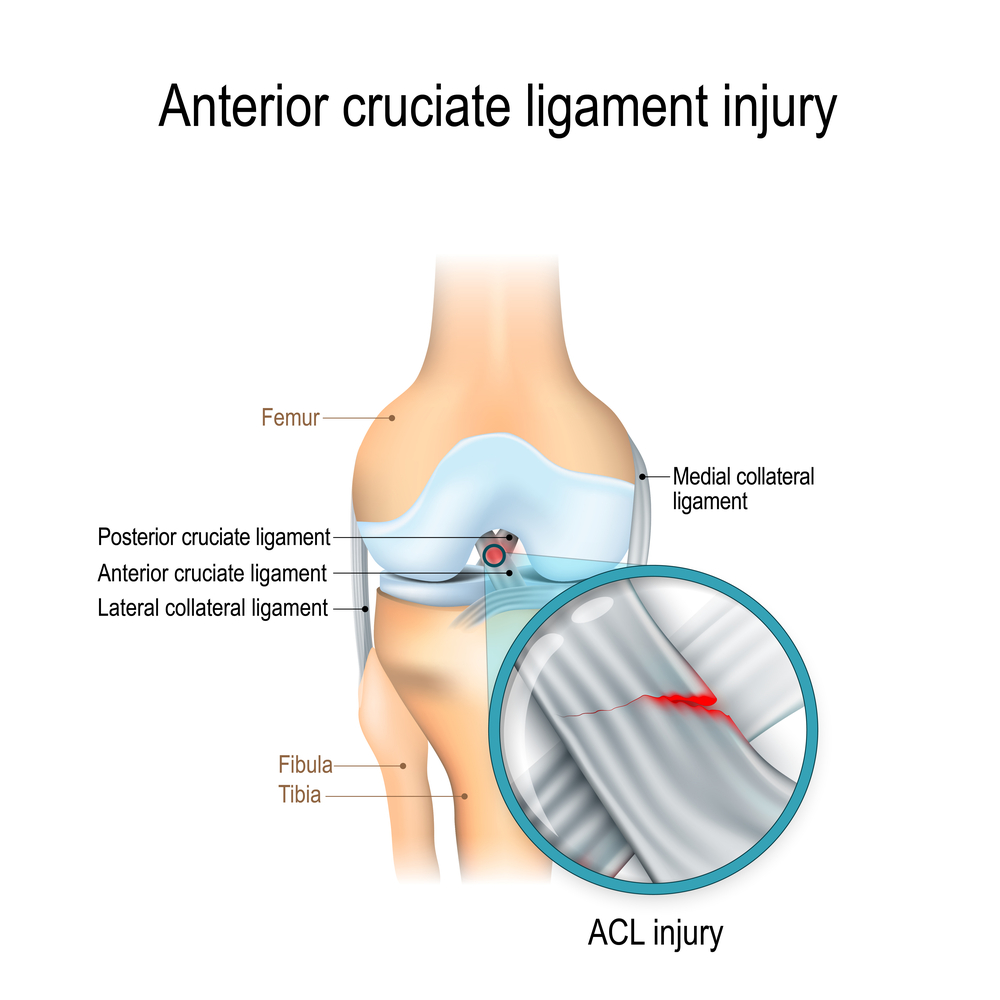
Image Source: midamericaortho.com
Deciphering Common Causes of Knee Pain After Basketball
Basketball demands a lot from your knees. The constant jumping, landing, and directional changes put immense pressure on the joint. This can lead to a variety of issues, from minor strains to more significant injuries.
Overuse and Repetitive Stress
One of the primary reasons for knee pain while playing basketball is overuse. When you play frequently without adequate rest, the tissues around your knee don’t have enough time to recover. This leads to inflammation and pain. Think of it like using a muscle too much without giving it a break – it eventually starts to protest. This is especially true for players who ramp up their training too quickly or don’t incorporate proper recovery into their basketball workout knee pain routines.
Improper Warm-up and Cool-down
Skipping a proper warm-up is a big mistake. Your muscles and joints need to be prepared for the demands of the game. A good warm-up increases blood flow, loosens your muscles, and gets your body ready for action. Similarly, a cool-down helps your body gradually return to a resting state and can prevent stiffness and soreness. Without these crucial steps, you’re more prone to strains and sprains, contributing to basketball leg pain.
Poor Biomechanics and Technique
How you move on the court matters. Incorrect jumping or landing techniques can put excessive stress on your knees. For instance, landing with your knees caving inward (a common issue called knee valgus) can significantly increase your risk of knee injuries. Similarly, improper footwork during cuts and pivots can also lead to painful knees.
Inadequate Strength and Conditioning
Basketball requires strong leg muscles, particularly your quadriceps, hamstrings, and glutes. These muscles act as shock absorbers and stabilizers for your knees. If they are weak, your knees have to bear a greater burden, increasing the likelihood of knee strain basketball experiences. A well-rounded basketball workout knee pain plan should always include strength training for these key muscle groups.
Footwear and Court Surface
The shoes you wear and the court you play on also play a role. Worn-out shoes lose their cushioning and support, making your landings harder on your knees. Playing on hard surfaces like concrete can also increase impact forces. Proper basketball shoes offer ankle support and cushioning to help absorb shock.
Common Basketball Injuries Affecting the Knees
Basketball is a contact sport, and injuries are unfortunately common. Many of these injuries directly impact the knees, leading to the pain players experience.
Ligament Injuries
The knee has several important ligaments that provide stability.
- Anterior Cruciate Ligament (ACL) Tear: This is a very common and often serious injury in basketball. It usually occurs when a player makes a sudden stop, pivots quickly, or lands awkwardly from a jump. An ACL tear often involves a “pop” sensation, followed by pain, swelling, and instability.
- Medial Collateral Ligament (MCL) Sprain: The MCL is on the inner side of the knee. It can be injured when the knee is forced inward, often from a direct blow to the outside of the knee or from a sudden twist. Pain is typically felt on the inside of the knee.
- Lateral Collateral Ligament (LCL) Sprain: The LCL is on the outer side of the knee and is less commonly injured in basketball. It can occur from a blow to the inside of the knee or a sudden twist.
Tendon Injuries
Tendons connect muscles to bones. Inflammation or tears in these can cause significant pain.
- Patellar Tendinitis (Jumper’s Knee): This is an inflammation of the patellar tendon, which connects your kneecap to your shinbone. It’s caused by repetitive stress from jumping and landing. Pain is usually felt just below the kneecap. This is a very common cause of basketball knee pain.
- Quadriceps Tendinitis: Similar to patellar tendinitis, this affects the quadriceps tendon, located just above the kneecap. Pain is felt above the kneecap.
Cartilage Damage
The knee joint is cushioned by cartilage.
- Meniscus Tear: The menisci are C-shaped pieces of cartilage that act as shock absorbers between your thighbone and shinbone. Twisting or rotating the knee while bearing weight can cause a meniscus tear. Symptoms include pain, swelling, stiffness, and a catching sensation in the knee.
- Chondromalacia Patella: This condition involves the softening and breakdown of the cartilage on the underside of the kneecap. It can cause a dull ache around or behind the kneecap, often worse with activities like squatting, running, or going up and down stairs.
Other Causes of Knee Ache Basketball
- Osgood-Schlatter Disease: While more common in adolescents, this condition causes pain and swelling below the kneecap where the patellar tendon attaches to the shinbone. It’s an inflammation of the growth plate.
- Bursitis: Inflammation of the bursae, small fluid-filled sacs that cushion the knee joint, can also cause pain and swelling.
Fathoming the Impact of Basketball Leg Pain
The term basketball leg pain can encompass discomfort beyond just the knee. However, knee pain is often the most prominent complaint due to the direct stress it absorbs. Weakness or pain in the surrounding muscles – quadriceps, hamstrings, calves, and glutes – can also contribute to or result from knee issues.
- Hamstring Strain: Tight or weak hamstrings can affect knee mechanics and contribute to knee pain.
- Quadriceps Strain: Weak or tight quadriceps muscles can also alter how your knee functions.
- Calf Pain: Tight calf muscles can affect your ankle mobility, which in turn can impact your knee.
Practical Strategies for Basketball Workout Knee Pain Management
Addressing basketball workout knee pain requires a multi-faceted approach. It’s not just about icing the knee; it’s about prevention, proper care, and targeted rehabilitation.
Prevention is Key
The best way to deal with basketball knee pain is to prevent it in the first place.
- Proper Warm-up: Always start with a dynamic warm-up. This should include light cardio (like jogging or jumping jacks) and dynamic stretches (leg swings, hip circles, walking lunges).
- Dynamic Stretching: Focus on movements that prepare your muscles for the activity. Examples include:
- Leg Swings (forward/backward and side-to-side)
- High Knees
- Butt Kicks
- Walking Lunges with Torso Twist
- Cool-down: After playing, dedicate time to static stretching. Hold each stretch for 20-30 seconds. Key stretches include:
- Quadriceps Stretch
- Hamstring Stretch
- Calf Stretch
- Hip Flexor Stretch
- Strength Training: Building strong muscles around your knees is crucial. Focus on exercises that strengthen your quadriceps, hamstrings, glutes, and calves.
- Quadriceps: Squats, lunges, leg extensions.
- Hamstrings: Hamstring curls, deadlifts (with proper form).
- Glutes: Glute bridges, squats, lunges, clamshells.
- Calves: Calf raises.
- Plyometrics (with caution): Once your muscles are strong, controlled plyometric exercises can improve your jumping and landing mechanics, but start slowly and ensure proper form.
- Proper Footwear: Wear well-fitting basketball shoes that provide good ankle support and cushioning. Replace them when they show signs of wear.
- Listen to Your Body: Don’t push through sharp or persistent pain. Rest is essential for recovery.
Immediate Care for Pain
If you experience knee pain after playing:
- R.I.C.E. Method:
- Rest: Avoid activities that aggravate your knee.
- Ice: Apply an ice pack to the painful area for 15-20 minutes every 2-3 hours.
- Compression: Use an elastic bandage to reduce swelling.
- Elevation: Keep your knee raised above your heart when resting.
- Over-the-Counter Pain Relievers: Non-steroidal anti-inflammatory drugs (NSAIDs) like ibuprofen or naproxen can help reduce pain and inflammation.
Basketball Physical Therapy: Your Pathway to Knee Recovery Basketball
When knee pain basketball becomes persistent or severe, professional help is often needed. Basketball physical therapy is a cornerstone of effective knee recovery basketball. A physical therapist can diagnose the specific cause of your pain and create a personalized treatment plan.
What to Expect from Physical Therapy
A typical basketball physical therapy program for knee pain might include:
- Manual Therapy: The therapist may use hands-on techniques to improve joint mobility and reduce muscle tightness.
- Therapeutic Exercises: This is the core of physical therapy. Exercises will be tailored to your specific condition and will aim to:
- Restore range of motion.
- Build strength in weakened muscles.
- Improve flexibility and balance.
- Enhance proprioception (your body’s awareness of its position in space), which is vital for preventing re-injury.
- Gait and Movement Analysis: The therapist will observe how you walk, run, jump, and cut to identify any biomechanical issues that might be contributing to your pain.
- Education: You’ll learn about your condition, how to manage it, and strategies for preventing future injuries.
- Return-to-Sport Progression: A carefully structured plan will guide you back to playing basketball safely, gradually increasing intensity and complexity of movements.
Specific Therapeutic Exercises
Here are some examples of exercises commonly prescribed:
Strengthening Exercises
| Exercise | Focus Muscle Group | Repetitions/Sets | Notes |
|---|---|---|---|
| Squats | Quads, Glutes | 3 sets of 10-15 | Maintain proper form; knees over toes. |
| Lunges | Quads, Glutes | 3 sets of 10-12 per leg | Keep front knee behind toes. |
| Hamstring Curls | Hamstrings | 3 sets of 12-15 | Can be done with bands or on a machine. |
| Glute Bridges | Glutes, Hamstrings | 3 sets of 15-20 | Squeeze glutes at the top. |
| Calf Raises | Calves | 3 sets of 15-20 | Can be done on flat ground or a step. |
| Wall Sits | Quads | 3 sets of 30-60 sec hold | Keep back flat against the wall. |
| Step-ups | Quads, Glutes | 3 sets of 10-15 per leg | Use a stable surface, control descent. |
Flexibility and Mobility Exercises
| Exercise | Focus Area | Hold Time (seconds) | Repetitions | Notes |
|---|---|---|---|---|
| Quad Stretch | Quadriceps | 30 | 2-3 per leg | Keep knee pointing down. |
| Hamstring Stretch | Hamstrings | 30 | 2-3 per leg | Keep back straight, hinge at hips. |
| Calf Stretch | Calves | 30 | 2-3 per leg | Keep heel on the ground. |
| Hip Flexor Stretch | Hip Flexors | 30 | 2-3 per leg | Gentle forward lunge, upright torso. |
| IT Band Stretch | IT Band/Outer Hip | 30 | 2-3 per leg | Cross one leg over the other, lean. |
Balance and Proprioception Exercises
| Exercise | Focus | Duration/Repetitions | Notes |
|---|---|---|---|
| Single Leg Stance | Balance | 30-60 sec per leg | Keep core engaged, controlled movements. |
| Single Leg Squats (Chair Assist) | Balance, Strength | 10-12 per leg | Lightly touch a chair for support. |
| Balance Board/Wobble Board | Proprioception, Stability | 2-3 min per leg | Aim for controlled, smooth movements. |
| Side-Lying Leg Raises | Hip Abductors, Stability | 15-20 per leg | Keep body straight, lift leg upwards. |
The Journey to Knee Recovery Basketball
Recovering from basketball injuries takes time, patience, and dedication. Knee recovery basketball is not just about healing; it’s about regaining full function and preventing future problems.
Gradual Return to Play
Don’t rush back onto the court. A phased return is critical:
- Pain-Free Baseline: Ensure you can perform daily activities without pain.
- Light Activity: Start with walking or very light jogging.
- Sport-Specific Drills: Gradually introduce basketball-specific movements like dribbling, passing, and shooting, ensuring they are pain-free.
- Agility and Jumping: Slowly reintroduce cutting, jumping, and landing drills, starting with low intensity and short durations.
- Full Practice: Return to full practice sessions only when you are confident in your knee’s ability to handle the demands.
- Game Play: Start with limited minutes in games and progressively increase your playing time.
Strengthening and Maintenance
Even after the pain is gone and you’ve returned to play, it’s important to maintain the strength and flexibility you gained during rehabilitation. Continue with your strengthening exercises, flexibility routines, and balance drills. This proactive approach is key to long-term knee recovery basketball.
Frequently Asked Questions (FAQ)
Q1: Can I play basketball with knee pain?
A1: It depends on the severity of the pain. If the pain is mild and you can perform activities without it worsening, you might be able to play with modifications. However, if you experience sharp, sudden, or persistent pain, it’s best to rest and consult a healthcare professional or physical therapist. Playing through significant pain can worsen the injury.
Q2: How long does it take to recover from basketball knee pain?
A2: Recovery time varies greatly depending on the specific injury, its severity, and how quickly you seek treatment. Minor strains or tendinitis might improve within a few weeks with rest and home care. More serious injuries, like ACL tears, can require many months of rehabilitation and surgery. A physical therapist can provide a more accurate timeline based on your individual condition.
Q3: What are the most common knee injuries in basketball?
A3: The most common knee injuries in basketball include ACL tears, meniscus tears, patellar tendinitis (jumper’s knee), and MCL sprains. These are often caused by the dynamic movements involved in the sport, such as jumping, landing, and quick changes in direction.
Q4: How can I prevent knee pain after playing basketball?
A4: Prevention strategies include warming up properly before playing, cooling down afterward with stretching, strengthening the muscles around your knees (quadriceps, hamstrings, glutes), improving your jumping and landing mechanics, wearing appropriate footwear, and listening to your body to avoid overexertion.
Q5: When should I see a doctor for knee pain?
A5: You should see a doctor if you experience severe pain, significant swelling, inability to bear weight on the leg, a popping sensation at the time of injury, instability in the knee, or if your knee pain doesn’t improve with rest and home care after a week or two.
By focusing on prevention, proper conditioning, and seeking professional help when needed, you can significantly reduce your risk of basketball knee pain and enjoy the game for longer.