
Basketball players wipe their shoes to improve their grip and traction on the court. This simple action is crucial for maintaining balance, preventing slips, and executing explosive movements that define the game.
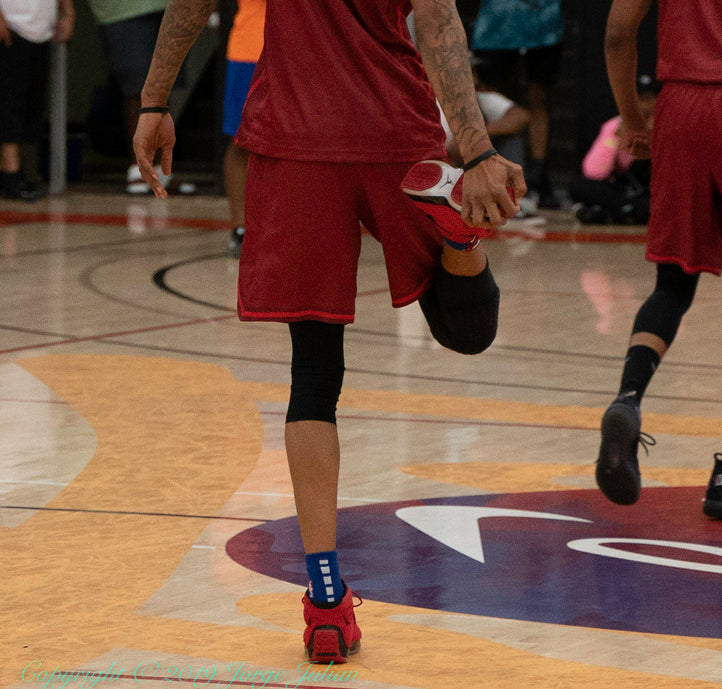
Image Source: gripspritz.com
The Critical Role of Traction in Basketball
Basketball is a sport of quick cuts, sharp turns, and powerful leaps. Every player, from the rookie to the seasoned veteran, relies heavily on the connection between their footwear and the court surface. This connection, known as traction, is the foundation of their ability to move effectively. Without sufficient grip, players are vulnerable to falls, missed shots, and an overall decrease in performance.
The Invisible Obstacles: What Reduces Shoe Grip?
Several factors can compromise the grip of a basketball player’s shoes. These are the invisible enemies that players are constantly battling:
- Dust and Debris: The hardwood court can accumulate a fine layer of dust from various sources, including the shoes themselves. This dust acts as a barrier between the rubber sole and the court surface, significantly reducing friction.
- Sweat: Players sweat. A lot. As sweat drips from their feet, it can seep into the shoes and, more importantly, onto the sole of the shoe. Moisture on the sole is a major enemy of traction, making the shoe slippery.
- Oils and Resins: The finish on a basketball court often contains oils and resins that can transfer to the soles of shoes. While some finishes are designed to be slightly sticky, the buildup of foreign oils can have the opposite effect.
- Player-Generated Residue: Over time, the rubber of basketball shoes can break down slightly, leaving a residue on the court. This residue, combined with dirt and sweat, creates a slick surface.
The Science Behind the Squeak: More Than Just a Sound
Many people associate the characteristic squeak of basketball shoes with good traction. While it’s not a perfect indicator, the squeak is often a sign that the rubber sole is making firm contact with the court surface. This contact is what allows for the grip needed for quick movements. When the squeak disappears, it often means the sole has become contaminated with dust, sweat, or other slippery substances. This is why players instinctively wipe their shoes when the squeak diminishes or when they feel their footwear losing its hold.
Why Wiping is Essential for Performance
Imagine a player trying to drive to the basket for a layup. They plant their foot to change direction, push off with immense force, and then elevate. If their shoe slid even slightly during that crucial push-off, the entire play could be compromised. They might stumble, lose balance, or fail to get the height needed for the shot. This is where the simple act of wiping comes into play.
- Maintaining Agility: Quick changes of direction are fundamental to basketball. Good traction allows players to pivot, cut, and accelerate without their footwear sliding.
- Preventing Injuries: A loss of traction can lead to sprained ankles and other injuries. By ensuring a sticky grip, players reduce the risk of their feet sliding out from under them.
- Maximizing Explosiveness: The power behind a jump shot, a dunk, or a fast break all starts with the player’s ability to push off the court effectively. Optimal grip ensures that this energy transfer is as efficient as possible.
- Ball Control: Even dribbling requires a stable base. Players need to be grounded to maintain control of the ball, especially under pressure.
The Tools of the Trade: What Do Players Use to Wipe Their Shoes?
Players have several methods and tools for keeping their soles clean and sticky:
- The Shoe Brush: Many players carry a small brush, often with stiff bristles, designed to dislodge larger debris from the treads of their shoes. This is often the first step in cleaning the sole.
- The Towel/Rag: A simple towel or rag is the most common tool. Players will use this to wipe away accumulated dust, sweat, and moisture from the sole. Some players have specific towels dedicated solely to wiping their shoes.
- The Designated “Grip Socks” or Mats: While not directly for wiping shoes, some arenas or training facilities have designated mats or a slightly sticky surface near the sidelines. Players can step on these to help clean and refresh the grip of their shoes before returning to the court.
- Water (Used Sparingly): In some cases, a very small amount of water might be used to dislodge stubborn dirt, but this is done cautiously. Too much moisture can be detrimental to grip.
Player Habits and Routines
The act of wiping shoes is so ingrained in basketball culture that it’s a consistent visual cue during games.
- During Stoppages: Players often wipe their shoes during timeouts, free throws, or any other break in the action.
- Before Offensive/Defensive Possessions: A quick wipe before initiating a drive, setting a screen, or guarding an opponent is common.
- Post-Jump Ball: After the initial tip-off, many players will take a moment to wipe their shoes, especially if the court is particularly dusty.
- After a Significant Play: A player who has just made a diving save for a loose ball or made a series of aggressive moves might pause for a quick shoe wipe.
Deciphering the Different Types of Court Surfaces
The type of court surface can also influence how often and how effectively players need to wipe their shoes.
Hardwood Courts
These are the traditional surfaces for professional and collegiate basketball. High-quality hardwood courts are typically finished with a polyurethane coating that provides a good balance of durability and grip. However, this finish can also become slick when contaminated with dust and moisture. The squeak is most prominent on these surfaces.
Indoor Synthetic Courts
Made from materials like rubber or vinyl, these courts are increasingly popular in gyms and recreational facilities. They often offer excellent traction and are less susceptible to becoming slick from moisture compared to hardwood. However, they can still accumulate dust and require cleaning.
Outdoor Courts
Asphalt and concrete courts are common for streetball and outdoor play. These surfaces are generally rougher and can provide good grip even when dirty. However, they also wear down shoe soles more quickly and can be affected by rain, dirt, and sand. Wiping is still important, but the composition of the debris might differ.
The Psychology of the Wipe: Confidence and Control
Beyond the physical necessity, the act of wiping shoes has a psychological component for players.
- Restoring Confidence: When a player feels their footwear is losing traction, it can chip away at their confidence. A quick wipe helps them feel reconnected to the court, restoring their sense of control and trust in their ability to move explosively.
- Ritualistic Behavior: For many athletes, certain pre-game or in-game routines become rituals that help them focus and prepare. The shoe wipe can be part of this mental preparation, signaling a readiness to perform.
- Maintaining Flow: In a fast-paced game, any interruption to a player’s flow can be detrimental. Being able to quickly address a traction issue allows them to seamlessly transition back into their offensive or defensive rhythm.
The Bottom Line: Why the Wipe Persists
The simple act of wiping basketball shoes is a testament to the importance of grip and traction in the sport. It’s a habit born out of necessity, refined by experience, and crucial for optimal performance, injury prevention, and maintaining a competitive edge. From the professional arenas to the local park, you’ll see players bending down, rag in hand, ensuring their footwear is ready for the next play. This small action is a vital part of the intricate dance that is basketball, allowing players to execute with precision, power, and confidence.
Frequently Asked Questions (FAQ)
Q1: Do all basketball players wipe their shoes?
Yes, virtually all basketball players at competitive levels wipe their shoes. It’s a fundamental practice to maintain grip and traction on the court.
Q2: What is the best way for a player to clean their basketball shoes?
The best way involves regular cleaning. Players typically use a brush to remove loose debris and a towel to wipe away dust, sweat, and moisture from the soles. Drying them thoroughly after play is also important.
Q3: Can I improve my basketball shoes’ grip without wiping them?
While regular cleaning and ensuring the soles are in good condition are key, wiping is the most immediate way to restore traction during a game. Certain shoe cleaners and treatments are available, but they are generally not used during gameplay.
Q4: Why does the floor sometimes feel sticky even after players wipe their shoes?
This can happen if the court has a buildup of residue from shoe soles, body oils, or certain cleaning products. Sometimes the player’s shoes themselves might have an overly sticky compound that leaves more residue.
Q5: How often should a basketball player wipe their shoes?
Players typically wipe their shoes whenever they feel their grip diminishing, often several times during a game, especially after making quick cuts or stops, or during any stoppage in play.
Q6: Does the “squeak” of basketball shoes always mean good traction?
The squeak generally indicates good contact between the shoe sole and the court, which is associated with good traction. However, a lack of squeak doesn’t always mean no grip; it just means the conditions for that specific sound aren’t present, which could be due to a lack of dust or the type of court finish.
Q7: What happens if a basketball player doesn’t wipe their shoes?
They risk losing traction, which can lead to sliding, loss of balance, reduced performance, and an increased chance of injury. Their ability to make sharp cuts, jump effectively, and change direction quickly will be compromised.