
Do basketball players wear rubber bands on their knees for support, or is it just a trend? The truth is, while some players might use them for a variety of reasons, including perceived knee support, they are not a substitute for proper knee braces or knee compression sleeves for significant issues. The practice is often more about personal preference or addressing minor discomfort rather than a universally recommended method for knee injury prevention.
Basketball is a game of explosive movements. Players jump, pivot, and cut constantly. These actions put immense stress on their knees. It’s no wonder athletes are always looking for ways to protect this vital joint and enhance their sports performance. Many people observe basketball players with what appear to be rubber bands around their knees. This visual cue sparks curiosity: what are these bands, and why are they there?
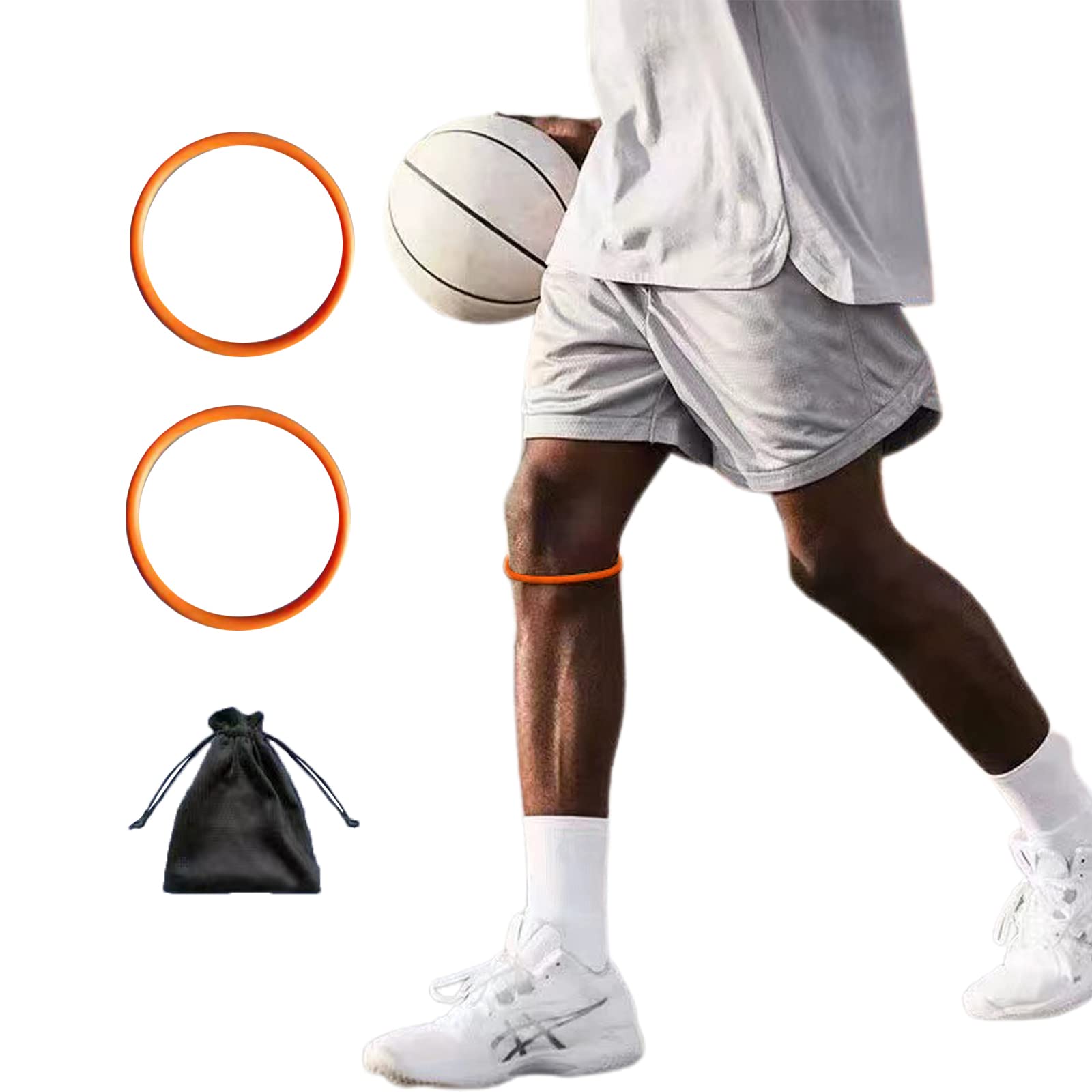
Image Source: m.media-amazon.com
Deciphering the Rubber Band Phenomenon
The term “rubber bands” is often used colloquially. In reality, what we often see are specialized athletic straps or bands designed for targeted pressure. These are not your average office supplies. They are engineered to provide specific benefits, though the extent of those benefits can vary from player to player and the specific design of the band.
Common Misconceptions
A common misconception is that these bands are a universal solution for knee pain. While they might offer some relief for certain conditions, they are not a one-size-fits-all remedy. Many players use them as an adjunct to other forms of support or as a personal preference.
The Real Deal: Athletic Knee Straps
What many people refer to as “rubber bands” are typically athletic knee straps. These are specifically designed to target specific areas of the knee, most commonly the patellar tendon. They are usually made of a durable, elastic material and feature a buckle or Velcro closure to adjust the tightness.
The Science Behind the Support: What Are They Trying to Achieve?
The primary goal of wearing these athletic knee straps is to alleviate pressure and provide support to specific structures within the knee. This is particularly relevant for conditions that affect the patellar tendon.
Targeting the Patellar Tendon
The patellar tendon connects the kneecap (patella) to the shinbone (tibia). It plays a crucial role in extending the knee. When this tendon becomes inflamed or irritated, it can lead to a painful condition known as patellar tendonitis, often referred to as jumper’s knee.
How Straps Help Patellar Tendonitis
Athletic knee straps work by applying direct pressure to the patellar tendon, just below the kneecap. This pressure can:
- Redistribute Forces: By compressing the tendon, the strap helps to spread the load across a wider area, reducing the concentrated stress on the inflamed spot.
- Alter Tendon Mechanics: Some theories suggest that the strap might slightly change the angle at which the tendon pulls, thereby reducing irritation during movement.
- Provide Proprioceptive Feedback: The sensation of the strap on the skin can increase awareness of the knee’s position and movement, potentially leading to more controlled actions.
Jumper’s Knee: A Common Culprit
Jumper’s knee is an overuse injury very common in sports like basketball, where jumping is a fundamental action. The repetitive impact and strain on the patellar tendon can lead to micro-tears and inflammation. Athletic knee straps are often recommended as a conservative treatment approach for this condition, alongside rest, ice, and physical therapy.
Beyond Patellar Tendonitis: Other Potential Benefits
While patellar tendonitis is the most common reason for using these straps, some athletes may find them beneficial for other minor knee discomforts:
- Mild Patellofemoral Pain: Pain around or behind the kneecap might experience some relief due to subtle changes in tracking or pressure distribution.
- General Knee Stability (Perceived): Some players might feel a greater sense of knee stability and confidence with the added compression, even if the actual mechanical support is minimal compared to a full brace.
Comparing Straps to Other Knee Support Options
It’s important to distinguish athletic knee straps from other common forms of knee support. Each serves a different purpose and offers varying levels of protection.
Knee Compression Sleeves
Knee compression sleeves are fabric tubes that slip over the knee. They provide:
- General Compression: This helps to reduce swelling and improve blood circulation.
- Proprioception: Similar to straps, the snug fit can enhance the body’s awareness of the knee’s position.
- Warmth: Keeping the knee warm can improve flexibility and reduce stiffness.
While beneficial for mild swelling or general warmth, knee compression sleeves do not offer targeted pressure on the patellar tendon in the same way that straps do. They provide a more uniform compression around the entire knee joint.
Basketball Knee Braces
Basketball knee braces are more substantial and designed for more significant knee issues. They can range from:
- Hinged Braces: These offer substantial support and limit range of motion, often used after ligament tears or for severe instability.
- Patella Stabilizing Braces: These have cutouts or buttresses to help keep the kneecap in proper alignment.
- Sleeved Braces with Straps: Some designs combine the compression of a sleeve with additional straps for targeted support.
Basketball knee braces offer a higher level of knee support and are often recommended by medical professionals for more serious conditions or after surgery. They are generally bulkier and can affect a player’s agility more than simple straps or sleeves.
The Role of Straps in Knee Injury Prevention
While athletic knee straps are primarily used for managing existing pain, they can indirectly contribute to knee injury prevention. By reducing pain and improving comfort during play, they might allow athletes to maintain better biomechanics and avoid compensatory movements that could lead to further injury. However, they are not a primary preventative tool against major injuries like ligament tears.
When to Consider Using Athletic Knee Straps
The decision to use athletic knee straps should be based on individual needs and symptoms.
Identifying the Need: Symptoms to Watch For
If you experience pain or discomfort during or after activities like jumping, running, or landing, particularly in the area just below your kneecap, it might indicate patellar tendonitis.
Signs and Symptoms of Patellar Tendonitis:
- Pain at the front of your knee, below the kneecap.
- Pain that worsens with jumping, running, or squatting.
- Tenderness when you press on the patellar tendon.
- Stiffness in the knee.
Who Benefits Most?
- Basketball players with jumper’s knee.
- Athletes in other sports involving a lot of jumping and explosive leg movements (volleyball, track and field).
- Individuals experiencing mild anterior knee pain related to overuse.
How to Properly Wear Athletic Knee Straps
Correct application is key to maximizing the benefits and avoiding potential issues.
Placement is Crucial
The strap should be positioned directly on the patellar tendon, approximately one inch below the kneecap.
Adjusting for Comfort and Effectiveness
- Snug, Not Tight: The strap should feel snug and apply noticeable pressure, but it should not cut off circulation or cause numbness.
- Experimentation: Players may need to experiment with the exact placement and tightness to find what works best for them.
- Listen to Your Body: If the strap causes increased pain or discomfort, it’s likely not positioned correctly or is too tight.
The Impact on Sports Performance
When used effectively, athletic knee straps can help players manage pain, allowing them to perform at their best. By reducing discomfort associated with patellar tendonitis, players can focus more on their game rather than their pain. This can translate to improved agility, power, and endurance, contributing positively to overall sports performance.
Are They Always Necessary?
It’s important to note that not every basketball player needs athletic knee straps, knee compression sleeves, or basketball knee braces. Many players have inherently strong knees and excellent biomechanics that allow them to play without any external support.
Factors Influencing Knee Health:
- Genetics: Some individuals are naturally more prone to certain joint issues.
- Training: Proper conditioning, strength training, and flexibility exercises are crucial for knee health.
- Technique: Good jumping and landing mechanics can significantly reduce stress on the knees.
- Footwear: Supportive basketball shoes are essential for shock absorption and stability.
When to Seek Professional Advice
If you are experiencing persistent knee pain, it’s crucial to consult a medical professional, such as a doctor or a physical therapist. They can diagnose the exact cause of your pain and recommend the most appropriate treatment plan, which may or may not include specific types of knee support.
Frequently Asked Questions (FAQ)
Q1: Can wearing rubber bands on my knees actually hurt me?
A1: If you are referring to actual rubber bands, yes, they can restrict circulation and cause discomfort if too tight. If you mean athletic knee straps, improper placement or excessive tightness can cause irritation, but generally, they are safe when used correctly. Always follow manufacturer instructions and listen to your body.
Q2: Are these straps a cure for jumper’s knee?
A2: Athletic knee straps are not a cure but a management tool for jumper’s knee. They help reduce pain and allow for continued activity by redistributing forces on the patellar tendon. A comprehensive treatment plan, including rest, rehabilitation exercises, and proper form, is necessary for recovery.
Q3: How often should I wear knee straps?
A3: It’s generally recommended to wear them during activities that aggravate your knee pain. For many athletes, this means during practices and games. It’s best to remove them when resting or sleeping to allow your skin and the underlying tissues to recover.
Q4: Can I wear knee sleeves and knee straps at the same time?
A4: Yes, some players find that wearing a knee compression sleeve underneath an athletic knee strap provides a combination of general compression and targeted pressure. This can be beneficial for some individuals, but it’s important to ensure the combination doesn’t restrict circulation or cause discomfort.
Q5: Do these straps improve my vertical jump?
A5: While reducing pain can lead to improved performance, athletic knee straps do not directly increase your jumping ability. Their primary function is pain management and support. Any perceived improvement in jumping is likely due to being able to train and perform without the hindrance of pain.
Q6: What’s the difference between a knee strap and a calf strap?
A6: A knee strap is worn on the patellar tendon just below the kneecap for conditions like jumper’s knee. A calf strap, often referred to as a gastrocnemius strap, is worn on the calf muscle, just below the knee, to help manage pain associated with conditions like the “banana split” or calf strains.
Conclusion
The seemingly simple “rubber bands” worn by basketball players are, more accurately, athletic knee straps. These are designed to provide targeted pressure to the patellar tendon, offering knee pain relief and support, particularly for those suffering from patellar tendonitis or jumper’s knee. While they can be an effective part of managing knee discomfort and indirectly aid in knee injury prevention by allowing athletes to play with less pain, they are not a substitute for proper medical evaluation and treatment.
For more significant knee issues or a greater need for knee stability, players might opt for basketball knee braces or knee compression sleeves. Ultimately, the choice of knee support depends on the individual’s specific needs, the nature of their pain, and advice from healthcare professionals. The goal is always to enhance sports performance while prioritizing the long-term health of the knee joint.