
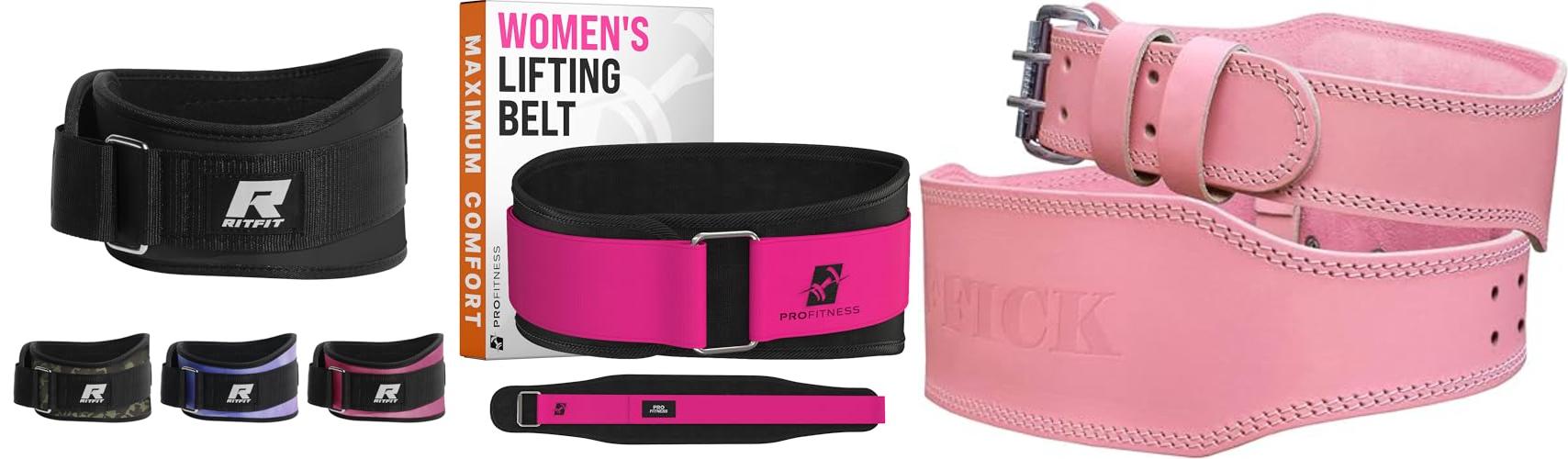
Ever seen those strong athletes lifting heavy weights and wondered how they do it safely? A big part of their success often comes from using the right gear, and for many women, that includes a weight lifting belt. But when you start looking for one, it can feel a little confusing. So many belts look the same, and it’s hard to know which one will actually help you lift better and keep you safe.
Choosing the right weight lifting belt isn’t just about picking the prettiest one. It’s about finding something that fits your body, supports your core, and helps you push your limits without getting hurt. Many women worry about finding a belt that’s too bulky, too stiff, or just doesn’t feel right. This can make you feel unsure about lifting heavier weights, and that’s a real bummer when you’re trying to get stronger.
Don’t worry, though! In this post, we’ll break down exactly what makes a great weight lifting belt for women. We’ll talk about the important features to look for, what different types of belts are best for, and how to make sure you pick the perfect one for your lifting journey. Get ready to feel more confident and powerful in your next workout!
Our Top 5 Weight Lifting Belt For Women Recommendations at a Glance
Top 5 Weight Lifting Belt For Women Detailed Reviews
1. RitFit Weight Lifting Belt – Great for Squats

Rating: 9.1/10
The RitFit Weight Lifting Belt in Black/Camouflage is your new best friend for serious strength training. Designed for both men and women, this 6-inch belt gives you the support you need for big lifts like squats, deadlifts, and lunges. It helps keep your back and core strong, so you can push your limits safely and confidently.
What We Like:
- Super Supportive & Versatile: The 6-inch width offers great back, abs, and core support. It helps prevent injuries during heavy lifting and works well for many exercises.
- Extremely Comfortable & Durable: Made from tough, reinforced material, this belt feels good and stays in place without digging in. It’s built to last through many tough workouts.
- Workout with Confidence: This belt helps you build core stability, letting you lift more weight safely. Many users see an average increase of 10% in how much they can lift!
- Quick & Easy to Adjust: The strong velcro and stainless steel buckle make it simple to get the perfect fit. You can adjust it quickly during your workout.
- Satisfaction Guarantee: RitFit believes in their product. If your belt has any issues, they will replace it.
What Could Be Improved:
- While the sizing guide is provided, some users might find it takes a little trial and error to find their absolute perfect fit.
- The “average increase of 10% in weight lifted” is a general claim and individual results will vary based on many factors.
This RitFit belt is a solid choice for anyone looking to improve their lifting performance and safety. It offers excellent support and durability for a confident and powerful workout.
2. Weight Lifting Belt for Women – Gym Belt for Men Weight Lifting Workout Belt for Women – Gym Waist Belt for Women – Back Support Weight Lifting Belt Women for Powerlifting (Black/Pink

Rating: 9.0/10
The ProFitness Weight Lifting Belt for Women in Black/Pink (Small) is designed to give you the support you need during your workouts. It helps you lift better and protects your back. This belt is made for women who want to get stronger and lift safely.
What We Like:
- It helps you keep good form when you lift weights.
- It gives your lower back and belly muscles strong support.
- This belt reduces the chance of hurting your back.
- It’s made to fit a woman’s body well, with a stylish design.
- The belt is 4 inches wide in the back, which feels good.
- It helps you stay stable and lift more.
- The belt is made from strong materials that last a long time.
- It has 20mm of padding for comfort.
- You can use it for many different exercises, not just squats.
- The company promises good quality and is there to help if you have a problem.
What Could Be Improved:
- It is only available in one size (Small) which limits options for some users.
- The 4-inch uniform profile might feel less supportive for those needing more targeted back support.
This belt is a fantastic choice for women looking to lift with more confidence and safety. It’s a durable and stylish option that supports your fitness goals.
3. Jaffick Weight Lifting Belt For Ladies (4″ Wide) – 100% Pink Leather Gym Belts Lower Waist Back Support For Women Men Fitness Squat Deadlift Heavy Duty Cross Training Gym Powerlifting Workout

Rating: 8.9/10
Looking for a weightlifting belt that’s both functional and fashionable? The Jaffick Weight Lifting Belt for Ladies is a standout choice for women who want serious back support without sacrificing style. This 4-inch wide belt comes in a gorgeous pink and is designed with female hips in mind, offering excellent lumbar support for all your heavy lifting needs.
What We Like:
- Specially designed for female body shapes with a comfortable 4-1/6″ width in the back.
- Generous 20mm padded lumbar support for maximum comfort and posture.
- Made from 100% genuine buffalo hide leather, it’s soft yet incredibly sturdy.
- Reinforced stitching and a high-quality steel roller buckle with twin prongs ensure durability and prevent slipping.
- Easy to adjust with 10 precision-drilled holes for a perfect, customized fit.
- An extra leather flap in the front adds abdominal support and comfort.
- Versatile for squats, deadlifts, cross-training, and even outdoor chores.
- The vibrant pink color makes it a stylish addition to your gym gear.
What Could Be Improved:
- Sizing is crucial; you MUST measure your true waist size, not your pant size, which can be confusing for some.
- While designed for women, the description also mentions it’s for men, which might dilute its “designed for female hips” appeal for some buyers.
The Jaffick weightlifting belt offers a fantastic blend of support, comfort, and style. Just be sure to measure carefully to get the perfect fit for your workouts.
4. Self-Locking Weight Lifting Belt – Premium Weightlifting Belt for Serious Functional Fitness

Rating: 9.0/10
The Element 26 Self-Locking Weight Lifting Belt in Black (Small, 26″-30″) is designed for athletes who take their functional fitness, powerlifting, and Olympic lifting seriously. This belt aims to provide superior support and stability during your heaviest lifts, ensuring you can focus on performance without worry.
What We Like:
- The self-locking buckle offers secure and reliable support that won’t slip or wear down, reducing the risk of injury.
- Its simple, functional design with a uniform 4-inch profile is proven effective for creating consistent intra-abdominal pressure and stability.
- This belt is competition approved for Olympic lifting and functional fitness events, so you can buy with confidence for training and competition.
- It’s built for ultimate performance using premium nylon and a full metal self-locking buckle, without unnecessary padding that can affect pressure distribution.
- The self-locking mechanism is easy to use, releasing quickly when you need to, but staying locked during intense lifts.
What Could Be Improved:
- The 4-inch uniform profile, while effective for pressure, might not be preferred by individuals who prefer a contoured belt for comfort during non-lifting activities.
- As a premium product, the price point may be higher than some basic lifting belts.
This belt offers a secure and effective solution for athletes demanding the best. It’s a smart investment for anyone looking to enhance their lifting performance and safety.
5. 9 mm Leather Weight Lifting Belt for Men and Women with 4 Inches Wide Padded for Weightlifting Deadlift

Rating: 9.2/10
Level up your workouts with this 9mm Purple Leather Weight Lifting Belt. It’s designed for both men and women and offers fantastic support for your back during heavy lifts like deadlifts, squats, and powerlifting. The 4-inch wide padded design makes it comfortable to wear, even during intense cross-training sessions.
What We Like:
- It’s made of super strong, high-quality leather that won’t break or tear easily.
- The 4-inch width and 9mm thickness give excellent back support to prevent pain and injury.
- It has a soft sponge pad inside for extra comfort against your skin.
- Adjusting the belt is super quick and easy with 10 rows of holes and strong stainless steel rivets.
- The belt feels soft and flexible, so it won’t rub or damage your skin.
- It comes in a cool purple color and a size Small (S) for waists from 27.2 to 32.3 inches.
What Could Be Improved:
- You really need to check the sizing chart carefully in the pictures to make sure you get the right fit.
- While it’s durable, for extremely heavy powerlifters, a slightly thicker belt might be preferred by some.
This weightlifting belt is a solid choice for anyone serious about improving their lifting form and safety. It offers great support and comfort, making your workouts more effective.
Choosing the Right Weight Lifting Belt for Women: Your Guide to a Stronger Lift
Are you ready to take your weightlifting to the next level? A good weightlifting belt can be a game-changer, offering support and stability for those heavy lifts. But with so many options, how do you pick the right one? This guide will help you find the perfect belt for your needs.
Key Features to Look For
When you’re shopping for a weightlifting belt, keep these important features in mind.
1. Width and Thickness
Belts come in different widths. A wider belt, typically 4 inches, offers more support across your midsection. Thicker belts (around 10mm) provide more rigid support, which is great for heavy squats and deadlifts. Some women prefer slightly narrower belts, like 3 inches, for comfort during exercises that involve more bending.
2. Closure System
The way the belt fastens is crucial.
- Velcro: These are easy to adjust on the fly and very popular. They offer a secure fit.
- Buckles: Single or double prong buckles offer a very strong and consistent tightness. They are durable but can be a bit slower to adjust.
3. Material and Durability
The material of the belt directly impacts its lifespan and effectiveness.
Important Materials
The materials used in weightlifting belts are key to their performance and comfort.
- Neoprene: This is a synthetic rubber. It’s flexible and comfortable, making it a good choice for beginners or those who do a variety of exercises. It also offers some support.
- Nylon: Nylon belts are lightweight and often very adjustable thanks to Velcro closures. They are a good option for general fitness and lighter lifting.
- Leather: This is the classic material for serious lifters. Genuine leather belts are very durable and offer excellent support. They tend to be stiffer at first but break in over time. Suede lining is often added for comfort.
Factors That Improve or Reduce Quality
Not all belts are created equal. Here’s what makes a belt great and what to watch out for.
What Makes a Belt Better:
- Good Stitching: Strong, even stitching means the belt won’t fall apart under pressure.
- Ergonomic Shape: A belt that is slightly contoured to fit the curve of your back offers better comfort and support.
- Reinforced Edges: Well-finished edges prevent the belt from digging into your skin.
What Can Reduce Quality:
- Cheap Materials: Thin, flimsy materials won’t provide adequate support and will wear out quickly.
- Poor Construction: Loose threads or weak seams are a sign of a poorly made belt.
- Inconsistent Sizing: If the sizing chart is off, you might end up with a belt that doesn’t fit properly.
User Experience and Use Cases
How you use the belt and your personal experience matter.
When to Use Your Belt:
A weightlifting belt is most beneficial for compound exercises that put significant stress on your core. This includes:
- Squats
- Deadlifts
- Overhead Presses
- Olympic Lifts (Snatch, Clean & Jerk)
It helps you brace your core, which increases intra-abdominal pressure. This pressure acts like a natural corset, stabilizing your spine.
Who Benefits Most:
Beginners can start with lighter, more flexible belts like neoprene or nylon to learn proper bracing. Experienced lifters often choose thicker, stiffer leather belts for maximum support during heavy lifting.
Comfort is Key:
A belt that is too stiff, too wide, or digs into your skin can be distracting and uncomfortable. Always try to find a belt that feels good while still offering the support you need.
Frequently Asked Questions (FAQ) About Weight Lifting Belts for Women
Q1: Do women really need a weightlifting belt?
A1: Yes, women can benefit greatly from a weightlifting belt, especially for heavy compound lifts. It helps protect your spine and improve your lifting form.
Q2: What’s the difference between a men’s and women’s weightlifting belt?
A2: Women’s belts are often slightly narrower in the front to accommodate the natural curve of the female torso and may have more color options.
Q3: How tight should my weightlifting belt be?
A3: It should be snug enough to brace against, but not so tight that it restricts your breathing or movement. You should be able to take a deep breath and brace your core against it.
Q4: Can I wear a weightlifting belt for every exercise?
A4: No, it’s best to use a belt for heavy compound lifts. For lighter weights or isolation exercises, it’s not necessary and can sometimes hinder muscle activation.
Q5: How do I choose the right size?
A5: Measure your waist where the belt will sit (usually around your belly button) and check the manufacturer’s sizing chart. It’s important to get a size that fits snugly but comfortably.
Q6: Will a belt make me stronger?
A6: A belt doesn’t magically add strength, but it allows you to lift heavier by providing stability and confidence. It helps you lift more safely and effectively.
Q7: Are Velcro or buckle belts better?
A7: Both have their pros. Velcro is quick and easy to adjust. Buckles offer a very consistent and strong tightness. It often comes down to personal preference.
Q8: How long do weightlifting belts last?
A8: A good quality belt, especially leather ones, can last for many years with proper care. Nylon and neoprene belts might need replacement sooner with heavy use.
Q9: What if my belt feels uncomfortable?
A9: Make sure it’s the right size and adjusted correctly. If it’s a leather belt, it might need some time to break in. Some materials are naturally more flexible and comfortable.
Q10: Can I use a fitness belt instead of a weightlifting belt?
A10: Fitness belts are usually much thinner and offer less support. For serious weightlifting, a dedicated weightlifting belt is highly recommended for proper spinal support.
In conclusion, every product has unique features and benefits. We hope this review helps you decide if it meets your needs. An informed choice ensures the best experience.
If you have any questions or feedback, please share them in the comments. Your input helps everyone. Thank you for reading.