
Ever had a leaky pipe or a wobbly connection? It’s frustrating, right? Often, the culprit isn’t a broken part, but a simple oversight in sealing the threads. Choosing the right thread sealant might seem small, but it’s a big deal for making sure your projects stay strong and leak-free.
The world of thread sealants can feel like a maze. You’ve got tapes, pastes, and liquids, each promising the best seal. But which one is actually right for your job? Picking the wrong one can lead to leaks, wasted materials, and even a damaged project. We’ve all been there, staring at a shelf full of options and wondering, “What do I do?”
This post is here to clear up the confusion. We’ll break down the different types of thread sealants, explain what they’re best for, and give you the inside scoop on how to pick the perfect one for your needs. By the end, you’ll feel confident in your choice, ready to tackle any project with a secure and reliable seal.
Our Top 5 Thread Sealant Recommendations at a Glance
Top 5 Thread Sealant Detailed Reviews
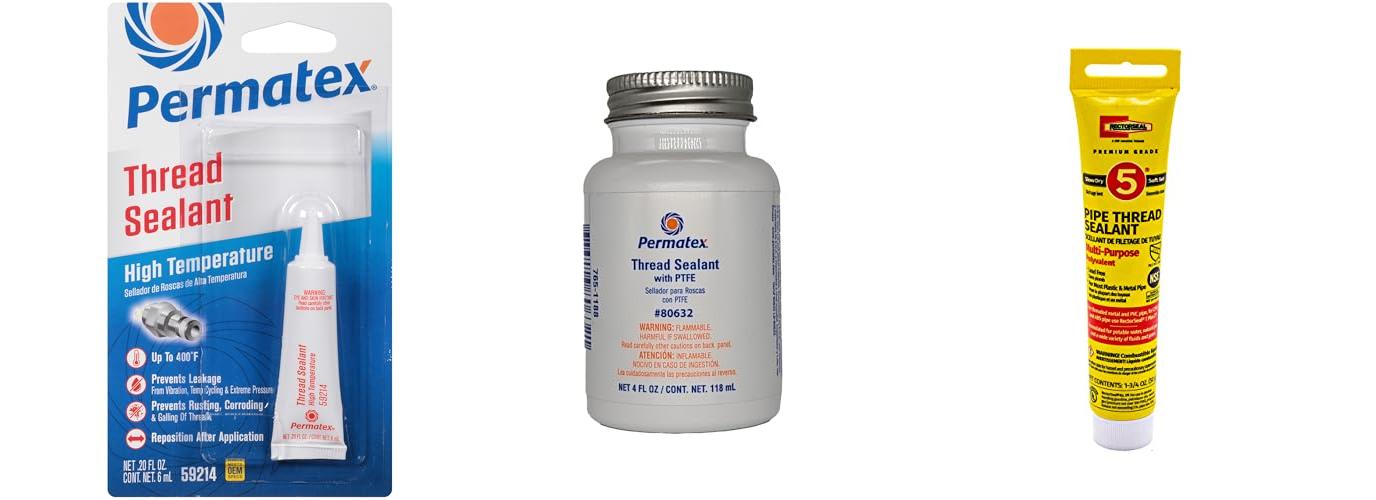
1. Permatex 59214 High Temperature Thread Sealant

Rating: 8.7/10
The Permatex 59214 High Temperature Thread Sealant is a go-to solution for anyone tackling automotive repairs. This small but mighty tube packs a punch, locking and sealing threaded fittings to prevent leaks. It’s designed to handle tough conditions, resisting everything from vibration to harsh fluids like diesel and hydraulic oil. Plus, it makes putting things together and taking them apart much easier.
What We Like:
- It effectively locks and seals threaded parts, keeping things tight.
- It stops leaks caused by vibration, moisture, and tough fluids.
- It makes assembling and disassembling parts smoother because it lubricates the threads.
- You can adjust parts for up to 4 hours after applying it, which is super helpful.
- It’s perfect for a wide range of jobs, like head bolts, oil sensors, fuel lines, and brake fittings.
What Could Be Improved:
- The 6ml tube size might be a bit small for larger projects or frequent use.
- It’s a specialized product, so it might not be something everyone needs to keep on hand.
This thread sealant is a reliable helper for many common automotive tasks. It offers peace of mind by ensuring secure and leak-free connections.
2. Permatex 80632 Thread Sealant with PTFE

Rating: 8.5/10
The Permatex 80632 Thread Sealant with PTFE is a great choice for many jobs. It’s a white, general-purpose sealant that works well for sealing threads in different systems. This product is designed to be economical, making it a smart buy for DIYers and professionals alike. It’s a versatile sealant that can handle a variety of applications.
What We Like:
- It’s an economical choice for sealing threads.
- It works better than tapes and pipe dopes.
- It seals and holds up to pressure in systems like air, oil, diesel fuel, and hydraulics.
- It stays flexible in both hot and cold temperatures.
- It’s great for air conditioning fittings, temperature sending fittings, and hydraulic fittings.
What Could Be Improved:
- The white color might not be ideal for all applications where a less visible sealant is preferred.
- While economical, for extremely high-pressure or specialized chemical applications, a more robust sealant might be needed.
This Permatex thread sealant is a reliable and cost-effective option for many common sealing needs. It offers dependable performance across a range of temperatures and fluid types.
3. Rectorseal 25790 1-3/4-Ounce Tube No.5 Pipe Thread Sealant

Rating: 9.0/10
The Rectorseal 25790 No.5 Pipe Thread Sealant is a reliable choice for sealing pipe threads. This sealant is known for its soft set and slow drying properties, making it easy to work with. It’s also lead-free, which is a great feature for health and safety. The tube size is convenient for various projects.
What We Like:
- It applies smoothly, making your work easier.
- The sealant has a good 2-year shelf life, so it won’t go bad quickly.
- It’s certified to NSF/ANSI 61-G, meaning it’s safe for drinking water systems.
- This sealant is a time-tested “standard of the industry” for many jobs.
- Its low friction means you can tighten joints well with less effort.
- It makes taking apart connections easy, preventing damage to threads.
- It’s excellent for situations where you need to pressurize pipes right away.
What Could Be Improved:
- The 1-3/4-ounce tube might be a bit small for very large plumbing jobs.
- While generally easy to use, beginners might need a little practice to get the perfect application.
Overall, the Rectorseal 25790 No.5 Pipe Thread Sealant is a trustworthy product for many plumbing needs. It offers a good balance of performance and ease of use.
4. Rectorseal 31631 1/4 Pint Brush Top Tru-Blu Pipe Thread Sealant

Rating: 8.6/10
The Rectorseal 31631 1/4 Pint Brush Top Tru-Blu Pipe Thread Sealant in Blue is a reliable helper for your plumbing projects. It’s designed to seal pipe threads securely, preventing leaks. This sealant comes in a convenient 1/4 pint size with a brush top, making application simple and mess-free. It’s made in the United States by Rectorseal, a trusted name in adhesives and sealants.
What We Like:
- The brush top makes it very easy to apply the sealant evenly.
- It forms a strong, leak-proof seal on pipe threads.
- The 1/4 pint size is good for smaller jobs and storage.
- It’s made in the USA, which many people prefer.
- The blue color makes it easy to see where you’ve applied it.
What Could Be Improved:
- For very large projects, you might need more than one small container.
- While it’s effective, some users might prefer a sealant that dries faster.
This Rectorseal Tru-Blu pipe thread sealant is a solid choice for anyone needing a dependable way to seal their pipes. It offers ease of use and effective performance for many plumbing tasks.
5. LOCTITE 565 Automotive White Thread Sealant – General Purpose

Rating: 9.2/10
When you need a strong and reliable seal for your car’s metal and pipe threads, the LOCTITE 565 Automotive White Thread Sealant is a top choice. This sealant is designed to be a better alternative to messy tapes and old-fashioned pipe dopes. It’s made for tough jobs and cures quickly to create a seal that lasts. Professionals trust it for engine building and repairs because it works so well.
-
What We Like:
- It’s approved by car makers, so you know it’s good quality.
- It seals threads really well, even under high pressure (up to 10,000 PSI).
- It’s a cleaner and better option than using tape or pipe dope.
- You can use it on many parts like oil lines, sensors, and head bolts.
- It’s made just for metal pipe threads, giving you a secure seal.
-
What Could Be Improved:
- The 50 ml size might be small for very large projects.
- It’s specifically for metal threads, so it won’t work on plastic.
For anyone working on cars, this LOCTITE sealant offers a dependable and easy way to prevent leaks. It’s a product that professionals rely on for its strong performance.
Choosing the Right Thread Sealant: Your Guide to a Leak-Free Future
When you’re working with pipes, fittings, or any threaded connections, a good thread sealant is your best friend. It stops leaks and keeps your projects secure. But with so many options, how do you pick the perfect one? This guide will help you understand what to look for.
Key Features to Look For
When you’re shopping for thread sealant, keep these important features in mind:
1. Sealing Power
This is the most important job of thread sealant. It needs to create a tight seal to prevent leaks. Some sealants are better at this than others, especially under high pressure.
2. Temperature Resistance
Think about where you’ll use the sealant. Will it be in a hot engine or a cold outdoor pipe? Make sure the sealant can handle the temperatures it will face.
3. Chemical Resistance
If your pipes will carry oil, gas, or other chemicals, you need a sealant that won’t break down. Look for sealants that resist the specific chemicals you’ll be using.
4. Ease of Application
Some sealants are messy and hard to work with. Others go on smoothly and clean up easily. Think about how easy you want the job to be.
5. Curing Time
How long does the sealant take to dry and harden? Some set quickly, letting you use the connection right away. Others need time to cure.
Important Materials
Thread sealants are made from different things. Knowing these materials helps you choose:
- PTFE (Teflon): This is a very common material. It’s slippery and works well in many situations. You’ll find it in tapes and pastes.
- Anaerobic Sealants: These harden when they don’t have air. They are great for metal threads and create very strong seals.
- Silicone Sealants: These are good for flexible connections and can handle wide temperature ranges. They are often used in plumbing.
- Petroleum-Based Sealants: These are often found in pipe dopes. They are good for general plumbing but might not be best for gas or oil lines.
Factors That Improve or Reduce Quality
Certain things make a thread sealant work better or worse:
What Improves Quality:
- High Purity Ingredients: When the materials used are pure, the sealant performs better and lasts longer.
- Good Formulation: A well-made sealant balances sealing power, flexibility, and ease of use.
- Reputable Brand: Trusted brands usually have higher quality control, meaning you get a better product.
- Specific Application Design: Sealants made for a particular job (like gas lines or high pressure) are often better at that specific task.
What Reduces Quality:
- Cheap Fillers: Some cheaper sealants add extra stuff that doesn’t help seal. This can make them weak.
- Poor Storage: If a sealant is stored for too long or in bad conditions, it can dry out or lose its power.
- Wrong Type for the Job: Using a sealant not meant for your specific connection can lead to leaks.
- Contamination: Getting dirt or other things into the sealant before you use it can weaken the seal.
User Experience and Use Cases
How does thread sealant feel to use, and where do people use it?
- DIYers: Homeowners use thread sealant for fixing leaky faucets, connecting garden hoses, and installing new pipes. It’s a simple fix that saves money.
- Plumbers: Professionals rely on thread sealant for all sorts of plumbing jobs. They need it to be reliable and fast-drying for quick turnarounds.
- Mechanics: In auto repair, thread sealant stops leaks in oil lines, fuel systems, and cooling systems. It needs to handle heat and chemicals.
- Industrial Workers: In factories, thread sealant is used on machinery and pipes carrying various fluids and gases. It must be strong and resistant to harsh conditions.
Using thread sealant is usually straightforward. You apply it to the threads of one part of the connection. Then, you screw the other part on. The sealant fills in the tiny gaps, creating a watertight or airtight seal. It’s a simple step that makes a big difference.
Frequently Asked Questions about Thread Sealant
Q: What is the main purpose of thread sealant?
A: The main purpose of thread sealant is to prevent leaks in threaded pipe connections. It fills the small gaps between the threads.
Q: Is thread tape the same as thread sealant paste?
A: No, they are different. Thread tape (like PTFE tape) is a physical barrier. Thread sealant paste is a chemical that hardens to seal the threads.
Q: Can I use any thread sealant on any pipe?
A: No. You should choose a sealant that is made for the type of pipe and the substance it will carry (like water, gas, or oil).
Q: How do I know if a thread sealant is high quality?
A: High-quality sealants use pure ingredients and are made by trusted brands. They also perform well in tests for sealing power and durability.
Q: What does “anaerobic” mean for thread sealant?
A: Anaerobic means it hardens when it doesn’t have air. These are often used for metal threads and create a very strong seal.
Q: How long does thread sealant usually take to dry?
A: Drying times vary. Some sealants set in minutes, while others might need a few hours or even a day to fully cure.
Q: Can I reuse a connection if I use thread sealant?
A: Sometimes. Some sealants allow for disassembly, while others create a permanent bond. Check the product details.
Q: What is PTFE and why is it in thread sealant?
A: PTFE, also known as Teflon, is a material that is very slippery and resistant to many chemicals. It helps create a smooth, effective seal.
Q: Is it important to clean the threads before applying sealant?
A: Yes, it is very important. Clean threads allow the sealant to grip better and create a stronger, more reliable seal.
Q: Where is thread sealant commonly used besides plumbing?
A: Thread sealant is also used in automotive applications for fuel and oil lines, and in industrial settings for machinery and pneumatic systems.
In conclusion, every product has unique features and benefits. We hope this review helps you decide if it meets your needs. An informed choice ensures the best experience.
If you have any questions or feedback, please share them in the comments. Your input helps everyone. Thank you for reading.