
Imagine this: you’re floating silently beneath the waves, surrounded by vibrant coral and curious fish. The only sound is your own calm breathing. But what if that breath suddenly felt… wrong? That’s where your scuba regulator comes in – it’s your lifeline to the underwater world, turning high-pressure tank air into the perfect breath.
Choosing the right regulator can feel like navigating a maze. There are so many brands, features, and price tags! It’s easy to feel overwhelmed, and picking the wrong one can lead to discomfort, gear problems, and even impact your diving enjoyment. You want a regulator that feels natural, reliable, and lets you focus on the amazing sights around you.
This post is here to clear the water. We’ll break down what makes a scuba regulator tick, explain the important parts in simple terms, and give you the knowledge you need to pick the best one for your dives. By the end, you’ll feel confident and ready to make a smart choice that will make every underwater adventure a pleasure.
Our Top 5 Scuba Regulators Recommendations at a Glance
Top 5 Scuba Regulators Detailed Reviews
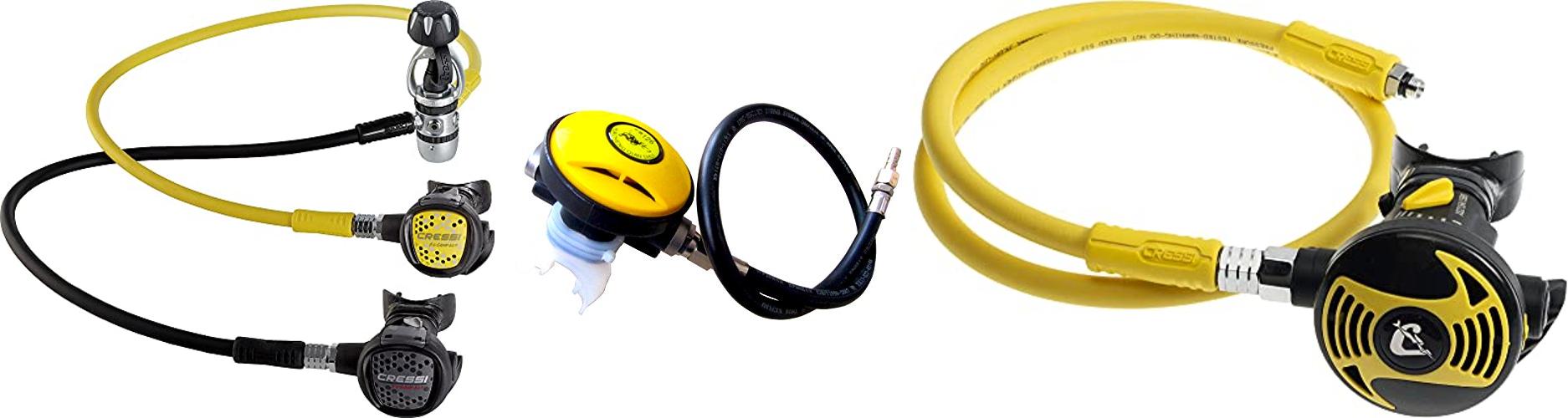
1. Cressi Scuba Diving Regulator Kit – AC2 Piston 1st Stage

Rating: 8.8/10
Dive into your next underwater adventure with the Cressi Scuba Diving Regulator Kit. This kit features the reliable AC2 Piston 1st Stage, paired with a compact and lightweight 2nd Stage, and an Octopus Compact regulator. It’s built for dependability, making it a great choice for divers who want a no-fuss, robust breathing system.
What We Like:
- The AC2 Piston 1st Stage is a true workhorse. It’s simple, strong, and can handle lots of diving.
- Both the main 2nd Stage and the Octopus are very compact and light. This makes them easy to handle and comfortable underwater.
- The special hi-tech polymers used in the Octopus casing make it tough.
- The ultra-simplified design of the 2nd Stage means fewer parts to worry about, adding to its reliability.
- This regulator is designed and made in Italy by Cressi, a brand with a long history of making great diving gear since 1946.
- It offers excellent reliability for its price point.
What Could Be Improved:
- While simple, the AC2 Piston 1st Stage might not offer the absolute highest performance in extreme cold water conditions compared to more complex designs.
- The focus on simplicity and affordability means it may lack some of the advanced features found on higher-end regulator models.
This Cressi regulator kit is a solid choice for divers seeking a dependable and straightforward breathing system. It delivers reliable performance without breaking the bank.
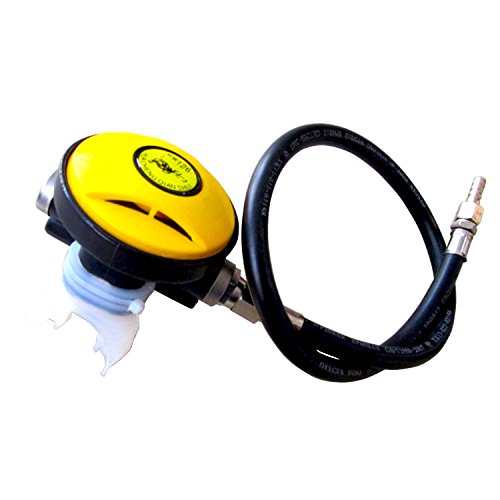
2. Hanperal 145 PSI Explorer Scuba Diving Dive 2nd Stage Regulator Octopus Hookah
Rating: 9.0/10
The Hanperal 145 PSI Explorer Scuba Diving Dive 2nd Stage Regulator Octopus Hookah is a reliable piece of gear for any diver. It’s designed to make your underwater experience smoother and safer. This regulator connects to your air source and delivers air to you when you breathe.
What We Like:
- It has a 22-inch low-pressure hose, which gives you plenty of room to move.
- The silicone mouthpiece is comfortable for your mouth.
- It’s free-flow resistant, meaning it won’t accidentally let out too much air.
- The under-chin exhaust system sends bubbles to the side, so they don’t get in your way.
- It’s mechanically balanced, making it easy to breathe in and out.
What Could Be Improved:
- The PSI rating might be a bit high for some beginner divers who prefer lower pressures.
- While it’s a second-stage regulator, the description doesn’t specify if it’s suitable for cold water diving.
This regulator offers great features for a comfortable dive. It’s a solid choice for divers looking for ease of breathing and good bubble management.
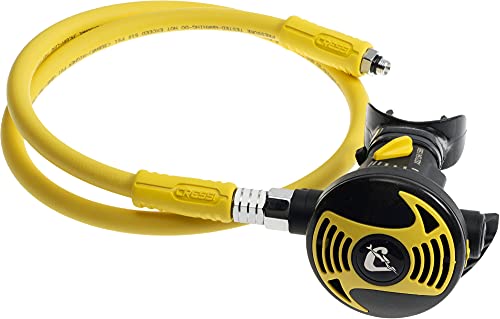
3. Cressi Octopus XS for Scuba Diving Regulators – Reliable
Rating: 8.7/10
The Cressi Octopus XS is a special second stage regulator designed for scuba divers. It’s built with the same tough casing as the popular XS2 model, but it stands out with a bright yellow front cover and a longer yellow hose. This octopus regulator is made in Italy, a country known for its high-quality gear since 1946. It’s built to be reliable and comfortable, helping you breathe easily underwater.
What We Like:
- The bright yellow color makes it easy to spot in an emergency.
- The longer 100 cm hose gives you more freedom to move and share air.
- It uses a special system to inject air into the mouthpiece, making it easier to breathe.
- A flow diverter helps control the air, and it has a dive/pre-dive switch to prevent free-flowing air when not in use.
- It offers great performance for a smooth breathing experience.
- Made with trusted Italian quality from a company with a long history.
What Could Be Improved:
- The inhalation effort is set slightly higher than the standard XS model.
Overall, the Cressi Octopus XS is a dependable and comfortable regulator that offers excellent performance. Its clear visibility and thoughtful design make it a valuable piece of safety equipment for any scuba diver.
4. Cressi XS2/AC2 Regulator

Rating: 8.8/10
The Cressi XS2/AC2 Regulator, XS Octopus, and Mini 2 Gauge is a complete breathing system for scuba divers. It includes everything you need to breathe underwater safely and reliably. This Italian-made gear is built to last and offers dependable performance.
What We Like:
- It’s a complete set, so you don’t have to buy parts separately.
- The system includes a primary regulator, an octopus regulator for your buddy, and a gauge console.
- The gauge console shows you how much air you have left and your depth.
- It comes with instruction manuals.
- It’s made in Italy, a country known for quality dive gear.
- The XS2/AC2 regulator is known for being reliable.
What Could Be Improved:
- The Mini 2 Gauge is an analog gauge. Some divers prefer digital consoles for more information.
- While reliable, this is a more basic setup compared to high-end, feature-rich regulators.
This Cressi package is a solid choice for new divers or those looking for a dependable backup system. It offers good value and essential features for a safe dive.
5. CRESSI XS2/AC2 Regulator and XS Octopus Package

Rating: 9.4/10
Dive into your next adventure with the CRESSI XS2/AC2 Regulator and XS Octopus Package. This set gives you everything you need for safe and comfortable breathing underwater. It includes the main regulator, an octopus for a buddy, and all the necessary parts to get going. Plus, a 2-year warranty offers peace of mind.
What We Like:
- The 1st stage is built tough with chromed brass. It delivers air smoothly, even when you’re deep.
- You can easily change how the air flows with the Dive/Pre-Dive Venturi Adjustment on the 2nd stage. This makes breathing feel easier.
- The regulator is made to last with strong materials.
- It has plenty of ports for hoses, making it easy to set up your gear just how you like it.
- The package comes with all the essential pieces, so you’re ready to dive.
What Could Be Improved:
- The 1st stage is a non-balanced piston design. While reliable, it might not offer the absolute highest performance at extreme depths compared to some other types.
- The polymer plastic and silicone rubber construction, while durable, might not feel as premium as all-metal components to some users.
This CRESSI package is a solid choice for divers looking for reliable performance and comfort. It provides a great balance of features for a confident underwater experience.
Dive In: Your Ultimate Scuba Regulator Buying Guide
Choosing the right scuba regulator is super important for a safe and enjoyable dive. It’s your lifeline to the air underwater! This guide will help you pick the best one for your adventures.
Key Features to Look For
When you’re shopping for a regulator, keep these important features in mind:
- First Stage: This part connects to your tank. Look for models that are balanced. Balanced regulators give you consistent air pressure, no matter how much air is left in your tank or how deep you are. This makes breathing easier.
- Second Stage (Demand Valve): This is the mouthpiece you breathe from. A good second stage should be easy to breathe from. Some have adjustable breathing resistance. This lets you fine-tune how much effort it takes to inhale.
- Octopus (Alternate Air Source): This is a backup second stage. It’s usually a different color, like yellow. It’s essential for buddy breathing or if your dive buddy has a problem.
- Hoses: Regulators come with hoses. Look for hoses that are flexible. This makes them more comfortable to wear and move around with. Braided hoses are often a sign of good quality.
- Environmental Protection: Some regulators are sealed. This means they keep water and dirt out. This is great for diving in cold water or murky conditions.
Important Materials
The materials used in regulators affect their performance and how long they last.
- Metals: Many first and second stages use brass. Brass is strong and durable. Some higher-end models might use lighter metals like titanium. This makes them lighter to carry.
- Plastics: Tough plastics are used for casings and mouthpieces. These plastics need to be strong and resist saltwater.
- Rubber: Rubber is used for O-rings and diaphragms. These parts need to be flexible and create a good seal. High-quality rubber lasts longer and prevents leaks.
Factors That Improve or Reduce Quality
Several things make a regulator great or not so great.
- Build Quality: A well-built regulator feels solid. The moving parts work smoothly. You can tell it’s made with care.
- Brand Reputation: Some brands have been making regulators for a long time. They are known for making reliable gear. Researching brands helps you find trusted names.
- Maintenance: Regulators need regular servicing. If a regulator is hard to service or parts are hard to find, it can reduce its long-term quality.
- Price: While not always true, more expensive regulators often use better materials and have more advanced features. However, you can find good quality regulators at different price points.
User Experience and Use Cases
How a regulator feels and performs underwater is key.
- Breathing Effort: The easiest way to test this is to try breathing from it. Does it feel natural? Does it take a lot of effort to inhale?
- Comfort: The mouthpiece should feel comfortable. The hoses should not be stiff and pull on your face.
- Purpose: Are you a beginner diver? A recreational diver? Or a technical diver? Your diving style will influence what you need.
- Beginners: A simple, reliable, and easy-to-breathe regulator is best.
- Recreational Divers: You might want a balanced first stage and a comfortable second stage. Environmental sealing is a plus for varied conditions.
- Technical Divers: These divers often need specialized regulators with multiple second stages and environmentally sealed options.
Frequently Asked Questions (FAQ)
Q: What is the most important part of a scuba regulator?
A: The most important part is the first stage. It controls the air pressure from your tank to your second stage. A good first stage ensures you get air easily.
Q: How often do I need to service my regulator?
A: Most manufacturers recommend servicing your regulator every year or every 100 dives, whichever comes first. Regular servicing keeps it working safely.
Q: What is the difference between a piston and a diaphragm first stage?
A: Piston first stages are simpler and often less expensive. Diaphragm first stages are usually better sealed against the environment, making them ideal for cold or murky water.
Q: Is it okay to buy a used regulator?
A: It can be risky. You don’t know its history or if it’s been properly maintained. If you do buy used, have it professionally serviced immediately.
Q: What does “balanced” mean for a regulator?
A: A balanced regulator delivers air at a constant intermediate pressure. This means breathing is easy and consistent, no matter your tank pressure or depth.
Q: Why is an octopus regulator usually yellow?
A: The bright yellow color makes it easy to spot in an emergency. It helps you quickly identify your alternate air source.
Q: Can I use any brand of regulator with any tank valve?
A: Most regulators are designed for standard yoke or DIN valves. Make sure the first stage fitting matches your tank valve. Adapters are sometimes available.
Q: How does cold water affect my regulator?
A: Cold water can cause regulators to freeze up, especially if they are not environmentally sealed. This can lead to free-flowing air or difficulty breathing.
Q: What is a “free-flowing” regulator?
A: A free-flowing regulator is one that is constantly letting air out. This wastes air and can be dangerous. It often happens when the regulator is too cold or has a problem.
Q: Where should I buy my scuba regulator?
A: It’s best to buy from a reputable dive shop. They can offer expert advice and help you choose the right one for your needs. They also offer servicing.
In conclusion, every product has unique features and benefits. We hope this review helps you decide if it meets your needs. An informed choice ensures the best experience.
If you have any questions or feedback, please share them in the comments. Your input helps everyone. Thank you for reading.