
Imagine a tiny superhero living inside your gut, working hard to keep you healthy and happy. This superhero is fueled by something called prebiotic fiber! But with so many different kinds of prebiotic fiber out there, how do you know which one is the best for you? It can feel confusing, like trying to pick the perfect ingredient for a recipe when you’re not sure what it does.
Many people want to improve their gut health, but the endless choices and confusing labels can make it tough to start. You might wonder, “Will this really help me?” or “Is this the right kind of fiber for my body?” We get it! That’s why we’re diving deep into the world of prebiotic fiber to make things clear and easy.
By the end of this post, you’ll understand what prebiotic fiber is all about, why it’s so important, and how to choose the best options for your unique needs. We’ll break down the different types and help you feel confident in your choices, so you can start giving your gut superhero the fuel it needs to thrive. Let’s get started on this gut-friendly journey!
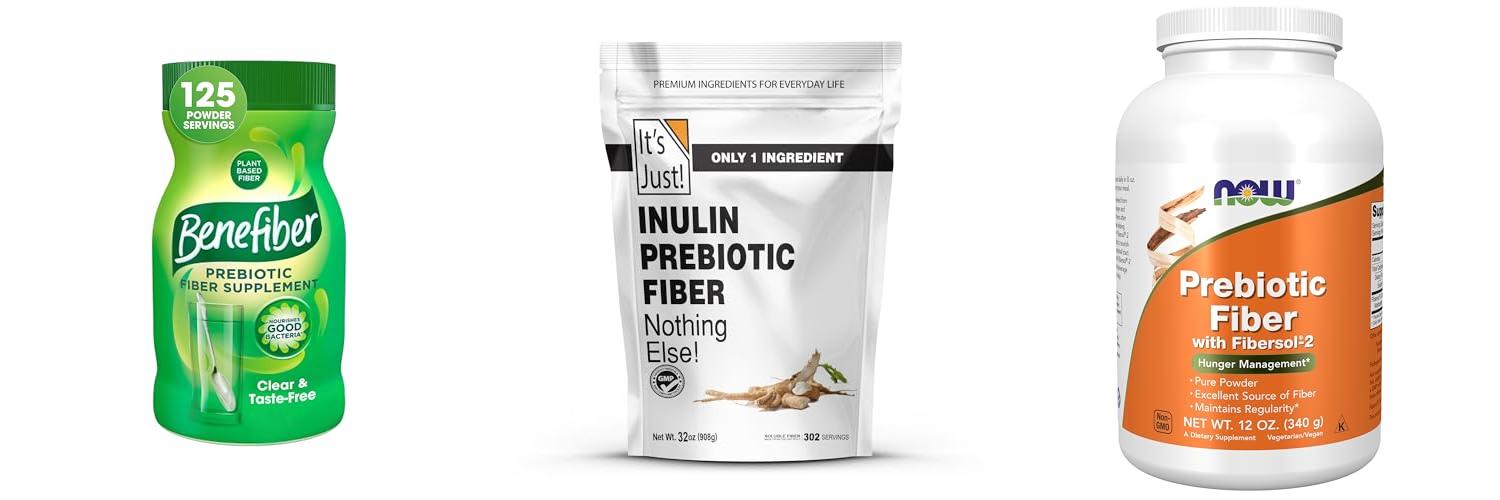
Our Top 5 Prebiotic Fiber Recommendations at a Glance
Top 5 Prebiotic Fiber Detailed Reviews
1. Benefiber Daily Prebiotic Fiber Supplement Powder for Digestive Health

Rating: 8.7/10
Tired of feeling sluggish? Benefiber Daily Prebiotic Fiber Supplement Powder is here to help! This unflavored powder is designed to support your digestive health by nourishing the good bacteria in your gut. It’s an easy way to add beneficial fiber to your daily routine.
What We Like:
- This fiber powder is unflavored and dissolves completely, so you can easily mix it into drinks or soft foods without changing their taste.
- It’s gluten-free and sugar-free, with no artificial flavors, making it a healthier choice for many people.
- Benefiber Daily Prebiotic Fiber Supplement Powder works by strengthening and feeding the good bacteria in your gut, which is important for overall digestive wellness.
- A single bottle provides 125 servings, meaning it lasts a long time.
What Could Be Improved:
- The instructions suggest taking it three times a day, which might be inconvenient for some schedules.
- It’s recommended for ages 6 and up, so it’s not suitable for very young children.
Benefiber Daily Prebiotic Fiber Supplement Powder is a simple and effective way to boost your digestive health. It’s a convenient addition to your diet for a happier gut.
2. It’s Just! – Inulin Prebiotic Fiber

Rating: 8.7/10
The It’s Just! Inulin Prebiotic Fiber is a fine, white powder made from chicory root. It’s a water-soluble fiber that’s naturally occurring. This product aims to boost your gut health and is a great addition to a healthy lifestyle. It’s also vegan and keto-friendly, making it a versatile choice for many diets.
What We Like:
- It’s a natural prebiotic fiber from chicory root.
- It helps good bacteria grow in your gut, promoting digestion.
- It helps keep your blood sugar levels steady.
- It’s a zero-calorie fiber that supports a healthy lifestyle.
- It helps your body absorb important minerals like calcium and magnesium.
- It’s made in the USA and is vegan/keto friendly.
What Could Be Improved:
- Some users might find the taste a bit earthy.
- It’s important to start with a small amount to avoid digestive discomfort.
The It’s Just! Inulin Prebiotic Fiber offers a simple way to support your digestive system and overall well-being. Consider adding it to your routine for a gentle gut health boost.
3. NOW Foods Supplements

Rating: 8.8/10
Managing your appetite can be a challenge, and that’s where NOW Foods Supplements, Prebiotic Fiber with Fibersol-2 comes in. This powder, made from non-GMO corn, aims to help you feel fuller for longer. It’s designed to work with your body to support healthy levels of a hormone called GLP-1, which plays a role in how your body signals fullness. This can be a helpful addition to your daily routine, especially when combined with healthy eating habits.
What We Like:
- This prebiotic fiber may help increase appetite-regulating hormone GLP-1 in healthy individuals.
- It helps delay hunger, so you can go longer between meals.
- It supports healthy GLP-1 levels.
- Mixing is simple: just 2 level tablespoons daily in 8 oz. of water or your favorite beverage.
- It comes from a family-owned company that has been operating in the USA since 1968.
What Could Be Improved:
- Some people might find the taste a bit plain on its own, so mixing it with other drinks is recommended.
- For those seeking rapid weight loss, this product is a supplement to a healthy lifestyle, not a magic bullet.
Overall, this prebiotic fiber powder offers a natural way to support your appetite management goals. It’s a straightforward addition to your diet from a trusted company.
4. Benefiber On the Go Prebiotic Fiber Supplement Powder for Digestive Health

Rating: 8.8/10
Tired of feeling sluggish? Benefiber On the Go Prebiotic Fiber Supplement Powder offers a simple way to support your digestive health. This unflavored powder comes in convenient stick packs, making it easy to add to your daily routine. It works by feeding the good bacteria already in your gut, helping you feel your best.
What We Like:
- Supports digestive health by nourishing good gut bacteria.
- No sugar, gluten, or artificial flavors.
- Dissolves completely and clearly in drinks and soft foods.
- Unflavored powder mixes easily into your favorite non-carbonated beverages or foods.
- Convenient stick packs are perfect for on-the-go use.
What Could Be Improved:
- Instructions recommend mixing into non-carbonated beverages, which might limit some users’ options.
- The powder requires stirring until fully dissolved, which takes a moment.
This Benefiber powder is a great tool for anyone looking to boost their daily fiber intake. It’s an easy, no-fuss way to help your digestive system thrive.
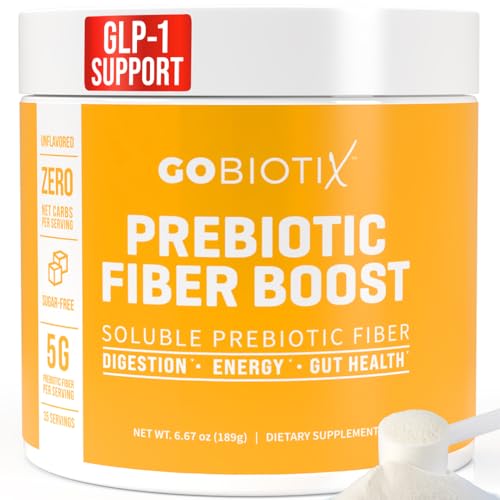
5. GOBIOTIX Prebiotic Fiber Supplement Powder for Digestive Health
Rating: 9.3/10
The GOBIOTIX Prebiotic Fiber Supplement Powder is designed to support your digestive health and gut bacteria. It’s a plant-based, tasteless powder that mixes easily and is suitable for various diets, including keto and vegan.
What We Like:
- It’s made from organic, plant-based ingredients that feed good gut bacteria and can help reduce bloating.
- The formula is tasteless and blocks dietary lectins, which helps create a healthy gut environment.
- It provides a one-month supply and aims to improve energy levels, brain function, and immune support.
- This supplement can help with weight management by supporting a balanced gut microbiome.
- It’s suitable for all diets, including keto, and helps boost metabolism while discouraging bad bacteria.
- The powder contains no artificial sugars, sweeteners, or refined ingredients. It’s organic, sprouted, vegan, and paleo.
- It’s made in the USA in a GMP certified and FDA registered facility, ensuring quality and safety.
What Could Be Improved:
- While it’s designed to be tasteless, some users might prefer a slight flavor option.
- The description mentions it’s a “stool hardener,” which might be misleading as fiber supplements typically help with regularity rather than hardening stools.
This GOBIOTIX powder offers a comprehensive approach to gut health. It’s a simple way to improve your digestion and overall well-being, no matter your dietary choices.
Choosing the Best Prebiotic Fiber: Your Guide to a Healthier Gut
Prebiotic fiber is a super important ingredient for a happy and healthy gut. It feeds the good bacteria in your tummy, helping them grow and thrive. This guide will help you pick the right prebiotic fiber for your needs.
1. Key Features to Look For
When you’re shopping for prebiotic fiber, keep these features in mind:
- Soluble Fiber Content: Look for products with a high amount of soluble fiber. This type of fiber dissolves in water and becomes a gel. It’s the best food for your gut buddies.
- Specific Prebiotic Types: Different prebiotics feed different kinds of good bacteria. Common types include Inulin, Fructooligosaccharides (FOS), and Galactooligosaccharides (GOS). Some products list these specifically.
- Purity: You want a product that is mostly prebiotic fiber. Check the ingredient list for added sugars, artificial sweeteners, or fillers. Simpler is usually better.
- Digestibility: Some prebiotics can cause gas or bloating if you’re not used to them. Look for products known for being gentle on the stomach, especially if you have a sensitive gut.
2. Important Materials
Prebiotic fibers come from different natural sources. Knowing these can help you understand what you’re buying:
- Chicory Root: This is a very popular source of inulin, a common prebiotic fiber.
- Onions and Garlic: These vegetables naturally contain fructans, which act as prebiotics.
- Bananas: Slightly green bananas have resistant starch, which can act like a prebiotic.
- Oats and Barley: These grains contain beta-glucans, another type of beneficial fiber.
- Legumes: Beans and lentils also offer prebiotic fibers.
3. Factors That Improve or Reduce Quality
Several things make a prebiotic fiber product better or worse:
- How it’s Processed: Gentle processing methods keep the prebiotic fiber’s structure intact. This means it works better. Harsh processing can break it down.
- Added Ingredients: Good prebiotic fiber products have very few extra ingredients. Added sugars or artificial flavors don’t help your gut. They can actually be bad for you.
- Source of the Fiber: Fiber from whole, natural sources is often higher quality. For example, inulin directly from chicory root is usually a great choice.
- Freshness: Like most foods, prebiotic fiber can lose its potency over time. Check for expiration dates and store it properly.
4. User Experience and Use Cases
How you use prebiotic fiber and what you expect from it matters.
- Ease of Mixing: Most prebiotic fibers are powders. They should mix easily into drinks like water, smoothies, or yogurt. Some can be a bit clumpy.
- Taste: Some prebiotic fibers have a mild, slightly sweet taste. Others are pretty neutral. If you have a sensitive palate, a neutral-tasting option might be best.
- Digestive Comfort: When you first start taking prebiotics, you might feel a little gassy. Starting with a small amount and slowly increasing it helps your body adjust.
- Common Uses: People use prebiotic fiber to support digestion, improve bowel regularity, and boost their overall gut health. It can also help you feel fuller for longer.
Frequently Asked Questions (FAQ) about Prebiotic Fiber
Q: What exactly is prebiotic fiber?
A: Prebiotic fiber is a type of fiber that your body can’t digest. Instead, it travels to your large intestine where it feeds the good bacteria living there. These good bacteria then use it as food to grow and multiply.
Q: Why is prebiotic fiber important for my gut?
A: Prebiotic fiber helps create a healthy balance of bacteria in your gut. Good bacteria help with digestion, can boost your immune system, and may even affect your mood.
Q: What are the most common types of prebiotic fiber?
A: The most common types you’ll see are Inulin, Fructooligosaccharides (FOS), and Galactooligosaccharides (GOS). They all do a similar job of feeding good gut bacteria.
Q: Can I get enough prebiotic fiber from food alone?
A: Yes, you can! Foods like onions, garlic, leeks, asparagus, bananas, and oats are good sources of prebiotic fiber. However, some people find it easier to get enough by taking a supplement.
Q: Will prebiotic fiber cause gas or bloating?
A: It’s possible, especially when you first start taking it. This is because the good bacteria are feasting! Start with a small amount, like half a teaspoon, and slowly increase it over a week or two to let your body get used to it.
Q: How should I take prebiotic fiber supplements?
A: You can mix the powder into water, juice, smoothies, yogurt, or even sprinkle it on cereal. It’s best to drink plenty of water when you’re taking fiber supplements.
Q: Are there any side effects of taking too much prebiotic fiber?
A: Taking too much can lead to increased gas, bloating, and sometimes diarrhea. It’s always best to follow the recommended serving size on the product’s label.
Q: What’s the difference between prebiotics and probiotics?
A: Prebiotics are the food for good bacteria, while probiotics are the actual live good bacteria themselves. You can think of prebiotics as fertilizer for your gut garden, and probiotics as the seeds.
Q: Can children take prebiotic fiber?
A: Yes, many prebiotic fibers are safe for children. However, it’s always a good idea to talk to your pediatrician before giving any new supplement to a child.
Q: How long does it take to see results from taking prebiotic fiber?
A: Everyone is different, but many people start to notice improvements in their digestion within a few weeks of consistent use. For overall gut health, it’s a long-term benefit.
In conclusion, every product has unique features and benefits. We hope this review helps you decide if it meets your needs. An informed choice ensures the best experience.
If you have any questions or feedback, please share them in the comments. Your input helps everyone. Thank you for reading.