
Imagine this: you’ve got a project that needs some serious metal cutting, but the blade you grab just isn’t up to the task. It chatters, it sparks wildly, or worse, it just can’t make the clean cut you need. Frustrating, right? Choosing the right metal cutting blade can feel like navigating a maze. There are so many types, each promising a different result, and picking the wrong one can lead to wasted time, ruined materials, and a whole lot of annoyance.
But what if you could cut through that confusion as easily as a sharp blade cuts through metal? This post is here to be your guide. We’ll break down the different kinds of metal cutting blades, explain what makes them work, and help you figure out which one is the perfect match for your next job. You’ll learn how to avoid those common mistakes and get the clean, efficient cuts you’re looking for, every single time.
Our Top 5 Metal Cutting Blade Recommendations at a Glance
Top 5 Metal Cutting Blade Detailed Reviews
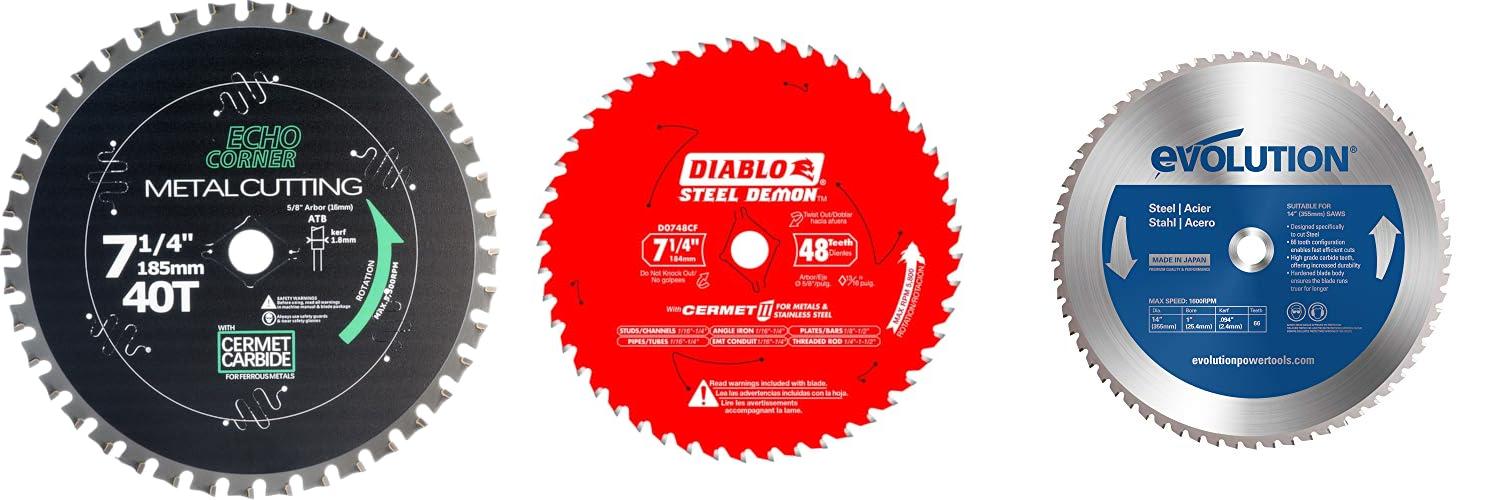
1. Echo Corner 7-1/4 Inch Metal Cutting Circular Saw Blade

Rating: 9.1/10
Tired of struggling to cut through tough metals like mild steel, angle iron, or metal sheets and tubes? The Echo Corner 7-1/4 Inch Metal Cutting Circular Saw Blade is here to make your job much easier. This blade uses special Cermet Carbide tips that stay sharp longer, so you can cut through ferrous metals quickly, cleanly, and without a lot of mess or heat. It works well with many different saws, including cordless ones. Plus, its special vents help keep the blade cool and quiet while you work.
What We Like:
- Cuts steel, angle iron, and other tough metals fast and clean.
- Cuts cool and dry, so you don’t make a big mess.
- Cermet Carbide teeth last a long time.
- Works with many corded and cordless saws.
- Laser cut vents reduce noise and vibration, keeping the blade stable and cool.
- It’s easy to use.
What Could Be Improved:
- The 5,500 RPM maximum speed might be a limit for some very demanding jobs.
- It’s designed for specific ferrous metals, so it won’t work on all types of metal.
This Echo Corner blade is a solid choice for anyone who frequently works with steel and other tough metals. It offers great performance and durability for its price.
2. Diablo Steel Demon Cermet II Saw Blade with Triple Chip Grind and Perma-Shield Coating – Ideal for Medium Metal Cutting – 7-1/4″ Diameter

Rating: 9.3/10
Tired of slow, messy metal cutting? The Diablo Steel Demon Cermet II Saw Blade is here to change that. This 7-1/4″ blade, with its 48 TCG teeth, is built tough for medium metal jobs. Its special Cermet II teeth and Perma-Shield coating make it a real workhorse, lasting much longer than regular grinding discs.
What We Like:
- Super Durable Teeth: The Cermet II teeth handle heat well and are very hard. This means the blade lasts up to 25 times longer than old grinding discs. You’ll change blades less often.
- Cuts Cooler: This blade keeps things cool. It makes cuts up to 50 times cooler than grinding discs. This stops metal from getting too hot and discoloring.
- Cuts Much Faster: Get your jobs done quicker. This blade cuts up to 10 times faster. It saves you about 60 seconds on metal and stainless steel cuts compared to grinding discs.
- Safer and Cleaner: The Triple Chip Grind design creates fewer sparks. This makes your work area safer and you might not need special “hot work” permits. It’s great for places with strict rules.
- Accurate and Steady Cuts: The blade design helps prevent wobbling. You get straight, precise cuts every time. Laser-cut vents also reduce noise and shaking, keeping the blade cool for better performance.
What Could Be Improved:
- This blade is designed for medium metals. It might not be the best choice for very thick or hard metals.
- While it’s more durable, it is a specialized blade. The initial cost might be higher than basic cutting discs.
If you need to cut medium metals quickly and safely, this Diablo Steel Demon blade is an excellent upgrade. It offers superior performance and durability for a more efficient job.
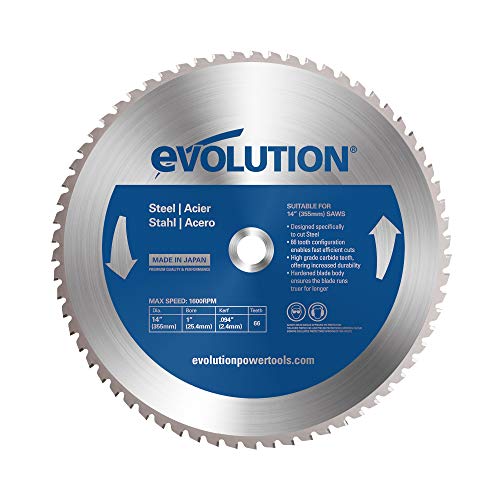
3. Evolution Power Tools 14BLADEST Blade for Cutting Mild Steel
Rating: 8.6/10
Tired of messy metal cutting? The Evolution Power Tools 14BLADEST blade is a game-changer for anyone working with mild steel. This 14-inch blade, featuring 66 carbide teeth, is designed to slice through mild steel like butter. Forget the hassle of excessive heat, sharp burrs, and showers of sparks that come with traditional cutting methods. This TCT blade delivers clean, precise cuts, leaving you with a surface that’s ready to go. It’s built tough with Japanese carbide and a hardened steel body, promising a long life and consistent performance.
What We Like:
- Cuts mild steel cleanly with no heat or burrs.
- Virtually eliminates sparks for a safer cutting experience.
- Durable construction with Japanese carbide and a hardened steel body for long life.
- Thin kerf design helps with accuracy and extends tool life.
- Works with both circular and chop saws.
- Evolution offers a full range of blades for different materials.
What Could Be Improved:
- Specifically designed for mild steel only; cannot be used on galvanized, hardened, or high-carbon steel.
- Maximum RPM is 1600, which might be a limitation for some high-power saws.
If you regularly cut mild steel, this Evolution blade is an excellent investment. It makes metal cutting faster, cleaner, and safer.
4. DEWALT 4-1/2 Inch Cut-Off Wheel

Rating: 9.2/10
Tackle tough jobs with the DEWALT 4-1/2 Inch Cut-Off Wheel. This 4-pack of general-purpose cutting discs is designed for angle grinders. It helps you get more done with fewer wheel changes.
What We Like:
- More Cuts. Fewer Wheels.TM The Temper Point grains are super sharp and strong. They last longer, meaning you replace wheels less often.
- Lasts Longer: The grains stick really well to the resin. This makes the cutting edge last longer and wear down slowly.
- Cuts Many Metals: This disc works on lots of metals. It cuts carbon steel, stainless steel, and nickel-based alloys.
- Fast Cutting: The thin wheel and lots of grains let you cut quickly.
- Built Tough: Two layers of fiberglass make the wheel strong. This helps stop it from breaking.
- Cuts Common Materials: It cuts steel, angle iron, pipe, tubing, and rebar.
What Could Be Improved:
- While versatile, it’s best for general-purpose cutting and might not be ideal for highly specialized or delicate materials.
- For very thick materials, multiple passes might be needed, which could still wear down the wheel over time.
The DEWALT 4-1/2 Inch Cut-Off Wheel is a reliable and efficient tool for a variety of metal cutting tasks. You’ll spend less time switching discs and more time finishing your projects.
5. LOZAGU 6-Piece Metal Reciprocating Saw Blades

Rating: 8.7/10
Tackle tough metal cutting jobs with the LOZAGU 6-Piece Metal Reciprocating Saw Blades. These 9-inch, 14 TPI bi-metal blades are built for serious work. They slice through metal pipes, sheets, and rebar with ease. Get ready for precise and efficient cutting.
What We Like:
- These blades cut metal very smoothly.
- They work well on metal sheets from 2mm to 8mm thick.
- They are great for cutting pipes and structural metal up to 7 inches wide.
- The blades don’t bend much, even when cutting thick metal.
- A special design helps keep the blades cool during long jobs.
- The teeth are set close together for faster cutting, about 30% quicker.
- They last a long time because they are made with strong metal and cobalt.
- These blades fit most popular reciprocating saws.
What Could Be Improved:
- The set only includes metal-cutting blades, so you’ll need other types for wood.
- These blades are designed for metal, so they might not be the best choice for softer materials.
If you need to cut metal accurately and quickly, these LOZAGU blades are a solid choice. They offer durability and performance for demanding tasks.
Choosing the Right Metal Cutting Blade: Your Guide to a Clean Cut
Cutting metal can be tough work. But with the right metal cutting blade, it’s much easier. This guide helps you pick the best blade for your project.
Key Features to Look For
When you shop for a metal cutting blade, several things matter.
1. Blade Diameter
Blades come in different sizes. A bigger blade can cut thicker metal. It also makes bigger cuts. Small blades work for smaller jobs. Make sure the blade fits your saw.
2. Tooth Count (TPI – Teeth Per Inch)
More teeth mean a smoother cut. Fewer teeth can cut faster. For thin metal, you want more teeth. This prevents jagged edges. For thick metal, fewer teeth work well.
3. Tooth Shape and Grind
Tooth shape helps the blade cut. Some teeth are sharp and pointed. Others are flat-topped. Different shapes are good for different metals. A sharp tooth cuts faster. A flat-topped tooth lasts longer.
4. Arbor Size
The arbor is the hole in the middle of the blade. It needs to match your saw’s spindle. This is usually a standard size. Always check your saw’s manual.
5. Blade Thickness
Thinner blades can bend. They might break on tough jobs. Thicker blades are stronger. They are better for heavy-duty cutting.
Important Materials
The material of the blade affects how it cuts and how long it lasts.
1. High-Speed Steel (HSS)
HSS blades are common. They are good for cutting most metals. They are strong and can handle heat.
2. Carbide-Tipped Blades
These blades have small pieces of carbide on the tips of the teeth. Carbide is very hard. It makes these blades cut faster and last much longer. They are great for tough metals.
3. Diamond Blades
Diamond blades are the toughest. They use tiny diamonds on the edge. They cut very hard materials like tile and concrete. They can also cut metal. They are usually more expensive.
Factors That Improve or Reduce Quality
Good blades have features that make them work better.
- Heat Treatment: Blades that are heat-treated are stronger. They resist wear and tear better. This makes them last longer.
- Coating: Some blades have special coatings. These coatings reduce friction. They help the blade stay cool. This means a cleaner cut.
- Tooth Set: The way teeth are arranged matters. A good tooth set helps clear away metal bits. This stops the blade from getting stuck.
- Vibration Dampening: Some blades have special slots or cores. These reduce vibration. Less vibration means a smoother cut. It also makes the blade last longer.
- Cheap Materials: Blades made from low-quality metal wear out fast. They can break easily. This makes them dangerous.
- Poor Construction: Blades that are not made well can be wobbly. This leads to bad cuts. They might also be unsafe.
User Experience and Use Cases
Think about what you will cut. This helps you choose the right blade.
- DIY Projects: For home repairs or small projects, an HSS blade is often enough. It’s affordable and works well.
- Construction Work: If you cut metal often or cut thick beams, a carbide-tipped blade is a good choice. It’s more durable.
- Metal Fabrication: Professional metalworkers need the best. Carbide or even diamond blades give them precise and fast cuts.
- Thin Sheet Metal: Use a blade with many teeth for thin metal. This prevents rough edges.
- Thick Bars and Pipes: A blade with fewer teeth works well. It cuts through thicker metal faster.
10 FAQs About Metal Cutting Blades
Q: What is the most important thing to consider when buying a metal cutting blade?
A: The most important thing is matching the blade to the type of metal and the saw you are using.
Q: Can I use a wood cutting blade on metal?
A: No, you should never use a wood cutting blade on metal. It can damage the blade and the saw. It is also very dangerous.
Q: How do I know if a blade is good quality?
A: Look for blades made from good materials like carbide. Check for features like heat treatment and good tooth design.
Q: What does TPI mean?
A: TPI means Teeth Per Inch. It tells you how many teeth are on one inch of the blade.
Q: Which type of blade is best for cutting steel?
A: For general steel cutting, a carbide-tipped blade is usually best. It is durable and cuts well.
Q: Do more teeth mean a better cut?
A: More teeth usually mean a smoother cut. Fewer teeth can cut faster.
Q: How often should I change my metal cutting blade?
A: You should change your blade when it starts to cut slowly or makes rough cuts. A dull blade is less safe.
Q: Can I use a blade with a larger diameter than my saw allows?
A: No, always use a blade that fits your saw. A blade that is too big can cause damage or injury.
Q: What is the difference between HSS and carbide blades?
A: HSS blades are good for general use. Carbide-tipped blades are harder and last longer. They are better for tough metals.
Q: Are diamond blades good for cutting metal?
A: Yes, diamond blades can cut metal, especially very hard metals. They are usually more expensive than other types.
In conclusion, every product has unique features and benefits. We hope this review helps you decide if it meets your needs. An informed choice ensures the best experience.
If you have any questions or feedback, please share them in the comments. Your input helps everyone. Thank you for reading.