
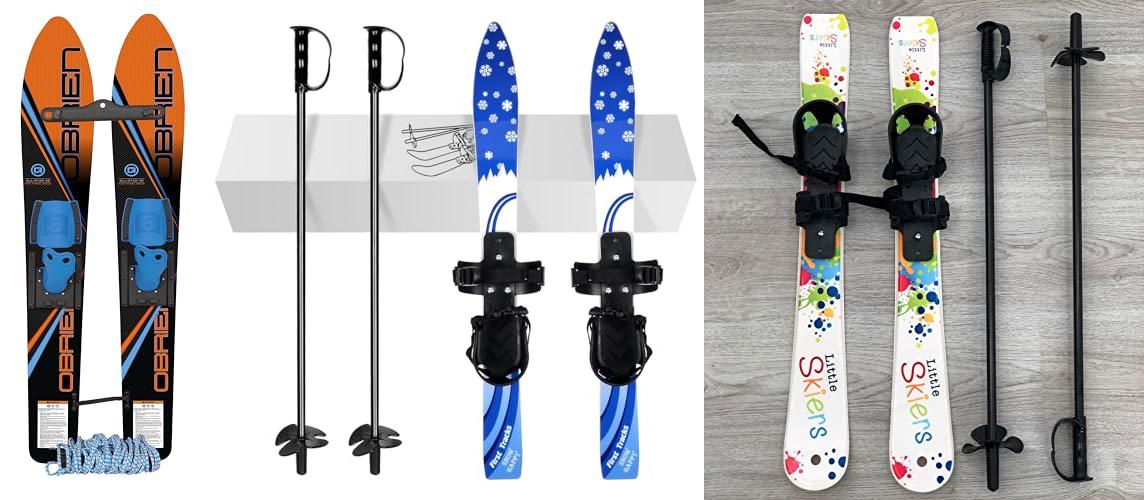
Imagine your child’s face lighting up as they glide down a snowy slope for the first time. That magical moment, however, can feel a little less magical when you’re standing in a ski shop, overwhelmed by rows and rows of skis. Choosing the right skis for your little adventurer shouldn’t be a stressful chore, but for many parents, it is.
The world of kids’ skis can seem complicated. You’re probably wondering about the best length, what material they should be made of, and how to make sure they’re safe and easy for your child to learn on. Getting it wrong can mean frustration on the mountain, sore muscles, and a less-than-enjoyable experience for everyone. But don’t worry, we’re here to help you navigate this exciting journey.
In this post, we’ll break down everything you need to know about selecting the perfect pair of skis for your budding skier. We’ll cover the key features to look for, how to match skis to your child’s age and skill level, and tips for finding a great deal. By the end, you’ll feel confident and ready to equip your child for a winter of fun and adventure on the slopes.
Our Top 5 Kids Skis Recommendations at a Glance
Top 5 Kids Skis Detailed Reviews
1. O’Brien All-Star Water Skis with Trainer Bar & Rope— Combo Waterskis for Kids & Beginners Learning to Ski

Rating: 8.7/10
Learning to water ski is an exciting adventure, and the O’Brien All-Star Water Skis with Trainer Bar & Rope are designed to make that first ride smooth and fun for kids and beginners. These skis come as a complete package, equipping young learners with everything they need to get started on the water.
What We Like:
- The Jr. Adjustable Bindings have a pinch-slide system. This makes them easy to get on and off. They fit securely for skiers up to 85 lbs.
- The Dual Tunnel Design with V-entry tips helps the skis cut through choppy water easily. This gives beginners a stable and smooth ride.
- Dual Molded-In Fins are built into the skis. They help young skiers steer and stay on course. This builds confidence on the water.
- The set includes a trainer rope, handle, and stabilizer bar. These tools help beginners balance and control themselves.
- The 46-inch length is just right for young skiers. It’s perfect for them to learn and gain confidence.
What Could Be Improved:
- The weight limit of 85 lbs means these skis are only for younger, smaller children. Older or larger beginners might need a different set.
- While the trainer bar is helpful, some very hesitant beginners might still find it challenging to get up initially.
These O’Brien All-Star skis offer a fantastic starting point for any child eager to try water skiing. They provide the stability and control needed for a positive learning experience.
2. Odoland Kid’s Beginner Snow Skis and Poles

Rating: 8.6/10
Get your little ones ready for their first snow adventure with the Odoland Kid’s Beginner Snow Skis and Poles! This set is designed specifically for toddlers and preschoolers, making snowy days a blast for kids aged 4 and under. The bright blue color is fun, and the whole setup is built with safety and ease of learning in mind.
What We Like:
- Perfect for Youngsters: These skis are made for kids age 4 and under. They have no sharp metal edges and rounded tips, making them super safe for little skiers.
- Easy to Learn: Learning to ski is much simpler with these. They are easier to get the hang of than a snowboard, so kids can start having fun right away.
- Smooth Skiing: The front of the skis are slightly lifted. This helps them glide better and reduces resistance, so kids can ski more smoothly.
- Lightweight and Strong: Made from tough PE material, these skis are light enough for small children to handle. They are built to last, even in cold weather down to -4°F.
- Complete Set: The package includes both skis and poles, providing everything a beginner needs to hit the slopes.
What Could Be Improved:
- Limited Age Range: These are strictly for children aged 4 and under. Older toddlers or preschoolers might outgrow them quickly.
- Beginner Focused: While great for learning, these skis are very basic and won’t be suitable for kids who are already developing more advanced skiing skills.
This Odoland ski set is an excellent introduction to skiing for very young children. It prioritizes safety and ease of use, allowing kids to experience the joy of the snow in a fun and accessible way.
3. Little Skiers Starter Plastic Skis and Poles – Perfect Beginner ski for ages 0-4 years

Rating: 8.8/10
Introducing the Little Skiers Starter Plastic Skis and Poles, the ideal first set of skis for your little ones aged 0-4 years. These skis are designed to make learning to ski a fun and safe experience. They are lightweight and easy for tiny legs to manage. The included poles are also sized perfectly for small hands. This set makes a great gift for any budding winter sports enthusiast.
What We Like:
- Super lightweight design makes it easy for toddlers to carry and control.
- Durable plastic construction can handle enthusiastic little skiers.
- Simple binding system is easy for parents to put on and take off.
- Comes with beginner-friendly poles to help with balance.
- Affordable price point makes it accessible for many families.
What Could Be Improved:
- The plastic may not hold up to very rough play or extreme cold temperatures.
- Limited availability can make it hard to find at times.
- The sizing is only for very young children, so they will outgrow it quickly.
The Little Skiers Starter Plastic Skis and Poles are a fantastic way to introduce very young children to the joy of skiing. They offer a simple and fun entry point into the sport.
4. O’Brien Kids Platform Trainer Waterski

Rating: 9.2/10
The O’Brien Kids Platform Trainer Waterski in Blue, measuring 46 inches, is a fantastic way to introduce young children to the joy of waterskiing. It acts like a hybrid, combining the ease of a sled with the learning potential of trainer skis. This unique design makes it simple for beginners to get up and moving on the water.
What We Like:
- It’s designed for skiers weighing up to 85 pounds, making it ideal for smaller kids.
- The bamboo wood construction offers a natural and sturdy feel.
- It effectively teaches basic waterskiing fundamentals, building confidence for future skiing.
- The Sure-Grip handle ensures a secure hold for little hands.
What Could Be Improved:
- The 46-inch size might be too small for older or larger children in the target weight range.
- While bamboo is great, a slightly more advanced option might be needed as kids progress quickly.
This O’Brien trainer ski is a solid choice for families wanting to create lasting water memories. It provides a fun and safe starting point for any aspiring water skier.
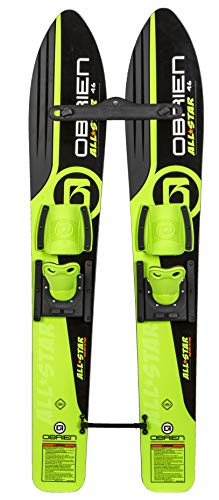
5. O’Brien Children All-Star Trainers Kids Combo Waterskis
Rating: 9.1/10
Learning to waterski is an exciting adventure, and the O’Brien Children All-Star Trainers Kids Combo Waterskis in vibrant green are designed to make that journey smooth and fun. This combo set is perfect for young beginners, offering a stable and supportive platform to build confidence on the water. Get ready for splashes and smiles as your little ones master the art of waterskiing.
What We Like:
- The included stabilizer bar makes learning much easier. It helps keep the skis together, so kids don’t get tangled up.
- It comes with a trainer rope. This rope is shorter and designed for beginners, giving them better control.
- The adjustable bindings fit many different foot sizes. This means one pair of skis can grow with your child for a while.
- These skis are built for kids up to 85 pounds. They are a great starting point for many young skiers.
- The bright green color makes them easy to spot on the water.
What Could Be Improved:
- The “one size” might be limiting for very small or older children within the weight limit.
- While great for beginners, these skis are not designed for advanced tricks or faster speeds.
Overall, the O’Brien Children All-Star Trainers Kids Combo Waterskis are a fantastic choice for introducing kids to the thrill of waterskiing. They prioritize safety and ease of learning, making it a fun experience for the whole family.
Choosing the Perfect Skis for Your Little Snow Explorer
Getting your child set up with the right skis makes a huge difference in their enjoyment and progress on the slopes. This guide helps you pick the best pair for your budding skier.
Key Features to Look For
When you’re shopping for kids’ skis, keep these important features in mind.
- Length: This is super important! A good rule of thumb is that the skis should come up to somewhere between your child’s chin and their nose when they stand them on their tips. Shorter skis are easier to turn and control for beginners. Longer skis offer more stability at higher speeds but are harder for little ones to handle.
- Width: Skis have different widths. Wider skis are more forgiving and float better in powder. Narrower skis are quicker edge-to-edge for carving on groomed runs. For most kids starting out, a medium width is a great all-around choice.
- Flex: This refers to how stiff the ski is. Younger, lighter kids need softer flexing skis. These bend more easily, making it simpler for them to initiate turns. Heavier or more advanced young skiers might benefit from slightly stiffer skis for better response.
- Rocker/Camber Profile: Most kids’ skis have some “rocker” in the tip and tail. This means the ski curves upwards at the ends. Rocker makes skis easier to turn and less likely to catch an edge. Skis with “camber” underfoot offer more pop and edge grip. Many modern kids’ skis use a combination for the best of both worlds.
Important Materials
The materials used in skis affect their weight, durability, and performance.
- Core: The core is the heart of the ski. Many kids’ skis use composite cores or foam cores. These are lightweight and flexible, perfect for smaller skiers. Some higher-end models might use wood cores, which offer better durability and a more lively feel.
- Base: The bottom of the ski is called the base. It’s usually made of polyethylene. A good quality base helps the skis glide smoothly over the snow.
- Edges: The metal edges on the sides of the skis provide grip on icy or hard-packed snow. Good quality steel edges are important for control.
Factors That Improve or Reduce Quality
Several things can make kids’ skis better or not as good.
- Construction: Skis built with a cap construction are generally lighter and more forgiving. This is great for beginners. Skis with a sidewall construction offer more power transmission and edge hold, but they can be heavier and less forgiving.
- Brand Reputation: Well-known ski brands often invest more in research and development. This can lead to better designs and higher-quality materials. However, don’t discount smaller brands that might offer great value.
- Bindings: The bindings are crucial for safety. They attach your boots to the ski and are designed to release in a fall. Make sure the bindings are appropriate for your child’s weight and ability level. They should be properly installed and adjusted by a professional.
User Experience and Use Cases
How your child uses their skis will determine what features are most important.
- Beginners: For a child who is just learning to ski, focus on shorter, softer, and more forgiving skis. These will help them build confidence and learn the basics of turning and stopping. All-mountain skis with a good amount of rocker are ideal.
- Intermediate Skiers: As your child improves, they might want skis that are a bit longer and offer more responsiveness. They can handle more varied terrain. All-mountain skis still work well, but you might look for something with a bit more camber for better performance on groomed runs.
- Advanced Young Skiers: For kids who are skiing fast and tackling challenging terrain, more performance-oriented skis are needed. These might be slightly stiffer, have a wood core, and a more traditional camber profile for better edge grip and stability.
- Park Skiers: If your child dreams of hitting jumps and rails in the terrain park, they’ll want twin-tip skis. These skis are shaped the same at both the tip and tail, allowing them to ski and land backwards.
Frequently Asked Questions (FAQ)
Q: How do I know what length skis my child needs?
A: The best way to size kids’ skis is to stand them up next to the ski. The tip of the ski should reach somewhere between your child’s chin and their nose. It’s better to go a little shorter for beginners.
Q: Are expensive skis always better for kids?
A: Not necessarily. For young beginners, simpler and more forgiving skis are often the best. As your child progresses, you might consider higher-quality skis, but always match the ski to their skill level and size.
Q: What is “rocker” on skis?
A: Rocker means the tip and tail of the ski curve upwards. This makes the skis easier to turn and less likely to catch an edge, which is great for new skiers.
Q: Do I need to buy skis and bindings separately?
A: Many kids’ ski packages come with skis and bindings already mounted. This is often a convenient and cost-effective option for beginners. You can also buy them separately.
Q: How important are the bindings?
A: Bindings are very important for safety. They hold your child’s boots to the skis and are designed to release during a fall. Make sure they are the correct size and are adjusted by a professional.
Q: Can my child use adult skis?
A: It’s generally not recommended. Kids’ skis are designed to be lighter, shorter, and more flexible, making them much easier for children to control and learn on.
Q: What if my child grows quickly?
A: Kids grow fast! You might consider buying skis that are a little longer to accommodate growth, but don’t go too long. A ski that is too long will be hard for them to manage.
Q: Should I rent or buy skis for my child?
A: For a child who is trying skiing for the first time or only skis once a year, renting is a good option. If your child is passionate about skiing and skis regularly, buying will be more cost-effective in the long run.
Q: What kind of skis are best for all types of snow conditions?
A: All-mountain skis are designed to perform well on groomed runs, powder, and slush. They are a great choice for most kids who ski in various conditions.
Q: Where should I get the bindings adjusted?
A: Bindings should always be adjusted by a certified ski technician at a ski shop. They have the right tools and knowledge to ensure they are set correctly for your child’s safety.
In conclusion, every product has unique features and benefits. We hope this review helps you decide if it meets your needs. An informed choice ensures the best experience.
If you have any questions or feedback, please share them in the comments. Your input helps everyone. Thank you for reading.