
When your little one is stuffed up and miserable, you want to help them feel better fast. But figuring out the best kids’ decongestant can feel like a puzzle. So many bottles line the shelves, each promising relief. It’s tough to know which one is safe and effective for your child’s sniffles and sneezes.
Choosing the right decongestant for a child involves more than just grabbing the first bottle you see. You worry about side effects, dosage, and if it will actually work. This can add stress to an already difficult time when your child isn’t feeling their best. You want to be sure you’re giving them the right medicine.
This post will help you cut through the confusion. We’ll explore what makes a good kids’ decongestant and what to look for. By the end, you’ll feel more confident in choosing a product that will help your child breathe easier and get back to playing. Let’s dive into how to tackle those pesky stuffy noses.
Our Top 5 Kids Decongestant Recommendations at a Glance
Top 5 Kids Decongestant Detailed Reviews
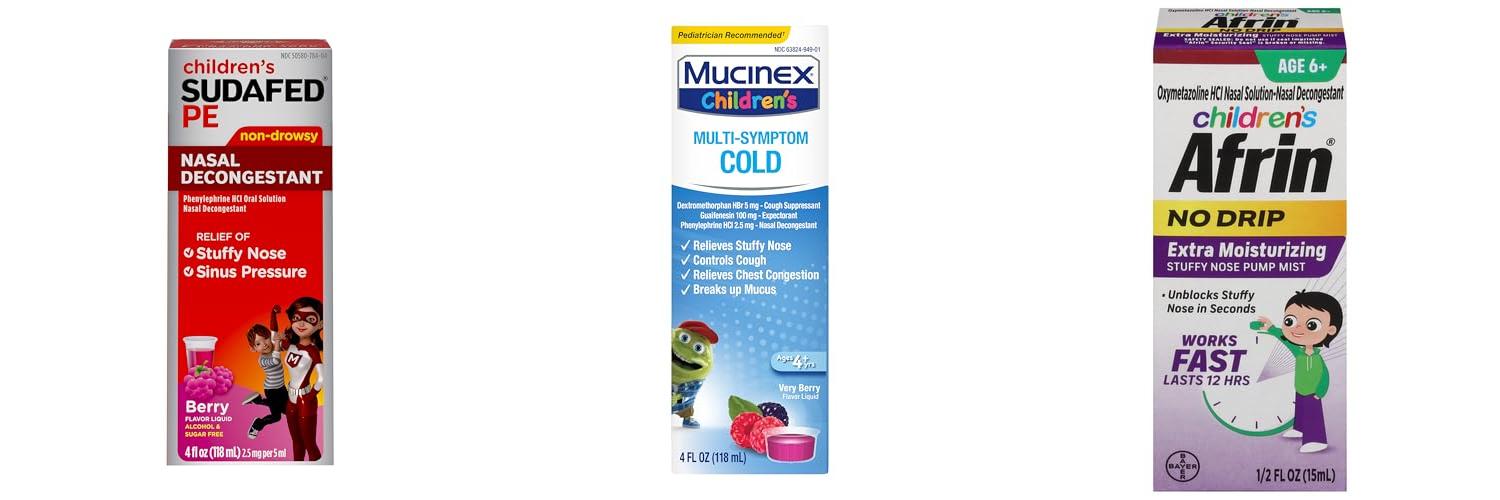
1. Sudafed Children’s PE Nasal Decongestant

Rating: 8.9/10
When your little one is stuffed up from a cold or allergies, finding relief is key. Sudafed Children’s PE Nasal Decongestant, Liquid Cold Relief Medicine in a yummy berry flavor offers a way to help them breathe easier. This medicine is designed for kids ages 4 to 11, and it works to clear out stuffy noses and ease that uncomfortable sinus pressure.
What We Like:
- It provides fast relief for stuffy noses and sinus pressure.
- The berry flavor is kid-friendly, making it easier to give to children.
- This formula is non-drowsy, so kids can still play and learn without feeling sleepy.
- It’s alcohol-free and sugar-free, which is great for parents watching what their kids consume.
- The active ingredient, phenylephrine HCl, targets nasal congestion effectively.
What Could Be Improved:
- The dosage instructions can sometimes be a bit confusing for parents.
- While it helps with congestion, it doesn’t address other cold symptoms like a cough or fever.
Overall, Sudafed Children’s PE Nasal Decongestant is a solid choice for tackling your child’s nasal congestion. It offers relief when they need it most, allowing them to get back to feeling like themselves.
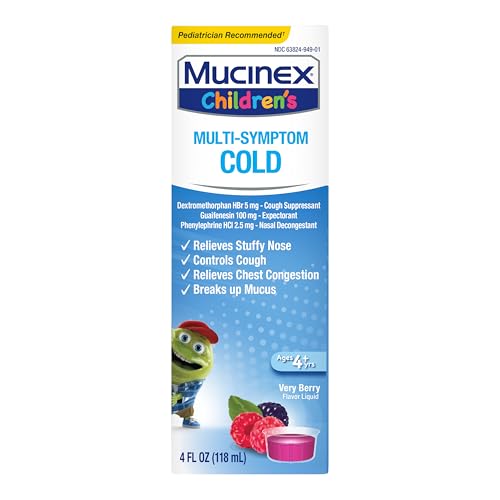
2. Mucinex Children’s Multi-Symptom Cold Relief Liquid- Relieves Stuffy Nose
Rating: 9.2/10
When your little one is feeling under the weather, Mucinex Children’s Multi-Symptom Cold Relief Liquid can be a parent’s best friend. This flavored syrup tackles a range of common cold symptoms, offering relief for stuffy noses, chest congestion, coughs, and mucus. It’s designed for children aged 4 years and up, providing a convenient way to help them feel more comfortable.
What We Like:
- Combines multiple cold symptom relievers in one easy-to-administer liquid.
- Contains an expectorant to help loosen and thin mucus, and a cough suppressant to calm coughs.
- Comes with a handy dosing cup for accurate measurement.
- The flavored syrup makes it easier to give to children.
- Effective for relieving nasal congestion.
What Could Be Improved:
- Requires careful attention to dosing instructions and potential drug interactions, especially with MAOIs.
- Not suitable for children under 4 years old.
- Some parents might prefer a less sweet option or a different flavor.
- The warning about potential side effects like nervousness, dizziness, or sleeplessness requires monitoring.
Overall, Mucinex Children’s Multi-Symptom Cold Relief Liquid offers a comprehensive approach to tackling your child’s cold symptoms. Always remember to follow the dosage instructions carefully and consult your doctor if you have any concerns.
3. Afrin Childrens

Rating: 8.9/10
When your little one is struggling with a stuffy nose, finding fast and effective relief is key. Afrin Children’s Extra Moisturizing Stuffy Kids Nasal Spray offers a gentle yet powerful solution for children ages 6 and up. This spray is designed to tackle congestion caused by colds, allergies, and hay fever, giving kids back their comfort and allowing them to breathe easier for up to 12 hours. The extra moisturizing formula helps soothe nasal passages, making it a welcome relief for young noses.
What We Like:
- It works super fast to unblock stuffy noses.
- The relief lasts for a long time, up to 12 hours.
- It’s made just for kids ages 6 and up.
- The formula is extra moisturizing to be gentle on little noses.
- It’s the #1 doctor and pharmacist recommended nasal spray brand, which gives great peace of mind.
- It helps with stuffiness from colds, allergies, and hay fever.
What Could Be Improved:
- Some children might not like the taste or sensation of nasal sprays.
- The product is for temporary relief only, so underlying issues need to be addressed by a doctor.
For parents seeking a reliable way to help their children breathe easier, this Afrin Children’s nasal spray is a top contender. It provides much-needed relief when colds or allergies strike.
4. Mucinex Children’s Liquid – Stuffy Nose & Cold Mixed Berry 4 oz. (Packaging May Vary)

Rating: 8.9/10
When your little one is feeling under the weather with a stuffy nose and chest congestion, Mucinex Children’s Liquid in Mixed Berry flavor is a go-to solution. This medicine helps thin and loosen mucus, making it easier for your child to cough it up. It also tackles that annoying stuffy nose and sinus pressure, so they can breathe a little easier and get back to feeling like themselves.
What We Like:
- Provides multi-symptom relief for stuffy nose and chest congestion.
- It’s the #1 pediatrician recommended brand for non-homeopathic children’s cough and cold products.
- Contains Guaifenesin to thin and loosen mucus, easing chest congestion.
- Includes Phenylephrine HCl to relieve nasal and sinus congestion.
- Comes in a kid-friendly Very Berry flavor.
- Suitable for children aged 4 and up.
What Could Be Improved:
- Packaging may vary, which can be a minor inconvenience if you’re looking for a specific look.
- The dosage needs to be carefully followed as directed.
This Mucinex Children’s Liquid offers effective relief for common cold symptoms in kids. It’s a trusted option that helps make sick days a little more bearable for both children and parents.
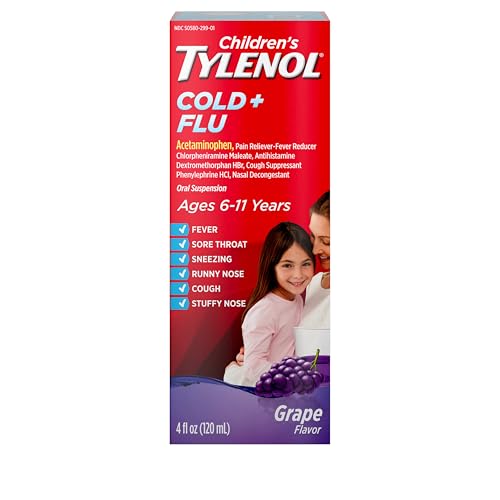
5. Children’s Tylenol Cold & Flu Liquid Oral Suspension Kids’ Cold & Flu Medicine
Rating: 9.1/10
When your child is battling a cold or the flu, you want fast and effective relief. Children’s Tylenol Cold & Flu Liquid Oral Suspension in a yummy grape flavor is designed to help tackle those uncomfortable symptoms. This 4-fluid ounce bottle offers multi-symptom relief for kids aged 6 to 11 years. It targets coughs, headaches, fever, minor aches and pains, sore throat, stuffy or runny nose, sneezing, and congestion. Parents can trust Tylenol, the #1 pediatrician recommended brand for pain and fever relief, for over 60 years.
What We Like:
- Provides multi-symptom relief for cough, fever, aches, sore throat, runny nose, and congestion.
- Kid-friendly grape flavor makes it easier to administer.
- Free from aspirin, alcohol, and ibuprofen, which is great for sensitive kids.
- Tylenol is a trusted brand recommended by pediatricians.
What Could Be Improved:
- The dosage instructions might seem a bit complex with multiple active ingredients listed.
- Some parents may prefer a single-ingredient option for specific symptoms.
This grape-flavored liquid offers comprehensive relief for common childhood cold and flu symptoms. It’s a reliable choice for parents seeking a trusted brand to help their children feel better.
Choosing the Right Kids Decongestant: A Parent’s Guide
When your little one is stuffy and uncomfortable, finding the right decongestant can bring much-needed relief. This guide will help you make an informed decision for your child’s health.
What to Look for: Key Features
Age Appropriateness
This is the most important feature. Always check the label for the recommended age range. Some decongestants are for babies, while others are for older children. Using the wrong one can be ineffective or even harmful.
Active Ingredients
Decongestants work by shrinking swollen blood vessels in the nasal passages. Common active ingredients include:
- Phenylephrine: This is a common ingredient found in many over-the-counter decongestants.
- Pseudoephedrine: This is another effective decongestant, but it’s sometimes kept behind the pharmacy counter due to regulations.
Always read the “Drug Facts” label to understand what’s inside.
Formulation
Decongestants come in several forms:
- Liquid Syrups/Drops: These are easy to administer to younger children.
- Chewable Tablets: Great for older kids who can chew and swallow.
- Nasal Sprays: Some nasal sprays are specifically designed for children.
Choose the form that your child will accept most easily.
Flavor
For liquid medications, a pleasant flavor can make a big difference in getting your child to take it. Berry, grape, or fruit punch are popular choices.
Sugar-Free Options
If you’re concerned about sugar intake or your child has dietary restrictions, look for sugar-free formulations.
Important Materials and Safety
Inactive Ingredients
While active ingredients fight the cold symptoms, inactive ingredients are also important. These can include sweeteners, flavorings, and preservatives. Check for any known allergens or ingredients you prefer to avoid.
Packaging and Dosage Devices
Clear, easy-to-read packaging is essential. The product should come with a precise dosage device, like a syringe or a dosing cup, to ensure you give the correct amount.
Factors Affecting Quality
Expiration Dates
Always check the expiration date. Expired medication can lose its effectiveness or even become harmful.
Storage Instructions
Proper storage (e.g., at room temperature, away from direct sunlight) helps maintain the medication’s quality. Follow the instructions on the package.
Brand Reputation and Reviews
Reputable brands often have a track record of quality and safety. Reading reviews from other parents can provide valuable insights into a product’s effectiveness and any potential side effects.
User Experience and Use Cases
When to Use
Kids’ decongestants are typically used to relieve nasal stuffiness caused by the common cold, allergies, or sinus infections. This can help your child breathe easier, sleep better, and feel more comfortable.
Ease of Administration
A product that is easy to give to your child is a huge win for parents. If your child fights taking medicine, a good flavor and an easy-to-use dispenser are key.
Effectiveness
The primary goal is relief. A good decongestant should effectively reduce nasal congestion, allowing your child to function more normally.
Potential Side Effects
While generally safe when used as directed, some children might experience side effects like fussiness, sleeplessness, or a decreased appetite. Always consult your pediatrician if you notice any unusual reactions.
Frequently Asked Questions about Kids Decongestants
Q: Can I give my baby a decongestant?
A: Generally, decongestants are not recommended for infants. Always consult your pediatrician before giving any medication to a baby. They may suggest saline drops and a nasal aspirator instead.
Q: How often can I give my child a decongestant?
A: Follow the dosage instructions on the product label carefully. Do not exceed the recommended frequency or dosage. If symptoms persist, consult your doctor.
Q: Can I give my child an adult decongestant?
A: Never give your child an adult decongestant. Adult medications are dosed for adults and can be dangerous for children. Always use products specifically formulated for children.
Q: What is the difference between phenylephrine and pseudoephedrine?
A: Both are decongestants. Phenylephrine is readily available, while pseudoephedrine is often kept behind the pharmacy counter and is considered by some to be more effective for some people.
Q: My child has allergies. Can a decongestant help?
A: Yes, decongestants can help relieve nasal stuffiness caused by allergies. However, antihistamines are often the primary treatment for allergy symptoms.
Q: Are there any natural alternatives to decongestants?
A: Saline nasal sprays and drops can help thin mucus and clear nasal passages. Humidifiers can also make breathing easier. Always discuss natural remedies with your pediatrician.
Q: How long should I use a kids’ decongestant?
A: Decongestants are generally meant for short-term use to relieve acute symptoms. If your child’s congestion lasts more than a week, consult a doctor.
Q: What if my child doesn’t like the taste?
A: Try different flavors or brands. If your child absolutely refuses liquid medicine, ask your pediatrician about chewable options or nasal sprays suitable for their age.
Q: Can I combine different cold medications for my child?
A: It’s crucial not to combine medications without consulting your doctor or pharmacist. Many cold and cough medicines contain similar ingredients, and combining them can lead to an overdose.
Q: When should I call the doctor about my child’s congestion?
A: Call your doctor if your child has a high fever, difficulty breathing, ear pain, symptoms that worsen, or if congestion lasts for an extended period.
In conclusion, every product has unique features and benefits. We hope this review helps you decide if it meets your needs. An informed choice ensures the best experience.
If you have any questions or feedback, please share them in the comments. Your input helps everyone. Thank you for reading.