
Imagine breathing in fresh, clean air every time you get into your car. Sounds nice, right? But what if the air inside your car is actually making you feel worse? That’s where your in-cabin air filter comes in, and for many drivers, picking the right one feels like a confusing puzzle. It’s easy to get lost with all the different types and brands out there. You want to protect your lungs and enjoy your drives, but the choices can be overwhelming.
This post is here to clear the air, so to speak. We’ll break down what an in-cabin air filter actually does and why it’s so important for your health and your car’s comfort. We’ll help you understand the differences between the filters you see on store shelves. By the end, you’ll feel much more confident about choosing the best filter for your needs. Let’s dive into how to make sure your car’s air is as fresh as it can be.
Our Top 5 In Cabin Air Filters Recommendations at a Glance
Top 5 In Cabin Air Filters Detailed Reviews
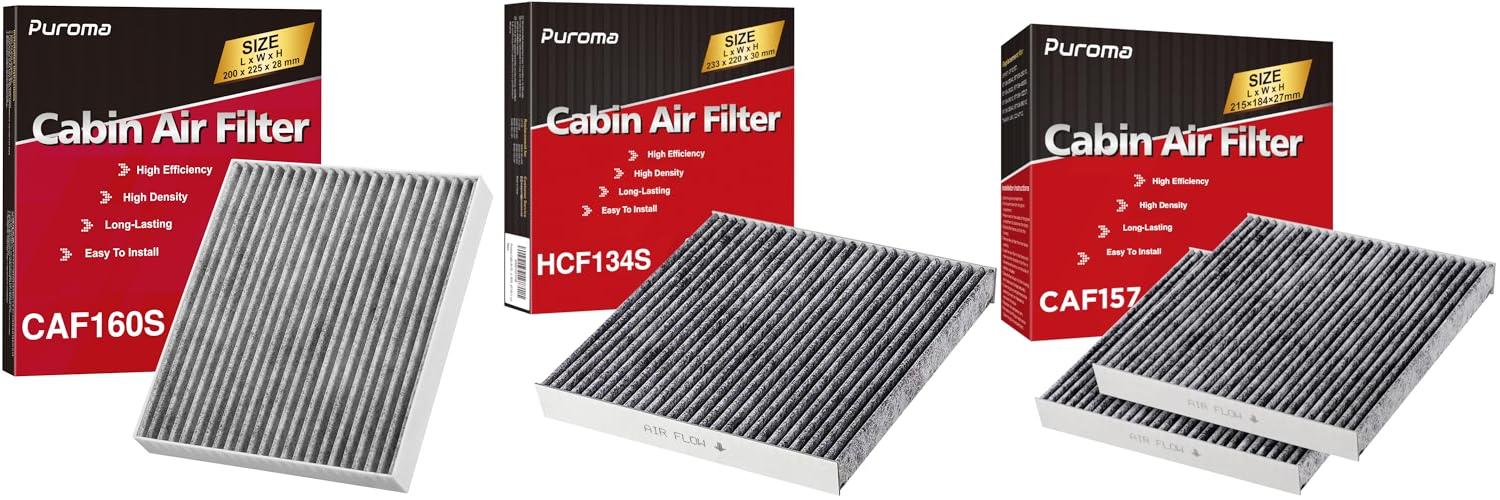
1. Puroma Cabin Air Filter with Activated Carbon

Rating: 9.3/10
Breathe easier on your daily drives with the Puroma Cabin Air Filter with Activated Carbon. This filter is designed to keep the air inside your Hyundai or Kia fresh and clean, protecting you from dust, smoke, and other yucky stuff. It’s a great way to make your car’s interior a healthier and more comfortable place to be.
What We Like:
- Enhanced Air Quality: The activated carbon and special woven material work together to trap odors and nasty particles, making the air you breathe much cleaner.
- Quieter Cabin: The activated carbon layer helps to absorb some noise, making your ride a bit more peaceful.
- Improved Visibility: This filter can help reduce window fogging, giving you a clearer view of the road.
- Efficient Filtration: It stops small particles from getting into your car and also helps protect your engine.
- Healthier Passengers: By filtering out smog, smoke, and tiny pollutants, it keeps everyone inside safer and happier.
- Boosts HVAC Performance: It helps your car’s heating and cooling system work better and last longer.
- Easy Installation: You can install it yourself in about 10 minutes, and there’s a helpful arrow to show you which way it goes.
- Wide Compatibility: It fits many popular Hyundai and Kia models, including the Kona, Tucson, Veloster, Venue, Seltos, Soul, and Sportage.
What Could Be Improved:
- Replacement Schedule: You need to remember to change it regularly (yearly or every 12,000 miles) for it to work best.
- Initial Check Needed: You must verify it fits your specific car before buying, which takes a moment.
This Puroma cabin air filter is a smart investment for cleaner air and a better driving experience. It’s an easy upgrade that makes a big difference.
2. Puroma Cabin Air Filter with Activated Carbon

Rating: 9.0/10
Breathe easier on every drive with the Puroma Cabin Air Filter featuring Activated Carbon. This filter is designed to replace specific Honda and Acura cabin air filters, giving you a breath of fresh air inside your vehicle.
What We Like:
- Effective Protection: The special soda woven material combined with activated carbon traps harmful particles and removes unpleasant odors. This keeps the air inside your car clean and fresh for everyone.
- Efficient Filtration: A fine mesh filter layer stops tiny particles from entering your cabin. This protects your car’s engine and keeps your air conditioning and heating systems working their best.
- Enhances HVAC Performance: A clean cabin air filter helps your car’s heating and cooling systems run efficiently. It’s recommended to change it yearly or every 12,000 miles, or more often if you drive in dusty areas.
- Easy to Install: This Puroma filter is made to fit perfectly and installs in about 10 minutes. An arrow on the side shows you the correct airflow direction, making installation simple.
- Wide Compatibility: It’s compatible with a long list of popular Honda and Acura models, including Civic, CR-V, Odyssey, Accord, ILX, MDX, and RDX.
What Could Be Improved:
- The product description does not mention the filter’s lifespan in terms of particle capacity, only mileage/time recommendations.
- While many models are listed, it’s always good practice to double-check the exact fit for your specific year and trim.
This Puroma cabin air filter offers a straightforward solution for cleaner, fresher air in your Honda or Acura. It’s a smart choice for improving your driving experience.
3. Puroma 2 Pack Cabin Air Filter with Activated Carbon

Rating: 8.8/10
Breathe easier on your next drive with the Puroma 2 Pack Cabin Air Filter with Activated Carbon. This filter is designed to replace specific part numbers and fits a wide range of Lexus, Mazda, Subaru, and Toyota models, including popular choices like the Camry, Corolla, and RAV4. It works hard to keep the air inside your car clean and fresh.
What We Like:
- Efficient Filtration: The non-woven filter layer stops tiny particles from getting into your car’s cabin. This helps protect your engine from wear, making your vehicle last longer. It also helps your air conditioning and heating systems work better.
- Odor Elimination: The combination of soda-woven material and activated carbon is great at trapping smells. This means you and your passengers will enjoy a more pleasant and refreshing ride.
- Improved HVAC Performance: By blocking particles, this filter helps your car’s heating and cooling systems run smoothly. It prevents them from working too hard.
- Easy to Install: You can install this Puroma cabin air filter in about 10 minutes. It has a clear airflow arrow to guide you, making the process simple.
- Wide Compatibility: This filter works with many Toyota, Lexus, Mazda, and Subaru vehicles, making it a versatile choice for car owners.
What Could Be Improved:
- Replacement Schedule: While the filter is effective, remember to replace it annually or every 12,000 miles. Driving in dusty or polluted areas might require changing it sooner, around every 5,000 miles, for the best performance.
This Puroma cabin air filter offers excellent air quality for your vehicle. It’s a smart choice for keeping your car’s interior fresh and your HVAC system running efficiently.
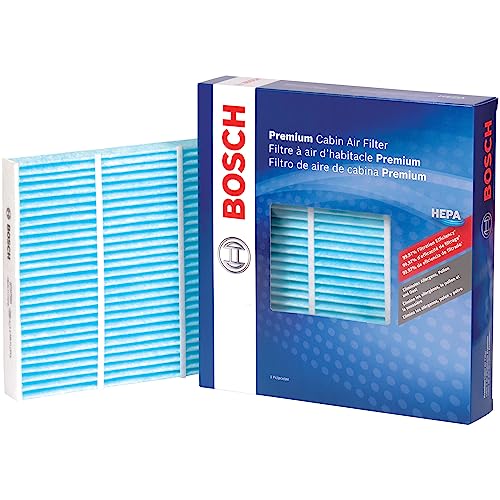
4. BOSCH 6081C HEPA Cabin Air Filter – Compatible with Select Ford Expedition
Rating: 9.1/10
Breathe easier on your next drive with the BOSCH 6081C HEPA Cabin Air Filter. This filter is designed to give you the cleanest air possible inside your Ford or Lincoln vehicle. It’s a smart choice for anyone who wants to protect their family from tiny particles floating in the air.
What We Like:
- It traps 99.97% of tiny particles, like dust and pollen, that are 0.3 microns in size. This is super effective for clean air.
- The filter uses special layers to catch even more dirt and has a strong design so it works well for a long time.
- You get truly clean air without any weird chemical smells, which is great for breathing.
- It fits many popular Ford and Lincoln models, including the F-150, Expedition, and Navigator.
What Could Be Improved:
- You need to check if it fits your specific vehicle trim, as sometimes the exact fit can vary.
- Like all cabin air filters, it needs to be changed at least once a year or every 12,000 miles to keep working its best.
This Bosch HEPA filter offers top-notch protection for your vehicle’s interior air quality. It’s a worthwhile upgrade for healthier breathing on the road.
5. FRAM Fresh Breeze Cabin Air Filter Replacement for Car Passenger Compartment w/ Arm and Hammer Baking Soda

Rating: 8.7/10
Breathe easier on your next drive with the FRAM Fresh Breeze Cabin Air Filter. This filter is designed to keep the air inside your Infiniti or Nissan clean and fresh. It works hard to trap dust, pollen, and other yucky stuff, making your car’s cabin a more pleasant place to be. Plus, it helps your car’s air conditioning and heating system work better.
What We Like:
- Built-in Odor Fighting Power: It uses Arm & Hammer baking soda and carbon to help get rid of bad smells, not just trap them.
- Easy to Install: You can usually swap out your old filter for this new one in about 15 minutes. It’s usually located behind your glove box.
- Improved Air Quality: It helps filter out things like wildfire smoke, pollen, and dirt, so you and your passengers can breathe cleaner air.
- Protects Your HVAC System: A clean filter allows air to flow freely, which helps your car’s heating and cooling system run more efficiently and last longer.
- Wide Vehicle Compatibility: It fits many popular Infiniti and Nissan models like the JX35, QX60, Altima, Maxima, Murano, and Pathfinder.
What Could Be Improved:
- Filter Life Recommendation: While it’s easy to install, knowing the exact recommended replacement interval would be helpful to ensure optimal performance.
- Availability for Older Models: The product description lists specific model years. Drivers with older Infiniti or Nissan vehicles might need to look for different filter options.
This FRAM Fresh Breeze cabin air filter is a smart choice for keeping your car’s interior air fresh and your HVAC system running smoothly. It’s an easy way to improve your driving experience.
Breathe Easy: Your Guide to Choosing the Best In-Cabin Air Filter
Your car’s in-cabin air filter is a hidden hero. It cleans the air you breathe inside your vehicle, removing dust, pollen, and other tiny particles. A clean filter means a healthier and more comfortable ride. This guide will help you pick the perfect one.
Why is an In-Cabin Air Filter Important?
Think of it like a mask for your car’s ventilation system. It stops yucky stuff from getting into your car. This includes:
- Pollen
- Dust
- Soot
- Mold spores
- Bacteria
This is especially important if you have allergies or live in a city with lots of pollution.
Key Features to Look For
When you’re shopping for an in-cabin air filter, keep these important things in mind:
1. Filtration Efficiency
This tells you how well the filter traps tiny particles. Look for filters that capture at least 90% of particles down to 0.3 microns. Some advanced filters can even catch smaller particles.
2. Material Type
The material matters a lot. Common types include:
- Pleated Paper: These are the most common and affordable. They work well for basic filtration.
- Activated Carbon: These filters have a layer of activated carbon. Carbon is great at absorbing odors and gases. If your car smells, this is a good choice.
- Electrostatic: These filters use an electric charge to attract and trap particles. They offer excellent filtration.
- HEPA (High-Efficiency Particulate Air): While less common for in-cabin filters, true HEPA filters are the gold standard for trapping very small particles.
3. Fit and Size
An in-cabin air filter must fit your specific car model perfectly. A poorly fitting filter lets air sneak around it, making it useless. Always check the product description for your car’s make, model, and year.
4. Durability and Lifespan
Filters don’t last forever. Most need to be replaced every 12,000 to 15,000 miles or once a year. Some premium filters might last longer. Check the manufacturer’s recommendations.
Important Materials
The materials used directly impact how well the filter works.
- Fiberglass or Synthetic Fibers: These form the base of many filters. They create a mesh to catch particles.
- Activated Carbon Pellets: These are tiny beads that have been treated to absorb odors and chemicals. They are often found in a layer within the filter.
- Adhesives: High-quality adhesives keep the filter media together and ensure a good seal.
Factors That Improve or Reduce Quality
Several things make a filter better or worse.
Factors That Improve Quality:
- More Pleats: A filter with more folds (pleats) has a larger surface area. This means it can trap more dirt before getting clogged.
- Denser Filter Media: A tighter weave in the filter material catches smaller particles.
- Activated Carbon Layer: This significantly improves odor and gas removal.
- Sturdy Frame: A strong frame ensures the filter stays in place and seals properly.
Factors That Reduce Quality:
- Cheap Materials: Low-quality fibers might not catch as much or could break down over time.
- Poor Sealing: If the filter doesn’t seal tightly, dirty air will bypass it.
- Thin Filter Media: A thin filter will clog up faster.
- Lack of Activated Carbon: If odor control is important, a filter without carbon will perform poorly.
User Experience and Use Cases
The experience of using a good in-cabin air filter is simple: you don’t notice it, but you feel the difference.
- Allergy Sufferers: People with allergies find a huge relief. They can breathe easier and experience fewer allergy symptoms while driving.
- City Dwellers: If you drive in areas with a lot of traffic and pollution, a good filter will keep your car’s air cleaner.
- Smokers or Pet Owners: Activated carbon filters are excellent for removing lingering smells from smoke or pets.
- Families with Young Children: Keeping the air clean is important for the health of little ones.
A clean filter also helps your car’s heating and cooling system work better. It prevents the system from getting clogged and working too hard.
Frequently Asked Questions (FAQ)
Q: How often should I replace my in-cabin air filter?
A: Most manufacturers recommend replacing your in-cabin air filter every 12,000 to 15,000 miles or at least once a year. Check your car’s owner’s manual for specific advice.
Q: Can I replace the filter myself?
A: Yes, in most cars, replacing the in-cabin air filter is a simple DIY job. It’s usually located behind the glove box. Many online videos show you how.
Q: What happens if I don’t replace my filter?
A: A clogged filter can reduce airflow to your cabin, making your AC and heater less effective. It can also lead to unpleasant odors and strain your car’s ventilation system.
Q: Does the brand of the filter matter?
A: Brand can matter, but focusing on the features and materials is more important. Reputable brands often use better quality materials and have good quality control.
Q: Are activated carbon filters really necessary?
A: Activated carbon filters are great if you want to remove odors and gases from your car. If you don’t have strong odor issues, a standard pleated filter might be enough.
Q: What does “micron” mean in relation to filter size?
A: A micron is a tiny unit of measurement. A micron is one-millionth of a meter. Filters rated for smaller microns capture smaller particles.
Q: Can a dirty filter make me sick?
A: While not the primary cause of illness, a very dirty filter can harbor mold or bacteria, which could potentially affect air quality and trigger allergy or asthma symptoms.
Q: What’s the difference between an in-cabin air filter and an engine air filter?
A: An in-cabin air filter cleans the air inside your car for you to breathe. An engine air filter cleans the air going into your car’s engine to help it run efficiently.
Q: How do I know if my filter needs replacing?
A: Signs include reduced airflow from your vents, musty smells, or increased dust inside your car. Your car’s manual might also have a maintenance schedule.
Q: Can I wash and reuse an in-cabin air filter?
A: No, in-cabin air filters are designed for single use and cannot be effectively cleaned and reused. Washing them will damage the filter media.
In conclusion, every product has unique features and benefits. We hope this review helps you decide if it meets your needs. An informed choice ensures the best experience.
If you have any questions or feedback, please share them in the comments. Your input helps everyone. Thank you for reading.