
Getting ready for basketball tryouts is a big deal! Do you need to improve your shooting, defense, or ball-handling? This guide will show you how to train for basketball tryouts, covering essential skills and effective drills to help you shine.
Basketball tryouts are your chance to show what you’ve got. Coaches are looking for players who are skilled, athletic, and have a good attitude. To make a great impression, you need a plan. This plan should focus on key basketball skills, improving your overall fitness, and preparing yourself mentally. Let’s break down what you need to do to train effectively and increase your chances of making the team.
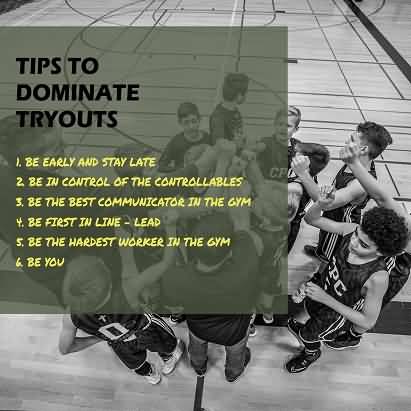
Image Source: cccdn-fe9e.kxcdn.com
Building Your Basketball Fitness Base
Strong basketball fitness is crucial. It means you can play hard for the entire tryout without getting tired. Good conditioning helps you run faster, jump higher, and make better decisions on the court, even when you’re worn out.
Cardiovascular Endurance
Cardio is the foundation of basketball fitness. You need to be able to play for extended periods.
- Sprinting: Basketball involves a lot of quick bursts of speed. Practice full-court sprints. Start at one baseline and sprint to the other, jog back, and repeat. Aim for 10-15 sprints.
- Suicides/Line Drills: These drills mimic the stop-and-go nature of basketball. Run to the free-throw line, back to the baseline, then to the half-court line, back to the baseline, and so on.
- Interval Training: Alternate between high-intensity bursts (like sprinting) and periods of lower intensity (like jogging). This is very similar to game play. Try a 30-second sprint followed by a 60-second jog, repeated for 15-20 minutes.
Muscular Strength and Power
Being strong helps you push past defenders, box out opponents, and jump higher for rebounds and shots.
- Lower Body:
- Squats: Bodyweight squats, goblet squats, and even jump squats build leg strength and explosive power.
- Lunges: Forward, backward, and lateral lunges improve balance and leg strength.
- Calf Raises: Strong calves help with jumping.
- Upper Body:
- Push-ups: Work your chest, shoulders, and triceps. Vary your grip to target different muscles.
- Pull-ups/Chin-ups: Essential for upper body strength, especially for big men. If you can’t do full pull-ups yet, use resistance bands or do assisted pull-ups.
- Dumbbell Rows: Build back strength, which is important for balance and finishing through contact.
- Core Strength: A strong core is vital for stability, balance, and power transfer.
- Plank: Hold for 30-60 seconds, aiming for good form.
- Crunches/Sit-ups: Work your abdominal muscles.
- Russian Twists: Improve rotational strength.
Agility and Quickness
Basketball requires you to change direction rapidly and move your feet efficiently. Agility training is key.
- Agility Ladder Drills: These improve foot speed and coordination. Common drills include:
- Icky Shuffle: Step in and out of each square.
- Forward Run: Run through the ladder, stepping into each square.
- Lateral Shuffle: Move side to side through the ladder.
- Cone Drills: Set up cones in various patterns.
- T-Drill: Sprint forward, shuffle to the side, shuffle back to the center, shuffle to the other side, and sprint back.
- Box Drill: Set up four cones in a square. Sprint forward, shuffle laterally, run backward, and shuffle laterally back to the start.
- Zig-Zag Drills: Weave through a line of cones.
Honing Essential Basketball Skills
Tryouts are about demonstrating your skills. You need to be proficient in shooting, dribbling, passing, and defense.
Shooting Practice
Consistent shooting is non-negotiable. You need to be able to knock down shots reliably.
- Form Shooting: Start close to the basket. Focus on your grip, elbow tucked, wrist flick, and follow-through. Make 10-20 shots from each spot.
- Mid-Range Game: Practice shots from the elbow, wings, and top of the key. Work on shooting off the dribble and catch-and-shoot situations.
- Three-Point Shooting: Once your mid-range is solid, move to the three-point line. Focus on consistent form and range.
- Free Throws: These are critical. Shoot 20-30 free throws every practice. Develop a consistent routine.
- Shooting Drills:
- Form Shooting Drill: As described above, starting close and moving back.
- Spot Shooting: Pick 5-7 spots around the court and make a certain number of shots (e.g., 5-10) from each spot before moving.
- Around the World: Start at one spot, make a shot, move to the next spot, and continue around the arc.
- Star Shooting: Shoot from 5 points in a star pattern, returning to the center after each shot.
- Dribble Pull-Ups: Practice dribbling into your shot from different angles.
Dribbling Skills
You need to be comfortable handling the ball, protecting it, and creating opportunities. Dribbling skills are essential for guards and useful for all players.
- Stationary Dribbling:
- Pound Dribbles: Dribble the ball as hard as you can. This improves control and strength.
- Low Dribbles: Keep the ball low to the ground to protect it from defenders.
- High Dribbles: Practice bouncing the ball higher when you have space.
- Two-Ball Dribbling: Dribbling with two balls simultaneously drastically improves coordination and feel for the ball.
- Dribbling on the Move:
- Full Court Dribbling: Practice dribbling up and down the court with both hands.
- Crossover Dribble: Master the crossover to change direction and beat defenders.
- Between-the-Legs Dribble: A good way to protect the ball.
- Behind-the-Back Dribble: Another effective ball-protection move.
- Change of Pace: Don’t dribble at the same speed all the time. Mix in hesitations and bursts of speed.
- Dribbling Drills:
- Cone Weaving: Dribble through a line of cones using various moves (crossover, between-the-legs).
- Full Court Dribble with Moves: Dribble from baseline to baseline, incorporating at least two different dribble moves.
- Attack the Basket Dribbling: Start at the three-point line, dribble towards the basket, and finish with a layup or pull-up jumper.
Passing Accuracy and Vision
Being a good passer makes your team better. You need to be able to make crisp, accurate passes to open teammates.
- Types of Passes:
- Chest Pass: A fundamental pass for short to medium distances.
- Bounce Pass: Useful for passing around defenders.
- Overhead Pass: Good for longer distances or passing over defenders.
- Baseball Pass: For long, arching passes down court.
- Passing Drills:
- Partner Passing: Stand facing a partner and practice different types of passes.
- Passing on the Move: Practice passing while moving, simulating game situations.
- Three-Man Weave: A classic drill to improve passing, catching, and conditioning.
- Pick-and-Roll Passing: Practice making the correct pass after a screen.
- Outlet Passes: After securing a rebound, practice quick and accurate outlet passes to start a fast break.
Defensive Drills
Defense wins championships. You need to be able to guard your opponent effectively, both on and off the ball.
- Stance and Footwork:
- Defensive Stance: Feet shoulder-width apart, knees bent, back straight, and arms out. Stay low and balanced.
- Defensive Slides: Practice sliding laterally without crossing your feet. Stay low and maintain your stance.
- Closeouts: Practice closing the distance to a shooter without fouling.
- On-Ball Defense:
- Staying in Front: Keep your body between the offensive player and the basket.
- Active Hands: Use your hands to disrupt dribbles and passes, but avoid reaching.
- Off-Ball Defense:
- Denial Defense: Prevent your player from receiving the ball.
- Help Defense: Be ready to help a teammate who has been beaten.
- Rebounding: Boxing out is a key defensive skill.
- Defensive Drills:
- Defensive Slides: Slide across the baseline, half-court line, or free-throw line.
- Closeout Drills: Start on the baseline, sprint to a designated spot, and execute a proper closeout.
- 1-on-1 Defense: Practice guarding an offensive player. Focus on staying low and in front.
- Shell Drill: A four-player drill that simulates team defense, working on communication and help defense.
- Full Court Press Drills: If your team plans to press, practice trapping and rotating.
Basketball Drills for Guards
Guards need to excel at ball-handling, shooting, passing, and creating for themselves and others.
- Ball Handling: Focus on advanced dribble moves, protecting the ball under pressure, and changing pace.
- Shooting: Guards often need to shoot off the dribble and from range. Practice pull-up jumpers from various angles and speeds.
- Court Vision: Develop the ability to see the whole court and make smart passes.
- Pick-and-Roll: Mastering the pick-and-roll as both the ball-handler and the screener is crucial.
- Dribble Penetration: Practice driving to the basket and finishing or kicking out to open shooters.
Sample Weekly Training Schedule
A well-rounded training plan is essential for tryout preparation. This is a sample schedule and should be adjusted based on your current fitness level and the time you have before tryouts.
| Day | Focus | Activities |
|---|---|---|
| Monday | Cardio & Conditioning | 1-mile run (warm-up), Suicide drills (10 reps), Agility ladder drills (5 mins), 30-second sprints with 60-second jog (10 rounds), Cool-down stretch. |
| Tuesday | Shooting & Ball Handling | Form shooting (15 mins), Spot shooting (mid-range, 10 shots per spot), Free throws (make 20), Dribble drills (cones, crossovers, between-the-legs), 1-on-1 shooting drills. |
| Wednesday | Defense & Agility | Defensive stance practice, Defensive slides (baseline to baseline), Closeout drills, Cone drills (T-drill, box drill), 1-on-1 defensive drills. |
| Thursday | Skills Integration & Shooting | Combination drills (dribble, pass, shoot), Transition drills (fast breaks), Pick-and-roll practice, Shooting on the move, Free throws. |
| Friday | Full Court Conditioning & Scrimmage | Full court sprints, 3-man weave, Controlled scrimmages (focus on applying skills), Transition defense drills. |
| Saturday | Active Recovery or Light Skills | Light shooting practice, stretching, foam rolling, or rest. Focus on recovery to prevent burnout. |
| Sunday | Rest | Complete rest or very light activity like walking. Allow your body to recover and rebuild. |
Basketball Fitness: Progression Over Time
- Weeks 1-2: Focus on building a solid fitness base. Increase the duration and intensity of cardio gradually. Start with bodyweight strength exercises.
- Weeks 3-4: Introduce more explosive movements and compound strength exercises. Increase the volume of shooting and dribbling drills.
- Weeks 5-6 (Peak Phase): Maintain high intensity but reduce overall volume to prevent overtraining. Focus on simulating game conditions in drills and scrimmages. Fine-tune skills.
Mental Preparation for Tryouts
Beyond physical skills, your mindset is critical. Coaches look for players who are confident, coachable, and resilient.
Confidence Building
- Positive Self-Talk: Believe in your abilities. Remind yourself of your hard work and preparation.
- Visualize Success: Imagine yourself performing well in drills, making shots, and playing good defense.
- Focus on Strengths: While working on weaknesses, don’t forget what you do well. Showcase your strengths.
Coachability and Attitude
- Listen Actively: Pay close attention to what coaches say during drills and instructions.
- Respond Positively: If you make a mistake, don’t dwell on it. Learn from it and move on. Show that you can take constructive criticism.
- Show Enthusiasm: Display a positive attitude, even when things are tough. Celebrate good plays by teammates.
- Be a Good Teammate: Even though it’s a tryout, you’re being evaluated as a potential team member. Encourage others and communicate effectively.
Handling Pressure
- Practice Under Pressure: Simulate tryout conditions in your practice. Play with consequences for missing shots or turning the ball over.
- Deep Breathing: If you feel nervous, take slow, deep breaths to calm your nerves.
- Focus on the Present: Don’t worry about past mistakes or future outcomes. Concentrate on the current drill or play.
What to Expect at Tryouts: Key Basketball Tryout Tips
Knowing what to expect can reduce anxiety and help you perform better.
- Warm-up: You’ll likely participate in a group warm-up. Be engaged and energetic.
- Drills: Expect to perform various fundamental drills, often in timed stations. This is where your dribbling skills, shooting practice, and defensive drills will be evaluated.
- Skills Stations: You might go through specific stations focusing on shooting, passing, dribbling, and defense.
- Scrimmages: These are critical. This is where coaches see how you apply your skills in a game-like situation. Show your basketball fitness, decision-making, and how you play with others.
- Conditioning Tests: Be prepared for some form of basketball conditioning test, like sprints or timed drills.
- Coach Observation: Coaches will be watching everything: your effort, your attitude, your fundamental skills, and how you interact with others.
Tips for Success:
- Arrive Early: Give yourself plenty of time to find the gym, check in, and mentally prepare.
- Wear Appropriate Gear: Athletic clothing, good basketball shoes, and comfortable socks. Bring your own water bottle.
- Introduce Yourself: If possible, introduce yourself to the coaches before the tryout begins.
- Communicate: Talk on defense, call for the ball, and direct teammates when appropriate.
- Give Maximum Effort: Coaches want to see players who hustle, dive for loose balls, and give 100% on every play.
- Be Resilient: If you make a mistake, shake it off and focus on the next play.
- Showcase Your All-Around Game: Don’t just focus on scoring. Show that you can defend, pass, rebound, and contribute in other ways.
- Follow Instructions: Do exactly what the coaches ask you to do.
Frequently Asked Questions (FAQ)
Q1: How much practice is too much before tryouts?
While consistent practice is key, overtraining can lead to fatigue and injury. Aim for 5-6 days of practice per week with at least one full rest day. Listen to your body. If you feel constant soreness or fatigue, scale back.
Q2: What if I’m not the tallest player?
Height is just one factor. Skill, speed, agility, shooting ability, and basketball IQ can make you a valuable player regardless of your height. Focus on your strengths and what you can control. Guards often rely on quickness, ball-handling, and shooting.
Q3: How important is conditioning for tryouts?
It’s incredibly important. Coaches want to see players who can maintain their intensity and execution throughout the entire tryout. Good basketball fitness allows you to perform your skills consistently, even when tired.
Q4: Should I specialize in certain basketball drills?
While it’s good to focus on your strengths, don’t neglect other areas. Coaches look for well-rounded players. If you’re a guard, advanced dribbling skills and shooting are vital, but you also need to show you can defend and pass.
Q5: What should I do if I get nervous during tryouts?
It’s normal to be nervous. Try deep breathing exercises, focus on the present moment, and remind yourself of your preparation. Visualize yourself performing well. Remember, coaches want to see how you handle pressure, so staying composed is a positive trait.
By focusing on building your basketball fitness, refining your skills with targeted basketball drills, and preparing yourself mentally, you’ll be well on your way to making a strong impression at your basketball tryouts. Good luck!