
Can I start coaching basketball with no prior experience? Yes, absolutely! Many successful coaches began with little to no formal experience, driven by a passion for the game and a willingness to learn. This guide will walk you through the essential steps to embark on your basketball coaching journey, covering everything from learning the game to building a winning team.
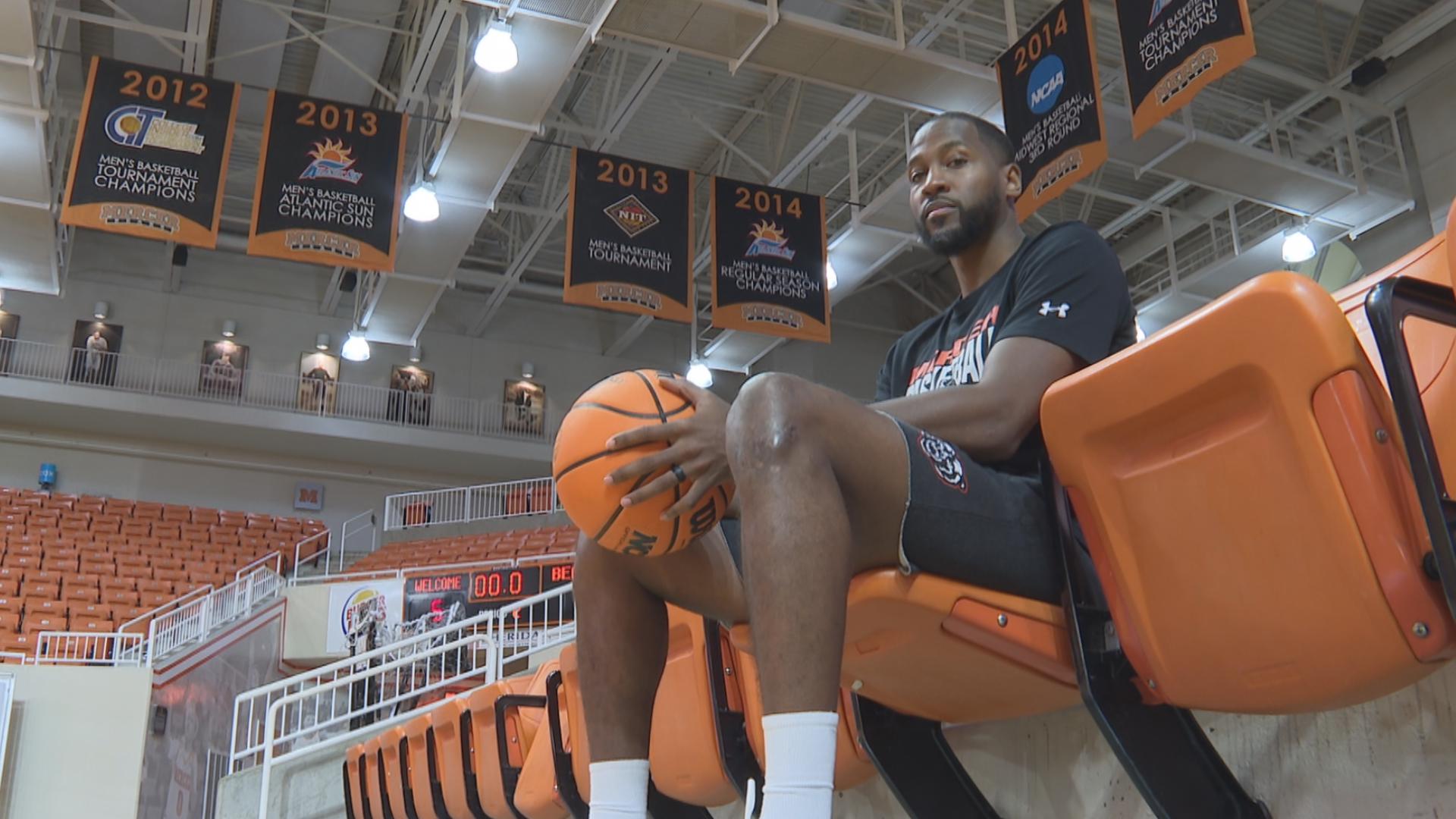
Image Source: media.13wmaz.com
Getting Started: Laying the Foundation
Embarking on a coaching career requires more than just a love for basketball. It involves preparation, knowledge, and a commitment to developing young athletes. Let’s break down the initial steps.
Assessing Your Knowledge and Skills
Before you can teach others, it’s important to assess what you already know. What are your strengths and weaknesses regarding basketball? Do you have a solid grasp of the rules? Are you comfortable explaining fundamental techniques?
- Rules and Regulations: Familiarize yourself thoroughly with the official rules of basketball. This includes understanding fouls, violations, court dimensions, and timing.
- Basketball Fundamentals: A deep understanding of basketball fundamentals is crucial. This includes dribbling, passing, shooting, footwork, and rebounding. Can you demonstrate and explain these effectively?
- Coaching Philosophy: What kind of coach do you want to be? Consider your approach to discipline, motivation, and player development.
Gaining Experience and Knowledge
The best way to learn how to coach is by doing, and by learning from others.
- Observe Other Coaches: Attend local games at various levels – youth, high school, and even college if possible. Watch how coaches interact with their players, run their basketball practice plans, and implement their coaching strategies. Take notes on what works and what doesn’t.
- Read and Research: There’s a wealth of information available. Read books on basketball coaching, sports psychology, and player development. Follow reputable basketball websites and blogs.
- Attend Clinics and Workshops: Many organizations offer coaching clinics. These are excellent opportunities to learn from experienced coaches, acquire new drills, and network with other coaches.
Deciding on the Level of Coaching
Coaching youth basketball is a fantastic starting point. It allows you to build your skills in a less high-pressure environment. Consider the age group and skill level you’re most comfortable with.
- Youth Leagues: Often volunteer-based, these leagues are ideal for beginners. You’ll focus heavily on teaching basic skills and fostering a love for the game.
- School Teams: Middle school or junior varsity teams can be the next step. This involves more structured practices and competitive play.
- Higher Levels: High school varsity, college, or professional coaching requires a higher level of expertise and often formal certifications or prior coaching experience.
Building Your Coaching Toolkit
Once you’ve decided to dive in, you’ll need to equip yourself with the necessary tools and knowledge to run effective practices and guide your team.
Developing Effective Basketball Practice Plans
A well-structured basketball practice plan is the backbone of a successful season. It ensures you cover all essential aspects of the game efficiently.
- Warm-up (10-15 minutes): Start with dynamic stretching and light conditioning. This prepares the players physically and mentally.
- Skill Development (20-30 minutes): Focus on basketball fundamentals. This is where you introduce and refine techniques like dribbling, passing, and shooting. Use various basketball drills to keep players engaged and challenged.
- Team Concepts (20-30 minutes): This section is for introducing basketball plays, offensive and defensive strategies, and team coordination.
- Scrimmage/Game Situation (15-20 minutes): Apply what was practiced in a game-like setting. This helps players understand how to use their skills and strategies under pressure.
- Cool-down (5-10 minutes): Static stretching to aid in recovery.
Sample Practice Plan Outline
| Segment | Focus | Example Drills | Duration |
|---|---|---|---|
| Warm-up | Dynamic stretching, agility, conditioning | High knees, butt kicks, carioca, ladder drills, suicides | 10-15 min |
| Fundamentals | Dribbling, Passing, Shooting, Footwork | Stationary dribbling, cone dribbling, two-ball dribbling, chest pass, bounce pass, form shooting, layups | 20-30 min |
| Offense | Spacing, Cutting, Ball Movement, Basic Plays | 2-on-1 fast break, 3-on-2 shell drill, motion offense drills, specific basketball plays | 15-20 min |
| Defense | Stance, Slides, Closeouts, Communication | Defensive slides, shell drill, 1-on-1 defense, closeout drills, help defense drills | 15-20 min |
| Situational Play | End-of-game scenarios, Press Breaks, Out-of-bounds | Practice trailing by one point with seconds left, defending a full-court press, inbound plays | 10-15 min |
| Cool-down | Static stretching, brief review | Hold stretches, discuss practice takeaways | 5-10 min |
Implementing Essential Basketball Drills
Variety is key to keeping practices interesting and effective. Incorporate a mix of drills that target different skills.
Dribbling Drills:
- Cone Dribbling: Set up cones and have players dribble around them, changing hands and using different dribble types (crossover, behind-the-back).
- Two-Ball Dribbling: Dribbling two balls simultaneously enhances coordination and ball control.
- Full-Court Dribbling: Players dribble the length of the court, focusing on speed, control, and changing pace.
Passing Drills:
- Partner Passing: Stationary passing between partners, focusing on accuracy and form (chest pass, bounce pass).
- Passing on the Move: Passing while jogging or running, simulating game situations.
- Three-Man Weave: A classic drill that emphasizes passing, catching, and running.
Shooting Drills:
- Form Shooting: Players shoot close to the basket, focusing on proper shooting form.
- Layup Drills: Practice layups from different angles and with both hands.
- Spot Shooting: Players shoot from various spots on the court to build consistency.
- Timed Shooting: Challenge players to make a certain number of shots within a time limit.
Defensive Drills:
- Defensive Slides: Players slide laterally across the court, maintaining a low stance.
- Closeout Drills: Players react to a pass by closing out on an offensive player, forcing them to make a decision.
- Shell Drill: A four-on-four drill focusing on help defense, communication, and rotation.
Mastering Basketball Offense and Defense
A strong understanding of both coaching basketball offense and coaching basketball defense is vital for success.
Coaching Basketball Offense:
- Spacing: Players need to spread out to create driving lanes and passing opportunities.
- Movement Off the Ball: Cutting, screening, and relocating after passing are essential to create mismatches and open shots.
- Ball Movement: Quick and accurate passing keeps the defense scrambling. Avoid holding the ball too long.
- Basic Offensive Sets: Introduce simple offensive plays like pick-and-rolls, back cuts, and isolation plays.
- Transition Offense: How to quickly get into offensive sets after securing a rebound or turnover.
Coaching Basketball Defense:
- On-Ball Defense: Staying in front of the dribbler, maintaining proper stance, and forcing them to their weaker hand.
- Off-Ball Defense: Denying passing lanes, helping teammates, and communicating effectively.
- Help Defense and Rotations: Players must be able to rotate to cover for teammates who are beaten, ensuring no easy baskets.
- Rebounding: Boxing out opponents to secure defensive rebounds is crucial for limiting second-chance points.
- Transition Defense: Getting back quickly after a turnover or missed shot to prevent easy fast breaks.
Player Development: Cultivating Talent
Your primary role as a coach is to foster the growth of your players, both as individuals and as a team. This involves focusing on player development.
Teaching Basketball Fundamentals Effectively
- Demonstration: Show players what to do. Break down complex movements into simpler steps.
- Repetition: Players learn through consistent practice. Reinforce good habits with drills.
- Feedback: Provide specific, constructive criticism. Highlight what they are doing well and areas for improvement.
- Progression: Gradually increase the difficulty of drills as players improve.
Building Player Confidence and Motivation
- Positive Reinforcement: Acknowledge effort and improvement, not just results.
- Setting Realistic Goals: Help players set achievable individual and team goals.
- Encouraging Teamwork: Emphasize that success comes from collective effort.
- Managing Mistakes: Teach players that mistakes are part of the learning process.
Addressing Different Skill Levels
You will likely have players with varying levels of experience and talent.
- Differentiated Instruction: Tailor drills and explanations to suit different skill sets.
- Individual Work: Provide opportunities for players to work on their specific weaknesses outside of team drills.
- Encourage Peer Teaching: Let players help each other, fostering a collaborative environment.
Coaching Strategies and Team Management
Effective coaching goes beyond just running drills. It involves strategic thinking and good management practices.
Developing Coaching Strategies
- Game Planning: Analyze your opponents to identify their strengths and weaknesses. Develop strategies to exploit their vulnerabilities and neutralize their threats.
- In-Game Adjustments: Be prepared to change your strategy based on how the game is unfolding. This could involve defensive schemes, offensive sets, or player rotations.
- Timeout Management: Use timeouts strategically to regroup, make adjustments, or calm your team.
- Player Roles: Define clear roles for each player to maximize team efficiency.
Managing the Team and Players
- Communication: Maintain open and honest communication with your players, parents, and any assistant coaches.
- Discipline: Establish clear expectations for behavior and enforce them fairly.
- Building Team Chemistry: Foster a positive and supportive team environment where players trust and respect each other.
- Handling Difficult Situations: Be prepared to deal with player conflicts, slumps, or disciplinary issues.
Coaching Basketball Tips for Success
Here are some valuable coaching basketball tips:
- Be Prepared: Always have a plan for practice and games.
- Stay Positive: Your attitude influences your team.
- Be Patient: Player development takes time.
- Listen to Your Players: Sometimes they have valuable insights.
- Be a Lifelong Learner: Continuously seek to improve your coaching knowledge.
- Focus on Effort: Reward hard work and dedication.
- Teach the “Why”: Explain the reasoning behind your strategies and drills.
- Make it Fun: Basketball should be enjoyable for everyone involved.
Frequently Asked Questions (FAQ)
Q1: What certifications do I need to coach basketball?
A1: While not always mandatory, especially for youth leagues, certifications can enhance your credibility and knowledge. Organizations like the National Federation of State High School Associations (NFHS) and USA Basketball offer coaching certifications. Check with your local league or school for specific requirements.
Q2: How do I handle parents who are overly involved or critical?
A2: Establish clear communication guidelines at the beginning of the season. Schedule parent meetings to outline your coaching philosophy and expectations. If issues arise, address them calmly and professionally, focusing on what’s best for the player and the team. It’s often helpful to have a policy of no sideline coaching from parents during games.
Q3: What if I don’t have much basketball experience myself?
A3: This is common for new coaches! Focus on learning the fundamentals thoroughly. Observe experienced coaches, read extensively, and don’t be afraid to ask questions. Many successful coaches started with a passion for the game and a dedication to learning. You can also consider bringing on an assistant coach with more playing or coaching experience.
Q4: How much playing time should I give each player?
A4: Playing time is often a sensitive issue. While development is key, you also need to balance it with the need to win. For younger players, equitable playing time is generally more important than for older, more competitive teams. Communicate your playing time philosophy to players and parents and base decisions on practice performance, effort, and game situation.
Q5: How do I deal with a star player who is difficult to coach?
A5: Even talented players need guidance. Reinforce team rules and expectations. Have one-on-one conversations to address their behavior and explain how it affects the team. Sometimes, involving a senior player or a trusted assistant can help. Remember, you coach the entire team, not just one player.
Starting your journey as a basketball coach is an incredibly rewarding experience. By focusing on fundamental skills, developing thoughtful basketball practice plans, and employing effective coaching strategies, you can make a significant positive impact on your players. Remember to be patient, stay passionate, and enjoy the process of helping young athletes grow and develop both on and off the court.