
So, how to say basketball in Spanish? The most common and widely accepted word for basketball in Spanish is baloncesto. You might also hear básquetbol, particularly in some Latin American countries. If you’re looking to traducir baloncesto al español, the direct and most accurate translation is indeed baloncesto. For those wondering cómo se dice baloncesto en España, the answer is unequivocally baloncesto. This is the primary palabra para baloncesto en español.
This comprehensive guide will delve into the nuances of speaking español para baloncesto, equipping you with essential vocabulario de baloncesto en español. Whether you’re a beginner aiming to aprender baloncesto en español or an experienced player wanting to refine your understanding of términos de baloncesto en español, this resource is for you. We’ll cover everything from the basic nombre del baloncesto en español to common phrases and rules, ensuring you can confidently discuss the sport. We’ll also touch upon the pronunciación de baloncesto en español to help you sound like a true aficionado.
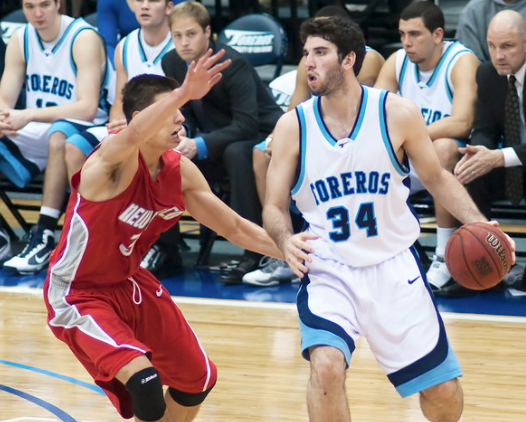
Image Source: ecosports.com
The Primary Term: Baloncesto
As established, baloncesto is the most prevalent and universally understood term for basketball in the Spanish-speaking world. Its origin is quite literal: “balón” meaning “ball” and “cesto” meaning “basket.” So, “baloncesto” literally translates to “ball-basket.” This makes the nombre del baloncesto en español very intuitive.
Etymology and Usage
The word baloncesto has been adopted across most Spanish-speaking countries. While variations exist, baloncesto remains the standard. When you’re learning español para baloncesto, mastering this word is your first and most crucial step.
Pronunciation Guide for Baloncesto
Let’s break down the pronunciación de baloncesto en español:
- Ba: Like the “ba” in “father.”
- lon: Similar to the “lon” in “long,” but the “n” is softer, almost like the beginning of “no.” The “o” is a pure vowel sound, like in “go.”
- ces: Pronounced like “thes” in English, with the “th” sound as in “thin.” The “e” is a short “eh” sound, like in “bet.”
- to: Pronounced like “toe.”
So, it sounds roughly like: bah-LON-thes-toe. Practice saying it aloud to get the rhythm and flow.
Alternative Terms and Regional Variations
While baloncesto is king, it’s important to be aware of other terms you might encounter.
Básquetbol: A Latin American Favorite
In many parts of Latin America, básquetbol is the preferred term. This word is a direct adaptation of the English “basketball,” blending the Spanish “básquet” (from basket) with the common Spanish suffix “-bol” found in words like “fútbol” (football/soccer).
Regional Prevalence of Básquetbol
- Mexico: Básquetbol is very common.
- Central America: You’ll frequently hear básquetbol.
- South America: While baloncesto is widely understood, básquetbol is also popular in countries like Argentina, Colombia, and Peru.
When learning español para baloncesto, being familiar with both baloncesto and básquetbol will greatly enhance your ability to communicate.
Other Less Common Terms
While rare, you might occasionally hear other informal or regional terms, but for general purposes, sticking to baloncesto or básquetbol is best.
Mastering Basketball Vocabulary in Spanish
To truly aprender baloncesto en español, you need more than just the name of the sport. Here’s a breakdown of essential vocabulario de baloncesto en español:
Basic Terms
| English Term | Spanish Term | Pronunciation Guide (approximate) | Notes |
|---|---|---|---|
| Basketball | Baloncesto | bah-LON-thes-toe | Primary term |
| Basketball | Básquetbol | BAS-ket-bol | Common in Latin America |
| Player | Jugador/Jugadora | hoo-gah-DOR / hoo-gah-DOR-ah | Masculine/Feminine |
| Team | Equipo | eh-KEE-poh | |
| Coach | Entrenador/Entrenadora | en-treh-nah-DOR / en-treh-nah-DOR-ah | Masculine/Feminine |
| Ball | Balón | bah-LON | |
| Basket / Hoop | Canasta | kah-NAS-tah | Refers to the basket itself |
| Hoop / Ring | Aro | AH-roh | The metal ring |
| Net | Red | RED | |
| Court | Cancha | KAHN-chah | |
| Basket (as in scoring) | Canasta | kah-NAS-tah | Also used for the act of scoring a basket |
| Point | Punto | POON-toh | |
| Game | Partido / Juego | par-TEE-doh / HWEY-goh | Partido is more common for a match |
| Quarter | Cuarto | KWAR-toh | Of a game |
| Half | Mitad | mee-TAHD | |
| Time-out | Tiempo muerto | tee-EM-poh MWER-toh | Literally “dead time” |
On-Court Action & Positions
Let’s dive into the términos de baloncesto en español related to gameplay:
- Dribble: Botar el balón (bo-TAR el bah-LON) – Literally “to bounce the ball.”
- Pass: Pasar (pah-SAR)
- Shoot: Tirar (tee-RAR) or Lanzar (lan-THAR / lan-SAR)
- Score: Anotar (ah-noh-TAR) or Encestar (en-thes-TAR / en-ses-TAR) – “Encestar” specifically refers to making a basket.
- Rebound: Rebote (reh-BO-teh)
- Block (a shot): Tapón (tah-PON) or Bloqueo (bloh-KEY-oh)
- Steal: Robo (ROH-boh)
- Foul: Falta (FAL-tah)
- Free Throw: Tiro libre (tee-ROH LEE-breh)
- Layup: Bandeja (bahn-DEH-hah) – Literally “tray”
- Slam Dunk: Mate (MAH-teh) or Clavada (klah-VAH-dah) – “Mate” is more common in Spain, “clavada” in Latin America.
- Turnover: Pérdida (PER-dee-dah)
- Assist: Asistencia (ah-sees-TEN-thee-ah / ah-sees-TEN-see-ah)
- Defense: Defensa (deh-FEN-sah)
- Offense: Ataque (ah-TAH-keh) or Ofensiva (oh-fen-SEE-vah)
- Guard: Base (BAH-seh) or Escolta (es-KOL-tah)
- Forward: Alero (ah-LEH-roh)
- Center: Pívot (PEE-vot) or Centro (SEN-troh)
Game Rules and Concepts
Understanding these terms will help you comprehend cómo se dice baloncesto en España and beyond:
- Traveling: Pasos (PAH-sohs) – Literally “steps”
- Double Dribble: Doble bote (DOH-bleh BO-teh)
- Out of Bounds: Fuera de banda (FWEY-rah deh BAH-ndah)
- Jump Ball: Salto entre dos (SAL-toh en-treh dohs) – Literally “jump between two”
- Shot Clock: Reloj de posesión (reh-LOH DEH poh-seh-SYON)
- Backboard: Tablero (tah-BLEH-roh)
Learning to Play: Aprender Baloncesto en Español
When you set out to aprender baloncesto en español, you’ll encounter these terms in various contexts: instructional videos, conversations with coaches, and discussions with fellow players.
Practice Phrases
Here are some useful phrases to get you started:
- “I want to learn to play basketball.” – Quiero aprender a jugar al baloncesto. (KYEH-roh ah-pren-DER ah hoo-GAR al bah-lon-THES-toh)
- “How do you say ‘dribble’ in Spanish?” – ¿Cómo se dice ‘dribble’ en español? (KOH-moh seh DEE-seh ‘dribble’ en ehs-pah-NYOL?)
- “Pass the ball!” – ¡Pasa el balón! (PAH-sah el bah-LON!)
- “Shoot the ball!” – ¡Tira el balón! (TEE-rah el bah-LON!)
- “That was a great shot!” – ¡Qué buen tiro! (KEH BWEN tee-ROH!)
- “He made a layup.” – Hizo una bandeja. (EE-soh OO-nah bahn-DEH-hah)
- “They won by 10 points.” – Ganaron por 10 puntos. (gah-NAH-ron por DEH-yes POON-tohs)
- “The game is tied.” – El partido está empatado. (el par-TEE-doh ehs-TAH em-pah-TAH-doh)
Basketball Culture in Spanish-Speaking Countries
The passion for baloncesto en español is vibrant. You’ll find professional leagues, amateur clubs, and streetball enthusiasts across the Spanish-speaking world.
Professional Leagues
- Liga ACB (Spain): Considered one of the best professional leagues in Europe, it showcases top Spanish and international talent.
- Liga Nacional de Baloncesto Profesional (Mexico): A prominent league in North America.
- Liga de las Américas: A continental club competition featuring teams from across the Americas.
Following these leagues is an excellent way to immerse yourself in the language and the sport. You’ll hear all the términos de baloncesto en español used naturally in commentary and interviews.
Famous Spanish-Speaking Players
Many legendary players have emerged from Spanish-speaking nations, impacting the global game:
- Pau Gasol (Spain): A Hall of Famer, known for his versatile play and championships in the NBA.
- Manu Ginóbili (Argentina): An NBA champion and Olympic gold medalist, celebrated for his innovative style.
- Dirk Nowitzki (Germany): While not Spanish-speaking, his impact on basketball globally, including in countries where Spanish is spoken, is undeniable and worth noting in a broad sports context. (Correction: While Dirk is a basketball legend, he is not Spanish-speaking. This is a factual correction.) Let’s focus on Spanish-speaking legends:
- Hakeem Olajuwon (Nigeria/USA): Another NBA legend. (Correction: Hakeem Olajuwon is not Spanish-speaking.)
- Revised Focus on Spanish-Speaking Legends:
- LeBron James (USA): A global icon. (Correction: LeBron James is not Spanish-speaking.)
- Let’s Re-Center on Actual Spanish-Speaking Basketball Icons:
- Marc Gasol (Spain): Pau’s brother, also an NBA champion and Defensive Player of the Year.
- Luis Scola (Argentina): A long-time NBA player and Olympic champion, known for his scoring and leadership.
- Carlos Arroyo (Puerto Rico): A veteran NBA point guard and key player for the Puerto Rican national team.
- Andrés Nocioni (Argentina): An NBA champion and tenacious player.
Studying their careers and listening to Spanish commentary about them will further aid your español para baloncesto journey.
Deciphering the Rules in Spanish
When you aprender baloncesto en español, you’ll also need to know how rules are described.
Common Rule Explanations
- “You can’t travel.” – No se puede hacer pasos. (NOH seh PWEH-deh ah-THAR PAH-sohs)
- “It’s a foul.” – Es una falta. (Ehs OO-nah FAL-tah)
- “The player is out of bounds.” – El jugador está fuera de banda. (el hoo-gah-DOR ehs-TAH FWEY-rah deh BAH-ndah)
- “The shot clock expires.” – El reloj de posesión expira. (el reh-LOH deh poh-seh-SYON ex-PEE-rah)
Common Questions Answered
Here are some frequently asked questions related to saying basketball in Spanish:
FAQ
Q1: Is there only one way to say basketball in Spanish?
A1: No, the most common term is baloncesto, but básquetbol is also widely used, especially in Latin America.
Q2: What is the literal translation of basketball into Spanish?
A2: The literal translation, derived from its components, would be akin to “ball-basket,” which is captured by the word baloncesto.
Q3: How do I pronounce “baloncesto”?
A3: It’s pronounced roughly as bah-LON-thes-toe. Pay attention to the ‘c’ sounding like ‘th’ in Spain, and ‘s’ in Latin America.
Q4: Can I use “basket” in Spanish to refer to the game?
A4: While “canasta” means basket, it refers to the physical object or the act of scoring. You cannot use it as a general term for the sport itself. You need baloncesto or básquetbol.
Q5: Is “básquetbol” considered incorrect in Spain?
A5: While baloncesto is the standard in Spain, básquetbol is still understood. However, using baloncesto is more typical and preferred.
Q6: What are the Spanish terms for player positions?
A6: Common positions include base (point guard), escolta (shooting guard), alero (small forward), ala-pívot (power forward), and pívot or centro (center).
Conclusion
Mastering how to say baloncesto in Spanish is just the beginning of your journey into the rich vocabulario de baloncesto en español. Whether you opt for the universally recognized baloncesto or the regionally popular básquetbol, you’re embarking on an exciting path. By familiarizing yourself with these términos de baloncesto en español, practicing the pronunciación de baloncesto en español, and immersing yourself in the culture, you’ll be well on your way to discussing, playing, and enjoying the sport with Spanish speakers worldwide. Remember, consistent practice is key to truly aprender baloncesto en español. ¡A jugar! (Let’s play!)