
How to Prevent Knee Pain When Playing Basketball
Can you prevent knee pain when playing basketball? Yes, by focusing on proper preparation, technique, strengthening, and recovery, you can significantly reduce your risk of knee pain and injuries.
Basketball is a dynamic sport that puts a lot of stress on your knees. The constant jumping, landing, cutting, and pivoting can lead to pain if your body isn’t prepared. Basketball knee injury prevention isn’t just about avoiding a single traumatic event; it’s a consistent effort to build resilience and protect your joints. This guide will delve into how to keep your knees healthy and strong on the court.
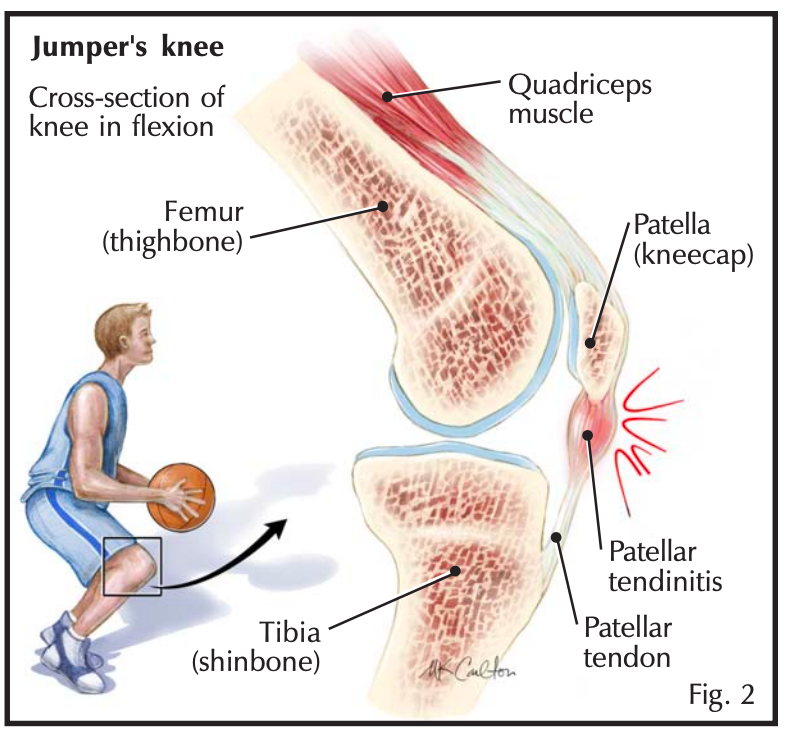
Image Source: hughston.com
The Demands of Basketball on Your Knees
Your knees are complex joints made up of bones, cartilage, ligaments, and tendons. In basketball, these structures work overtime. Every jump, stop, and change of direction forces your knees to absorb impact and stabilize your body. This repetitive stress can lead to various issues, from minor aches to more serious conditions like patellofemoral pain syndrome (runner’s knee), tendonitis, or even ligament tears.
Key Factors in Knee Pain Prevention
Preventing knee pain involves a multi-faceted approach. We’ll explore several critical areas:
Proper Basketball Warm-Up for Knees
Skipping your warm-up is one of the quickest ways to invite knee pain. A good warm-up prepares your muscles and joints for the activity ahead, increasing blood flow and flexibility. This makes them more resilient to the demands of the game.
Dynamic Stretching
Dynamic stretches involve moving your joints through their full range of motion. They are far more effective than static stretching (holding a stretch) before a game.
- Leg Swings (Forward and Backward): Stand tall and swing one leg forward and backward in a controlled manner. Keep your core engaged and avoid arching your back. Aim for 10-15 swings per leg.
- Leg Swings (Side to Side): Facing a wall for balance, swing your leg across your body and then out to the side. Focus on controlled movement. 10-15 swings per leg.
- Knee Circles: Gently rotate your knees in circles, both clockwise and counter-clockwise. Do this for about 30 seconds in each direction.
- High Knees: Bring your knees up towards your chest, alternating legs. Start slow and gradually increase the pace.
- Butt Kicks: Bring your heels up towards your glutes, alternating legs. This stretches the quadriceps.
- Walking Lunges: Step forward into a lunge, keeping your front knee behind your toes and your back knee close to the ground. Push off your back foot to step into the next lunge. Do 10 lunges per leg.
- Ankle Rotations: Essential for overall lower leg health, rotate your ankles clockwise and counter-clockwise.
Light Cardio
Follow your dynamic stretches with a few minutes of light cardio to elevate your heart rate and body temperature. This could include jogging in place, skipping, or light shuffling drills.
Basketball Stretching for Knees (Post-Game and Recovery)
While dynamic stretching is for before the game, static stretching after a game or during recovery sessions can help improve flexibility and reduce muscle soreness.
- Quadriceps Stretch: Stand with your feet hip-width apart. Grab your ankle and pull your heel towards your glutes. Keep your knees close together and feel the stretch in the front of your thigh. Hold for 20-30 seconds, then switch legs.
- Hamstring Stretch: Sit on the floor with one leg extended and the other bent, with the sole of your foot against your inner thigh. Lean forward from your hips towards your extended foot, keeping your back straight. Hold for 20-30 seconds, then switch legs.
- Calf Stretch: Stand facing a wall, place your hands on the wall, and step one leg back, keeping that leg straight and your heel on the ground. Lean into the wall until you feel a stretch in your calf. Hold for 20-30 seconds, then switch legs.
- IT Band Stretch: Lie on your back and cross one leg over the other at the knee. Gently pull the crossed knee towards your opposite shoulder. You should feel a stretch on the outside of your hip and thigh. Hold for 20-30 seconds, then switch.
Knee Conditioning for Basketball Players
Consistent conditioning is paramount for basketball knee injury prevention. This means building the strength and endurance of the muscles that support your knees.
Knee Strengthening Exercises for Basketball
Stronger muscles act as better shock absorbers and stabilizers for your knee joint.
- Squats:
- Bodyweight Squats: Stand with feet shoulder-width apart. Lower your hips as if sitting in a chair, keeping your back straight and chest up. Ensure your knees track over your toes and don’t go past them. Go as low as comfortable while maintaining good form. Aim for 3 sets of 10-15 repetitions.
- Goblet Squats: Hold a dumbbell or kettlebell at your chest. Perform squats as described above. This adds resistance.
- Lunges:
- Forward Lunges: Step forward, lowering your hips until both knees are bent at approximately 90-degree angles. Keep your front knee over your ankle.
- Reverse Lunges: Step backward, lowering your hips. This can be easier on the knees for some people.
- Lateral Lunges: Step to the side, bending one knee and keeping the other leg straight. Push off the bent leg to return to the start.
- Calf Raises: Stand with your feet flat on the floor. Rise up onto the balls of your feet, squeezing your calf muscles. Lower slowly. You can perform these on a flat surface or with the balls of your feet on an elevated surface for a greater range of motion.
- Glute Bridges: Lie on your back with your knees bent and feet flat on the floor hip-width apart. Lift your hips off the ground, squeezing your glutes at the top. Keep your core engaged. Lower slowly. This strengthens your glutes and hamstrings, crucial for knee support.
- Quad Sets: Sit or lie down with your legs extended. Tighten your quadriceps muscle (the muscle on the front of your thigh) and push the back of your knee down into the floor. Hold for 5-10 seconds.
- Hamstring Curls (with resistance band or machine): Lie on your stomach and curl your heels towards your glutes. Use a resistance band tied around an anchor point or a hamstring curl machine.
- Step-Ups: Use a sturdy bench or step. Step up with one foot, bringing your other foot to meet it. Step back down with the first foot, followed by the second. Alternate leading legs.
Plyometrics for Basketball
Plyometric exercises are explosive movements that help improve power and agility, but they also require a strong foundation. Introduce these gradually and with proper form.
- Box Jumps: Jump onto a stable box, landing softly.
- Jump Squats: Perform a squat and then explosively jump upwards, extending your hips and knees.
- Lateral Jumps: Jump side to side, focusing on quick, controlled movements.
Important Note: Always perform strengthening exercises with proper form. If you’re unsure, consult a coach or physical therapist.
Basketball Jump Landing Technique
How you land after a jump is critical for preventing knee pain. Landing stiff-legged or with knees caving inward places immense stress on your joints.
The “Soft Landing” Approach
- Bend Your Knees: As your feet touch the ground, immediately bend your knees and hips. Think of it like a spring absorbing the impact.
- Land on the Balls of Your Feet: Aim to land on the balls of your feet, then allow your heels to gently touch down. This distributes the impact more effectively than landing flat-footed or on your heels.
- Keep Knees Over Toes: Ensure your knees track directly over your toes. Avoid letting them collapse inward (valgus collapse), which is a major risk factor for knee injuries.
- Engage Your Core: A strong core helps stabilize your entire body, including your lower extremities.
- Absorb the Force: Let your legs and hips absorb the shock of the landing. Don’t be rigid.
Drills to Practice:
* Drop Landings: Stand on a low platform and jump off, focusing on a soft landing.
* Jump-Stop Drills: Practice jumping and then executing a controlled stop, emphasizing proper landing mechanics.
Basketball Knee Support
While not a substitute for proper conditioning and technique, basketball knee support can offer additional stability and proprioceptive feedback.
- Knee Sleeves: These provide compression and warmth, which can help improve blood flow and reduce swelling. They offer mild support and can increase awareness of your knee’s position.
- Knee Braces:
- Hinged Knee Braces: These offer more substantial support and are often used after injuries or for individuals with ligament instability. They can limit certain movements that might stress the knee.
- Patellar Tendon Straps (Cho-Pat straps): These are worn just below the kneecap and can help relieve pressure on the patellar tendon, often used for conditions like Osgood-Schlatter disease or patellar tendonitis.
When to Consider Support:
* If you have a history of knee pain or instability.
* During periods of intense training or competition.
* As recommended by a healthcare professional or physical therapist.
Remember: Knee support should complement, not replace, your conditioning program.
Addressing Existing Knee Pain Management Basketball
If you are already experiencing knee pain, the approach needs to shift to knee pain management basketball. This typically involves a period of rest, modification of activity, and targeted rehabilitation.
- RICE Protocol: For acute pain or swelling, follow the RICE protocol:
- Rest: Avoid activities that aggravate your knee.
- Ice: Apply ice packs for 15-20 minutes several times a day to reduce inflammation.
- Compression: Use a bandage or sleeve to reduce swelling.
- Elevation: Keep your knee raised above your heart.
- See a Professional: If pain persists or is severe, consult a doctor, physical therapist, or sports medicine specialist. They can diagnose the cause of your pain and create a personalized treatment plan.
- Gradual Return to Play: Once pain subsides and you’ve completed rehabilitation, return to basketball gradually. Start with light drills and gradually increase intensity and duration.
- Listen to Your Body: This is the most crucial aspect of knee pain management. Don’t push through sharp or increasing pain.
Basketball Injury Risk Factors Knees
Several factors can increase your risk of knee pain and injuries when playing basketball. Identifying and mitigating these is key to basketball injury risk factors knees.
- Poor Conditioning: Weak muscles around the knee and hip.
- Lack of Flexibility: Tight muscles can alter biomechanics and place undue stress on the knee.
- Improper Technique: Poor landing, cutting, or jumping mechanics.
- Overtraining: Insufficient rest and recovery can lead to overuse injuries.
- Previous Injuries: A history of knee problems can make you more susceptible to future injuries.
- Footwear: Worn-out or ill-fitting shoes offer poor support and shock absorption.
- Playing Surface: Hard courts can increase impact forces.
- Genetics/Anatomy: Some individuals may have anatomical predispositions that increase their risk.
How to Avoid Knee Pain Basketball: A Holistic Approach
To truly how to avoid knee pain basketball, you need to integrate all these elements:
- Consistent Conditioning: Regularly perform strengthening and flexibility exercises.
- Smart Warm-ups and Cool-downs: Never skip these crucial routines.
- Master Your Technique: Focus on proper landing, cutting, and jumping.
- Appropriate Footwear: Wear supportive, well-fitting basketball shoes and replace them when they wear out.
- Listen to Your Body: Recognize the difference between muscle fatigue and pain.
- Adequate Rest and Recovery: Allow your body time to repair and rebuild.
- Proper Nutrition and Hydration: Support overall health and muscle function.
- Consider Professional Guidance: A physical therapist can identify imbalances and provide personalized exercises.
Frequently Asked Questions (FAQ)
Q1: How often should I do knee strengthening exercises for basketball?
A: Aim to perform knee strengthening exercises 2-3 times per week on non-consecutive days. Consistency is key.
Q2: Is it okay to play basketball if I have mild knee pain?
A: Generally, it’s best to avoid activities that cause sharp or increasing pain. If you have mild discomfort that doesn’t worsen with rest and light activity, you might be able to play with modifications. However, if the pain persists or is significant, consult a healthcare professional.
Q3: What is the most common knee injury in basketball?
A: While many injuries can occur, anterior cruciate ligament (ACL) tears, meniscus tears, and patellofemoral pain syndrome are very common.
Q4: How long should my warm-up last before playing basketball?
A: A good warm-up should last at least 10-15 minutes, including light cardio and dynamic stretching.
Q5: Can I wear a brace all the time for knee pain?
A: While braces can be helpful, they should not be a permanent solution. They are best used during activity or as part of a rehabilitation program under professional guidance. Over-reliance on a brace can weaken the muscles that naturally support your knee.
By adopting a proactive and informed approach to your physical preparation and on-court habits, you can significantly reduce the likelihood of experiencing knee pain and continue to enjoy the sport of basketball for years to come.